WATCH: Ex-NATO chief draws red line as Trump fumes alliance abandoned US during Iran war


NEWYou can now listen to Fox News articles!

Former NATO Secretary-General Jens Stoltenberg signaled clear limits on the alliance’s role in the Iran conflict, saying it should not be pulled into supporting U.S. military operations even as President Donald Trump ramps up pressure on European allies — exposing a growing divide over what NATO is meant to do.

“NATO is a defensive alliance,” Stoltenberg, now Norway’s finance minister, told Fox News Digital in an interview Wednesday. “The strikes or the war against Iran were never an attempt to make that into a NATO operation.”

Stoltenberg framed the disagreement not over whether Iran poses a threat, but over how to confront it, with European governments favoring sanctions and diplomatic pressure over direct military involvement.

“We all agree the Iranian nuclear program is dangerous,” he said. “The question is how we achieve that goal.”
WATCH: Ex-NATO chief draws red line as Trump fumes alliance abandoned US during Iran war

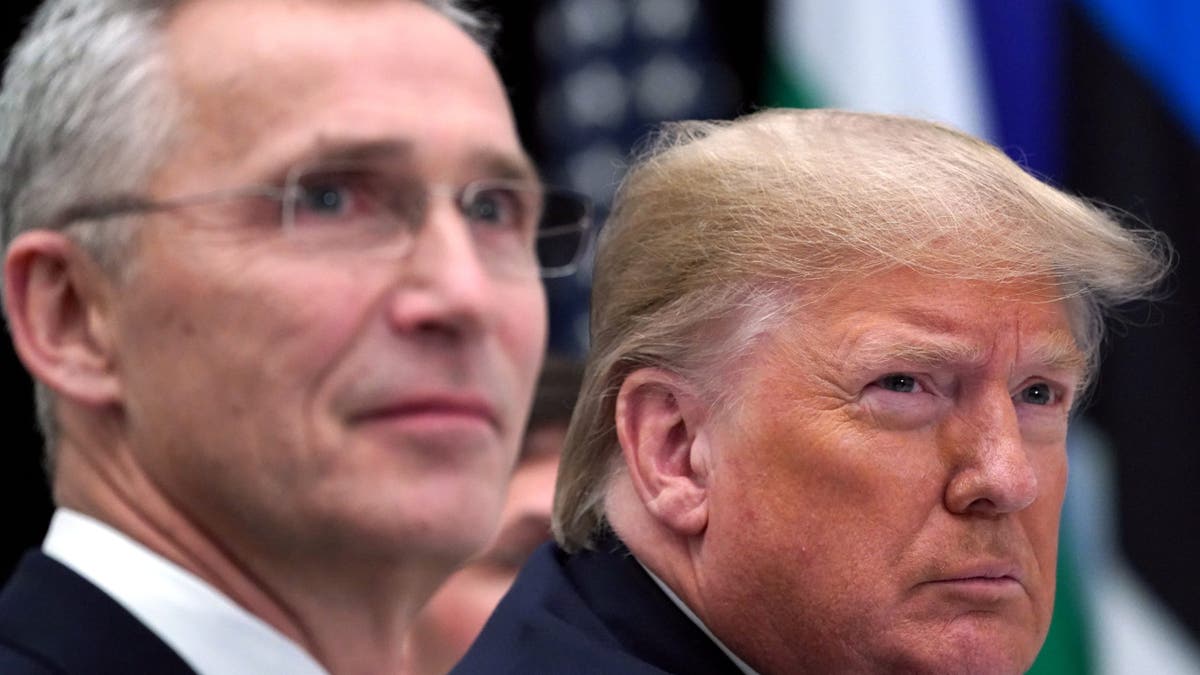
Former NATO Secretary-General Jens Stoltenberg signaled clear limits on the alliance’s role in the Iran conflict, even as President Donald Trump ramps up pressure on European allies. (Kevin Lamarque/Reuters)

NO RETREAT AT HORMUZ — IRAN MUST NOT CONTROL THE WORLD’S ENERGY LIFELINE

The divide reflects a deeper mismatch between Washington and its allies: Trump has treated the conflict as a test of NATO support — urging countries that benefit from the Strait of Hormuz to help secure it militarily — while European governments have largely rejected that approach, arguing the war falls outside the alliance’s mandate.

Trump has sharply criticized NATO allies for refusing to back U.S. operations tied to the conflict, at times questioning the alliance’s value and warning it had failed a key test as tensions escalated in the Strait of Hormuz.

“NATO wasn’t there for us, and they won’t be there for us in the future,” Trump said Wednesday on Truth Social. 

The president has alternated between pressuring allies to step up and downplaying their importance, at one point calling NATO’s response a “very foolish mistake” while also insisting the United States “doesn’t need any help.”

Major European powers have resisted Trump’s push to provide military support. 

“The feeling is, this is not Europe’s war,” European Union foreign policy chief Kaja Kallas told Reuters in an interview published March 17. 
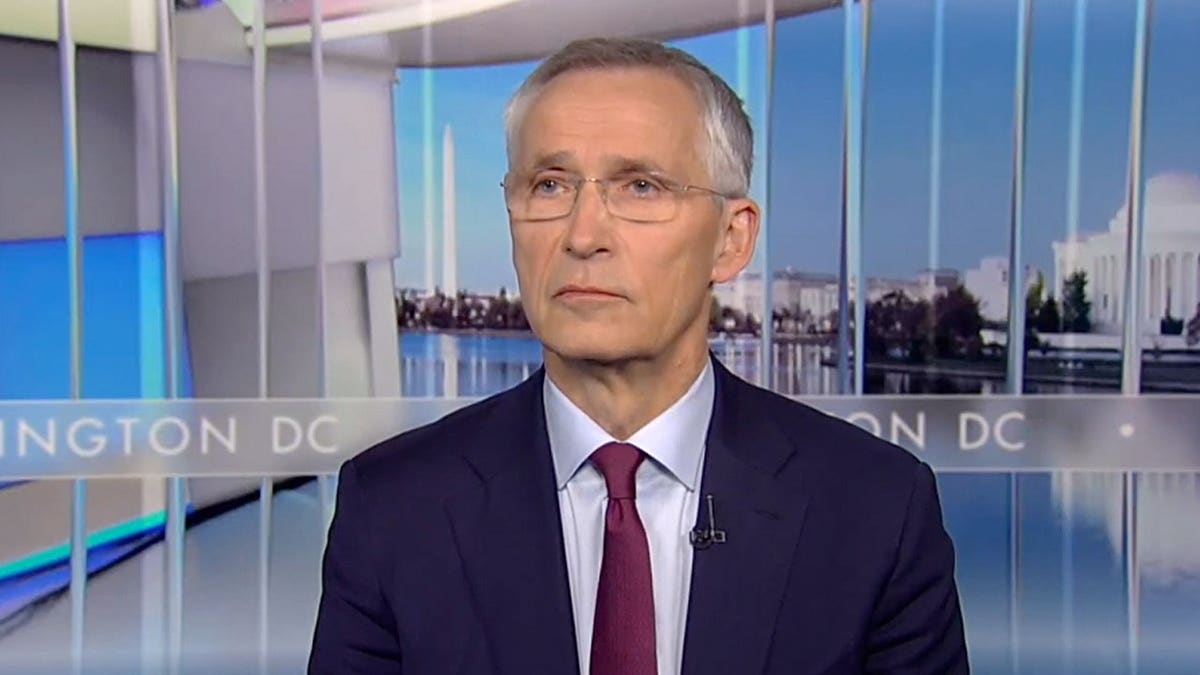
Jens Stoltenberg

Former NATO Secretary-General and current Norwegian finance minister Jens Stoltenberg said the Iran war was not a matter for NATO to provide support. (Fox News Digital)

NATO CHIEF SIGNALS ALLIES MAY ACT ON HORMUZ, WARNS OF ‘UNHEALTHY CODEPENDENCE’ ON US

Spain blocked U.S. aircraft involved in the Iran conflict from using its airspace and denied access to key bases at Rota and Morón, forcing American forces to reroute missions. France has provided limited logistical support but restricted certain overflight requests tied to military operations, reviewing them on a case-by-case basis.

Stoltenberg pushed back on the idea that Europe has broadly abandoned the United States, arguing most allies have still provided logistical support behind the scenes.

“The majority of European allies have made sure that their bases and infrastructure were available for the United States,” he said. “There are some exceptions, but most have contributed.”

Countries like the United Kingdom and Romania have allowed U.S. forces to use bases for refueling, surveillance and defensive operations even as they declined direct combat roles.

The tension underscores a broader split inside the alliance: Trump has framed the Iran conflict as a test of NATO support, while NATO leadership has drawn a clear distinction between formal obligations and political expectations, maintaining the war falls outside the alliance’s core mission.

Asked whether he would pull the U.S. out of NATO, Trump said the move was “beyond reconsideration” in an interview with The Telegraph on April 1. 

The Iran conflict began in late February after U.S. and Israeli strikes on Iranian targets triggered retaliation from Tehran, including the closure of the Strait of Hormuz, a critical global shipping lane that carries roughly a fifth of the world’s energy supply. The U.S. has since launched airstrikes and imposed a naval blockade aimed at increasing pressure to reopen the strait.
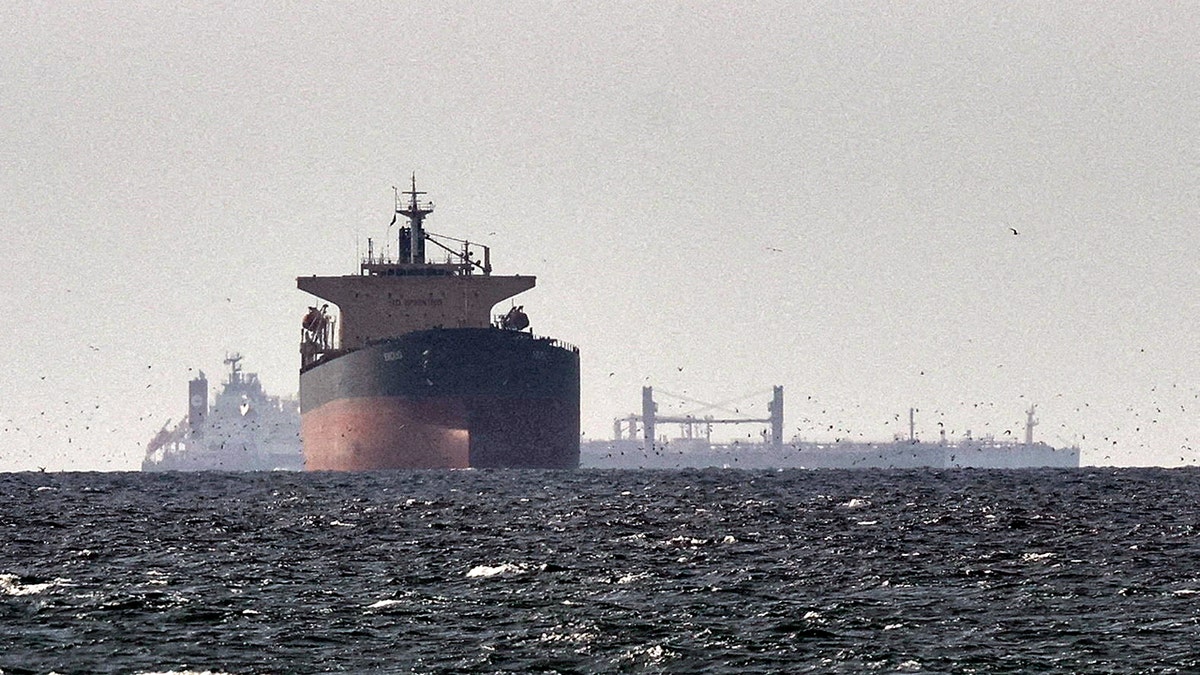
Cargo ships anchored in the Gulf near the Strait of Hormuz seen from northern Ras al-Khaimah

The Iran conflict began in late February after U.S. and Israeli strikes on Iranian targets triggered retaliation from Tehran, including the closure of the Strait of Hormuz.  (Reuters/Stringer)

The economic fallout from the conflict is also shaping how European countries view the war and their role in it.

European natural gas prices surged — jumping around 50% early in the conflict and, at times, nearly doubling as LNG supply disruptions intensified.

CLICK HERE TO DOWNLOAD THE FOX NEWS APP

For Norway, however, the impact is more mixed. As one of Europe’s largest oil and gas exporters, the country stands to benefit from higher prices even as broader economic instability creates risks at home.

“There are two effects,” Stoltenberg said. “When prices are going up, our oil and gas revenues will increase. But at the same time … when inflation increases and economic growth slows, it will affect our economy.”

The White House could not immediately be reached for comment.

ICE detains relatives of 1979 Iran hostage crisis figure after Rubio revokes their legal status


NEWYou can now listen to Fox News articles!

Secretary of State Marco Rubio said he revoked the lawful permanent resident status of family members linked to Masoumeh Ebtekar, a spokeswoman for the Islamic terrorists who stormed the U.S. Embassy during the 1979 hostage crisis.

Rubio said the individuals were placed in Immigration and Customs Enforcement (ICE) custody pending removal from the United States. 

He said the Obama administration granted visas to Ebtekar’s son and his family in 2014 and later approved green cards through the Diversity Visa Program in 2016.

CLICK HERE TO DOWNLOAD THE FOX NEWS APP

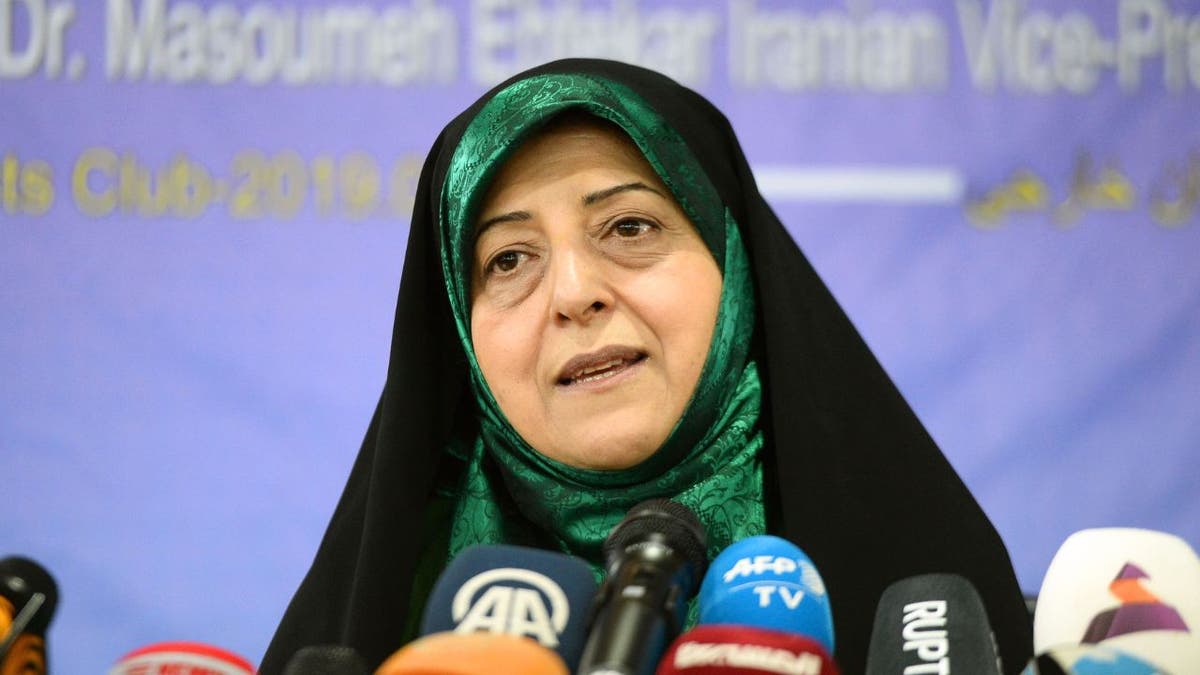
ICE detains relatives of 1979 Iran hostage crisis figure after Rubio revokes their legal status

Masoumeh Ebtekar, a spokeswoman for the militants involved in the 1979 U.S. Embassy hostage crisis, speaks at a press conference in Tehran on Jan. 29, 2019. (Anadolu Agency via Getty Images)

“Masoumeh Ebtekar —  also known as ‘Screaming Mary’ —  was the spokeswoman for the Islamic terrorists who stormed the U.S. Embassy in Tehran in 1979 and held 52 Americans hostages for 444 days — subjecting them to beatings, starvation, and mock executions,” Rubio wrote on X.

Rubio said her family should never have been allowed to benefit from the extraordinary privilege of living in the United States.

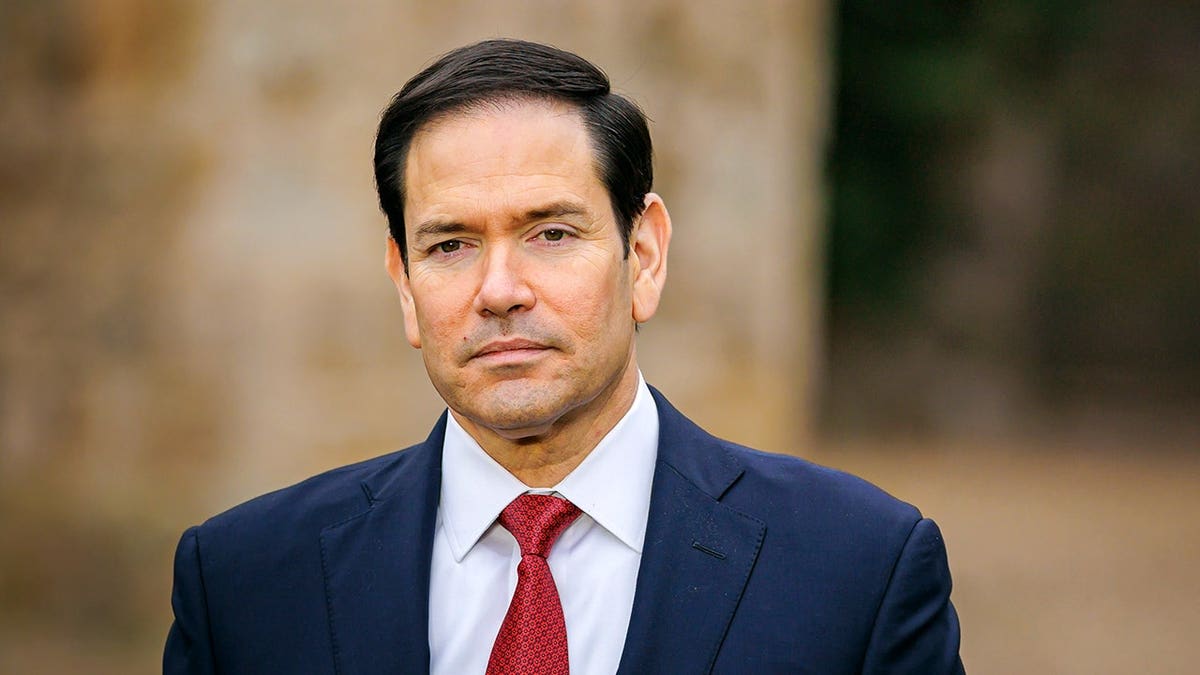
Marco Rubio standing at the G7 Foreign Ministers' Meeting in Cernay-la-Ville, France

Secretary of State Marco Rubio said he revoked the lawful permanent resident status of family members linked to Masoumeh Ebtekar, a spokeswoman for the militants who stormed the U.S. Embassy during the 1979 hostage crisis. (Thomas Trutschel/Photothek)

“America can never become home for anti-American terrorists or their families — and under the Trump administration, it never will,” Rubio said.

This is a developing story. Please check back for updates. 


What this real-world oil price says about the level of stress in the energy market


A general view of Navigator Terminals, an Oil storage depot along the River Thames on March 10, 2026 in London, England.

Dan Kitwood | Getty Images News | Getty Images

The fluctuating price of dated Brent, the global benchmark for real-world barrels of crude, has prompted energy analysts warn to that acute stress in the physical oil market shows little sign of abating amid worries over a fragile ceasefire in the Middle East.

As energy market participants continue to monitor shipping disruption through the strategically vital Strait of Hormuz, an unprecedented gap has emerged between dated Brent and front-month Brent futures, suggesting supplies will remain tight for some time.

The spot price of dated Brent, which refers to physical cargoes that have been assigned delivery dates from 10 days forward to one month ahead, came in at $131.97 per barrel on Thursday afternoon, according to data compiled by Platts.

That’s up over 7% from the previous session but down from a record high of $144.42 on Tuesday, just before the U.S. and Iran announced a two-week truce.

Dated Brent is assessed based on bids, offers and trades in the open physical spot market, which means it reflects the real-world price tag of crude oil.

Brent crude futures for June delivery, meanwhile, were last seen trading 0.6% higher at $96.51 per barrel on Friday morning.

“Dated Brent at $144 is not just a price record. It’s the physical market telling you that real barrels are becoming scarce. The market is pricing in scarcity, not just risk,” Andrejka Bernatova, founder and CEO of Dynamix Corporation III, told CNBC by email.

What this real-world oil price says about the level of stress in the energy market

“Even with the ceasefire bringing the number down, the underlying stress hasn’t gone away, and frankly, I think the market is getting ahead of itself,” Bernatova said.

“The Strait of Hormuz remains almost entirely blocked, and this ceasefire is fragile at best. Until those flows are actually moving again, the $144 print is less of a historical anomaly and more of a preview.”

Roughly 20% of global oil and gas typically passes through the Strait of Hormuz, a narrow maritime corridor that connects the Persian Gulf and the Gulf of Oman. Shipping and maritime experts have told CNBC that traffic through the critical energy artery will not normalize anytime soon.

“If refiners delay purchases in anticipation of further price declines while physical flows remain constrained, product tightness could worsen even amid de-escalation,” Janiv Shah, vice president of oil markets at Rystad Energy, said in a research note published Wednesday.

“The Brent flat price has fallen, but prompt physical differentials are likely to remain sticky, tanker rates stay elevated, and sour crude buyers continue to pay up for security of limited global supply away from the Gulf,” he continued.

“This goes to show that the perceived geopolitical risk can ease faster than operational risk,” Shah said.

Market dislocation

Strategists at Morgan Stanley said the Strait of Hormuz disruption has prompted a much more violent shock in physical Brent-linked barrels compared to the main financial contract of Brent futures.

“Dated Brent is the market’s assessment of what a prompt physical seaborne barrel is worth in Northwest Europe. ICE Brent, on the other hand, is a standardized, centrally cleared futures contract whose final cash settlement is linked to the forward Brent cargo market through a defined expiry process,” Martijn Rats, commodities strategist at Morgan Stanley, said in a research note published Tuesday.

“Those two prices are connected, but they do not measure the same exposure in time or at the same point in the chain.”

The market dislocation shows the Brent system identifying where the shock is most acute and immediate, Rats said.

Paper oil remains disconnected from tightening physical market realities

Pavel Molchanov, senior analyst at Raymond James Investment, said this latest episode of supply disruption had caused traditional trading patterns between various grades of crude to break down.

“This speaks to unprecedented stress and uncertainty in the oil market,” Molchanov told CNBC by email.

Among some examples of this, Molchanov said Brent crude futures typically traded $3 to $5 per barrel higher than U.S. West Texas Intermediate futures over the past decade, although WTI briefly surpassed a premium of more than $10 during the Middle East crisis.

Russian Urals crude oil prices, meanwhile, reached levels as much as $30 above Brent in recent weeks, Molchanov said, noting that Urals have traded at steep discounts to Brent since Russia’s full-scale invasion of Ukraine in early 2022.

Molchanov also pointed out that Saudi Arabia raised the premium for Arab Light crude over Oman/Dubai benchmark to $19.50, adding that this premium had “never before” exceeded the $10 level.

Choose CNBC as your preferred source on Google and never miss a moment from the most trusted name in business news.


Britain to call for toll-free Strait of Hormuz, says Lebanon must be part of Iran ceasefire


Yvette Cooper, UK foreign secretary, delivers the opening remarks as she chairs a virtual meeting to discuss the re-opening of the Strait of Hormuz, in London, UK, on Thursday, April 2, 2026.

Bloomberg | Bloomberg | Getty Images

U.K. Foreign Minister Yvette Cooper is expected to call for unhindered access through the Strait of Hormuz on Thursday, countering a push by Iran to control one of the world’s most important oil chokepoints.

In an annual foreign policy speech, Cooper is expected to say shipping must be toll-free through the Strait of Hormuz, which has effectively been blocked by Iran since the start of the war.

“The fundamental freedoms of the seas must not be unilaterally withdrawn or sold off to individual bidders. Nor can there be any place for tolls on an international waterway,” Cooper will say at Mansion House in London later this evening, according to advance extracts of her speech.

Iran has said it wants to charge ships to pass through the Strait of Hormuz, with the Financial Times reporting on Wednesday that Tehran is planning to charge shipping firms in cryptocurrency for their oil tankers to pass through the waterway.

The Strait of Hormuz is a narrow maritime corridor that connects the Persian Gulf and the Gulf of Oman. Roughly 20% of global oil and gas typically passes through the Strait.

Britain’s Cooper is also expected to push for Lebanon to be included in the two-week ceasefire agreed between the U.S. and Iran on Tuesday.

“The ceasefire agreement between the US, Israel and Iran is welcome. It is a vital step towards bringing security and stability to the region, and to easing the pressures on the global economy and the cost of living here at home,” Cooper will say.

“There is considerable work to do, and we support the negotiations: they must make progress; there must be no return to conflict; Lebanon must be included in the ceasefire; there must be no further threat from Iran to its neighbors; and crucially the Strait of Hormuz must be fully reopened.”

Cooper is set to underline the economic impact of the Middle East crisis on people in Britain, citing rising mortgage rates, fuel prices and the cost of food.

Her speech comes as U.K. Prime Minister Keir Starmer holds talks with several countries in the Gulf region to discuss diplomatic efforts to support and uphold the ceasefire deal.

Choose CNBC as your preferred source on Google and never miss a moment from the most trusted name in business news.


From war to weather: A ‘super El Niño’ event poses fresh risks to global food costs


A batch of exported urea fertilizers is being concentrated at the port for shipment at Yantai Port in Shandong Province, China on March 26, 2026.

Cfoto | Future Publishing | Getty Images

An unusually powerful El Niño later this year could exacerbate food security fears as disruption caused by the Iran war strains supply for crucial fertilizer products.

Climate scientists warn it appears increasingly likely that a planet-warming El Niño will take shape over the coming months, with U.S. meteorologists estimating a one-in-three chance of a “strong” weather event forming in October to December.

European climate models indicate an even higher probability of a very strong or “super El Niño,” although the so-called spring barrier means that these forecasts can be inaccurate.

El Niño — or “the little boy” in Spanish — is widely recognized as the warming of the sea surface temperature, which occurs naturally every few years. Such an event is declared when sea temperatures in the tropical eastern Pacific rise 0.5 degrees Celsius above the long-term average.

A super El Niño, which doesn’t have an official scientific category, is understood to refer to an exceptionally strong phase of the El Niño Southern Oscillation (ENSO), when sea surface temperatures in the eastern Pacific rise at least 2 degrees Celsius above normal.

Chris Jaccarini, senior analyst, food and farming at the Energy and Climate Intelligence Unit, said 2026 was shaping up to be another year in which conflict and climate risks have become a costly reality.

“Food prices are being squeezed from both sides: by climate extremes disrupting production in major growing regions, and by a food system still hooked on fossil fuels and therefore exposed to spikes in gas, fertiliser, transport and packaging costs,” Jaccarini told CNBC by email.

“That is why the prospect of a strong El Niño matters,” he continued. “It can turbocharge weather risks in a climate already destabilised by human emissions, compounding inflation driven by high fossil fuel prices.”

2026 might produce a super El Niño weather pattern. In that case, drought and limited water supply might be more important than shortages of nitrogen.

Paul Donovan

chief economist at UBS

Some commodities are particularly exposed to the weather event, with El Niño typically putting upward pressure on cocoa, food oils, rice and sugar, Jaccarini said. He also cited broader risks for other products linked to the tropics, such as bananas, tea, coffee, chocolate and soy-fed meat.

Expectations of El Niño’s return follow a multi-year La Niña event, which generally has the effect of lowering global temperatures compared to normal years.

‘Super El Niño’

A general view of the Hong Kong skyline in fog on March 29, 2026 in Hong Kong, China.

Sawayasu Tsuji | Getty Images News | Getty Images

Every energy price spike inevitably stokes fears of higher food prices given that fertilizer manufacture is energy intensive and natural gas is used to produce some chemicals, according to Paul Donovan, chief economist at Swiss bank UBS.

“However, higher fertilizer prices may not be the biggest agricultural price threat this year, 2026 might produce a super El Niño weather pattern,” Donovan said in a note published in late March.

“In that case, drought and limited water supply might be more important than shortages of nitrogen,” he added.

Significant risks

Analysis published by the United Nations World Food Programme (WFP) last month warned that the number of food-insecure people across the globe could reach levels last seen at the start of Russia’s full-scale invasion of Ukraine in early 2022.

The WFP estimates that the number of people facing acute hunger could jump by 45 million if the Iran war persists beyond June and oil prices stay above $100 per barrel. This prediction would add to the 318 million people across the globe who are already food insecure.

From war to weather: A ‘super El Niño’ event poses fresh risks to global food costs

Dawid Heyl, a co-portfolio manager for the global natural resources strategy at Ninety One, said the prospect of an El Niño event poses a risk to global food production, but the extent of this risk depends on when the climate phenomenon develops, how extreme it is and how long it lasts.

“I’ve been saying this to so many colleagues and anyone who would listen, but I wasn’t really concerned about Russia-Ukraine in terms of food inflation,” Heyl told CNBC by video call.

“I am a lot more concerned about [the Iran war] this time around, because of the impact on nitrogen, fertilizer production and availability,” Heyl said.

Asked about the prospect of a powerful El Niño event developing in the wake of the sprawling Middle East crisis, Heyl said: “If you get two negative factors like that combining then it could really be tough going.”

A tractor drips nitrogen fertilizer onto rows of romaine lettuce at Pisoni Farms near Gonzales, California, US, on Wednesday, April 1, 2026.

Bloomberg | Bloomberg | Getty Images

The likes of India, Australia, Brazil and Argentina were all cited as countries that could be significantly exposed to El Niño, Heyl said, albeit for different reasons.

The European Union, meanwhile, said earlier this month that an El Niño event later this year threatens northwestern Ethiopia, South Sudan and Sudan with dry conditions, “posing a significant risk to the main agricultural season.”

Food security

For the Energy and Climate Intelligence Unit’s Jaccarini, the answer to deepening food security fears lies in recognizing that risks to the global food system are not going away anytime soon.

“With traditional geopolitical partnerships under strain, international collaboration matters more than ever. Reducing food price volatility depends on reaching net zero together,” Jaccarini said.

“Climate finance from wealthy nations to producer countries with low climate readiness helps farmers adapt to climate impacts and protect crops and livelihoods,” he added.

— CNBC’s Chloe Taylor contributed to this report.

Choose CNBC as your preferred source on Google and never miss a moment from the most trusted name in business news.


A-10 Warthog given new maritime role targeting boats in Iran after efforts to retire aircraft


NEWYou can now listen to Fox News articles!

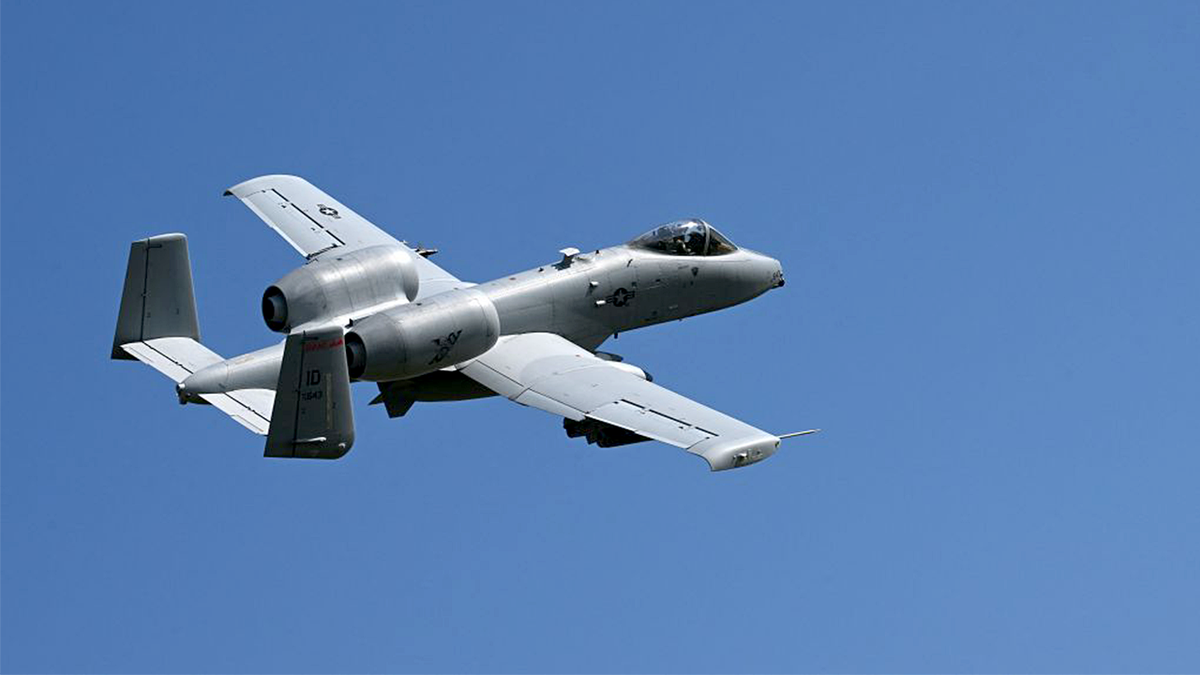
The A-10 Warthog has a new maritime role in targeting boats in the war in Iran that could extend the life of the aircraft, which the U.S. Air Force had been attempting to retire for years.

Despite the Air Force trying to phase out the A-10, Congress has resisted its efforts and blocked attempts to reduce the number of these aircraft.

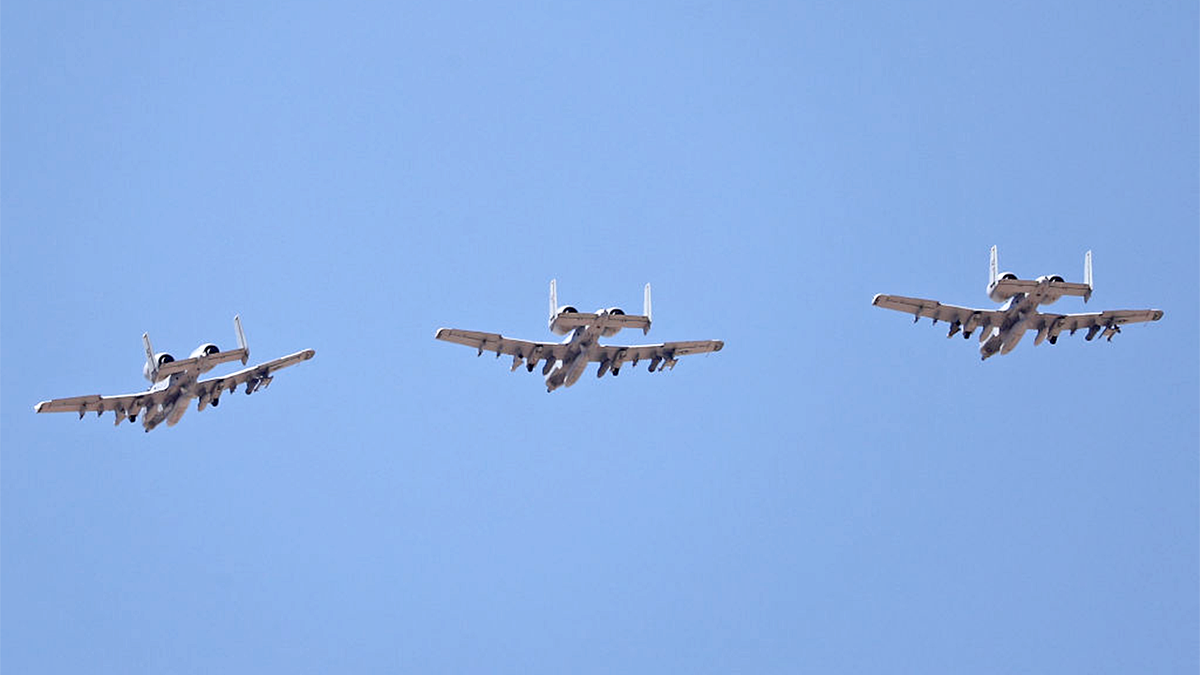
A-10s have been used in the U.S. military campaign against Iran, as the Pentagon sees a need for an aircraft that can loiter and deliver accurate fire against small boats and coastal threats.

TRUMP AGREES TO 2-WEEK CEASEFIRE IF IRAN OPENS STRAIT OF HORMUZ

A-10 Warthog given new maritime role targeting boats in Iran after efforts to retire aircraft

The A-10 Warthog has a new maritime role in targeting boats in the war in Iran. (Joan Valls/Urbanandsport/Nurphoto)

During a Pentagon briefing last month, Chairman of the Joint Chiefs of Staff Gen. Dan Caine said that A-10 aircraft were “in the fight” and operating across the southern flank of the conflict, including targeting Iranian boats in the Strait of Hormuz.

“We continue to hunt and kill mine storage facilities and naval ammunition depots. We continue to hunt and kill afloat assets, including more than 120 vessels and 44 mine layers, and the pressure will continue,” Caine said in the March 19 briefing.

“The A-10 Warthog is now in the fight across the southern flank and is hunting and killing fast attack watercraft in the Straits of Hormuz. In addition, AH-64 Apaches have joined the fight on the southern flank, and they continue to work on the southern side. And that includes some of our allies who are using Apaches to handle one-way attack drones,” he continued.

Jet flying

Despite the Air Force trying to phase out the A-10, Congress has resisted its efforts and blocked attempts to reduce the number of these aircraft. (CHRISTOF STACHE/AFP via Getty Images)

This comes as President Donald Trump has escalated threats against Iran, including its civilian infrastructure, over its blockade of the Strait of Hormuz, which has disrupted global energy shipments. However, the U.S. and Iran agreed to a temporary ceasefire on Tuesday, hours before Trump’s deadline to strike power plants and bridges unless Tehran reopened the Strait of Hormuz.

As of 2026, the Air Force has around 280 A-10 aircraft in service, and Congress required that the fleet not fall below 103 aircraft in Fiscal Year 2026 as part of the National Defense Authorization Act.

IRAN’S TALLEST BRIDGE COLLAPSES AFTER REPORTED US AIRSTRIKES, IRAN THREATENS AMERICAN ALLIES IN RETALIATION

Defense Secretary Pete Hegseth and President Donald Trump

President Donald Trump has escalated threats against Iran, including its civilian infrastructure, over its blockade of the Strait of Hormuz. (SAUL LOEB/AFP via Getty Images)

CLICK HERE TO DOWNLOAD THE FOX NEWS APP

While the A-10 is slower and less stealthy than newer aircraft, making it vulnerable in heavily contested airspace against modern integrated air defense systems, it has a long loiter time over target areas and the ability to visually identify and engage targets.

Originally designed as a Cold War-era tank killer, the A-10 is now being used in a markedly different role — targeting small, fast-moving boats and coastal threats amid the conflict with Iran. The use of the aircraft is intensifying debate over the Air Force’s decade-long effort to retire the jet, as it continues to be utilized in new missions.


Second choke point crisis looms as Houthis threaten key Red Sea shipping lane


NEWYou can now listen to Fox News articles!

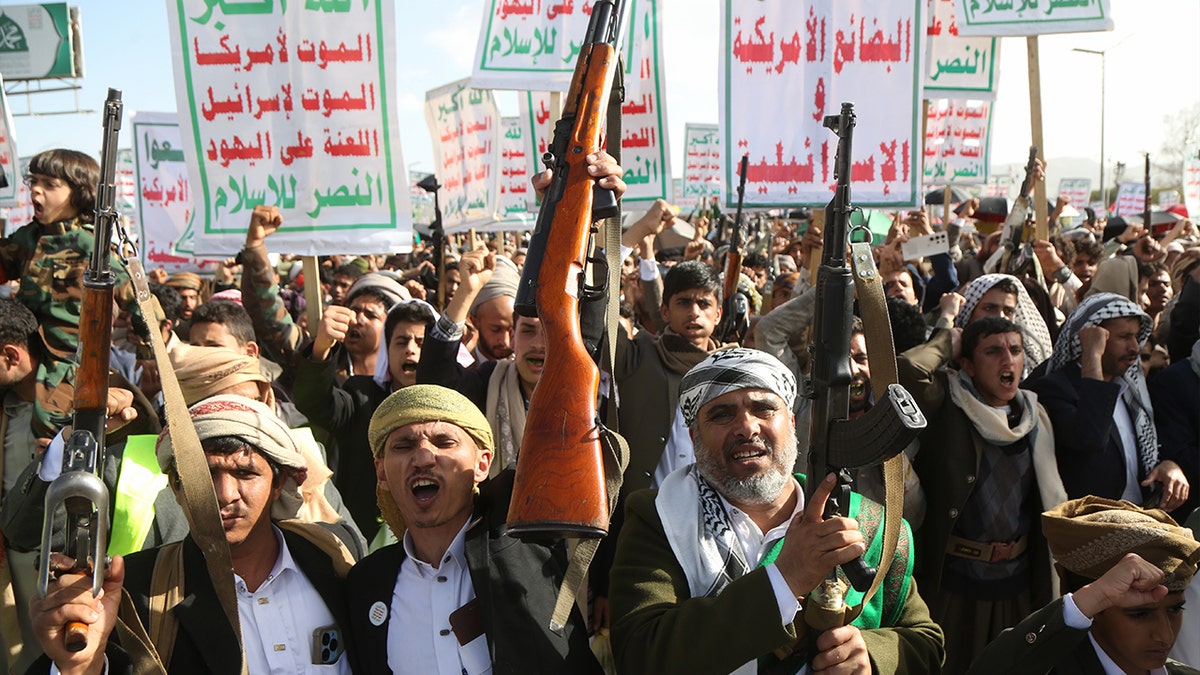
Iran-backed Houthi forces are raising the prospect of a second global shipping choke point in the Red Sea, threatening to deepen pressure on energy markets and global trade as the conflict with Iran intensifies.

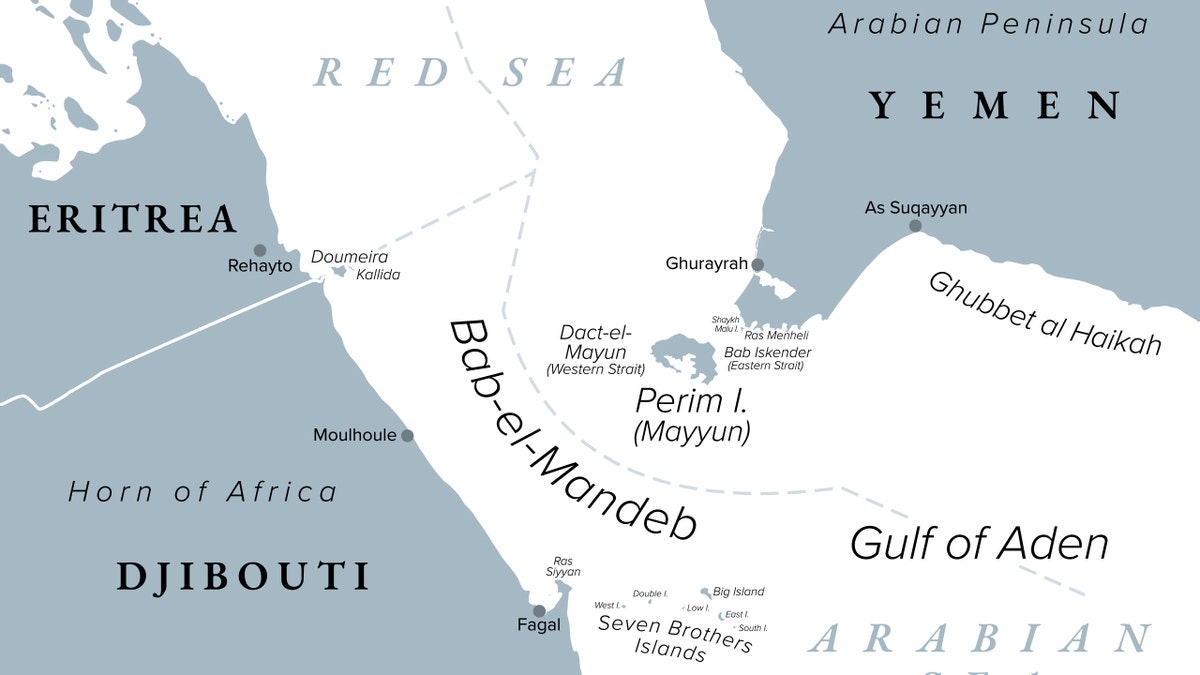
The Houthis entered the conflict in early April with missile and drone strikes on Israel and have since warned they could target shipping in the Bab al-Mandeb — a narrow corridor linking the Red Sea to the Gulf of Aden — raising concerns the war could expand beyond the Strait of Hormuz and further disrupt global trade.

Analysts warn that if Houthi forces begin targeting vessels again, it could open a second maritime front in a conflict that has already choked off traffic through the Strait of Hormuz, adding pressure to global energy markets and supply chains.

The Bab al-Mandeb is one of the world’s most critical shipping choke points, handling roughly 12% of global seaborne oil trade and serving as a key gateway for cargo moving between Europe and Asia through the Suez Canal.

Second choke point crisis looms as Houthis threaten key Red Sea shipping lane

Yemen’s Iran-backed armed Houthi group has warned they will move to shutter the Bab Al-Mandeb Strait through missile-drone attacks if Gulf nations join the U.S.–Israel war on Iran.  (Mohammed Hamoud/Getty Images)

TRUMP SEEKS WARSHIPS FROM OTHER COUNTRIES TO HELP SECURE STRAIT OF HORMUZ

The Houthis, formally known as Ansar Allah, are an Iran-backed armed group that controls much of northern Yemen and has been fighting a yearslong civil war against the country’s internationally recognized government.

Houthi leaders, in coordination with Iran, have framed the potential escalation as part of their response to U.S. and Israeli military operations against Iran and its allies, warning they could target shipping or restrict access to the Red Sea if the conflict intensifies.

Iranian official Aliakbar Velayati posted on X on Sunday: “Today, the unified command of the Resistance front views Bab al-Mandeb as it does Hormuz. If the White House dares to repeat its foolish mistakes, it will soon realize that the flow of global energy and trade can be disrupted with a single move.”

The Red Sea has taken on added importance as the conflict disrupts shipping through the Strait of Hormuz, pushing more cargo and energy flows toward alternative routes. That shift has increased reliance on the Bab al-Mandeb — a choke point that handles roughly $1 trillion in goods annually — raising the stakes of any renewed disruption.

Traffic through the Bab al-Mandeb is already running well below normal levels after earlier Houthi attacks pushed major shipping lines to reroute vessels around Africa. Ship-tracking data shows daily transits have fallen to roughly half of typical levels, underscoring that the route is already under strain even before any renewed escalation.

“It’s less about what they can actually do and more about the threat,” former Fifth Fleet commander Vice Adm. Kevin Donegan told Fox News Digital. “Once that risk is there, shipping companies decide not to take it.”

Even limited attacks or threats can drive up insurance costs and push major carriers to reroute vessels around Africa, effectively reducing traffic through the strait without a formal blockade.

The U.S. launched a major air and naval campaign in 2025 — known as Operation Rough Rider — to counter Houthi attacks on Red Sea shipping, after the group began targeting commercial vessels in opposition to Israel’s war in Gaza.

U.S. and allied forces carried out hundreds of strikes on missile launchers, drones, radar systems and other Houthi infrastructure across Yemen in an effort to restore freedom of navigation through the Red Sea.

RUSSIA, CHINA VETO UN RESOLUTION AIMED AT REOPENING STRAIT OF HORMUZ, HOURS BEFORE TRUMP DEADLINE

The campaign degraded parts of the group’s capabilities but failed to fully eliminate the threat, as shipping companies continued to avoid the route due to ongoing security risks.

Both U.S. and regional experts say the Houthis lack the capability to fully shut down the Bab al-Mandeb, but retain the ability to harass vessels with missiles, drones and small boats — tactics that have previously disrupted shipping across the Red Sea.

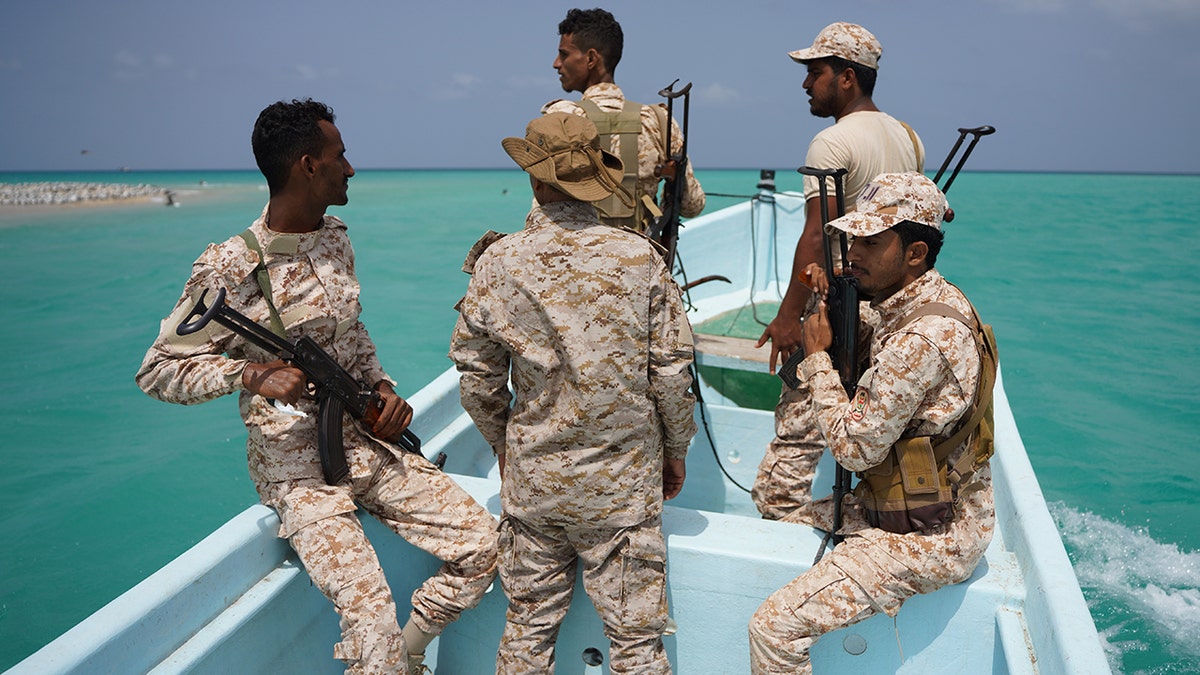
Yemeni soldiers patrolling the Bab el-Mandeb Strait in Yemen

Yemeni soldiers patrol the strategic Bab el-Mandeb Strait, Yemen, April 5, 2026. (Abdulnasser Alseddik/AP)

The Houthis field a growing arsenal of ballistic and cruise missiles, anti-ship weapons and drones, much of it derived from Iranian designs. While Iran has long supplied key components through smuggling networks, the group has also developed the ability to assemble and produce weapons inside Yemen — though analysts say those supply lines may now be constrained by the broader conflict.

“They do have the ability to pester international maritime traffic,” Middle East analyst Gregg Roman said, warning that broader attacks could trigger “a severe international response” from the U.S., Israel and Gulf allies.

So far, the Houthis have limited their involvement to strikes on Israel, avoiding the kind of sustained maritime attacks that disrupted global shipping in previous years — a sign analysts say reflects both strategic restraint and pressure from regional actors.

Bab el-Mandeb strait

The Houthis entered the conflict last week with missile and drone strikes on Israel and have since warned they could target shipping in the Bab al-Mandeb — a narrow corridor linking the Red Sea to the Gulf of Aden — raising concerns the war could expand beyond the Strait of Hormuz and further disrupt global trade. (Peter Hermes Furian/Getty Images )

Officials and analysts say Iran could still encourage the group to escalate attacks on Red Sea shipping if the conflict deepens, positioning the Houthis as a secondary pressure point in the broader war.

CLICK HERE TO DOWNLOAD THE FOX NEWS APP

That dynamic has raised concerns the conflict could evolve into a multi-chokepoint crisis, testing the ability of the U.S. and its allies to keep critical global trade routes open.

Beyond the immediate threat to shipping, Donegan warned that efforts by Iran or its proxies to influence who can safely transit key waterways could challenge long-standing norms of free passage — raising concerns about how similar tactics could play out in other global choke points.


How US used SEAL Team 6, a CIA ruse and death from above to rescue missing F-15 airman in Iran: ‘They’ve been schwackin’ dudes chasing him’


The US rescued a missing F-15E airman deep inside Iran with an incredibly complex and daring mission that involved SEAL Team 6, a CIA ruse, a hastily constructed forward air strip in hostile territory and patrols of friendly aircraft that gave the Air Force colonel cover.

A life-or-death race between US and Iranian forces to find the “seriously injured” weapons officer outside Isfahan over two days culminated in the crew member’s extraction by America’s most elite commandos and a fire fight with local militias that were hunting for him, according to a report in the New York Times.

The unnamed officer hid out in the mountains and managed to climb a 7,000-foot ridge in order to evade capture while American MQ-9 Reaper drones pounded nearby Iranian forces with missiles if they got close to his position, according to reports.

“He evaded up a 7k ridge. They’ve been schwackin’ dudes chasing him all day. Was nuts,” a source told Toby Harnden, the veteran war correspond and author.

In an effort to confuse the Iranians, who put a $60,000 bounty (more than 10 times the average household income) on the officer’s head, the CIA pulled off a diversion — planting fake intel that he had already been rescued and was being driven out of Iran, according to the Times.

US forces successfully rescued a missing F-15E airman shot down over Iran. United States Air Forces Central

The operation involved landing multiple transport aircraft inside Iranian territory just south of the city of Isfahan, some 200 miles inside the country.

Two of the aircraft — believed to be MC-130J Commando IIs, specialized, high-tech transport planes, became stuck at the forward airfield in Iran — and three more aircraft were dispatched to pick up the US forces left stranded there, according to the Times.

The two MC-130Js — each worth around $100 million — were demolished in place so as not to fall into enemy hands.

Photos from Iran show the burned out wreckage of multiple aircraft, believed to be the planes.

President Trump confirmed the successful operation. Getty Images

There were no US deaths among the rescue team, and all the commandos and the weapons officer involved returned safety, a senior US military official said.

The injured airman has been flown to Kuwait for medical treatment in a rescue plane.

On Friday, the first of the two pilots was rescued during another daring operation.

The daring raid involved hundreds of special ops forces. Nellis Air Force Base

“WE GOT HIM!” President Trump confirmed in a Truth Social post. “This brave Warrior was behind enemy lines in the treacherous mountains of Iran, being hunted down by our enemies, who were getting closer and closer by the hour.”

In a later post, he said, “this type of raid is seldom attempted because of the danger to ‘man and equipment.’”

The president said he would hold a news conference with the military at the Oval Office on Monday at 1:00 p.m. in the aftermath of the successful operation.


Trump vows US will strike Iran’s power plants, bridges if Strait of Hormuz is not reopened


NEWYou can now listen to Fox News articles!

President Donald Trump handed down a profanity-laced deadline to Iran in a social media post on Sunday, signaling the U.S. will target the regime’s power plants and bridges on Tuesday if the Strait of Hormuz is not reopened.

“Tuesday will be Power Plant Day, and Bridge Day, all wrapped up in one, in Iran,” Trump’s post read. “There will be nothing like it!!! Open the F—– Strait, you crazy bastards, or you’ll be living in Hell – JUST WATCH! Praise be to Allah.”

Trump vows US will strike Iran’s power plants, bridges if Strait of Hormuz is not reopened

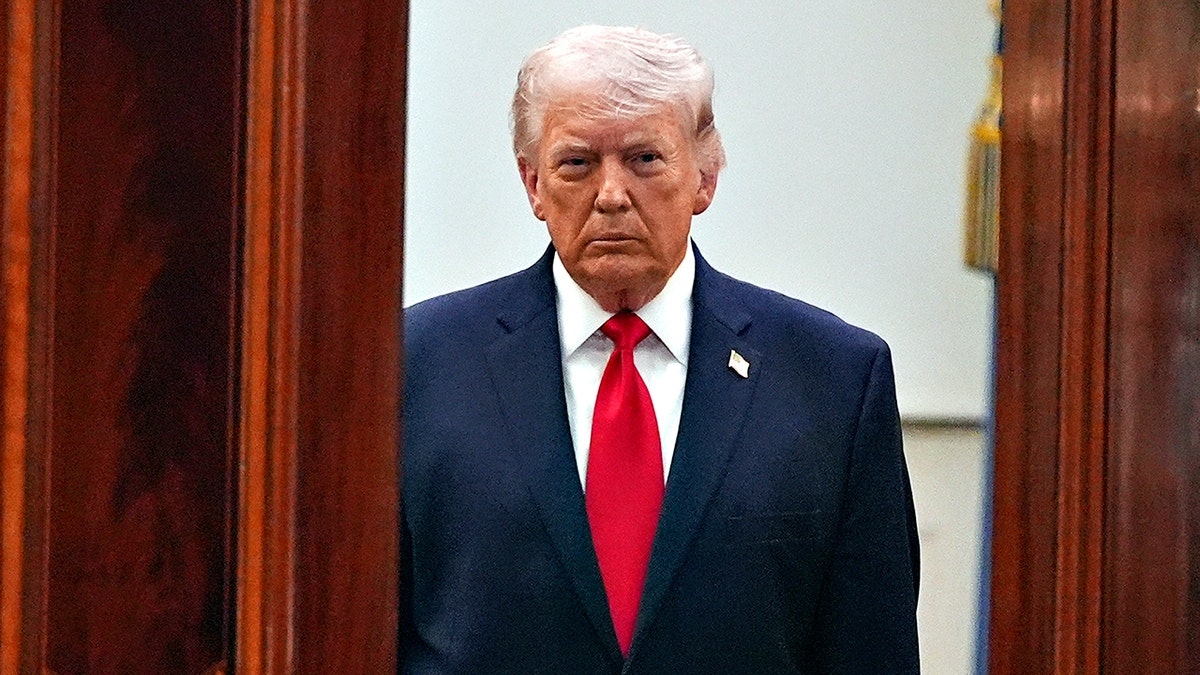
President Donald Trump arrives from the Blue Room to speak about the Iran war from the Cross Hall of the White House on Wednesday, April 1, 2026, in Washington. (AP Photo/Alex Brandon, Pool)

CLICK HERE TO DOWNLOAD THE FOX NEWS APP

This is a developing news story; check back for updates.


EV demand is getting a boost from the Iran war — just as auto giants pivot back to combustion engines


An electric vehicle (EV) is left to charge at a charging station in Tehran on February 23, 2026.

Atta Kenare | Afp | Getty Images

The sprawling Middle East crisis is expected to spur drivers to abandon traditional internal combustion engine vehicles in favor of EVs, analysts told CNBC, although early evidence suggests this will be a gradual gearshift.

The Iran war has severely disrupted oil exports through the strategically vital Strait of Hormuz, which typically carries about a fifth of the world’s oil and liquified natural gas (LNG). It has underlined the extent to which the world remains deeply reliant on fragile fossil fuel trade routes, while surging oil and gas prices have jolted energy markets and triggered widespread inflation fears.

Various car-selling platforms in the U.S. and Europe have reported a sharp increase in consumer interest for EVs since the war began in late February. The burgeoning trend comes even as a large chunk of the legacy car industry pivots back to internal combustion engine (ICE) vehicles.

Autotrader, an online vehicles marketplace, reported on March 26 a 28% jump in inquiries about buying a new EV and a 15% increase in inquiries about buying a used one, since the war in Iran started on Feb. 28. EV specialist Octopus Electric Vehicles said on March 25 it had seen EV leasing inquiries rise 36% since the start of the conflict.

But U.S. automakers Ford Motor, General Motors and Jeep owner Stellantis have all reversed course on EV strategies, booking tens of billions of dollars in combined write-offs and restructuring costs, in part due to lackluster consumer demand and shifting political landscapes.

It is indeed quite frustrating how we again talk about EVs as if we didn’t know that this is the structural measure to wean our transport system off oil.

Julia Poliscanova

senior director for vehicles and e-mobility supply chains at Transport & Environment

Steffen Michulski, senior consultant at JATO Dynamics, said that while the situation is still evolving, it was already clear that the fallout from the Iran war could influence EV demand.

Owning a battery electric vehicle (BEV) has become more compelling for drivers covering a lot of mileage, Michulski said, given that a sharp rise in oil prices has made conventional gasoline cars much more expensive.

Switching to an EV may also provide households with an extra layer of energy independence, Michulski said, although he cautioned that it would be important not to “oversimplify” the situation. He pointed out that the overall economic environment may soften if inflation and supply chain costs continue to rise, for example, with these broader pressures impacting all powertrains — electric or combustion.

EV demand is getting a boost from the Iran war — just as auto giants pivot back to combustion engines

“To shorten and summarize it: Yes, elevated oil prices and the renewed focus on energy security are likely to provide a mid term boost to BEV demand,” Michulski told CNBC by email.

“But this is best understood as an incremental shift rather than a sudden market wide acceleration. Electricity price risks, technological progress on the combustion side, and general economic uncertainty all act as counterweights,” he added.

An uptick in car shoppers considering EVs

Consumers may be more likely to consider all-electric vehicles amid higher gas prices but changing buying behaviors from traditional vehicles to EVs can be slow, according to Erin Keating, Cox Automotive’s senior director of economic and industry insights.

Cox expects gas prices will need to be inflated for six months or more for any notable increase in consumer buying habits for EVs, officials said during a call on March 25. Hurdles such as cost, charging infrastructure and range anxiety — the fear that an EV will run out of power before reaching a destination — remain, according to Keating.

Cox reports the average price for a new EV in the U.S. was $55,300 during the first quarter. That’s lower than in recent quarters but still higher than non-EV models at $48,768.

U.S. EV sales remain lower despite higher gas prices. Cox forecasts U.S. EV sales during the first quarter will be down 28% to 212,600 units.

However, electrified vehicle sales, which include EVs and hybrid vehicles, continue to increase as automakers shift their focus from EVs to hybrids, seeking a compromise to meet consumers’ expectations for fuel economy.

The GM logo on the water tank of the General Motors Ramos Arizpe assembly plant, in Ramos Arizpe, Coahuila state, Mexico, Jan. 19, 2026.

Antonio Ojeda | Reuters

Sales of electrified vehicles, led by Toyota hybrids, are expected to account for a record 26% of new vehicles sold during the first quarter, according to Cox.

Early signals from CarMax’s Edmunds.com suggest an uptick in car shoppers considering electrified vehicles amid higher gas prices.

“Fuel prices have long influenced how drivers think about their next vehicle because they are one of the most visible costs of car ownership. But whether the latest spike translates into meaningful shifts toward electrified vehicles may depend less on the price of gasoline itself and more on how long consumers expect fuel costs to remain elevated,” Edmunds said in a statement.

An even faster shift?

In Europe and Asia, the Iran war energy shock is expected to facilitate a more profound shift towards EVs than in previous fossil fuel crises.

“It is indeed quite frustrating how we again talk about EVs as if we didn’t know that this is the structural measure to wean our transport system off oil,” Julia Poliscanova, senior director for vehicles and e-mobility supply chains at the campaign group Transport & Environment, told CNBC by video call.

“I do think that this crisis might be different. In the past, there would be a crisis and then quite quickly as the crisis is over, we can go back to business as usual, and oil and gas is flowing.”

US President Donald Trump speaks with Ford executive chairman Bill Ford (L), Treasury Secretary Scott Bessent, Ford CEO Jim Farley (2nd R), and plant manager Corey Williams (R) as he tours Ford Motor Company’s River Rouge complex in Dearborn, Michigan, on January 13, 2026.

Mandel Ngan | Afp | Getty Images

Some of the reported damage to Middle East energy infrastructure, however, means it may take years for energy supplies to come back online, Poliscanova said.

An analysis published by Transport & Environment earlier this month found that electric cars were already cutting the European Union’s oil imports, noting that the nearly 8 million EVs in the EU will save the bloc around 46 million barrels of oil in 2025. That’s the equivalent of almost 3 billion euros ($3.45 billion) in avoided oil import costs.

In the context of the Middle East conflict, meanwhile, the analysis said that petrol drivers were expected to be five times more exposed to higher oil prices than EV owners.

Poliscanova said EV growth drivers in Asia, notably Vietnam, Thailand and Indonesia, which all benefit from affordable models by Chinese car manufacturers, were all likely to see an accelerated shift away from fossil fuels.

“We’re likely to see an even faster shift in some of these economies away from oil, meaning that we in Europe today, still discussing things like biofuels and hybrids, just look really stupid and detached from the reality,” Poliscanova said.

A spokesperson for the European Commission, the EU’s executive arm, declined to comment.

Choose CNBC as your preferred source on Google and never miss a moment from the most trusted name in business news.