KRICT Develops Microfluidic Chip for One-Step Detection of PFAS and Other Pollutants | Newswise


Newswise — Environmental pollutant analysis typically requires complex sample pretreatment steps such as filtration, separation, and preconcentration. When solid materials such as sand, soil, or food residues are present in water samples, analytical accuracy often decreases, and filtration can unintentionally remove trace-level target pollutants along with the solids.

To address this challenge, a joint research team led by Dr. Ju Hyeon Kim at the Korea Research Institute of Chemical Technology (KRICT), in collaboration with Professor Jae Bem You’s group at Chungnam National University, has developed a microfluidic-based analytical device that enables direct extraction and analysis of pollutants from solid-containing samples without any pretreatment.

Water, food, and environmental samples encountered in daily life may contain trace amounts of hazardous contaminants that are invisible to the naked eye. Accurate detection requires selective extraction and concentration of target analytes, a process traditionally achieved using liquid–liquid extraction (LLE). However, conventional LLE requires large volumes of solvents and is difficult to automate. Although liquid–liquid microextraction (LLME) has been introduced to overcome these limitations, its practical application has remained limited because samples containing solid particles still require a filtration step prior to extraction.

Existing analytical approaches typically follow a multistep workflow—solid removal, extraction, and analysis—which increases time and cost while reducing analytical reliability. These limitations pose significant challenges in fields closely related to public health, including environmental monitoring, drinking water safety, and pharmaceutical residue analysis.

The research team overcame these issues by designing a trap-based microfluidic device that confines a small volume of extractant droplet inside a microchamber while allowing the sample solution to flow continuously through an adjacent microchannel. This configuration enables rapid and selective mass transfer of target analytes into the extractant, while solid particles pass through the channel without interference. After extraction, the extractant droplet can be retrieved for downstream analysis.

Using this device, the researchers successfully detected perfluorooctanoic acid (PFOA), a representative per- and polyfluoroalkyl substance (PFAS) increasingly regulated due to environmental and health concerns, as well as carbamazepine (CBZ), an anticonvulsant pharmaceutical compound. Notably, CBZ was extracted directly from sand-containing slurry samples without filtration. PFOA signals were detected within five minutes, and CBZ extracted from slurry samples was clearly identified using high-performance liquid chromatography (HPLC).

The results demonstrate that the proposed microfluidic platform significantly reduces analytical steps while maintaining high reliability, highlighting its potential as a compact and automatable solution for environmental pollution monitoring, food safety inspection, and pharmaceutical and bioanalytical applications.

Dr. Kim noted that “integrating multiple pretreatment steps into a single process offers substantial advantages for on-site analysis and automated systems,” while KRICT President Young-Kuk Lee emphasized that “this technology can enhance the reliability of environmental and food safety analyses that directly impact public health.”

The study was published as a cover article in ACS Sensors (Impact Factor: 9.1; top 3.2% in JCR Analytical Chemistry) in December 2025. Dr. Ju Hyeon Kim (KRICT) and Professor Jae Bem You (Chungnam National University) served as corresponding authors, with Sung Wook Choi as the first author.

###

KRICT is a non-profit research institute funded by the Korean government. Since its foundation in 1976, KRICT has played a leading role in advancing national chemical technologies in the fields of chemistry, material science, environmental science, and chemical engineering. Now, KRICT is moving forward to become a globally leading research institute tackling the most challenging issues in the field of Chemistry and Engineering and will continue to fulfill its role in developing chemical technologies that benefit the entire world and contribute to maintaining a healthy planet. More detailed information on KRICT can be found at https://www.krict.re.kr/eng/

The research was supported by the KRICT Core Research Program, the National Research Foundation of Korea, and the Korea–Switzerland Innovation Program.



Infrared Spectroscopy Sheds New Light on the Future of Protonic Ceramic Cells | Newswise


Newswise — With the global shift toward renewable energy, solid oxide–based electrochemical devices have become essential for hydrogen production, energy storage, and fuel-to-electricity conversion. Traditional oxygen-ion–conducting cells require high operating temperatures, creating cost, durability, and material compatibility challenges. Protonic ceramic cells (PCCs) offer an alternative, operating efficiently at 300–600 °C and allowing the use of cheaper components, improved thermal cycling, and enhanced stability. Despite rapid progress in materials engineering, the fundamental mechanisms governing hydration, proton conduction, and electrode reactions remain insufficiently understood. These gaps hinder rational catalyst design and slow the translation of new materials into practical PCC devices. Based on these challenges, there is a critical need to deeply investigate proton behavior, interfacial chemistry, and catalytic mechanisms.

Researchers from Idaho National Laboratory and collaborating universities published (DOI: 10.1016/j.esci.2025.100437) a comprehensive review on August 2025, in eScience, detailing how diffuse reflectance infrared Fourier transform spectroscopy (DRIFTS) is transforming protonic ceramic cell research. The article summarizes recent breakthroughs in applying DRIFTS to oxygen electrodes, proton-conducting electrolytes, and hydrogen electrodes under realistic operating conditions. By capturing surface intermediates and hydration signatures, the review highlights DRIFTS as an essential technique for understanding reaction pathways, improving proton uptake, and guiding next-generation materials design for high-performance PCC systems. This platform was recently reported in a research article by the same group in Energy Environmental Science, providing the substantial evidence on how it is powerful in electrochemical system at elevated temperatures, specifically for PCC.

The review outlines how DRIFTS enables direct observation of surface species and dynamic reactions across PCC components. For oxygen electrodes, DRIFTS detects hydroxyl stretching bands associated with proton uptake, providing insights into triple-conducting materials such as PrNi₀.₅Co₀.₅O₃–δ, PrBaCo₂O₅+δ, and high-entropy perovskites. Doping-induced enhancements—such as Zn-stabilized hydration sites or Cs-driven oxygen vacancy formation—are revealed through stronger –OH peaks and temperature-dependent hydration behavior. DRIFTS also verifies steam-induced structural transformations, including monoclinic-to-cubic transitions and the emergence of multi-phase composites that improve catalytic performance.

For protonic electrolytes, DRIFTS distinguishes Zr–OH–Zr and Zr–OH–X environments, enabling researchers to identify proton trapping, dehydration kinetics, and dopant-dependent hydrogen-bonding effects in materials like Sc- and Y-doped BaZrO₃. The technique further detects carbonate residues that impair sintering, guiding optimized fabrication routes.

In catalytic applications, DRIFTS captures intermediates during CO₂ hydrogenation, methane reforming, and chemical-fuel co-conversion, identifying formates, carbonates, and CO adsorption species crucial to mechanistic understanding. Emerging operando DRIFTS configurations with applied voltage demonstrate the movement of surface protons during real electrochemical reactions, validating proton migration and reaction coupling at electrode interfaces. Collectively, the review shows how DRIFTS bridges fundamental chemistry with practical PCC engineering.

According to the authors, DRIFTS provides a uniquely powerful lens for understanding how PCC materials behave under realistic conditions. They emphasize that the ability to monitor hydration, proton uptake, and catalytic intermediates in real time offers insights unavailable from traditional characterization tools. The authors note that integrating DRIFTS with complementary methods—such as synchrotron-based IR, X-ray spectroscopy, and computational modeling—will further expand its impact. They conclude that establishing operando DRIFTS systems capable of applying electrical load represents a critical next step for unraveling the complex, surface-driven processes that dictate PCC performance.

The review underscores that advancing DRIFTS techniques will accelerate the rational design of PCC materials for clean-energy technologies. Improved understanding of hydration behavior and proton migration can guide the development of durable oxygen electrodes, CO₂-tolerant electrolytes, and carbon-resistant hydrogen electrodes. Insights into reaction intermediates also support catalyst optimization for hydrogen production, CO₂ reduction, methane reforming, and value-added chemical synthesis. As energy systems evolve toward efficiency and sustainability, DRIFTS-enabled mechanistic knowledge will help bridge laboratory discoveries and scalable PCC devices. Ultimately, the authors note that expanding operando DRIFTS capabilities will be essential for building the next generation of robust, high-performance ceramic energy systems.

###

References

DOI

10.1016/j.esci.2025.100437

Original Source URL

https://doi.org/10.1016/j.esci.2025.100437

Funding information

This work is supported by the HydroGEN Advanced Water Splitting Materials Consortium, established as part of the Energy Materials Network under the U.S. Department of Energy (USDOE); the Office of Energy Efficiency and Renewable Energy (EERE); and the Hydrogen and Fuel Cell Technologies Office (HFTO), under DOE Idaho Operations Office, under contract no. DE-AC07-05ID14517.

About eScience

eScience – a Diamond Open Access journal cooperated with KeAi and published online at ScienceDirect. eScience is founded by Nankai University (China) in 2021 and aims to publish high quality academic papers on the latest and finest scientific and technological research in interdisciplinary fields related to energy, electrochemistry, electronics, and environment. eScience provides insights, innovation and imagination for these fields by built consecutive discovery and invention. Now eScience has been indexed by SCIE, CAS, Scopus and DOAJ. Its impact factor is 36.6, which is ranked first in the field of electrochemistry.


Nuclear Waste Transformed: PNNL Scientists Solidify History With Glass


Newswise — RICHLAND, Wash.—In a historic event decades in the making, the Hanford Site recently began immobilizing low-activity, radioactive waste by converting it into glass: a process known as vitrification. The event marked the successful start-up of Hanford’s Waste Treatment and Immobilization Plant, or “Vit Plant,” which will render millions of gallons of waste—generated by plutonium production during the Manhattan Project and Cold War—into glass for safe storage for thousands of years. The milestone also represents nearly 60 years of scientific contributions made by scientists and engineers at the Department of Energy’s Pacific Northwest National Laboratory.

“PNNL is proud to have played a pivotal role in advancing modern vitrification technology,” said Deb Gracio, PNNL director. “This milestone underscores the importance of innovation, collaboration, and scientific excellence in solving some of the world’s most pressing problems. It wouldn’t have been possible without a strong partnership among PNNL, DOE’s Hanford Field Office, Bechtel National Inc., the Office of Environmental Management, Hanford Tank Waste Operations & Closure, and of course our local community and stakeholders.”

Persistent and intense efforts by PNNL researchers—chemical engineers, computational scientists, materials scientists and chemists, among others—have advanced the science of vitrification since the 1960s, making this pursuit of materials science a defining element of PNNL’s history and impact. Not only have their innovations and collaborations with staff at the Vit Plant led to this historic achievement—their work has also informed vitrification operations around the world.

Birthplace of the melter

In the 1960s, researchers at PNNL engineered a technology that even today is among the most widely used tools for nuclear waste vitrification: the liquid-fed ceramic melter, which can be found amid vitrification operations on nearly every continent. Inside a melter, where temperatures can reach 2,100°F, low-activity waste is immobilized after being mixed with glass-forming chemicals—using formulas determined by a PNNL algorithm—then fed on top of a pool of molten glass. After the mixture is efficiently converted into glass, it is poured into containers and cooled to yield solid glass with radionuclides “locked” into the atomic structure of the glass. Simple at its core, carrying this process out in the real world can be anything but.

Each of the Hanford Site’s 177 one-million-gallon-capacity tanks contained a chemically unique and nonuniform waste. The composition of these wastes dictates both the behavior of the waste and which glass-forming chemicals are needed to make an acceptable glass. The “right” glass must not only incorporate and immobilize as much waste as possible—it also needs to be durable and avoid pitfalls like being difficult to transport through the plant, producing gas products in quantities that are challenging to treat or damaging to the plant’s infrastructure. Historically, designing a glass that strikes a balance among these goals meant spending a great deal of time fine-tuning the recipes.

For years, this process was carried out in a methodical, back-and-forth approach between glass design and performance testing. Scientists would consider the composition of a target waste, design a type of glass for the task, test its properties and adjust its composition until successful. In most facilities, this process can take months or even years.

“For the Vit Plant here in the Tri-Cities to operate successfully, we had to make it so that process happened on the order of minutes,” said John Vienna, PNNL materials scientist and lab fellow.

The challenge of vitrifying Hanford Site waste is made profoundly more challenging by the waste’s chemical complexity, according to Vienna, who has led a wide variety of research efforts in waste management, including the design of glasses used at the Hanford Site today. The Hanford Site’s waste is not only the most complex waste in the world but also the largest quantity ever to be targeted for vitrification.

From conventional to computational

Vienna, alongside his fellow scientists and colleagues from the Waste Treatment and Immobilization Plant with support from DOE glass scientist Albert Kruger and the Hanford Field Office, helped to solve the timeline challenge by innovating an entirely new approach to glass design. Instead of relying on the conventional approach carried out in a laboratory, they created a computational approach that utilizes modeling. Computer models are trained on hundreds of historical testing results and then prompted to make predictions by taking in the chemical makeup of waste to generate corresponding “recipes” that yield processable, economic and incredibly long-lasting glass.

Incorporating a partially computational approach has saved many years of effort and many millions of dollars for vitrification operations like those underway at DOE’s Savannah River Site in South Carolina. In the desert of southeastern Washington state, pretreated waste arrives at the beginning of the vitrification process in roughly 9,000-gallon batches. The waste is analyzed, and that information is fed into an algorithm that generates the corresponding glass design.

By comparison, a similar traditional approach was used at New York’s West Valley Demonstration Project site in the late 1990s, where glass design took roughly a decade. At the Hanford Site, this process now takes less than 120 minutes, and PNNL’s glass algorithm app is getting faster with each update.

Many current and former staff at PNNL have contributed to the design of the melters and other key equipment at the Vit Plant. The submerged bed scrubber, the air displacement slurry pump and melter technologies were all initiated and developed at PNNL. Will Eaton, a melter specialist, led portions of the Vit Plant melter designs and continues to lead research to improve melter materials and optimize melter processing. These innovations, along with PNNL contributions to designs led by other Vit Plant partners, make it possible for each melter to produce up to 15 metric tons of glass per day when operating at full capacity.

“PNNL has been an integral part of the Hanford Waste Treatment and Immobilization Plant. They have assisted in solving technical challenges and developed the vitrification glass recipes that are currently being processed in the Low-Activity Waste Facility,” said Chris Musick, general manager of the Bechtel-led Waste Treatment Completion Company LLC. “We look forward to growing our partnership with PNNL in the future as we move forward with treating tank waste and completing the high-level waste scope.”

The next generation

Today, PNNL scientists continue to support Hanford’s Waste Treatment and Immobilization Plant by analyzing pretreated and vitrified waste, as well as providing fast answers during the facility’s start-up. Seeing the first vitrified waste marked an especially satisfying career moment, said materials scientist José Marcial.

“It’s extremely exciting,” said Marcial, whose scientific career began with a vitrification-focused internship at PNNL as a high school student while studying at Kiona-Benton City High School then Columbia Basin College. “This shows that this isn’t just an academic exercise. It’s all of our effort being put to real use to benefit the country and our community. It’s truly an amazing time to be a part of this work.”

Similarly, Vienna, a mentor to Marcial, is enjoying the chance to witness the culmination of scientific effort spanning dozens of careers and thousands of scientific manuscripts and reports. “We’ve got three generations of researchers that have dedicated their careers to Hanford tank waste,” said Vienna. “Since the 1960s, there has always been a vitrification presence here at PNNL.”

Though vitrification at Hanford has begun, the work is far from over. Marcial and others are now focused on continuing near- and long-term support for the Waste Treatment and Immobilization Plant by contributing to improvements in overall efficiency, fine-tuning the glass algorithm performance and being part of the team addressing any emerging operational challenges. Additional PNNL researchers are applying their expertise to the broader cleanup mission, including grout waste form development, tank waste treatment, tank waste solids, the high-level waste facility and environmental remediation of subsurface soil and groundwater. As they look toward the future, Marcial looks toward the next generation of scientists.

“For me, it was an internship that helped me discover my passion and pursue a career that’s both rewarding and beneficial to my local community,” said Marcial. “I grew up here in the Tri-Cities, and at first my parents didn’t know anything about the work that PNNL does. They just knew I wanted to pursue a career in science, so they helped me accomplish that, and I want to do the same for others. I think it’s important to always bring up the next generation of scientists so they, too, can help to solve challenges for the benefit of the country.”

###

About PNNL

Pacific Northwest National Laboratory draws on its distinguishing strengths in chemistry, Earth sciences, biology and data science to advance scientific knowledge and address challenges in energy resiliency and national security. Founded in 1965, PNNL is operated by Battelle and supported by the Office of Science of the U.S. Department of Energy. The Office of Science is the single largest supporter of basic research in the physical sciences in the United States and is working to address some of the most pressing challenges of our time. For more information, visit the DOE Office of Science website. For more information on PNNL, visit PNNL’s News Center. Follow us on TwitterFacebookLinkedIn and Instagram.


Changing the Playing Field in Nickel Catalysis | Newswise


BYLINE: Tracy Crane, Department of Chemistry

Newswise — Researchers at the University of Illinois Urbana-Champaign have reported a breakthrough in nickel catalysis that harnesses a rare oxidation state of nickel that has proved challenging to control yet is highly valued for its potential to facilitate important chemical reactions.

The researchers, led by Liviu Mirica, a professor of chemistry at Illinois, explain in a recently published paper in Nature Catalysis how they have overcome a long-standing challenge in the field of nickel catalysis by developing a new method for synthesizing thermally stable Ni(I) compounds that opens new avenues for building complex molecules.

“We have developed shelf-stable Ni(I) compounds that could dramatically change the playing field of nickel catalysis. And that’s why we have an international patent for it, and we’re working with pharmaceutical companies and chemical vendors who want to license it,” Mirica said.

Nickel-catalyzed cross-coupling reactions are widely used to form carbon–carbon and carbon–heteroatom bonds, essential steps in producing pharmaceuticals, agrochemicals, and advanced materials. Traditionally, these reactions rely on two forms of nickel – Ni(0) or Ni(II) – as catalysts. Catalytically competent Ni(I) sources have remained elusive, but attractive.

“This form of nickel is highly desirable partly because it may open up new avenues of reactivity that have remained elusive with traditional sources of nickel,” said Sagnik Chakrabarti, co-author and former graduate student in the Mirica group who worked on the project with graduate students Jubyeong Chae and Katy A. Knecht.

Mirica said previous approaches by chemists have used specialized ligands that limit the generality of Ni(I) in a reaction the way one would use Ni(II) or Ni(0) sources. By tapping into the unique properties of organic compounds called isocyanides, the Mirica group has developed a simple system that gets the chemistry to work.

In their study, they demonstrated how the commercially available isocyanides function as simple supporting ligands, which connect to the nickel atom and form stable, powerful catalysts that can be used to snap molecular pieces together with exceptional speed and precision, opening an untapped chemical space for reaction discovery.

Their Ni(I) complexes are readily available, shelf-stable, easily prepared, and easily handled catalysts that are efficient for a wide variety of chemical reactions. This is unique because most Ni(I) complexes tend to be rather unstable, which has limited their use in catalytic settings.

“We were able to put Ni(I), ‘nickel one’, in a bottle so people can use it on a wider scale for various synthetic applications,” Mirica said.

In the study, the researchers demonstrate that these new catalysts work in several of the most important reactions used to make pharmaceuticals, electronics, advanced materials, and more. They report the synthesis, characterization, and catalytic activity of two classes of Ni(I) isocyanide complexes: coordinatively saturated homoleptic compounds and coordinatively unsaturated Ni(I)-halide compounds. One is slightly more reactive than the other.

Their complexes exhibit rapid ligand substitution and demonstrate exceptional performance in Kumada, Suzuki–Miyaura, and Buchwald–Hartwig cross-coupling reactions, according to the study, and notably, they exhibit chemo-selectivity, displaying their versatility.

According to Mirica and Chakrabarti this new class of catalysts could be a game changer in nickel catalysis. Chakrabarti said there could be new reactions that could be discovered by directly introducing Ni(I) into reactions.

“And in fact, in the paper, we do talk about a new class of reactions that we developed and that has not been achieved with Ni catalysts before,” he said. “It’s just a snippet of reactivity, not like a full vignette in itself, but it still shows that by synthesizing something that’s different from what’s out there, we can maybe coax unique reactivity.”

The research team also found that a tiny amount goes a long way. 

“The interesting thing that we found is that we can use very, very tiny amounts of the nickel catalyst, which is unusual in Ni catalysis, which typically needs higher amounts of the catalyst,” Mirica said.

The study also highlights the structural diversity of isocyanides and their potential as spectator ligands for reaction discovery. Their study showed that this chemistry is not limited to just the one class of isocyanide they used, the tert-butyl isocyanide, but it’s broadly applicable to other classes of isocyanides as well.

“So, the generality in using a bunch of different isocyanides bodes well for the future development of this chemistry,” Chakrabarti said.

Future work in the Mirica group will explore the fundamental structure and bonding of these unusually stable compounds, their new reactivity, and the differences in reactivity between alkyl and aryl isocyanide-supported complexes, which, according to their study, exhibit divergent catalytic behavior.

Original release:


HKIAS Annual General Meeting 2025: Commemorating a Decade of Excellence and Embracing Future Endeavors | Newswise


Newswise — The Hong Kong Institute for Advanced Study (HKIAS) hosted its Annual General Meeting (AGM) on October 15, 2025, gathering Senior Fellows from across the globe to mark the Institute’s 10th anniversary and engage in discussions centered on strategic advancements in research and international collaboration. Under the leadership of Chairman Professor Serge Haroche, the meeting commenced with a heart-warming welcome to the new appointed HKIAS Senior Fellows: Professor Françoise Combes, Professor Étienne Ghys, Professor Dame Madeleine Atkins, Professor Alessio Figalli and Professor Sylvie Méléard. The Executive Director, Professor Shuk Han Cheng, presented a comprehensive review of the recent initiatives undertaken by City University of Hong Kong (CityUHK) and HKIAS, highlighting current news, activities, collaborative interactions with faculty members between CityUHK and the home institutions of our Senior Fellows and the significant achievements of Senior Fellows to underscore a decade of excellence.

As a key component of the HKIAS 10th anniversary celebration activities, HKIAS organised a series of distinguished lectures and round table discussion. These activities, which showcased the cutting-edge research contributions of our Senior Fellows across multitude of disciplines, were supported partially by the Kwang Hua Educational Foundation. Their reception among students and faculty at CityUHK and various academic institutions across Hong Kong highlighted a profound interest and active engagement within the academic community. 

13 October: Professor Serge Haroche, an esteemed Nobel laureate in Physics, unveiled the intricacies of laser and quantum physics. On the same day, Professor Pierre-Louis Lions, the 1994 recipient of the Fields Medal, engaged the audience with a discourse on the intersection of mathematics and artificial intelligence (AI).

14 October: Professor George Fu Gao, a world-renowned virologist, delivered an insightful lecture on AI-empowered vaccine and antibody development. Additionally, Professor Mu-ming Poo, a distinguished figure in neuroscience and brain-inspired technology illuminated the audience on brain science and its implications for AI development.

15 October: Professor Dame Madeleine Atkins, President Emeritus of Lucy Cavendish College at the University of Cambridge, led a Round Table Discussion on Additional Models of Research Grant Funding, with Mr David Foster, Executive Director of the Croucher Foundation, as the online guest speaker.

Throughout the AGM week, interdisciplinary meetings and networking events were integral to fostering mentorship opportunities and collaboration among HKIAS Senior Fellows, CityU Faculty members, emerging researchers and students from various disciplines.

These events reaffirmed HKIAS’s unwavering commitment to fostering global collaboration and scientific excellence over the past decade. As the Institute celebrated its 10th anniversary, we look forward to organizing further initiatives that will enhance the international profile of the science and engineering community at CityUHK and explore new frontiers in research and collaboration.

For more details on the celebration events, please visit HKIAS past events.


Advancing education and discovery, Don and Linda Brodie endow WVU Eberly College deanship with $5M gift | Newswise


Newswise — West Virginia University empowered budding innovator Don Brodie to succeed by nurturing his passion for science and sense of curiosity. More than 50 years later, Brodie and his wife, Linda, are enriching academics, research and more to help future generations excel with a $5 million gift to strengthen leadership at the WVU Eberly College of Arts and Sciences.

The couple’s gift, made through their family foundation, establishes the Linda and Don Brodie Deanship at the WVU Eberly College. The associated endowment provides broad support to advance the mission of the University’s largest academic unit, which serves more than 5,000 students across over 60 undergraduate and graduate programs. 

“From literature and the humanities to mathematics, natural sciences, and social and behavioral sciences, the reach of the WVU Eberly College is wide,” WVU President Michael T. Benson said. “This gift is an investment in the future of the University’s largest College, which serves as a launch point for students of all interests and majors, and we thank Linda and Don Brodie for their incredible show of support for WVU.”

The Brodie gift comes as WVU seeks a new leader to guide the Eberly College. Longtime Dean Gregory Dunaway will conclude 10 years at the College’s helm on June 30, although he will remain a faculty member.

Greenwood Asher & Associates is leading the national search for the next Eberly College dean.

“Education is the most powerful investment we can make in the future,” Don and Linda Brodie said. “Our hope is that this deanship strengthens leadership, inspires discovery and opens doors for students to reach their full potential.”

Eberly programs span diverse disciplines including chemistry, which sparked Don’s scientific interest.

A native of Philadelphia, Brodie was drawn to WVU by affordable out-of-state tuition and initially chose chemistry because the registration line was short. He said he appreciates the education he received from his professors, who encouraged his innovative mind and laid the groundwork for a career rooted in chemistry. He graduated with his bachelor’s degree in 1969.

Brodie worked as a chemist and sales associate in the Philadelphia area through the 1970s. After he met and married Linda, they were inspired by their entrepreneurial parents to start a business.

With Linda’s support, Don partnered with his brother, Steve, to launch the Purolite Company from the couple’s basement in 1981. Over the next 40 years, the family-owned business grew into a global manufacturer of pharmaceutical and bioprocessing production products, industrial water treatment, chemical and refining for food processing, metals extraction, finishing and electroplating, and products used for nuclear power generation.

Brodie’s leadership as co-founder of Purolite contributed to the development of cost-effective ways to manufacture products for a cleaner environment, as well as groundbreaking innovations in medical treatment.

Linda Brodie played a pivotal role during Purolite’s formative years, applying her experience managing a law firm to lay the foundation for administration and finance operations. As the company grew, she continued to provide critical support, guidance and leadership.

The Brodies have amplified their impact in recent years through philanthropy. They established the Don and Linda Brodie Family Foundation to support the communities in which they live and create opportunities through education. Their giving is driven by their Jewish faith and shared values, anchored by strong beliefs in tradition, responsibility and integrity.

Their generous support for WVU includes two funds established within the Eberly College to support chemistry students and faculty pursuing research and discovery with the potential for commercialization.

“The Eberly College has been so fortunate to benefit from the generosity of Linda and Don Brodie,” Dunaway said. “They have made so many investments in the College to ensure opportunity and success for our students and faculty. This extraordinary gift reflects Don and Linda’s deep belief in Eberly and their desire to help the College thrive well into the future. It strengthens the foundation of the Eberly community to reach new heights in academic excellence, innovation and opportunities for those inside and outside of WVU.”

Don Brodie has also shared his time with WVU, serving as chair of the Eberly Advisory Committee and assisting with development efforts. He was inducted into the Academy of Distinguished Alumni in 2012 and selected last year to receive an honorary Doctor of Science degree from the Eberly College.

Don and Linda reside in Boca Raton, Florida. They are deeply devoted to their family, including their three adult children and five grandchildren.

The Brodie gift was made through the WVU Foundation, the nonprofit organization that receives and administers private donations on behalf of the University.


Why Ozone Persists: The Invisible Chemistry Behind Clean Air | Newswise


Newswise — Ground-level ozone is a major air pollutant that threatens human health, ecosystems, and climate stability. Despite aggressive reductions in nitrogen oxides and primary volatile organic compounds, ozone levels continue to exceed air quality standards in many regions. This paradox reflects the complex and nonlinear nature of atmospheric photochemistry, where reactive radicals control ozone formation. Oxygenated volatile organic compounds (OVOCs) are key intermediates in this process, acting as both sources and sinks of radicals. However, most previous studies have measured only a small subset of OVOCs, leaving major uncertainties in radical budgets. Based on these challenges, there is a critical need to systematically investigate how a broader spectrum of OVOCs drives radical cycling and ozone formation.

In a study published (DOI: 10.1016/j.ese.2026.100659) in January 2026 in Environmental Science and Ecotechnology, researchers from the Southern University of Science and Technology, The Hong Kong Polytechnic University, Hong Kong Baptist University, Beijing University of Chemical Technology, and the University of Helsinki investigated how oxygenated volatile organic compounds shape atmospheric chemistry in background air over southern China. Combining intensive field observations with photochemical box modeling, the team examined the role of OVOCs in radical cycling and ozone formation. Their results show that commonly used models relying on limited OVOC measurements substantially misrepresent radical budgets and ozone production under real atmospheric conditions.

The study combined high-resolution field measurements with a detailed photochemical box model to quantify the role of OVOCs in atmospheric radical chemistry. When models were constrained using only three commonly measured OVOCs, simulated hydroxyl radical levels were overestimated by up to 100 percent. By contrast, including measurements of 23 OVOCs brought simulations into close agreement with observations.

The analysis revealed that OVOC photolysis contributed approximately 49–61 percent of total radical production, making it the dominant radical source in background air. Surprisingly, several OVOCs present at relatively low concentrations accounted for a disproportionate share of radical generation. Errors in simulating these compounds caused cascading biases in radical budgets, altering ozone formation pathways.

The study further showed that traditional chemical mechanisms systematically overestimate some OVOCs while underestimating others, masking offsetting errors that appear acceptable when only limited measurements are used. These hidden inaccuracies significantly affect predictions of ozone production rates and sensitivity regimes. Overall, the findings demonstrate that a narrow observational focus can lead to misleading conclusions about the drivers of ozone pollution.

“This work shows that what we don’t measure can matter more than what we do,” said one of the study’s senior authors. “OVOCs have often been treated as secondary products, but our results demonstrate that they are central to controlling radical chemistry and ozone formation. Without comprehensive OVOC observations, models may appear accurate while fundamentally misrepresenting atmospheric processes. Expanding OVOC measurements is therefore essential for designing effective air quality management strategies in regions struggling with persistent ozone pollution.”

These findings have important implications for air pollution control and atmospheric modeling worldwide. Strategies focused solely on reducing traditional ozone precursors may fail if OVOC-driven radical chemistry is ignored. Incorporating comprehensive OVOC measurements can improve model accuracy, guide emission control priorities, and help policymakers identify more effective mitigation pathways. The study also highlights the need to update chemical mechanisms and expand monitoring networks to include reactive OVOC intermediates. Ultimately, recognizing the hidden role of OVOCs may be key to resolving the long-standing challenge of persistent surface ozone pollution in both developing and industrialized regions.

###

References

DOI

10.1016/j.ese.2026.100659

Original Source URL

https://doi.org/10.1016/j.ese.2026.100659

Funding information

This research was funded by the Hong Kong Research Grants Council via Theme-Based Research Scheme (T24-504/17-N) and General Research Fund (HKBU 15219621), the National Natural Science Foundation of China (42325504), the National Key Research and Development Program of China (2023YFC3706205), and the Shenzhen Science and Technology Program (JCYJ20220818100611024).

About Environmental Science and Ecotechnology

Environmental Science and Ecotechnology (ISSN 2666-4984) is an international, peer-reviewed, and open-access journal published by Elsevier. The journal publishes significant views and research across the full spectrum of ecology and environmental sciences, such as climate change, sustainability, biodiversity conservation, environment & health, green catalysis/processing for pollution control, and AI-driven environmental engineering. The latest impact factor of ESE is 14.3, according to the Journal Citation ReportsTM 2024.


New Computer Simulation Could Light the Way to Safer Cannabinoid-Based Pharmaceuticals | Newswise


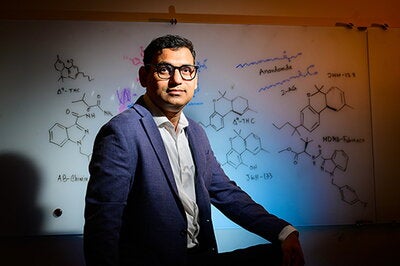
Newswise — New psychoactive substances, originally developed as potential analgesics but abandoned due to adverse side effects, may still have pharmaceutical value if researchers could nail down the causes of those side effects. A new study from the University of Illinois Urbana-Champaign used deep learning and large-scale computer simulations to identify structural differences in synthetic cannabinoid molecules that cause them to bind to human brain receptors differently from classical cannabinoids.

“The largest class of NPS are often sold as the street drugs Fubinaca, Chimica and Pinaca,” said chemical and biomolecular engineering professor Diwakar Shukla. “In addition to the adverse side effects, the formulas used to produce NPS vary, making them challenging to detect in standard drug screenings.”

New psychoactive substances are synthetic compounds; one class mimics the effects of classical cannabinoids. However, the study found that NPS tend to activate distinct signaling pathways in the human brain compared to classical cannabinoids. Specifically, they often trigger what’s called the “beta arrestin pathway” rather than the “G protein pathway.” This switch in signaling can lead to more severe psychological effects.

The study’s findings are published in the journal eLife.

“New psychoactive substances bind very strongly to cannabinoid receptors in the brain and are slow to unbind, making them difficult to observe and simulate in standard laboratory or computer experiments,” Shukla said. “It can take a huge amount of computer time to see these rare binding and unbinding events.”

In the lab, graduate student Soumajit Dutta used a new simulation approach, the Transition-Based Reweighting Method, to estimate the thermodynamics and kinetics of slow molecular processes. The team found that TRAM can also be used to observe the rare, slow molecular processes involved in the unbinding of NPS from cannabinoid receptors — by efficiently sampling these events that would otherwise require massive computing resources.

The researchers also used the Folding@Home platform, which enables millions of volunteers worldwide to donate computing power. This approach allowed the team to run many simulations in parallel, stitching the results together and using algorithms to decide which simulations to run next. It allows for the study of very long or rare events that would be nearly impossible with a single computer or a small cluster.

Together, these methods allowed the researchers to uncover new physical insights into how NPS interact with receptors — insights that were previously out of reach due to computational limitations — pointing the way toward the design of safer cannabinoid-based drugs that could avoid harmful side effects.

By revealing the NPS signal via pathways associated with more adverse effects, researchers can now focus on designing new molecules that avoid triggering these pathways for medical use. Shukla said their findings could direct more researchers to aim for compounds that bind less tightly or unbind more readily, potentially reducing the drugs’ harm.

The National Institutes of Health award R35GM-142745 and the National Science Foundation supported this research. Shukla is also affiliated with chemistry, bioengineering, the National Center for Supercomputing Applications, the Center for Digital Agriculture and the Carl R. Woese Institute for Genomic Biology.

Original release:


FSU Researchers Develop New Materials for Next-Generation X-Ray Technologies | Newswise


Newswise — In medicine, security, nuclear safety and scientific research, X-rays are essential tools for seeing what remains hidden.

The materials used to create X-ray detectors can be rigid, expensive and laborious to produce. But new research led by FSU Department of Chemistry and Biochemistry Professor Biwu Ma is creating lower-cost, adaptable materials that could revolutionize X-ray detection technologies.

In two separate research studies, Ma’s group offers solutions to long-standing challenges in X-ray imaging. In the first study, published in Small, the team developed a new material that generates electric signals when exposed to X-rays, enabling direct X-ray detection. In the second study, published in Angewandte Chemie, the researchers used a related material to produce low-cost scintillators, which are materials that emit visible light when exposed to X-rays or other high-energy radiation.

“We have traditionally relied on inorganic materials for X-ray detection, but they are often rigid, expensive to manufacture and energy-intensive to produce, and they have many limitations,” Ma said. “What we have been trying to develop is a new class of materials that can address the issues and challenges faced by existing materials.”

In these studies, researchers created new hybrid materials composed of both organic and inorganic components, known as organic metal halide complexes (OMHCs) and organic metal halide hybrids (OMHHs). By tailoring the structures of these materials at the molecular level, the team enabled different forms of X-ray detection. This research represents a major step toward developing lower-cost, scalable and flexible X-ray detector technologies capable of overcoming key limitations of conventional inorganic systems.

Glassy OMHC films for direct X-ray detectors

Commercially available direct X-ray detectors are constructed using inorganic semiconductors, made from non-carbon materials, such as cadmium telluride (CdTe) and cadmium zinc telluride (CdZnTe). These materials contain toxic elements and require energy-intensive processing, making them expensive.

In the first study, the team demonstrated, for the first time, the use of OMHCs as a material for making direct X-ray detectors. These are materials composed of carbon-based semiconducting molecules that are bonded to metal halides, which are compounds made of metal and a halogen element. The specific OMHC compound developed by the team was created out of zinc, bromine, and a carbon-based molecule, enabling efficient X-ray absorption and electron transport within a single material.

Using a melt-processing approach, similar to melting plastics and allowing them to cool into a desired shape, the researchers transformed OMHC molecular crystals into amorphous, glass-like materials that can be molded into ready-to-use forms. They used these materials to make direct X-ray detectors that convert incoming X-rays into electrical signals.

Results

The resulting detectors produced strong electrical responses even at low X-ray exposure levels, making them more effective than detectors made from traditional materials. The team also evaluated the long-term stability of detectors made with the new material. After storing the detectors for four months under ambient conditions, testing showed they retained 98% of their initial performance.

OMHCs offer additional practical advantages. They are less expensive to produce than materials currently used in commercially available X-ray detectors because they can be synthesized from abundant and non-toxic raw materials. Moreover, the simple melt-processing method also makes device fabrication easier and more scalable than existing approaches.

“This is actually the first time these OMHC materials have been used to fabricate direct X-ray detectors,” said Ma. “They can be prepared in a low-cost way while delivering high performance. From a sustainability perspective, this new class of materials offer tremendous advantages over conventional materials.”

Bright, fast and flexible scintillators: X-ray components on fabric

In the second study, the team developed a new version of OMHH-based scintillators that exhibit high light yield and fast response, meaning they emit strong visible light and respond almost instantly when exposed to X-rays. OMHHs are similar to OMHCs, but a different type of chemical bond brings together organic components and metal halides into a single material.

The work builds on the team’s years of effort in the area since 2020, when they demonstrated the first ecofriendly OMHH scintillators. Earlier versions of OMHH scintillators relied on slow crystal growth processes that limited their size and flexibility, and their light emission faded relatively slowly. This latest generation of OMHH scintillators overcomes both challenges by eliminating the need for crystal growth and by dramatically speeding up the light response.

Results

By carefully designing the molecular structure, the team created a new amorphous OMHH material that shows fast response in nanoseconds. Unlike earlier versions of OMHH scintillators, in which light emission comes from metal halide centers and lingers for longer periods, the new material emits from the organic components of the material, exhibiting a faster response while maintaining excellent X-ray absorption and high light output.

Fast-response scintillators are especially important for advanced radiation detection and imaging. Their rapid light emission allows for clearer images, improved timing accuracy and reduced signal overlap, which are critical for applications such as medical imaging, security screening and real-time radiation monitoring.

The amorphous nature of the material also allows it to be easily processed into thin films and coatings. Using this approach, the team created fabric-based X-ray scintillators that can be integrated into clothing, enabling wearable and portable radiation detectors. These flexible scintillating fabrics represent a significant departure from traditional rigid detectors and open new possibilities for comfortable, adaptable and low-cost X-ray detection technologies.

Why it matters

While the two studies focused on different X-ray detection approaches, both used similar material design strategies to address major challenges in developing next-generation X-ray detection technologies.

FSU has begun filing patents to commercialize the technologies developed in Ma’s group and test them in real-world conditions. These advancements offer exciting and cost-effective solutions for next-generation X-ray detection technologies. Commercialization of these materials could benefit many fields, including medical imaging, security scanning, nuclear safety and more.

In addition to the team’s internal efforts, the group has collaborated with research institutions and industrial partners to explore diverse applications of these materials. These collaborations include Delft University of Technology (TU Delft) for photon-counting computed tomography, the University of Antwerp for luminescent dosimeters for radiotherapy, the University at Buffalo for pixelated X-ray imagers, and Qrona Technologies for X-ray microscopy technologies.

“The materials are very unique and were developed here at FSU,” Ma said. “We believe our materials and devices have tremendous potential to outperform existing technologies and address key challenges in the field.”

The research has been supported by federal funding from the National Science Foundation Division of Materials Research and Innovation and Technology Ecosystems. The lead authors of the two publications are Oluwadara Joshua Olasupo, who recently graduated with a Ph.D., and Tarannuma Ferdous Manny, a fourth-year graduate student. Collaborators from TU Delft and the University at Buffalo also contributed to the work. The research additionally involved high school students through the FSU Young Scholars Program.


Light-Based 3D Printing Method Lets Scientists Program Plastic Properties at the Microscale | Newswise


Newswise — Researchers at Lawrence Livermore National Laboratory (LLNL) have co-developed a new way to precisely control the internal structure of common plastics during 3D printing, allowing a single printed object to seamlessly shift from rigid to flexible using only light.

In a paper published today in Science, the researchers describe a technique called crystallinity regulation in additive fabrication of thermoplastics (CRAFT) that enables microscopic control over how plastic molecules arrange themselves as an object is printed. The work opens new possibilities for advanced manufacturing, soft robotics, national defense, energy damping and information storage, according to the researchers. The team includes collaborators from Sandia National Laboratories (SNL), the University of Texas at Austin, Oregon State University, Arizona State University and Savannah River National Laboratory.

The team demonstrated that by carefully tuning light intensity during printing, they could dictate how crystalline or amorphous a thermoplastic becomes at specific locations within a part. That molecular arrangement determines whether a material behaves more stiff and rigid, or as a softer, more flexible plastic — without changing the base material. CRAFT builds on that principle by allowing researchers to control crystallinity spatially during printing, rather than uniformly throughout a part.

“A classic example of crystallinity is the difference between high-density polyethylene —picture a milk jug — and low-density polyethylene, like squeeze bottles and plastic bags. The bulk property difference in these two forms of polyethylene stems largely from differences in crystallinity,” said LLNL staff scientist Johanna Schwartz. “Our CRAFT effort is exciting in that we are controlling the crystallinity within a thermoplastic spatially with variations in light intensity, making areas of increased and decreased crystallinity to produce parts with control over material properties throughout the whole geometry.”

A key challenge, however, was translating this new materials capability into practical manufacturing instructions that could be used on real 3D printers, according to LLNL engineer Hernán Villanueva. Villanueva joined the project after early discussions with Schwartz and former SNL scientists Samuel Leguizamon and Alex Commisso identified a missing link: a way to convert any three-dimensional computer-aided design (CAD) into the detailed light patterns needed to print parts using the CRAFT method.

Villanueva said he drew on prior work in a multi-institutional team focused on lattice structures and advanced manufacturing workflows. In that effort, he developed software that rapidly converted complex, topology-optimized designs into printing instructions by parallelizing the process on LLNL’s high-performance computing (HPC) systems — reducing turnaround times from days to hours or minutes.

Applying that same computational approach to CRAFT, Villanueva adapted the workflow to encode “changes in light” rather than changes in material. He was soon able to convert 3D CAD geometries directly into CRAFT printing instructions, cutting instruction-generation time from hours — or even a full day — down to seconds, making rapid design iteration and demonstration of the method practical.

“This work is a natural extension of the Lab’s strengths in advanced manufacturing and materials by design,” Villanueva said. “As part of the CRAFT effort, we have evolved a tool that connects materials science with computational workflows and advanced printing, enabling us to move directly from a 3D design to a part with spatially varying properties.”

The team’s method relies on a light-activated polymerization process in which exposure level governs the stereochemistry of growing polymer chains, researchers said. Lower light intensities favor more ordered crystalline regions, while higher intensities suppress crystallization, yielding softer, more transparent material. By projecting grayscale patterns during printing, the team produced parts with smoothly varying mechanical and optical properties.

The demonstrated ability to tune properties by changing a light’s intensity rather than swapping materials could significantly simplify additive manufacturing (3D printing), Schwartz explained.

“If you can get many different properties from one vat of material, printing complex multi-material or multi-modulus structures becomes much easier,” she said.

The researchers demonstrated the CRAFT technique on commercial 3D printers, fabricating objects that combine multiple mechanical behaviors in a single print. Examples included bio-inspired structures that mimic bones, tendons and soft tissue, reproductions of famous paintings, as well as materials designed to absorb or redirect vibrational energy without adding weight or complexity. Among the most striking demonstrations was the ability to encode crystallinity through transparency differences, according to Schwartz.

“Being able to visualize the differences easily spatially, to the point of generating the Mona Lisa out of only one material, was incredibly cool,” Schwartz said.

LLNL’s Villanueva said the work reflects the Lab’s long-standing investments in HPC and in integrating modeling, design tools and novel manufacturing processes. He added that future work could integrate topology optimization directly into the CRAFT framework, enabling researchers to optimize light patterns themselves — rather than material layouts — to achieve desired performance.

Because the process works with thermoplastics — materials that can be melted and reshaped — printed parts remain recyclable and reprocessable, an important advantage for manufacturing sustainability. The findings suggest a future where 3D-printed plastic components can be tailored at the molecular level for specific functions, bridging the gap between material science and digital manufacturing.

From an applications standpoint, Schwartz said the technology could have broad and near-term impact.

“Energy dampening and metamaterial design are the most exciting use cases to me,” she said. “From space to fusion to electronics, there are so many industries that rely on energy and vibrational dampening control. This CRAFT printing process can access all of them.”