Three U Professors Elected as AAAS Fellows | Newswise


Newswise — University of Utah professors Hilary Coon, PhD, David Grunwald, PhD, and Chris Hill, DPhil, have been elected by the Council of the American Association for the Advancement of Science as AAAS Fellows. This prestigious lifetime honor recognizes scientists who have advanced their fields through research, leadership, or mentorship.

Hill, Grunwald, and Coon are among nearly 500 scientists, engineers, and innovators who have been elected 2025 Fellows for their scientifically and socially distinguished achievements throughout their careers.

“The election of Drs. Coon, Grunwald, and Hill reflects the lifetime of outstanding work that they have contributed to their scientific fields as researchers, leaders, and collaborators,” says Rachel Hess, MD, MS, Associate Vice President for Research at U of U Health. “They are key members of our Utah community, and we are so excited for them to receive this recognition.”

Hilary Coon

Coon, Benning Endowed Presidential Professor of psychiatry and researcher at Huntsman Mental Health Institute, studies the complex genetic and environmental factors that contribute to psychiatric conditions.

Her research currently focuses on a large population-based study of risks leading to suicide mortality which she developed over a span of two decades. This study has begun to reveal clinical, demographic, and genetic changes that are linked to suicide risk. By better identifying who’s at risk, Coon’s research opens the door to targeted interventions and new treatments to save lives. Her work has also spanned studies focused on other psychiatric conditions and complex medical disorders. 

Coon attributes her achievements to the large-scale, multidisciplinary collaborations she’s fostered across institutions. “Focusing on open collaboration is really central to my identity,” she says. “Collaboration has allowed me not only to have the privilege of working with amazing scientists but also to push limits and go beyond conventional thinking—to enable creative studies integrating different aspects of health in complex landscapes of risk.” 

Utah’s uniquely rich genealogical data resources are one of the invaluable assets for studying the interplay between environmental, sociological, and genetic factors, Coon adds.

Coon was elected as an AAAS Fellow “for distinguished contributions to psychiatric genetics, in particular the development and leadership of an unprecedented population-based, genetically informed comprehensive resource for the study of risks leading to suicide mortality.” 

On being elected as a Fellow, Coon says, “It’s pretty amazing. It’s not really why I do things—you just want to do good work. But to have a lot of colleagues from a lot of different places recognize your work, well, that is pretty stunning.”

David Grunwald

Grunwald, professor of human genetics, was one of the first researchers to make a career out of studying zebrafish, tiny freshwater fish that have helped reveal countless facets of human biology.

“You have to understand—these embryos are beautiful,” Grunwald says. “They’re absolutely beautiful, and they grow up so quickly that you literally watch life forming before your eyes in the microscope. They are crystal clear, and you can watch as all of the tissues in the animal develop. And it turns out that all of the principles that govern formation of the animal are nearly identical to those operating in all other vertebrates, including humans.” 

By studying zebrafish, Grunwald’s lab discovered aspects of human health and biology ranging from the genetic basis of skin pigmentation—which is the same between fish and humans—to the underlying mechanisms of inherited muscle weakness diseases (congenital myopathies). A focus of the lab now is to develop tools that make it very easy to use the zebrafish to study how modifications of genes can affect development, evolutionary adaptations, and disease states.

Grunwald also established a collaborative space for zebrafish biology research at the U, where newcomers to the field can learn the ropes and incoming researchers can tackle big questions. “It’s all shared resources,” he says. “It’s a place where everyone can teach each other. As a result, there are many, many collaborations, and it makes it very easy to recruit smart people here.”

Grunwald was elected as an AAAS Fellow “for distinguished contributions in understanding the development of zebrafish.”

Chris Hill

“There’s lots of ways to lead,” says Hill, distinguished professor of biochemistry. “One of them is by example, and all the others fail.”

As a research mentor and the Vice Dean of Research for the Spencer Fox Eccles School of Medicine at the University of Utah, Hill focuses on finding better ways to support other scientists. “There’s nothing more rewarding than seeing someone in the lab develop to become an independent thinker and a colleague who challenges your own assumptions and ideas and says ‘No, I think you’re wrong; I think we should do this next,’” Hill says. “Helping create the environment in which they can succeed is very rewarding.”

Hill’s scientific career has spanned topics from the biology of HIV—a collaboration that helped lead to a highly effective preventive drug—to current work exploring how insulin molecules bind their receptor. The unifying thread is a focus on structural biology: discovering the shapes and structures of biological molecules to understand how they function.
Hill describes determining the structure of a biological molecule called VPS4, which is involved in virus life cycles as well as cell division and protein sorting, as “One of the most satisfying things we’ve ever done.”

“People had been scratching their heads over how these molecules actually work,” Hill recalls. “There were all sorts of ideas out there. We determined the first structure, and when we looked at it, we immediately knew how it worked. When you can see it captured in the act of doing what it does, it all just becomes really obvious, and that’s very satisfying.”

Hill was elected as an AAAS Fellow “for distinguished contributions to the field of structural biology and exemplary leadership within the scientific community.”

Grunwald, Hill, and Coon join an esteemed group of AAAS Fellows at the U, including Amy Barrios, PhD; Nancy Songer, PhD; Thure Cerling, PhD; Vahe Bandarian, PhD; Eric W. Schmidt, PhD; Jennifer S. Shumaker-Parry, PhD; and Mario Capecchi, PhD.

This year’s cohort of fellows will be highlighted in the AAAS News & Notes section of Science in April 2026 and also celebrated at the annual Fellows Forum in Washington, DC, on May 29, 2026.



AI-Powered Drug Discovery Meets Field-Ready Diagnostics in SLAS Technology Vol. 37 | Newswise


Newswise — Oak Brook, ILVolume 37 of SLAS Technology includes one technical brief, four original research articles, two literature highlights, and four entries from the Special Issue on Revolutionizing Transcriptomics from Single-Cell Insights to RNA-Based Interventions.

Technical Brief

Original Research

Literature Highlight

  • Life Sciences Discovery and Technology Highlights
    The authors highlight several recent advances in laboratory automation, microfluidics and AI-enhanced biosensing, that are transforming biological research through high-throughput genome editing platforms, automated nucleic acid extraction protocols and intelligent strain engineering systems.
  • Life Sciences and Anxiety – Between Enlightenment and Uncertainty
    This entry in the Life Sciences and Society series by SLAS Technology Associate Editor Kerstin Thurow, PhD, explores the paradoxical relationship between scientific advancement and cultural anxiety in the life sciences. Thurow examines how greater biological knowledge can simultaneously empower and burden individuals while raising ethical questions about genetic modification and human enhancement.

Special Issue

  • Revolutionizing Transcriptomics from Single-Cell Insights to RNA-Based Interventions
    This Special Issue on systems genetics examines gene and molecular interaction networks, utilizing high-throughput sequencing and multi-omics technologies to understand how genetic networks influence phenotypes. It emphasizes the significance of personalized medicine, therapeutic target discovery and biomarker identification through integrated genomic and epigenomic approaches.

All active SLAS Discovery and SLAS Technology call for papers are available at: https://www.slas.org/publications/call-for-papers/

This volume of SLAS Technology is available at https://www.slas-technology.org/issue/S2472-6303(25)X0008-X

*****

SLAS Technology reveals how scientists adapt technological advancements for life sciences exploration and experimentation in biomedical research and development. The journal emphasizes scientific and technical advances that enable and improve:

  • Life sciences research and development
  • Drug delivery
  • Diagnostics
  • Biomedical and molecular imaging
  • Personalized and precision medicine

SLAS (Society for Laboratory Automation and Screening) is an international professional society of academic, industry and government life sciences researchers and the developers and providers of laboratory automation technology. The SLAS mission is to bring together researchers in academia, industry and government to advance life sciences discovery and technology via education, knowledge exchange and global community building.

SLAS Technology: Translating Life Sciences Innovation, 2024 Impact Factor 3.7. Editor-in-Chief Edward Kai-Hua Chow, PhD, KYAN Technologies, Los Angeles, CA (USA).


###


Machine Learning Speeds Up Search for Better Catalysts


Newswise — UPTON, N.Y. — Scientists at the U.S. Department of Energy’s (DOE) Brookhaven National Laboratory developed a new machine learning framework that can accelerate the search for better catalysts  — the materials that speed up chemical reactions — and offer more reliable results.

Finding high-performing catalysts, which are used to accelerate processes from chemical manufacturing to energy production, can be a slow, expensive process, often relying on years of trial-and-error or massive computational resources. To add to the difficulty, ideal catalyst candidates are rare.

“Imagine driving somewhere new without using GPS,” said Brookhaven Lab chemist Wenjie Liao. “You’ll probably get there eventually, but you’ll take long detours and waste time. The discovery of catalysts can be like that.”

Researchers in the Catalysis Reactivity and Structure group in Brookhaven Lab’s Chemistry Division tackled those discovery challenges with a new multi-layer machine learning approach that screens catalysts step by step, mimicking how scientists evaluate performance in real experiments.

The team successfully used the chemical conversion of carbon dioxide (CO2) to methanol — a type of alcohol that can be used as fuel — as a case study for the new approach, which outperformed conventional models. The study also shed new light on how scientists can control key chemical reactions steps that tune two important features that make for an effective catalyst in that process: activity and selectivity.

A paper describing their work was recently published in Chem Catalysis.

The best catalysts must be active enough to drive reactions efficiently, but selective enough to favor the desired product over unwanted byproducts.

“Highly active and selective catalysts save energy and costs,” said Brookhaven Lab chemist Ping Liu, who is also an adjunct professor at Stony Brook University. “An active catalyst means it doesn’t require high pressure or high temperatures to speed up a reaction, and a selective catalyst means it doesn’t require purification, which can be costly, to get the product you want.”

Machine learning models promise faster catalyst discovery, but they face hurdles that the Brookhaven scientists set out to overcome in their study. Existing single-layer models have been limited by high costs to generate large databases needed for analysis, low data quality and uneven spread of data, the researchers said. Additionally, conventional models have not been trained with a chemical understanding to make accurate predictions about catalysts.

“Simpler one-layer models overlook the domain expertise need to reliably predict a good catalyst,” Liu said. “Based on all these limitations, we developed a multi-layer binary machine learning approach that targets complex reaction networks for real catalysis, which has never been considered before in this kind of model.”

Case study: turning CO2 into methanol

Instead of asking a single model to predict catalyst performance all at once, the Brookhaven team’s method breaks the problem into a series of simpler decisions. To test their approach, the researchers studied the performance of copper-based catalysts used to convert CO2 into methanol.

The researchers trained multiple models using synthetic datasets generated from kinetic Monte Carlo simulations, which meant for a low computational cost, according to the study. These simulations capture how chemical reactions unfold over time, including competition between multiple reaction pathways — an important feature often missing from simpler models.

“This helps improve the accuracy and reliability of the model,” said An Nguyen, a visiting graduate student from Stony Brook University. “Each layer is related to how we think about catalysts as chemists, how we break it in down into different categories with chemical or catalysis understanding.”

In their case study, the researchers’ multi-layer approach asked whether a catalyst could drive the reaction to convert CO2 to methanol, a desired product, and if it performed as well as — or even better than — the copper-based catalyst widely used in industrial and academic applications.

Applying the new framework, the team successfully screened catalyst designs that were both more active and more selective than copper catalysts. The method consistently outperformed conventional single-layer machine learning models, which struggled to find rare, high-performing candidates.

The framework also revealed which reaction steps mattered most. The analysis showed that transitions between competing reaction pathways — rather than individual steps alone — play a critical role in controlling both activity and selectivity.

“The multilayer approach allows us to dig deeper into the understanding between what we identified as key features and reaction behaviors,” Liu said. “We identified key steps that control both the activity and selectivity for CO2 to methanol, providing new insight into this process.”

The process of converting CO2 into methanol, known as hydrogenation, is already a commercial process. This work could be a step towards improving the workflow for industry partners, the researchers said. The framework can be adapted to other processes.

To develop the new framework, the researchers used computational resources from the Center for Functional Nanomaterials, a DOE Office of Science user facility at Brookhaven; the Scientific Computing and Data Facilities at Brookhaven; and SeaWulf, a high-performance computing cluster at Stony Brook University.

The research was supported by the DOE Office of Science.

Brookhaven National Laboratory is supported by the Office of Science of the U.S. Department of Energy. The Office of Science is the single largest supporter of basic research in the physical sciences in the United States and is working to address some of the most pressing challenges of our time. For more information, visit science.energy.gov.

Follow @BrookhavenLab on social media. Find us on Instagram, LinkedIn, X, and Facebook.


Boosting Water Electrolysis Catalyst Performance via Simultaneous Control of Lattice Distortion and Oxygen Vacancies! | Newswise


# A novel catalyst design enables simultaneous control of lattice structure and oxygen vacancies in molybdenum oxide through iron (Fe) substitution, with the study selected as a cover article in a leading international journal.

# Achieves high water electrolysis performance using low-cost, non-precious metal-based catalysts, with strong potential for applications in eco-friendly hydrogen production and the hydrogen economy.

 Newswise — CHANGWON, South Korea Korea Institute of Materials Science (KIMS), led by President Chuljin Choi, announced that a research team led by Dr. Dahee Park at the Hydrogen Energy Materials Research Center has successfully developed a high-performance catalyst that significantly enhances the oxygen evolution reaction (OER), a key process in alkaline water electrolysis. The team achieved this by partially substituting molybdenum oxide (MoOx) with iron (Fe), enabling simultaneous control of lattice structure and oxygen vacancies. The study presents a new catalyst design strategy that delivers performance and stability comparable to precious metal catalysts while utilizing low-cost materials.

Hydrogen is widely regarded as a clean energy source with zero carbon emissions, and water electrolysis is considered a next-generation technology for eco-friendly hydrogen production. However, the oxygen evolution reaction (OER) remains a major bottleneck due to its slow kinetics and high energy requirements, which reduce overall efficiency. Although precious metal catalysts offer high performance, their high cost and limited availability have driven the need for alternative non-precious metal catalysts. Molybdenum-based oxides have attracted attention as promising alternatives due to their ability to finely tune electronic properties. However, their relatively low electrical conductivity and limited number of active sites have restricted their practical performance.

To address these challenges, the KIMS research team introduced a novel design approach by incorporating iron (Fe) into the MoOx structure, enabling simultaneous control of atomic arrangement and oxygen vacancies. This approach improves electron transport and increases the number of active sites where reactions occur. Using an aerosol-assisted spray pyrolysis process, the team successfully synthesized Fe-substituted MoOx catalysts through a single-step process. The formation of Fe–O–Mo heterostructures enhances structural stability, allowing the catalyst to maintain performance over extended operation.

Furthermore, by precisely controlling heat-treatment conditions, the researchers engineered lattice distortion and oxygen vacancies within the catalyst, forming unique core–shell and yolk–shell structures with internal voids. These structures increase the surface area in contact with water and improve electrical conductivity. Notably, the activation of the lattice oxygen mechanism (LOM), in which lattice oxygen directly participates in the reaction, was found to significantly enhance OER efficiency. As a result, the catalyst demonstrated outstanding performance, achieving a low overpotential of approximately 294 mV at a high current density of 100 mA/cm² and maintaining stable operation for over 100 hours.

This technology has strong potential for commercialization as a key catalyst for eco-friendly hydrogen production in the carbon-neutral era. In particular, it is expected to play a critical role in improving the efficiency of large-scale hydrogen production when applied to alkaline water electrolysis systems. By offering a viable alternative to expensive precious metal catalysts, the technology is also anticipated to reduce hydrogen production costs and contribute to the expansion of clean energy infrastructure.

“This study demonstrates a strategy to maximize catalytic performance by simultaneously controlling atomic structure and defects in low-cost metals,” said Dr. Dahee Park, the senior researcher at KIMS. “We plan to extend this catalyst design approach to various electrochemical energy conversion reactions and further develop next-generation eco-friendly energy technologies.”

The research was supported by the National Research Foundation of Korea under the Ministry of Science and ICT and by the Ministry of Trade, Industry and Energy. The findings were published online on February 12, 2026, in the international journal ChemSusChem (Impact Factor: 6.6) and selected as a cover article for its March 2026 issue.

———————————————————————–

###

About Korea Institute of Materials Science(KIMS)

KIMS is a non-profit government-funded research institute under the Ministry of Science and ICT of the Republic of Korea. As the only institute specializing in comprehensive materials technologies in Korea, KIMS has contributed to Korean industry by carrying out a wide range of activities related to materials science including R&D, inspection, testing&evaluation, and technology support.


Team Simulates a Living Cell That Grows and Divides | Newswise


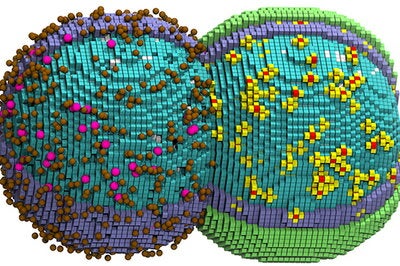
Newswise — By simulating the life cycle of a minimal bacterial cell — from DNA replication to protein translation to metabolism and cell division — scientists have opened a new frontier of computer vision into the essential processes of life.

The researchers, led by chemistry professor Zan Luthey-Schulten, present their findings in the journal Cell.

The team simulated a living cell at nanoscale resolution and recapitulated how every molecule within that cell behaved over the course of a full cell cycle. The work took many years, vast computer resources, large experimental datasets, a suite of experimental and computational techniques and an understanding of the roles, behaviors and physical interactions of thousands of molecular players. The researchers had to account for every gene, protein, RNA molecule and chemical reaction occurring within the cell to recreate the timing of cellular events. For example, their model had to accurately reflect the processes that allow the cell to double in size prior to cell division.

Watch a video of the full life cycle 4D simulation of a minimal bacterial cell. 

To make the task more manageable, the team used a living “minimal cell” developed at the J. Craig Venter Institute in California. The version of the cell used in the new study, JCVI-syn3A — “Syn3A” for short — is a modified bacterium with a pared-down genome that carries only the genes needed to replicate its DNA, grow, divide and perform most of the other functions that make life possible.

“This is a three-dimensional, fully dynamic kinetic model of a living minimal cell that mimics what goes on in the actual cell,” Luthey-Schulten said. “Such a comprehensive undertaking was only possible through the combined efforts of a host of collaborators at the U of I as well as Harvard Medical School, where we systematically modeled the essential metabolism and other subcellular networks through a series of publications starting in 2018.”

The Syn3A cell has fewer than 500 genes, all of which reside on a single circular strand of DNA. The laboratories of study co-authors Angad Mehta, a professor of chemistry, and Taekjip Ha, of Boston Children’s Hospital and Harvard Medical School, generated additional experimental data that allowed the team to accurately simulate and validate numerous aspects of cell function.

Watch a video of the first-ever whole cell 4D simulation showing everything everywhere all at once.

“Most importantly, their work revealed the extent of DNA replication and that Syn3A’s cell division is symmetrical,” Luthey-Schulten said.

Both factors guided and validated the simulations performed by Zane Thornburg, a postdoctoral fellow at the Beckman Institute for Advanced Science and Technology and the Cancer Center at Illinois, and Andrew Maytin, a graduate student in Luthey-Schulten’s lab.

Like other bacterial cells, Syn3A has no nucleus. Every molecule that comprises and sustains it is either a component of its outer membrane, is transported into it from outside the cell or is assembled in the cytoplasm. The cell is so jam-packed with molecular players that, when creating high-resolution cartoons and animations of their computer simulations, the researchers had to render some of the components invisible. Making all the cellular proteins invisible, for example, allowed the scientists to see how Syn3A’s chromosome threads through the cell’s crowded interior.

Some processes were more computationally expensive than others, the team discovered. For example, Maytin realized that chromosome replication was slowing the whole simulation to a crawl, nearly doubling the time it took to capture the whole cell cycle. He determined that efficiently simulating the cell’s DNA replication process required its own dedicated graphics processing unit, while another GPU handled all other cellular dynamics. This allowed the team to simulate the full, 105-minute cell cycle in just six days of computer time.

Thornburg and Maytin struggled with the challenge of simulating cellular events occurring at the same time in various parts of the cell.

“I can’t overstate how hard it is to simulate things that are moving — and doing it in 3D for an entire cell was … triumphant,” Thornburg said. “One of the last big hurdles that Andrew and I had to solve was understanding how the membrane and the DNA talk to one another when both are moving.”

While the simulated cell cycle has its limitations — this was not an atom-by-atom simulation but instead averaged the dynamics of individual molecules — it yielded a surprisingly accurate accounting of the timing of cellular processes. In repeated simulations involving individual cells with slightly varying start conditions, the simulated cell cycle occurred, on average, within two minutes of the real-world cell cycle, Thornburg said. The work was repeatedly guided and tested against actual experimental outcomes, a process that allowed the scientists to refine their simulations.

The ability to accurately capture the ever-changing conditions within a living cell opens a new window on the foundations of living systems, Luthey-Schulten said.

“We have a whole-cell model that predicts many cellular properties simultaneously,” she said. “If you want to know what’s going on, say, in nucleotide metabolism, you can also look at what’s going on in DNA replication and the biogenesis of ribosomes. So the simulations can give you the results of hundreds of experiments simultaneously.”

Study co-authors also include Illinois chemistry alumnus Benjamin Gilbert and John Glass, who leads the J. Craig Venter Institute Synthetic Biology Group.

This work was conducted in the National Science Foundation’s Science and Technology Center for Quantitative Cell Biology at the U of I. Luthey-Schulten also is a professor of physics and a professor in the Beckman Institute at the U. of I. The research was conducted using the Delta advanced computing and data resource, which is supported by the NSF and the state of Illinois. Delta is a joint effort of the U of I and its National Center for Supercomputing Applications.


AI Rebuilds Molecules From Exploding Fragments


BYLINE: Ula Chrobak

Read this story in the SLAC News Center


Newswise — Researchers at the Department of Energy’s SLAC National Accelerator Laboratory and collaborating institutions recently built a generative AI model that can recreate molecular structures from the movement of the molecule’s ions after they are blasted apart by X-rays, a technique called Coulomb explosion imaging.

The research, published in Nature Communications, is an important step toward being able to take snapshots of molecules during chemical reactions – an advance that could have important impacts in medicine and industry. The machine learning model closely predicted the geometries of a range of different molecules made of less than ten atoms, paving the way for applying the technique to larger molecules. “We were pretty excited about this,” said Xiang Li, an associate scientist at SLAC’s Linac Coherent Light Source (LCLS) and lead author of the study. “It is the first AI model built for molecular structure reconstruction from Coulomb explosion imaging.”


A new way to see molecules

Currently, there are limited options available for imaging isolated gas phase molecules. With electron microscopy, for example, subjects must be fixed in place, making it impossible to image free-floating molecules. And for diffraction-based techniques to work, the sample of molecules needs to be dense enough to generate a strong signal in the detector. The resulting image is technically an average of many molecules, restricting researchers from studying details only visible when imaging isolated molecules.

In the paper, the researchers instead focused on Coulomb explosion imaging. In this technique, an X-ray pulse hits a single molecule in a vacuum chamber, ripping off the molecule’s electrons. This leaves behind positive ions that explosively repel away from each other and smash into a detector. The detector captures their momentum, which can be used to reconstruct the structure of the molecule. “This technique has the ability to isolate minor details that are chemically relevant,” said James Cryan, LCLS interim deputy director for science, research and development, associate professor of photon science at SLAC and coauthor of the paper.

But this reconstruction process has so far been largely infeasible due to computing constraints. After the X-ray pulse strips away electrons, the remaining ions do not explode apart instantly. During this brief delay, the atoms can shift slightly, making it difficult to reconstruct the original structure using Coulombs law for electrostatic forces. “It will not be accurate because a simple use of that law only works if the charge-up process is instantaneous,” explained Li.

Making things even messier, every additional atom in the molecule adds an exponential level of complexity. “It’s very challenging to work backwards to get the original structure,” said co-author Phay Ho, a physicist with DOE’s Argonne National Laboratory. “It’s kind of like breaking a glass and trying to put it back together from how the pieces flew apart. Many problems in modern physics and chemistry involve reconstructing hidden structures from indirect measurements. This work demonstrates how AI can help tackle such inverse problems.”


Machine learning for molecular structures

The research team set out to build a machine learning model that could overcome this computing constraint. They developed and trained the model at SLAC’s Shared Science Data Facility (S3DF). Generative AI models are well-suited for the task because they “think” differently than a standard computer simulation. Instead of working through a series of equations, they learn by finding patterns in training data. Then, they use those patterns to make statistical predictions. 

To gather training data, the team turned to a simulation built by Ho. The simulation analyzes molecular structures and calculates the momentum of their ions following a Coulomb explosion. After running for over a month, the computing-intensive simulation, using both quantum mechanics and classical physics equations, produced a dataset of 76,000 molecular samples.

Initially, the researchers trained the AI on this dataset alone, which is small by AI-training standards, and they found the model predicted inaccurate structures from explosion data. So, they re-did the training, adding in another dataset derived using only classical physics. The second set was less precise but about 100 times larger than the first one.

This two-step training was the trick for predicting precise structures.

The researchers tested the AI model by prompting it to predict molecular structures in a portion of the simulation data it had not seen in training. The model, which the team named MOLEXA (short for “molecular structure reconstruction from Coulomb explosion imaging”), took the ion momenta and calculated the most likely structures. “We found that this two-step training process suppressed the prediction error by a factor of two,” said Li.

The team then tested MOLEXA with experimental datasets recorded at the Small Quantum Systems (SQS) instrument of the European X-ray Free-Electron Laser facility (European XFEL) in Germany. The molecules they tested included water, tetrafluoromethane and ethanol. They entered the experimental ion momenta into the model, reconstructed the molecular structures, and then compared the reconstructions to known structures listed by the National Institute of Standards and Technology.

They found the predictions largely overlapped with the established structures. Overall, the bonds were in the right spots, with only slight variations in their angles. The errors in position were generally less than half the length of a typical chemical bond. “The model is actually, most of the time, doing better than that,” added Li. “It is only a starting point for future research, which will not only improve model accuracy but also extend its applicability to larger molecular systems.”


Expanding to larger molecules and chemical reactions

The paper is a major step in advancing Coulomb explosion imaging, which has long been limited by the challenge of reconstructing molecular structures from experimental measurements. In future work, the researchers plan to scale up the number of atoms the machine learning model can piece back together and apply the model to time-resolved experiments at the LCLS and European XFEL. That will help researchers to reconstruct snapshots of molecules in motion, creating flip-book-like molecular movies with insights into how chemical reactions unfold. It will also help with the interpretation of data collected at the high X-ray pulse rates delivered by SLAC’s superconducting X-ray laser, Cryan said.

The team is also now testing the model’s ability to reconstruct molecules from incomplete data. Much of the time, the detector misses an ion produced in the Coulomb explosion. Li wants to know, for example: Can the AI still reconstruct an ethanol molecule if one or more of its hydrogen ions are not registered in the detector?

If these challenges are resolved, the technique could become more applicable in biology and chemistry research. Proteins, for instance, can consist of thousands of atoms. “That’s really the goal,” said Li. “We will be able to study systems that are more biologically or industrially relevant.”

The team also included researchers from the Stanford PULSE Institute; Stanford University; Kansas State University; European XFEL, Germany; the Max Planck Institute for Nuclear Physics, Germany; Fritz Haber Institute, Germany; and Sorbonne University, France. Large parts of this work were funded by the Department of Energy’s Office of Science. LCLS is an Office of Science user facility.


About SLAC

SLAC National Accelerator Laboratory explores how the universe works at the biggest, smallest and fastest scales and invents powerful tools used by researchers around the globe. As world leaders in ultrafast science and bold explorers of the physics of the universe, we forge new ground in understanding our origins and building a healthier and more sustainable future. Our discovery and innovation help develop new materials and chemical processes and open unprecedented views of the cosmos and life’s most delicate machinery. Building on more than 60 years of visionary research, we help shape the future by advancing areas such as quantum technology, scientific computing and the development of next-generation accelerators.

SLAC is operated by Stanford University for the U.S. Department of Energy’s Office of Science. The Office of Science is the single largest supporter of basic research in the physical sciences in the United States and is working to address some of the most pressing challenges of our time.


Paving Hawaiian Roads with Recycled Plastics and Abandoned Fishing Nets | Newswise


Newswise — ATLANTA, March 22, 2026 — Hawaii has a plastic problem. The island state faces economic and logistical challenges in recycling plastic waste, including marine debris that lingers in its ocean waters. Researchers in Hawaii are pioneering a method to recycle the islands’ derelict fishing nets and residential plastic trash into asphalt roads. Early demonstrations show that these recycled materials may provide a viable end-of-life fate for the region’s garbage.

Jeremy Axworthy, a researcher at the Center for Marine Debris Research (CMDR) at Hawaiʻi Pacific University, will present the team’s results at the spring meeting of the American Chemical Society (ACS). ACS Spring 2026 is being held March 22-26; it features nearly 11,000 presentations on a range of science topics.

“This work investigates whether it’s responsible to use recycled plastics in Hawaii’s roads,” shares Axworthy. “By reusing plastic waste that is already in Hawaii, we can reduce the environmental and economic impacts of transporting waste plastics from the islands, incinerating it or dumping it in Hawaii’s overflowing landfills.”

Since 2020, Hawaii’s roads have predominantly been paved with polymer-modified asphalt (PMA) to increase pavement strength and durability. Compared to standard asphalt pavement, PMA pavement is more elastic and more resistant to cracking, rutting and water damage — qualities that are especially important for the state’s tropical climate. PMA pavement is made by first melting pellets of styrene-butadiene-styrene (SBS; a type of copolymer) into a sticky, petroleum-based asphalt binder. Then, the PMA binder is tumbled with heated aggregates (rocks and sand) in a mixing drum, causing the PMA binder to fully coat the aggregates.

But why not see if discarded plastics could be incorporated into asphalt pavements as an environmentally friendly disposal option? How would modified pavements made with recycled plastics perform, and would they release microplastics or associated chemicals into the environment? These are the questions the Hawaii Department of Transportation (HDOT) aimed to answer when they reached out to environmental chemist Jennifer Lynch, CMDR director and team lead.

HDOT asked Lynch’s team for two things. The first was to provide derelict fishing nets removed from Hawaii’s marine environment for the creation of recycled plastic-modified asphalt pavements. “Foreign plastic derelict fishing gear is the largest contributor of Hawaii’s marine debris problem,” shares Lynch. “To date, CMDR’s Bounty Project, which pays a financial reward to licensed commercial fishers for marine debris removal, has removed 84 tons of large, derelict fishing gear from the Pacific Ocean.”

HDOT’s second request was to measure possible microplastic shedding from pavements made with plastic waste versus that from standard SBS-modified pavement. “CMDR’s laboratory is equipped with state-of-the-art chemical instrumentation for quantifying and characterizing microplastics in environmental samples,” explains Lynch. “This capability is incredibly unique and impactful, especially when coupled to our marine debris-removal project and our mission to recycle the debris into long-term, locally necessary infrastructure products.”

Once a U.S.-based company converted the waste into products that could be incorporated into asphalt, HDOT took the experimental asphalt mixes to Hawaii’s streets. A local paving company laid down sections of a residential road on the island of Oahu with asphalt pavement containing standard SBS, repurposed polyethylene from Honolulu’s recycling containers and polyethylene from fishing nets. After about 11 months of regular traffic usage, Lynch’s team stepped in to collect road dust samples from each section of pavement to test for microplastic shedding, which could contaminate the surrounding soil.

The researchers processed the road dust using a method that separates different types of polymers from other materials in the dust, including microplastics, larger chunks of plastic and tire rubber. Using pyrolysis gas chromatography-mass spectrometry (Py-GC-MS), they identified and measured the source of the polymers: styrene and butadiene from the standard PMA, polyethylene from the plastic-waste and fishing-net PMA, and isoprene and butadiene rubber from tires.

Initial tests showed that pavements made with recycled polyethylene did not release more polymers than the control pavement made with SBS. Lynch’s team showed this was true during mechanical performance tests with pavement samples as well as in simulated stormwater collected from the experimental road sections. Microplastic-sized particles were detected, but very few of these were identified as polyethylene regardless of the pavement type tested. This is likely because the polymers are melted into the asphalt binder, meaning particles that break off are not plastic alone; they are a mixture of rock, binder and melted polymer chains.

The CMDR team is also comparing the amount of polymers shed from the pavement to the amount of polymers shed by tires in the road dust. “In our initial Py-GC-MS data,” continues Lynch, “we saw tire wear swamps the signal of polyethylene by orders of magnitude, like gigantic peaks! We had to search the weeds of the chromatogram to find signs of polyethylene.”

Additional research is needed to assess pavement durability. But the researchers are hopeful that someday, repurposing used plastics into pavement could help reduce landfill and marine debris in Hawaii.

“Some people think plastic recycling is a hoax — that it doesn’t work; it’s too challenging,” Lynch shares. “But this work demonstrates that recycling can work when society prioritizes sustainability.”

The research was funded by the Hawaii Department of Transportation.

Visit the ACS Spring 2026 program to learn more about this presentation, “Harvesting ocean plastics to pave hawaiian roads: Evaluation of microplastic and plastic additive release from asphalt incorporating recycled plastic from various waste streams,” and other science presentations.

###

The American Chemical Society (ACS) is a nonprofit organization founded in 1876 and chartered by the U.S. Congress. ACS is committed to improving all lives through the transforming power of chemistry. Its mission is to advance scientific knowledge, empower a global community and champion scientific integrity, and its vision is a world built on science. The Society is a global leader in promoting excellence in science education and providing access to chemistry-related information and research through its multiple research solutions, peer-reviewed journals, scientific conferences, e-books and weekly news periodical Chemical & Engineering News. ACS journals are among the most cited, most trusted and most read within the scientific literature; however, ACS itself does not conduct chemical research. As a leader in scientific information solutions, its CAS Division partners with global innovators to accelerate breakthroughs by curating, connecting and analyzing the world’s scientific knowledge. ACS’ main offices are in Washington, D.C., and Columbus, Ohio. 

To automatically receive press releases from the American Chemical Society, contact newsroom@acs.org. 

Note to journalists: Please report that this research was presented at a meeting of the American Chemical Society. ACS does not conduct research, but publishes and publicizes peer-reviewed scientific studies.

Follow us: Facebook | LinkedIn | Instagram 

Title
Harvesting ocean plastics to pave hawaiian roads: Evaluation of microplastic and plastic additive release from asphalt incorporating recycled plastic from various waste streams

Abstract
Polymer modified asphalt (PMA) is used to increase strength and durability of roads. In Hawaii, PMA is typically produced using the virgin co-polymer styrene-butadiene-styrene (SBS). Recycled plastics, such as high-density polyethylene (HDPE), may also be added to asphalt serving to sequester plastic waste. In the state of Hawaii, derelict fishing gear (DFG) is a significant problem, yet it is also a source of HDPE that can be used in recycling. However, asphalt performance and the consequences of adding recycled polymers to asphalt are not well understood. In collaboration with the Hawaii Department of Transportation (HDOT) and the University of Hawaii (UH), the Center for Marine Debris Research (CMDR) are testing the feasibility of using recycled HDPE in asphalt by quantifying microplastics and plastic additives release from roads paved with asphalts made from different combinations of virgin and recycled polymers. The specific asphalt combinations being tested are: SBS (Control-PMA), DFG with and without SBS (DFG-PMA and DFG-neat), Local Waste recycled HDPE with and without SBS (LW-PMA and LW-neat), and Commercially Available, post-industrial recycled HDPE with and without SBS (CA-PMA and CA-neat). Microplastic and plastic additive release under laboratory conditions were performed using a Hamburg Wheel Tracker Test (HWTT) with water sample analyses. Field trials were conducted on a residential road on the island of Oahu, Hawaii. Road dust was swept and analyzed for microplastics by direct analysis and solvent extraction to separate bound plastic from asphalt and plastic additives by water extraction. Microplastic samples utilized pyrolysis gas chromatography mass spectrometry for analysis. Plastic additives are subjected to solid phase extraction with analysis by gas chromatography mass spectrometry. Results produced using these novel analytical methods provide guidance on the use of recycled plastics over virgin plastics in roadways. Moreover, results of this study may provide a viable end of life fate for plastic marine debris, leading to cleaner and healthier oceans.


Sulfuric Acid Method Improves Accuracy of Nitrogen Isotope Tracking for Atmospheric Ammonia | Newswise


Newswise — By comparing sulfuric and boric acid absorption systems, they found sulfuric acid delivers higher recovery rates and reduces isotope fractionation, even at low concentrations. Field applications successfully distinguished emissions from cropland, livestock, orchards, and vegetables, improving the accuracy of ammonia source identification.

NH₃ is the most important alkaline gas in the atmosphere and a major contributor to air pollution. It reacts with sulfur dioxide (SO₂) and nitrogen oxides (NOₓ) to form ammonium sulfate and ammonium nitrate, key components of fine particulate matter (PM₂.₅) that threaten human health, ecosystems, and climate balance. Because agricultural activities dominate NH₃ emissions, accurate source identification is essential for effective air-quality management. δ¹⁵N provides a powerful tool for distinguishing among fertilizers, livestock waste, and other sources. However, reliable isotope tracing depends on precise sampling. Common acidic absorbents used in passive collection may introduce isotope fractionation, particularly at low concentrations, highlighting the need for systematic methodological evaluation.

study (DOI: 10.48130/nc-0025-0017) published in Nitrogen Cycling on 16 January 2026 by Chaopu Ti’s team, Chinese Academy of Sciences, establishes a more accurate and reliable method for nitrogen isotope analysis of atmospheric ammonia, improving source identification and supporting effective air pollution control strategies.

To evaluate the suitability of different acidic absorbents for NH₃ recovery and δ¹⁵N analysis, researchers conducted controlled laboratory experiments using (NH₄)₂SO₄ and certified N isotope reference materials (USGS-25, USGS-26, and IAEA-N1) as volatilization substrates, each with an initial NH₄⁺–N mass of 2.00 mg. NH₃ released during reaction was passively captured using sponge samplers containing either sulfuric acid or boric acid solutions, and recovery efficiency, reproducibility (CV), and isotope conversion performance were systematically assessed across NH₄⁺ concentrations of 20–100 μmol L⁻¹. Results showed that sulfuric acid achieved consistently high NH₃ recovery rates (95.98–96.88%, mean 96.43%, CV 0.47%) for (NH₄)₂SO₄ and similarly high recoveries for isotope standards (96.03–99.09%), indicating excellent precision and minimal isotopic bias. In contrast, boric acid produced significantly lower recovery rates (80.47–86.48%, mean 83.90%) and greater variability, suggesting potential isotope fractionation, especially at low concentrations. Conversion curves between δ¹⁵N–NH₄⁺ and δ¹⁵N–N₂O demonstrated that sulfuric acid maintained slopes close to the theoretical 0.5 across all concentrations, even before correction, reflecting stable isotope conversion and minimal blank effects. Boric acid showed weaker performance at 20 μmol L⁻¹, where slopes deviated markedly from theoretical expectations, though higher concentrations improved accuracy after correction. Accuracy tests confirmed that both methods reproduced certified δ¹⁵N values within ±0.5‰, but sulfuric acid exhibited superior stability and lower impurity interference. Field application of the optimized sulfuric acid method further revealed distinct δ¹⁵N signatures among agricultural NH₃ sources: cropland (−32.87‰), livestock (−36.64‰), orchards (−19.63‰), and vegetables (−24.95‰), with cropland and livestock significantly more depleted in ¹⁵N. Overall, the results demonstrate that 0.1 mol L⁻¹ sulfuric acid provides higher recovery, stronger reproducibility, and more reliable δ¹⁵N determination across variable concentration ranges, making it the preferred absorbent for atmospheric NH₃ source apportionment.

This study identifies sulfuric acid as the optimal absorbent for accurate δ¹⁵N analysis across varying NH₃ concentrations, providing a more reliable framework for ammonia source tracing. Enhanced isotope precision improves quantification of emissions from fertilizers, livestock, and other agricultural sources. The method strengthens nitrogen source apportionment, supports targeted fertilizer management, and offers robust scientific evidence for reducing PM₂.₅ formation and mitigating regional air pollution.

###

References

DOI

10.48130/nc-0025-0017

Original Souce URL

https://doi.org/10.48130/nc-0025-0017

Funding information

This work was supported by the National Natural Science Foundation of China (Grant No. 42177313), and the National Key Research and Development Program of China (Grant No. 2023YFC3707402).

About Nitrogen Cycling

Nitrogen Cycling is a multidisciplinary platform for communicating advances in fundamental and applied research on the nitrogen cycle. It is dedicated to serving as an innovative, efficient, and professional platform for researchers in the field of nitrogen cycling worldwide to deliver findings from this rapidly expanding field of science.


Most mass spectrometers can process just a few molecules at once. A reengineered prototype does a billion simultaneously | Newswise


Newswise — Mass spectrometry is already a powerful tool for determining what kind and how many molecules are present in a given sample. But most instruments still analyze their molecules one or just a few at a time, an approach that is inefficient and costly, and in which rare, but significant molecules can easily fall between the cracks.

A more powerful version of the technology could one day allow scientists to read the full molecular contents of a single cell, track thousands of chemical reactions at once, and ultimately accelerate efforts like drug development.

Now, a new study describes the first big step in that direction by producing a prototype, dubbed MultiQ-IT, that’s capable of handling vast numbers of molecules at once. The findings offer a blueprint for faster, more sensitive instruments that could position mass spectrometry for the kind of transformation that reshaped genomics and computing.

“What revolutionized DNA sequencing wasn’t any change in the underlying chemistry. That’s remained fundamentally the same,” says Brian T. Chait, Laboratory of Mass Spectrometry and Gaseous Ion Chemistry at Rockefeller. “It was the ability to run so many chemical reactions in parallel, which took genome sequencing from a billion-dollar effort to something that costs around $100. The same thing happened in computing with GPUs. And that’s what we’re trying to do with mass spectrometry.”

A massive bottleneck

Mass spectrometry was invented around 1913 and has since become one of biology’s most powerful analytical tools. The technology allows scientists to identify and quantify molecules by ionizing them, or giving them an electric charge, and measuring their mass-to-charge ratio. But despite its sophistication, most mass spectrometers still do this sequentially, one or just a few ion species at a time, often lacking the exquisite sensitivity needed to identify rare molecules in complex biological samples.

“It’s a wonderful technique—you can do unimaginably wonderful, analytical things with it,” Chait says. “But I was always a little frustrated by its limitations. I knew, in my heart, it could be better.”

If it were, it could transform single-cell proteomics as well as metabolomics, burgeoning fields that aim to identify and quantitate the complete set of proteins or metabolites in a single cell. Unlike DNA, these molecules cannot be amplified, and the most abundant species may be millions of times more prevalent than the rarest.  Mass spectrometry is already proving useful in these applications, but without far greater ability to detect faint signals against an overwhelming background of more abundant species, it will fall well short of its full potential.

Chait and colleagues suspected that the only way to overcome this limitation would be to usher the century-old technology through the so-called “massive parallelization” that once transformed computing and genomics. In computing, researchers discovered that dividing large tasks into many smaller ones and processing them simultaneously—using graphics processing units, or GPUs—dramatically increased performance. DNA sequencing followed a similar path, resulting in relatively low-cost platforms that analyze millions of reactions at once.

“It was a very obvious idea,” says Andrew Krutchinsky, a senior research associate in the lab. “But how to do it with mass spectrometry wasn’t obvious.”

Toward massively parallel processing

The idea for the MultiQ-IT grew out of decades of research into how molecules move in and out of a cell’s nucleus through hundreds of tiny gateways called nuclear pore complexes. Chait and colleagues had observed how the cell spreads the work across many parallel openings, instead of forcing traffic through a single channel. The team wondered whether mass spectrometry could be redesigned along these lines.

The result was a new ion-trapping chamber designed to replace the core component of a conventional mass spectrometer. The cube-shaped device is lined with hundreds of small, electrically controlled openings. Inside, ions are slowed by multiple collisions with residual gas molecules and allowed to move randomly through the chamber, where the system can filter, hold, and redirect many populations at once instead of analyzing them one by one. The team scaled the design from six openings to more than 1,000, testing how efficiently ions could be confined and sorted, and demonstrated that a single incoming stream could be split into multiple parallel streams for simultaneous analysis.

Its performance was striking. At any given moment, a 486-port version of MultiQ-IT could hold up to ten billion charges, roughly a thousand times the capacity of conventional ion traps.

By allowing abundant background molecules to leak out while retaining rarer, information rich ones, the system improved signal-to-noise ratios by as much as 100-fold, revealing proteins that had been undetectable. To achieve this, the researchers applied a small electrical voltage barrier across the trap’s exits: singly charged ions had enough energy to escape, while multiply charged, biologically important ions remained confined. In their 1,134-port design, just 39 open ports were enough to reach half maximum efficiency for this depletion, echoing how cells use a limited number of pores to similar effect. The team also found that parallelization addressed a physical constraint: packing billions of like-charged particles into a small space creates intense electrical repulsion, but distributing them across many channels reduced this repulsion in these channels..

This increased sensitivity demonstrated by their prototype could for example lead to improved detection of low abundance crosslinked peptides, which are proving very useful for mapping the structures of large protein complexes. “The least abundant things can be more important than the more abundant things,” Krutchinsky says.

For now, MultiQ-IT is less a finished commercial instrument than a demonstration of what is possible. The researchers see their role as establishing the physical blueprint that could one day be scaled into robust clinical and analytical tools.

“There was a lot of development between the discovery of a reaction for sequencing DNA and modern genomics; decades between the first transistor and putting a billion transistors on a chip,” Chait says. “In both cases, someone first had to show it could be done, and then industry took over. I think we’ve shown one way mass spectrometry can be done more efficiently.”


Solid, Tough, and Fast: A Composite Electrolyte That Helps Tame Lithium Dendrites | Newswise


Newswise — Liquid electrolytes enable fast ion transport but can raise safety concerns, and lithium metal anodes—despite their high capacity—can grow dendrites that trigger short circuits and rapid failure. Solid polymer electrolytes are attractive because they are processable and potentially compatible with lithium metal, yet many polymer systems (especially PEO-based) become highly crystalline at room temperature, restricting Li⁺ mobility. Adding plasticizers can improve conductivity, but excessive softening may weaken mechanical protection and destabilize interfaces. Meanwhile, strengthening the polymer often worsens ionic transport, leaving researchers stuck between conductivity and robustness. Based on these challenges, deeper research is needed to develop solid polymer electrolytes that simultaneously deliver high ionic conductivity and high mechanical strength.

Researchers at Zhejiang Sci-Tech University report a fiber-reinforced composite solid polymer electrolyte designed to overcome the long-standing “conductivity–strength” dilemma in polymer-based solid-state batteries. In a study published (DOI: 10.1007/s10118-025-3515-3) online on January 19, 2026 in the Chinese Journal of Polymer Science, the team shows that combining a porous PTFE fibrous membrane (as a reinforcing framework) with the plastic-crystal additive succinonitrile yields an electrolyte that is both mechanically robust and electrochemically effective for lithium metal battery operation.

The team’s concept borrows from structural engineering: a lightweight porous framework provides mechanical reinforcement, while the polymer phase supplies ion transport. They infiltrated a PEO/PVDF-HFP/LiTFSI matrix containing succinonitrile into a porous PTFE fibrous membrane via solution casting, aiming for uniform filling and intimate interfacial contact. Microscopy suggests the PTFE scaffold helps “hold” the electrolyte in a continuous network, while the succinonitrile component improves wetting and reduces PEO crystallinity—two factors expected to open faster Li⁺ pathways.

Material optimization mattered. At an optimized 20 wt% succinonitrile, the electrolyte achieved an ionic conductivity of 7.6×10⁻⁴ S·cm⁻¹ at 60 °C while retaining strong mechanical performance, reaching 3.31 MPa tensile strength with 352% elongation—a combination intended to resist dendrite penetration without sacrificing flexibility. Electrochemically, the composite sustained lithium symmetric-cell cycling for about 2,500 hours at 0.15 mA·cm⁻², indicating stable interfacial behavior during repeated plating/stripping. In Li//LiFePO₄ full cells, the electrolyte delivered durable cycling with 91.6% capacity retention after 300 cycles at 0.5C and coulombic efficiency consistently above 99.9%, supporting the claim that the composite design improves both stability and longevity.

According to the authors, the performance comes from a deliberate “division of labor” inside the composite. The PTFE fibrous membrane acts as a thermally stable, mechanically strong backbone that helps maintain structural integrity under cycling stress. Succinonitrile suppresses polymer crystallinity and promotes faster Li⁺ transport, while PVDF-HFP improves salt dissolution and contributes to electrochemical stability. Together, these components create a reinforced yet conductive electrolyte architecture that can be fabricated by straightforward casting and still deliver long-duration symmetric-cell stability and reliable full-cell cycling.

For solid-state lithium metal batteries to become practical, electrolytes must be manufacturable at scale, mechanically resilient, and consistently conductive—especially under conditions where dendrites are likely. This work points to a pragmatic materials strategy: instead of chasing a single “perfect” polymer, build composites in which a porous fiber scaffold provides structural protection and a carefully tuned additive accelerates ion transport. The demonstrated thousands-hour lithium cycling stability and strong capacity retention in LiFePO₄ full cells suggest potential for safer, longer-lived energy storage. If the approach translates to broader cathode chemistries and lower-temperature operation, it could help move polymer-based solid-state batteries closer to real-world deployment.

###

References

DOI

10.1007/s10118-025-3515-3

Original Souce URL

https://doi.org/10.1007/s10118-025-3515-3

Funding information

This research was financially supported by the National Key Research and Development Program of China (No. 2021YFB3801500) and Fundamental Research Funds of Zhejiang Sci-Tech University (No. 24202105-Y).

About Chinese Journal of Polymer Science (CJPS)

Chinese Journal of Polymer Science (CJPS) is a monthly journal published in English and sponsored by the Chinese Chemical Society and the Institute of Chemistry, Chinese Academy of Sciences. CJPS is edited by a distinguished Editorial Board headed by Professor Qi-Feng Zhou and supported by an International Advisory Board in which many famous active polymer scientists all over the world are included. Manuscript types include Editorials, Rapid Communications, Perspectives, Tutorials, Feature Articles, Reviews and Research Articles. According to the Journal Citation Reports, 2024 Impact Factor (IF) of CJPS is 4.0.