
How objects in space could disrupt your sleep cycle
Communications satellites being launched into space could bring enough light pollution to disrupt the human sleep cycle, scientists and doctors at Northwestern University Feinberg School of Medicine have warned.
Exposure to light from the satellites at night could threaten the body’s internal clock, which tells the body when it is time to wake up and fall asleep and affects hormone levels, digestion and body temperature, they said.
Even short-term disruptions to this clock – also known as the circadian rhythm – could lead to problems with wound healing, digestive issues, memory loss and a lack of energy, according to the Cleveland Clinic. In the long-term, health conditions can affect the cardiovascular system, nervous system, metabolism, gastrointestinal system and endocrine system.
And poor quality sleep has been shown to result in an increased risk of injury and falls as well as heart disease, Type 2 diabetes, obesity, high blood pressure and a weakened immune system, past research shows.
Artificial light at night already harms wildlife, causing sea turtle hatchlings to travel toward dangerous, developed areas and contributing to bird fatalities in major cities.
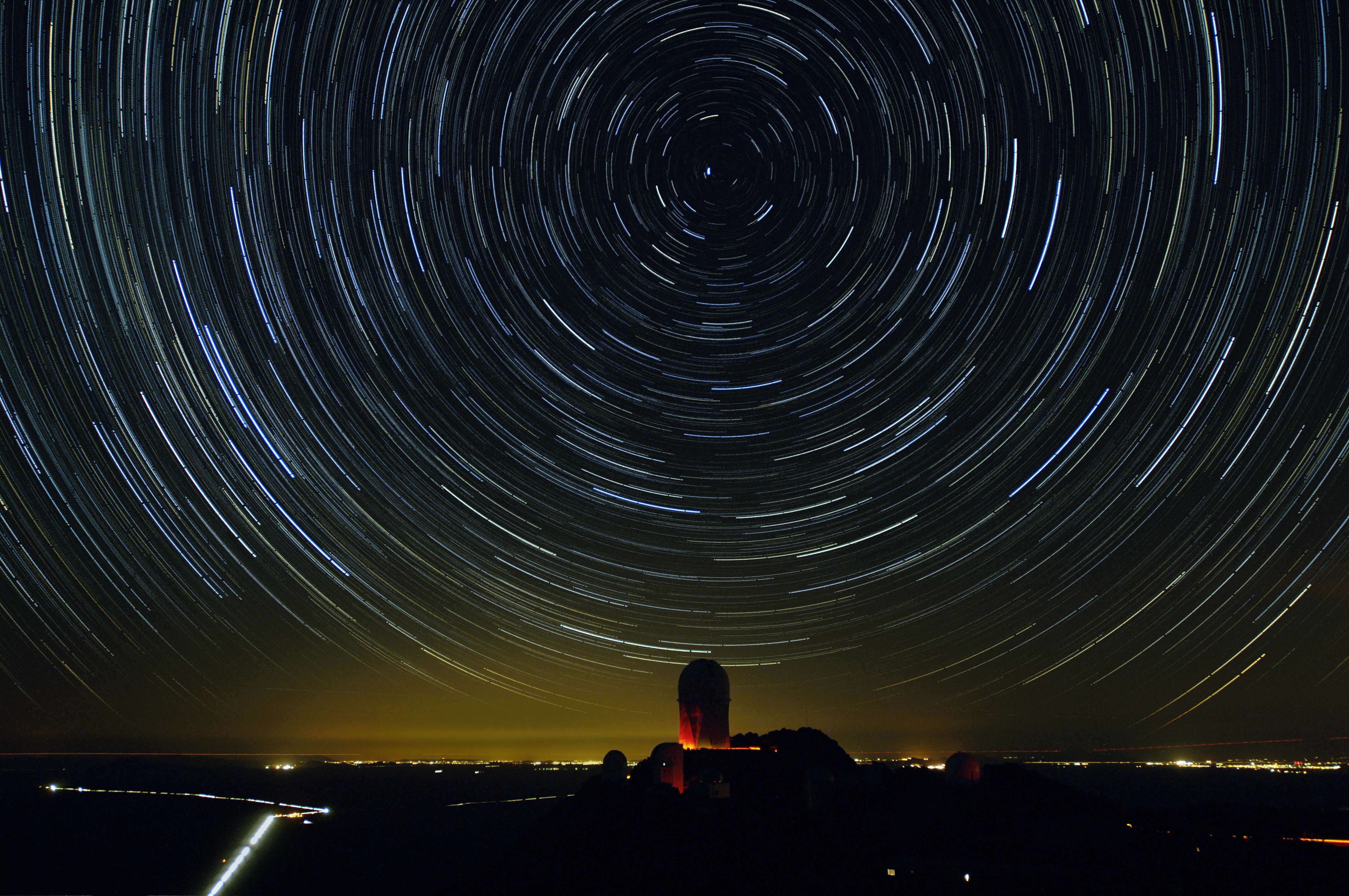
“Circadian rhythms are present in all types of organisms, ranging from bacteria to plants to animals, including humans. These rhythms synchronize physiological function to the natural light-dark cycle, which is important for overall well-being,” Kristen Knutson, an associate professor of neurology and preventive medicine, said in a statement. “Light at night will disrupt these rhythms, which can impair health and well-being.”
The experts warned that recent plans from California aerospace start-up Reflect Orbital could flood entire cities with daylight-level light. Reflect Orbital plans to use large, mirrored satellites to redirect sunlight to Earth at night.
Reflect Orbital did not immediately respond to The Independent’s request for comment on Thursday, but the company told Space.com last year that it would use an upcoming demonstration mission to limit any possible negative effects of the reflected light. A spokesperson said that the service is localized and would tilt away from the planet’s surface once it has passed the region.
“During the 2026 demonstration, observers at designated test sites will see the reflection as a bright moving star,” a spokesperson for the company said. “The illuminated area on the ground will be a soft, moonlike glow.”
But astronomers had concerns about light from sunlight-reflecting satellites long before Reflect Orbital applied for a license to launch from the Federal Communications Commission last year.
Some of these satellites are extremely bright – bright enough to alter the night sky forever, according to astronomers.
“There are only 1,000 stars you can see with the unaided eye. Adding 400,000 bright satellites that move could completely change the night sky,” University of Illinois Urbana-Champaign aerospace engineer Siegfried Eggl said in 2023.
The satellites will be brighter than Saturn, Peter Plavchan, an associate professor of physics and astronomy at George Mason University, told Scientific American in a conversation regarding the launch of operator AST SpaceMobile’s BlueBird 6 satellite. The largest commercial communications satellite in low-Earth orbit, it spans some 2,400 feet, or nearly the size of a double tennis court.
“These satellites are going to be so bright that they will be easily visible to the eye,” he said.
Comparatively, Starlink satellites in SpaceX’s megaconstellation are relatively small, only taking up about 100 feet: the size of a large table. There are currently more than 9,600 Starlink satellites in low-Earth orbit, according to data from Harvard-Smithsonian Center astrophysicist Dr. Jonathan McDowell, and more than 12,000 satellites – active and inactive – spinning around our planet at a speed of 17,500 miles per hour.
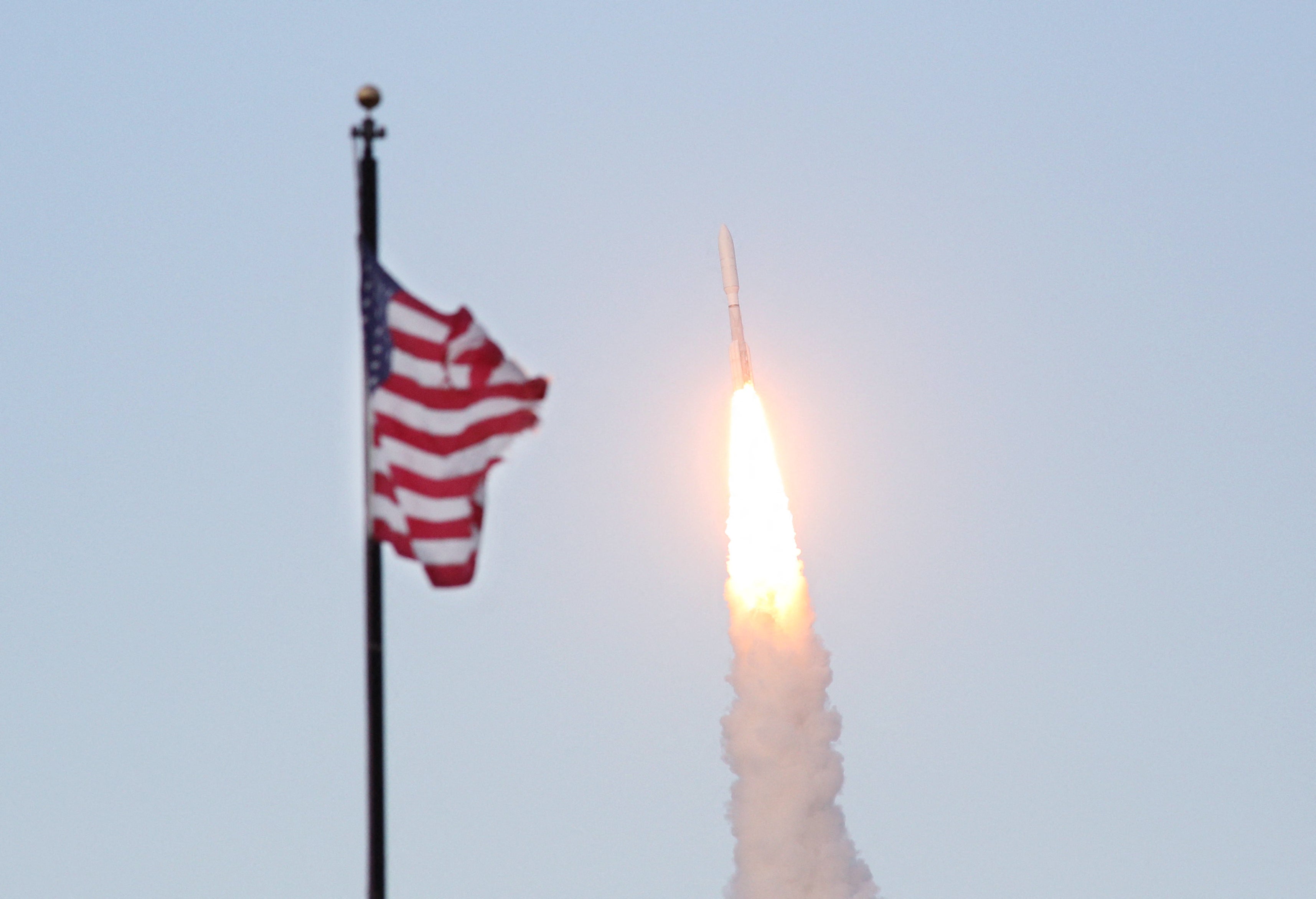
Dozens of communication satellites are launched into low-Earth orbit every week to expand internet coverage and provide updated navigation services.
There are plans to send many more up there. The Federal Communications Commission approved the launch of thousands more Amazon satellites last month and SpaceX hopes to launch up to a million more Starlink satellites to serve as orbiting data centers.
SpaceX did not respond to The Independent’s request for comment at the time of publication.
Piero Benvenuti, the Director of the International Astronomical Union Centre for the Protection of Dark and Quiet Skies from Interference by Satellite Constellations, previously told The Independent that there could be tens of thousands more satellites launched in the coming years.
That could majorly add to the problem at hand, as well as concerns about danger from satellite collisions and debris.
“The scary news is that the International Telecommunications Union currently has received requests for launching 1.7 million satellites,” he said.