
Judge blocks $6.2bn merger of local TV giants amid fears of monopoly
A federal judge has halted the proposed $6.2 billion merger between local television giants Nexstar Media Group and rival Tegna, pending the resolution of an antitrust lawsuit.
U.S. District Court Chief Judge Troy L Nunley issued the ruling late on Friday, concluding that eight attorneys general and DirecTV were likely to succeed in their legal challenge to prevent the deal.
The acquisition, initially announced in 2025 and approved by the Federal Communications Commission in February, would have resulted in a single company owning 265 television stations across 44 states and the District of Columbia.
Most of these stations are local affiliates of major national networks, including ABC, CBS, Fox, and NBC.
Judge Nunley, based in Sacramento, California, had previously imposed a three-week emergency block on the deal, and heard arguments on April 7 regarding its extension until the lawsuit is fully resolved.
The attorneys general, all Democrats, and DirecTV say that the merger will lead to higher prices for consumers and stifle local journalism, and that the deal runs afoul of federal laws designed to protect against monopolies.
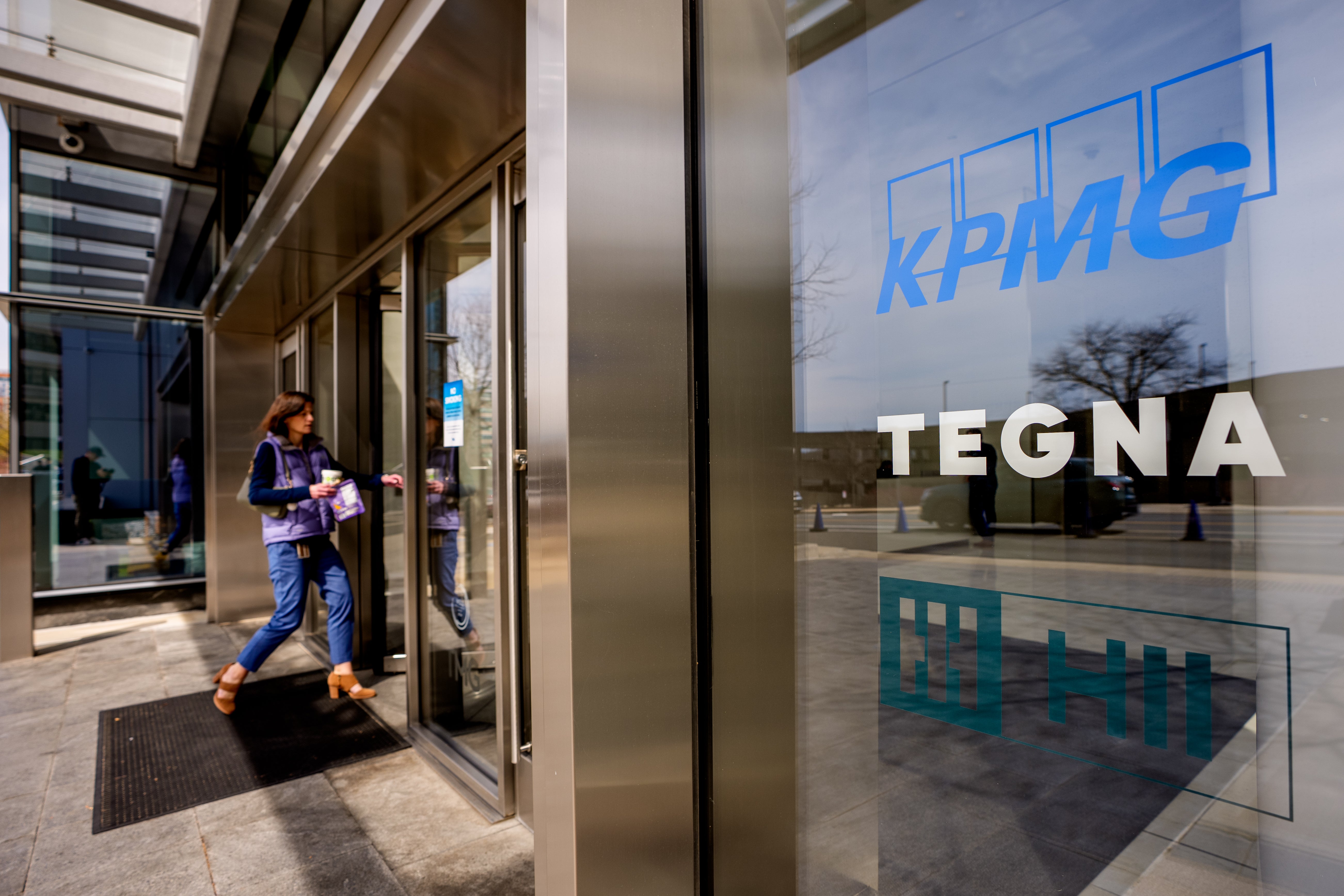
Nexstar’s attorneys told the court the deal has already been reviewed and cleared by the FCC and the Department of Justice. They said the FCC order commits the company to expand local journalism and programming, not shrink it.
The merger needed the approval of the Republican Trump administration’s FCC because the government had to waive rules that limit how many local stations one company can own.
FCC chair Brendan Carr said in March that the company had agreed to divest itself of six stations.
In his emergency temporary restraining order, the judge noted that the merger would make Nexstar the owner of two or even three of the “Big Four” local affiliates in 31 local television markets.
Once that occurs, Nunley wrote, multichannel video programming distributors such as DirecTV would have to comply with Nexstar’s demands for higher broadcast fees or risk leaving subscribers potentially unable to watch broadcasts like Sunday NFL football games.