
This is what the historic Israel-Lebanon talks in the US actually achieved
That Lebanon and Israel held their first direct diplomatic talks in more than three decades sounded like a chink of light the world has been hoping for, ever since Donald Trump threw a grenade into one of the most volatile regions in the world.
A lot was riding on the meeting.
Iran has made it clear that if Israel continues bombing Lebanon, including its chief ally the Lebanese militant group Hezbollah, it will not reopen the strategic Strait of Hormuz or adhere to a truce with the US recently brokered by Pakistan.
Israel, which has vowed to occupy swathes of Lebanese sovereign territory, has said it will not stop pounding Lebanon until it has destroyed and disarmed Hezbollah.
Meanwhile Donald Trump has started to blockade in Iran’s ongoing blockade on Strait – vowing that Iranian ships, ,and those leaving Iranian ports – would be “eliminated”, piling even more pressure on.
And so this week’s talks between the Lebanese and Israeli ambassadors to Washington, hosted by US Secretary of State Marco Rubio, were supposed to be a key to breaking this deadly deadlock. To halting the complete derailment of a peace process which collapsed last weekend without consensus.
But these Washington talks appear little more than lip service to the idea of Lebanon’s inclusion in a broader peace deal, to fudge a way to the next round of Iran talks.
The fear is that a devastating war between Israel and Lebanon is inevitable, and the impact of that will push the world back to the brink.
For six weeks, since the US and Israel began bombing Iran, and Iran retaliated, the world has been staring down the barrel of destruction.
In the ensuing, metastasising conflict, a dozen countries have been drawn into its theatre. More than 5,000 people have been killed and over a million displaced. Iran’s closure of one of the world’s most significant waterways, the Strait of Hormuz, has caused the worst disruptions to global energy supplies in history, triggering a cascade of consequences, including a burgeoning global food crisis.
And so a last-ditch hope to salvage the Pakistan brokered truce was invested in direct talks between Israeli and Lebanese representatives in Washington.
But despite the US State Department’s vague statement that the two sides had held “productive discussions”, there is no indication that anything concrete has been achieved.
And how could there be, with all the key actors locked in a zero sum game?
Every way you try to force the pieces of this apocalyptic puzzle together, they do not fit.
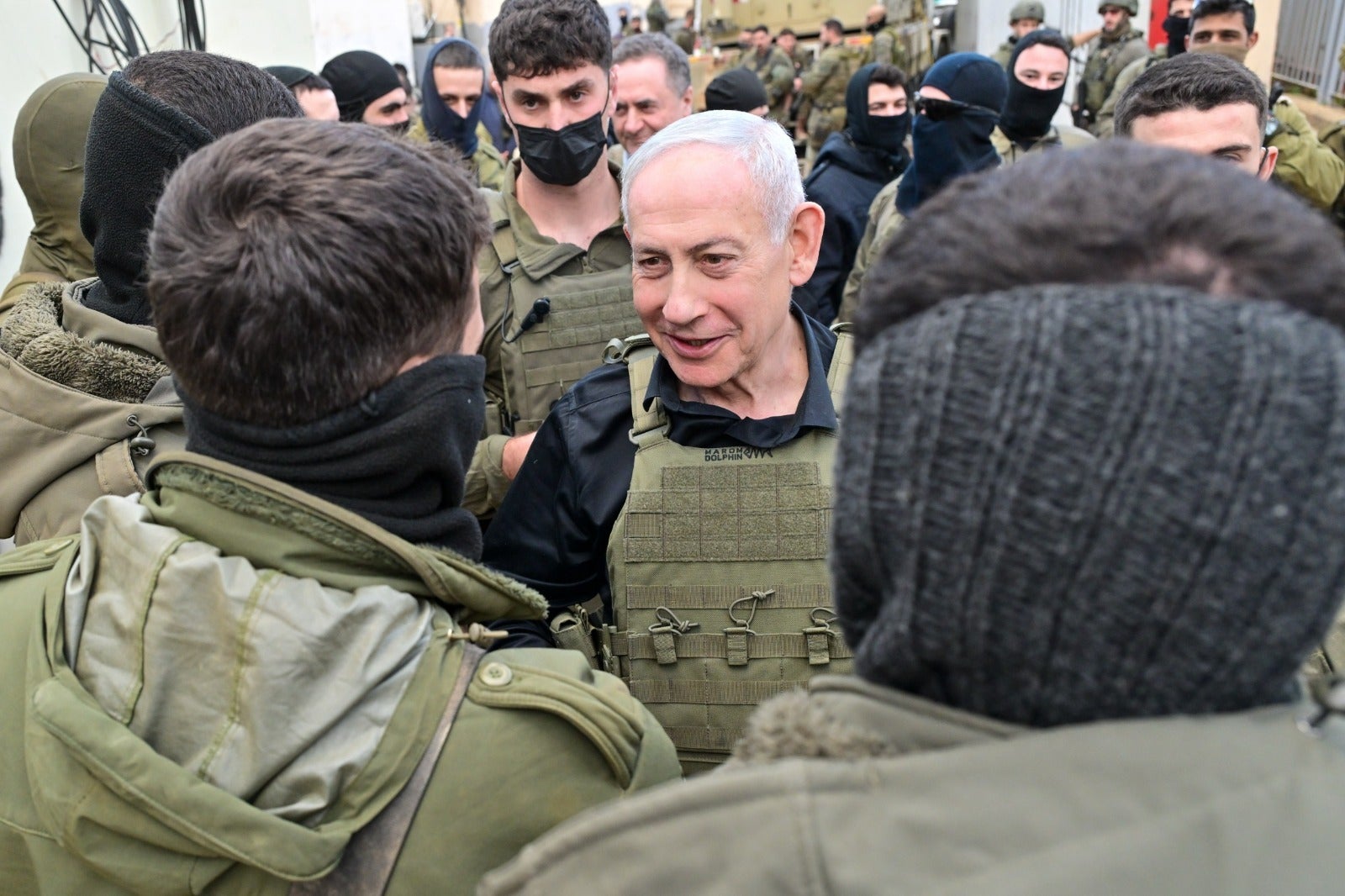
Benjamin Netanyahu, who has conducted personal tours around Israeli-occupied southern Lebanon, has made it clear that unless Hezbollah is disarmed, Israel will not halt its strikes.
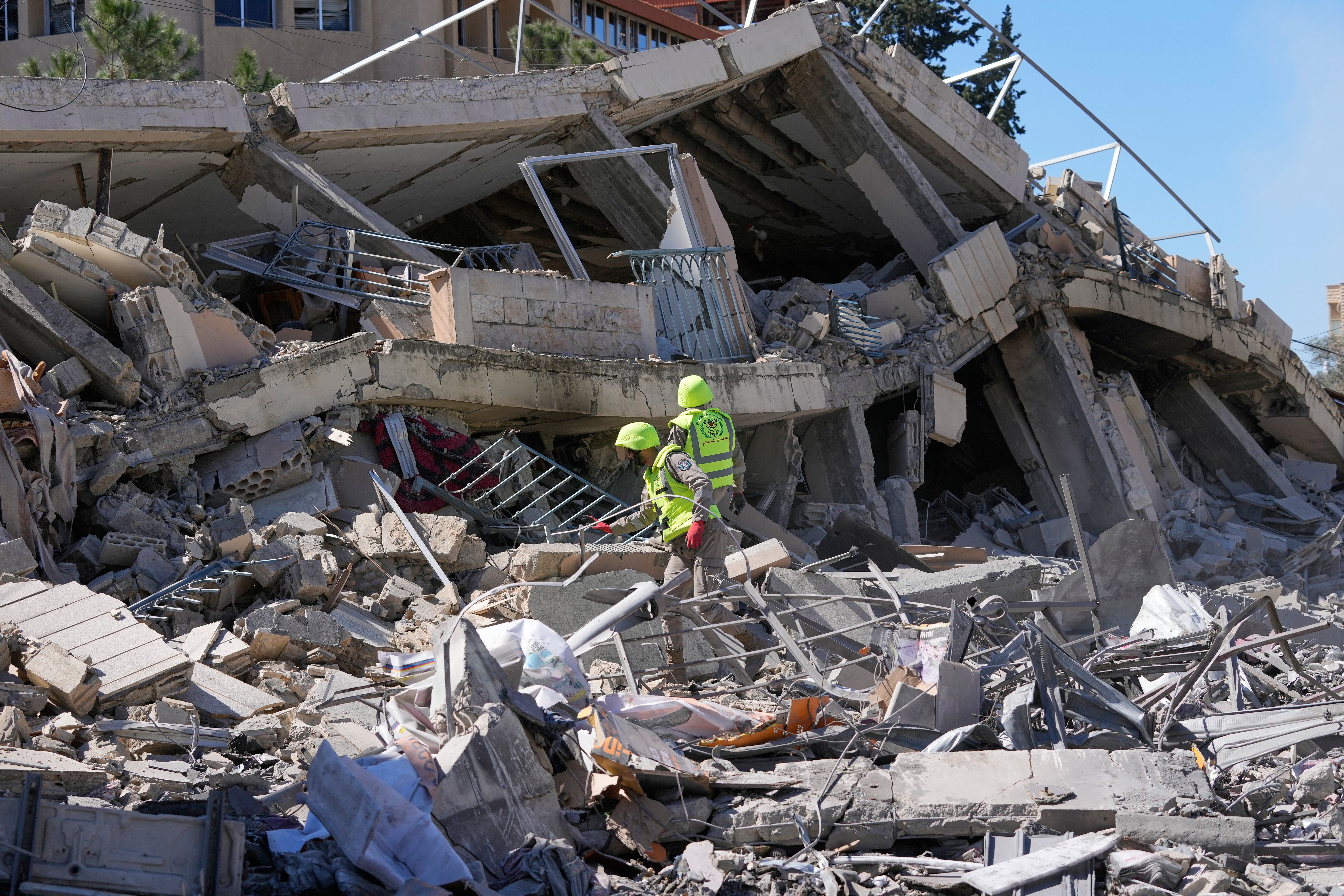
These daily bombardments have targeted Hezbollah positions but have also pounded densely populated civilian areas. That has killed more than 2000 people, among them children, medics and journalists.
Israel has vowed to hold territory up to the Litani River in the south, amounting to around 10 per cent of Lebanon’s landmass.
Given Israel’s expanding “buffer zones” in the region, including razing and occupying areas of Gaza, fears of formal annexation in the occupied West Bank, and an ongoing presence in southern Syria, there are growing concerns that Netanyahu’s true objective is the expansion of Israel’s borders.
The Israeli prime minister is also facing a difficult re-election campaign in the coming months. More war in Lebanon remains popular in Israel: a poll by the Hebrew University of Jerusalem this week suggested that two thirds of the population oppose a ceasefire with Iran and do not believe Lebanon should be included in it regardless.
Hezbollah, for its part, has made clear it will not adhere to any ceasefire with Israel until Israeli forces withdraw, regardless of what representatives of the Lebanese government may agree. It continues to pound areas of Israel back.
And so the nightmare deepens.
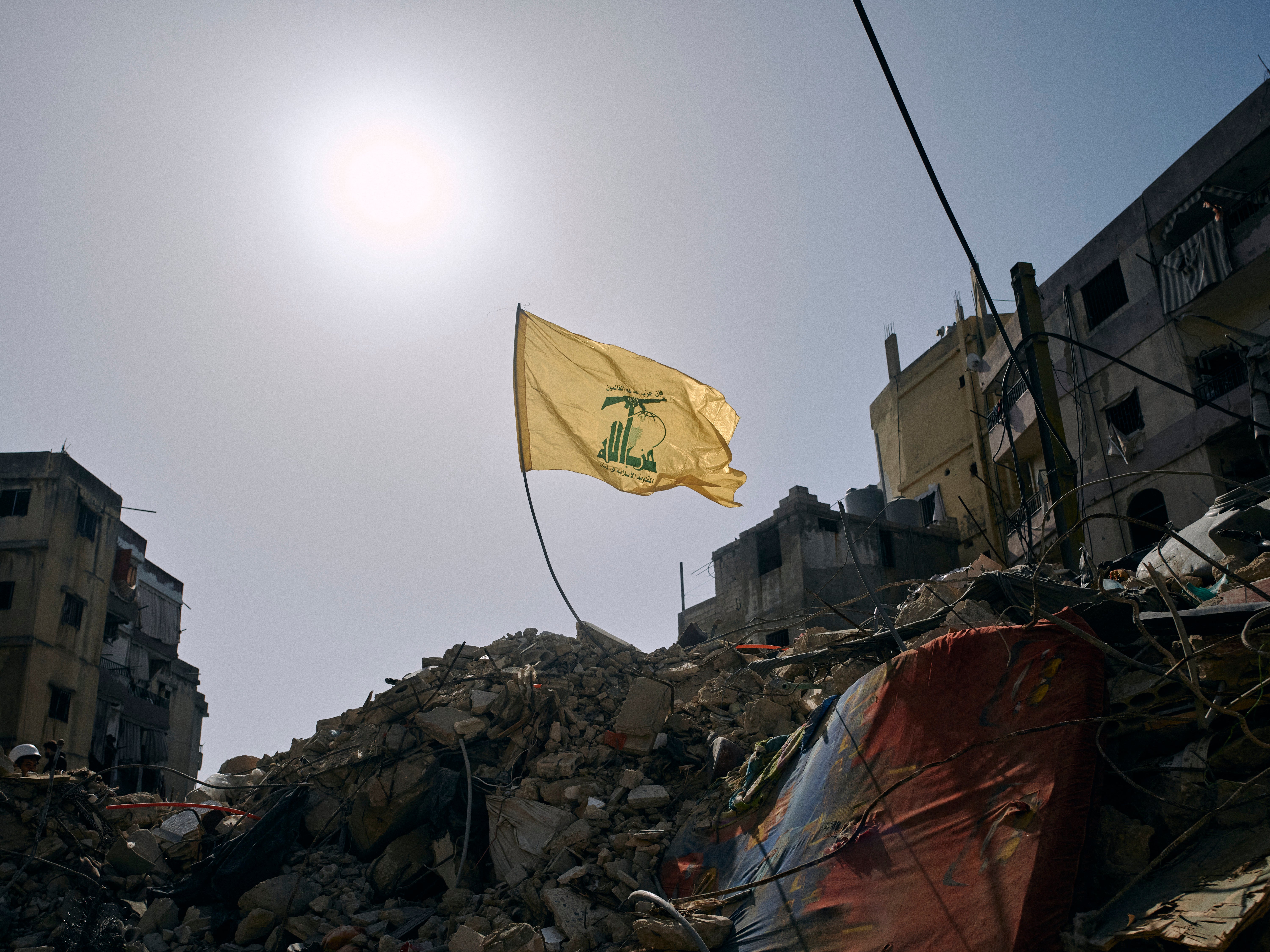
Before Hezbollah entered this war in March – rocketing Israel in retaliation for the killing of Iran’s supreme leader – there had been a ceasefire agreement following the last conflict with its neighbour in 2024. That included efforts to gradually disarm the group under the supervision of the Lebanese government.
The Lebanese government, which includes members affiliated with Hezbollah’s political wing and the country’s military, have little control over Hezbollah’s armed faction. Hezbollah, a Shia movement designated by many countries including the UK, is considered one of the most heavily armed non-state actors in the world, with tens of thousands of battle-hardened fighters and an arsenal of rockets and missiles that rivals some countries.
Despite this, the Lebanese government had been gaining momentum. Lebanon has been battered by prolonged internal and external conflict, as well as an unprecedented financial collapse in recent years. But its new technocratic government had, until early 2026, been gradually rebuilding domestic and international credibility, says Paul Salem, former head of the Middle East Institute.
“The Army had deployed south of the Litani, and disarmed maybe 75 to 80 per cent of Hezbollah in the south,” he told Chatham House.
That progress has now been undone, he added.
Hezbollah is now once again fully engaged in conflict and is again positioning itself as Lebanon’s sole resistance against the existential threat from Israel.
The pressure from Israel’s bombardment of Lebanon has even raised spectre of civil war in Lebanon. There are many that are furious Hezbollah unilaterally re-entered their country into this devastating conflict with Israel, over the killing of a foreign leader.
And this is only a small part of a much wider theatre of war, which has already destroyed so many lives.
There remain impossibly hard divisions between Iran’s vision of the future and Donald Trump’s, including who will control the Strait of Hormuz and the future of Iran’s nuclear programme.
How to bridge these fundamentally different visions of the future is a Herculean task.
And so much is at stake for all of us.