
Chandra Captures Young Sun-Like Stars Dimming Faster Than Expected
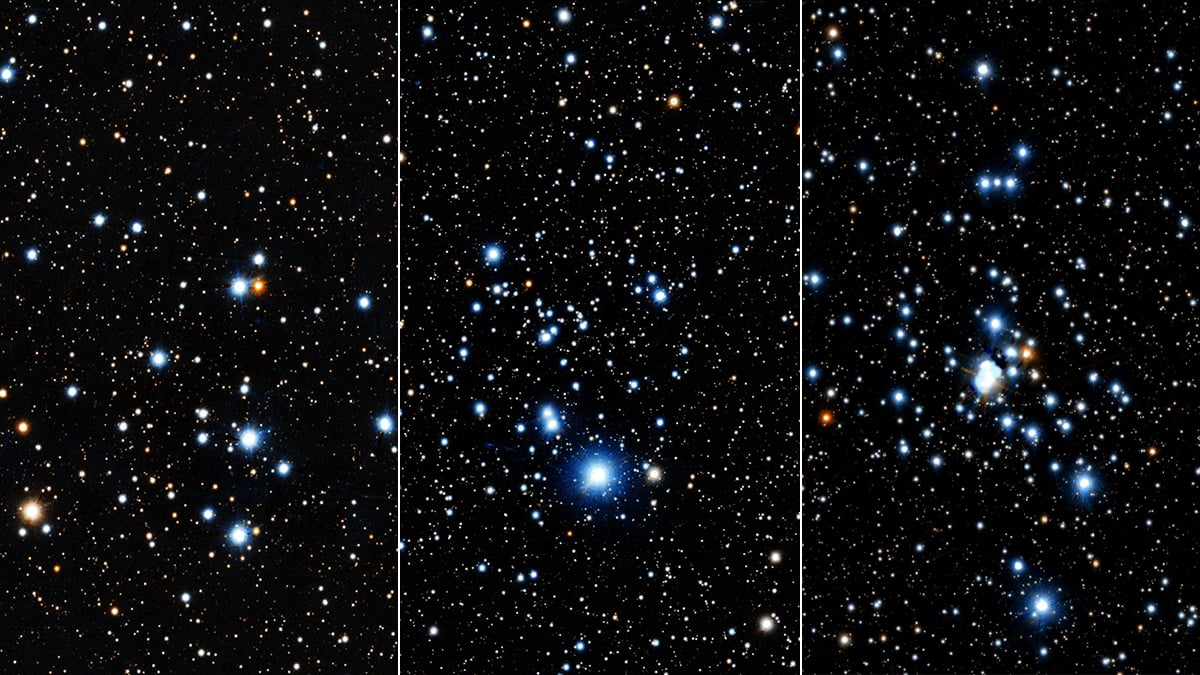
Astronomers use stellar X-ray emission as a sensitive tracer of magnetic activity in young solar-mass stars. This emission records how rapidly stars rotate, how efficiently their internal dynamos operate, and how strongly they interact with surrounding planetary environments. However, the evolution of X-ray activity between approximately 100 million and 700 million years has remained poorly constrained because observations in this age range have been limited.
New measurements from the Chandra X-ray Observatory show that Sun-like stars reduce their X-ray output far earlier than expected. This rapid decline marks a significant transition in magnetic behaviour and provides new insights into both stellar evolution and the early history of planetary systems.
Young Sun-like stars: Strong x-ray emitters
Stars similar to the Sun pass through an active and energetic early phase after their formation. During this stage, they rotate rapidly and sustain strong magnetic dynamos. These dynamos heat the stellar corona and produce intense X-ray radiation.
Astronomers have long known that very young solar-mass stars emit large amounts of high-energy radiation. Observations show that stars only a few million years old can produce nearly one thousand times more X-ray emission than the present-day Sun. Even after about 100 million years, their activity remains several tens of times stronger than the Sun’s current level.
This radiation plays a crucial role in shaping the environments of nearby planets. High-energy photons can remove atmospheric gases and modify surface chemistry. As a result, understanding how quickly X-ray activity declines remains essential for reconstructing the early conditions of planetary systems. For many years, however, astronomers lacked precise measurements covering the intermediate stages of stellar youth. Consequently, models assumed a gradual decline that extended across several hundred million years.
Chandra observations: Open clusters across a missing age range
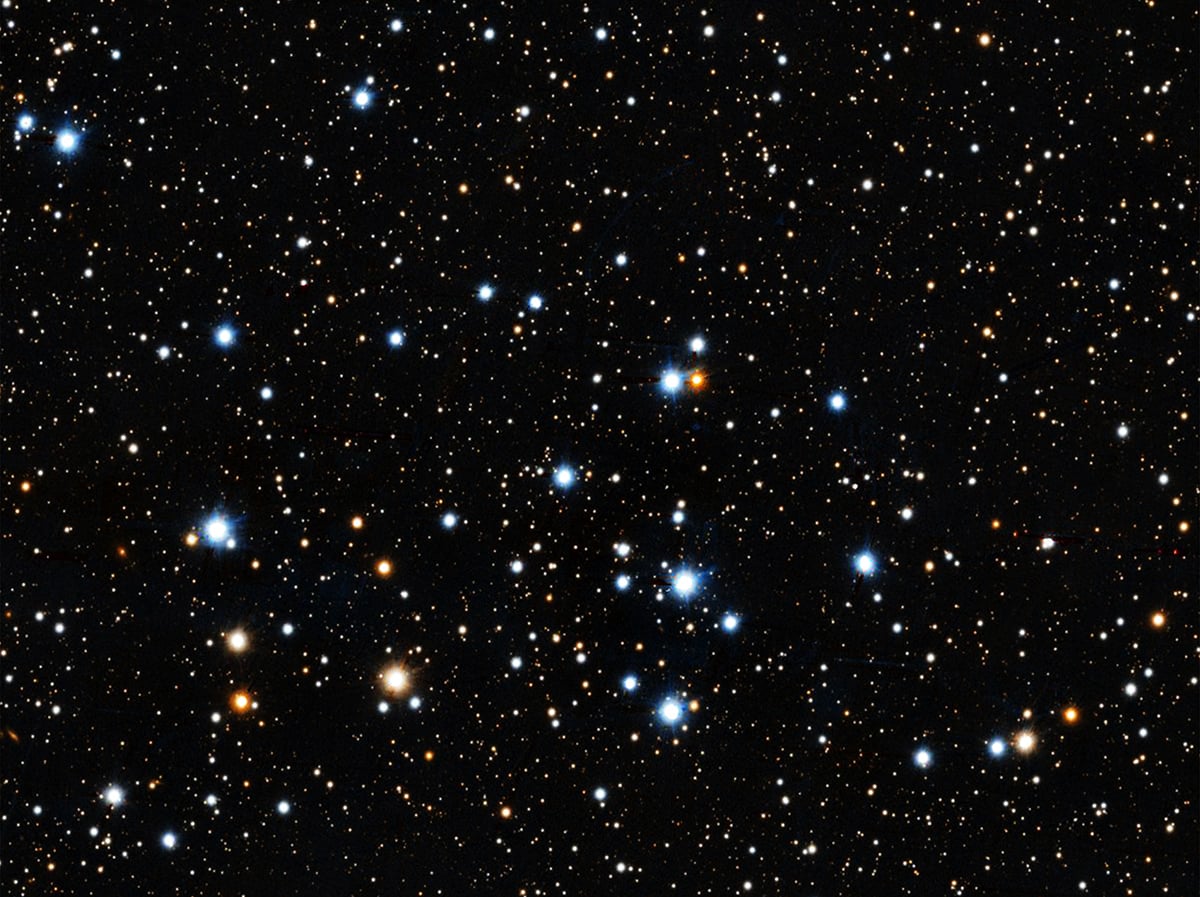
To investigate the timing of the decline in stellar activity, researchers studied Sun-like stars located in open star clusters. These clusters form from the same molecular cloud and therefore contain stars with nearly identical ages. This property makes them ideal laboratories for tracing changes in stellar behaviour over time.
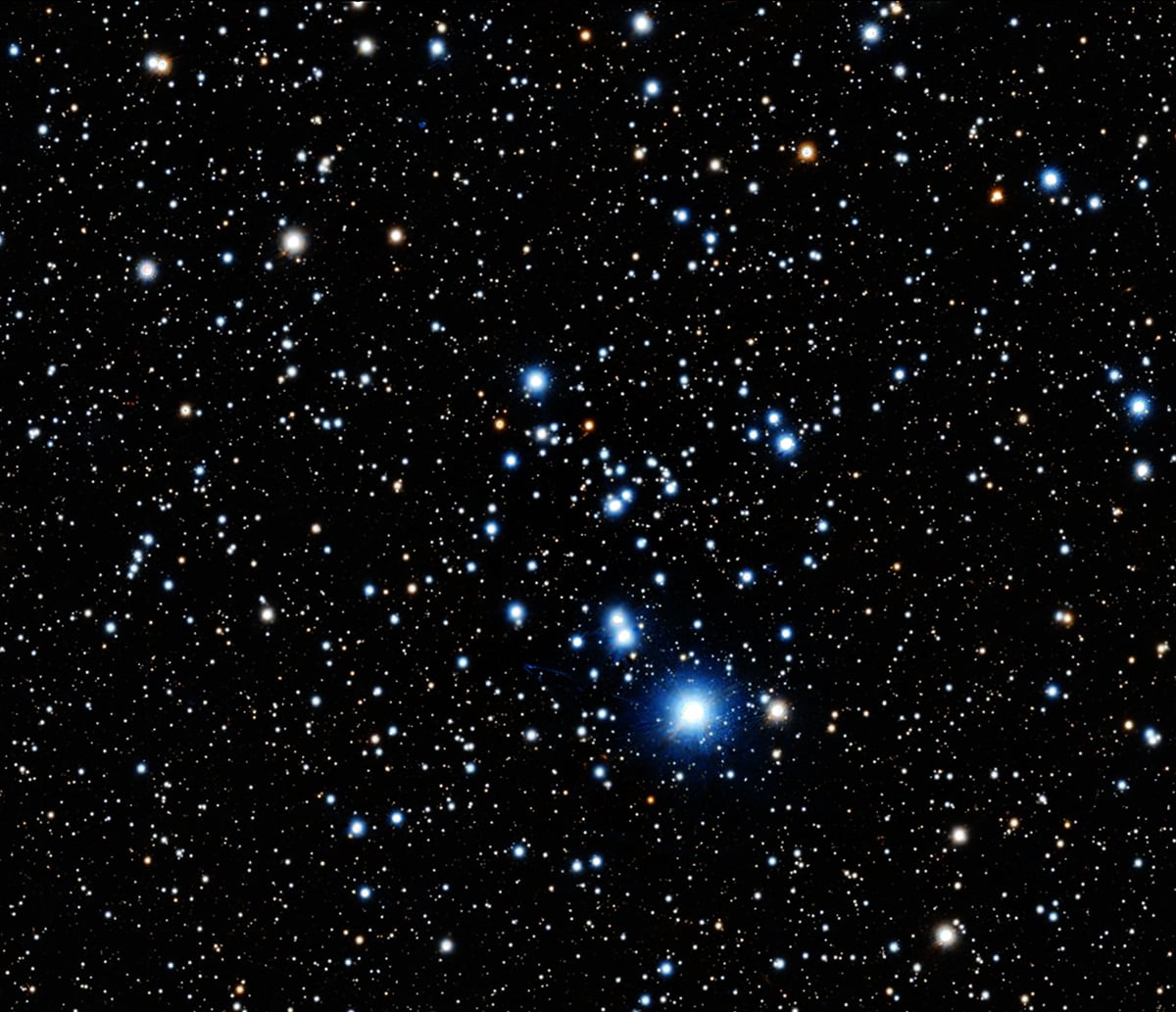
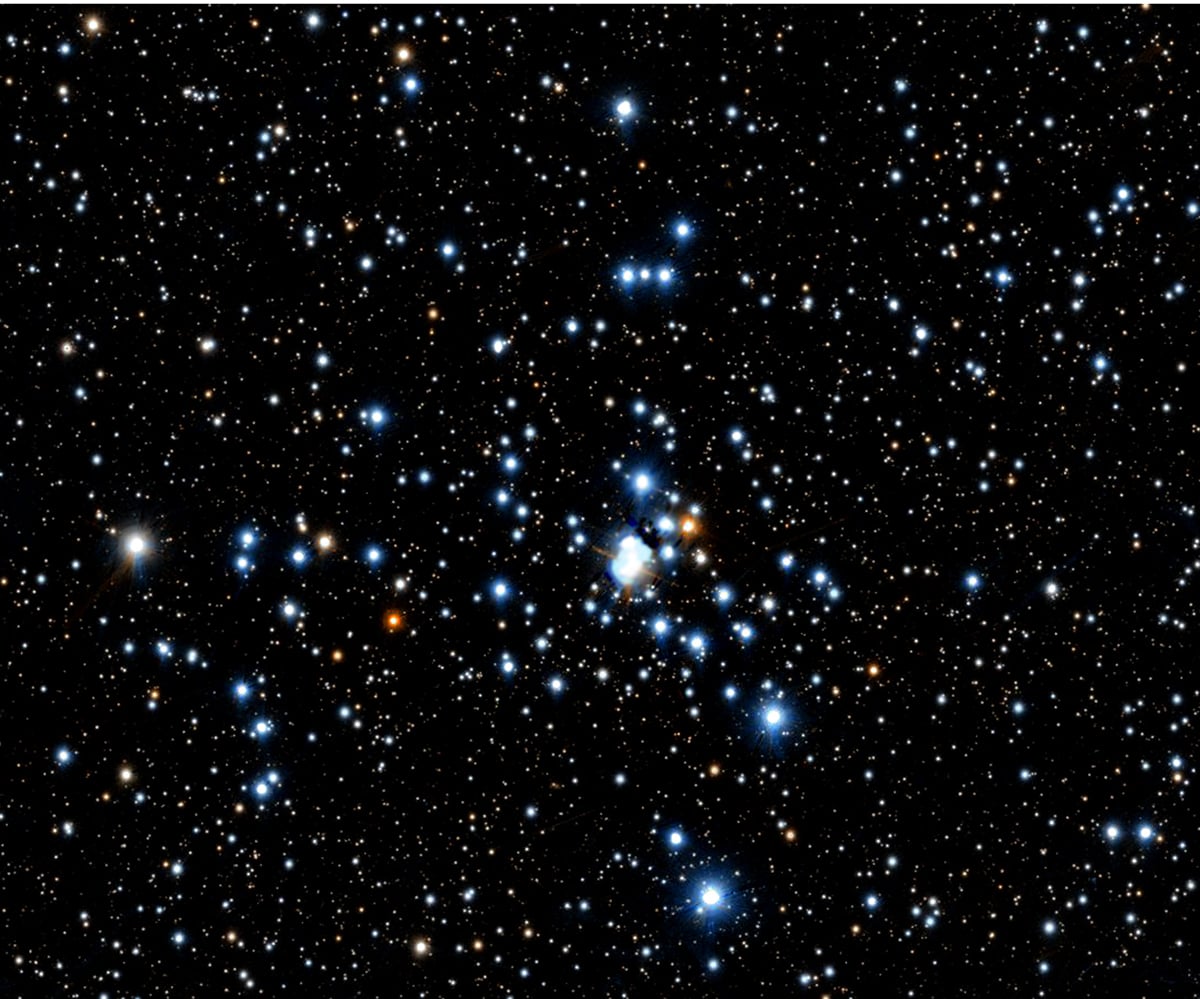
The research team examined eight open clusters with ages ranging from about 45 million to 750 million years. These clusters included systems such as Trumpler 3, NGC 2353, and NGC 2301. Each cluster provided a snapshot of stellar activity at a different moment in early evolution.
The investigators combined new Chandra observations with earlier X-ray measurements obtained by the ROSAT mission. They also used stellar distance and motion data from the Gaia spacecraft to confirm cluster membership and improve measurement accuracy. As a result, the study achieved a consistent comparison across the full age sequence.
When the team analyzed the X-ray brightness of Sun-mass stars within these clusters, they identified a clear and unexpected trend. Stars older than about 100 million years produced substantially less X-ray emission than predicted by earlier theoretical models. In many cases, the observed brightness dropped to roughly one-quarter or one-third of expected values. This decline occurred much earlier than previously assumed and indicated a rapid transition in magnetic behaviour during stellar youth.
Reconstructing the early evolution of the Sun
Astronomers cannot observe the Sun during its early history. Instead, they examine younger stars with similar mass and composition to reconstruct their past behaviour. These solar analogs serve as time markers that represent earlier evolutionary stages.
The new Chandra measurements suggest that the young Sun likely followed the same pattern seen in the observed clusters. It probably emitted strong X-ray radiation during its earliest stages and then entered a quieter magnetic phase within a few hundred million years after formation.
This transition has important implications for the early Solar System. High-energy radiation from young stars can remove gases from planetary atmospheres and alter the chemistry of planetary surfaces. A rapid reduction in X-ray emission would have limited the duration of these effects and helped stabilize conditions on the early Earth.
Such stabilization may have supported the long-term retention of Earth’s atmosphere. It also may have influenced the chemical environment in which early planetary processes developed. In this way, measurements of distant star clusters help clarify the physical history of our own planetary system.
Finding the missing evidence for early stellar transitions
For many years, astronomers understood the behaviour of very young stars and very old stars with reasonable confidence. However, the intermediate period between roughly 100 million and 700 million years remained poorly observed. This interval represents a critical stage in the evolution of stellar magnetic activity.
Open star clusters made it possible to investigate this missing stage. Because cluster stars share similar ages and compositions, they allow accurate comparisons across different evolutionary times. By studying several clusters together, researchers constructed a continuous sequence of magnetic activity changes during stellar youth.
The Chandra observations filled a long-standing observational gap and replaced earlier assumptions. These results now provide a stronger framework for interpreting the evolution of stellar rotation, magnetic activity, and coronal emission in Sun-like stars.

Clear skies!