How to Photograph Reptiles and Amphibians: Ethical Wildlife Photography Guide


How to Photograph Reptiles and Amphibians: Ethical Wildlife Photography Guide

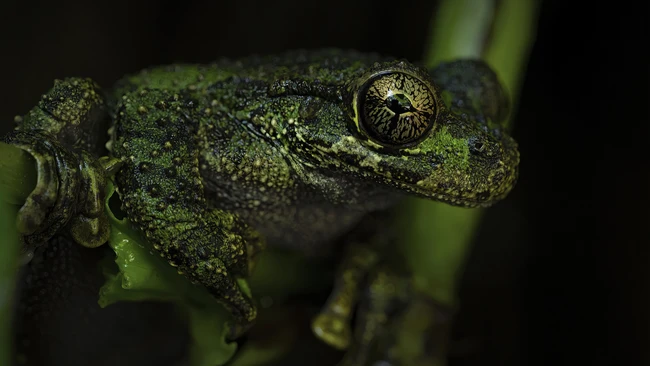
Photography has become one of the most important tools for nature conservation. Our images can help us learn about wildlife species and can also inspire our audience to join existing conservation efforts. This is certainly not an easy task, especially when many animal species fall victim not only to myths and fears, but also to what humans label as “ugly” for failing to meet certain beauty standards. 

[Read More]


Best Treats for Dogs with Allergies in 2026


If your dog is constantly scratching, chewing their paws, getting recurring ear infections, or dealing with digestive upset, their treats could be part of the problem — not just their food.

Most commercial dog treats contain multiple proteins, fillers, artificial preservatives, and common allergens like chicken, beef, wheat, corn, soy, and dairy. For a dog with food sensitivities or true food allergies, every treat matters as much as every meal.

The good news: a growing category of clean, single-ingredient, and novel-protein treats makes it entirely possible to reward your dog without triggering a reaction. This guide covers what to look for, what to avoid, and the best allergy-friendly treats available — including options you can find right at Talis-us.


Table of Contents


Food Allergy vs. Food Sensitivity: What’s the Difference?

These two terms get used interchangeably, but they’re distinct conditions — and the distinction matters for choosing treats.

Food allergies involve an immune system response. When a dog ingests a triggering ingredient, the immune system treats it as a threat. Symptoms include chronic itching (especially paws, face, belly, and ears), recurring ear infections, red or inflamed skin, hot spots, and sometimes vomiting or diarrhea. True food allergies often develop over time — a dog can become allergic to a protein they’ve eaten for years. (Bramalea Animal Hospital)

Food sensitivities (intolerances) don’t involve the immune system. They occur when a dog’s digestive system struggles to process a specific ingredient. Symptoms are primarily GI: loose stools, gas, bloating, occasional vomiting, and mild stomach discomfort. (Farm to Pet)

Both conditions require the same approach to treats: fewer ingredients, cleaner labels, and proteins your dog hasn’t been repeatedly exposed to.


Most Common Dog Food Allergens

According to PetMD and RAWZ Natural Pet Food, the most frequently reported allergens in dogs are:

Allergen Approximate Prevalence
Beef ~34% of food allergy cases
Dairy ~17%
Chicken ~15%
Wheat ~13%
Soy ~6%
Egg, corn, pork, fish, rice Less common

One crucial note: dogs can develop allergies to any protein they’ve been exposed to repeatedly — which is exactly why novel proteins (proteins the dog has never eaten before) are such an effective strategy for allergic dogs.


What Makes a Treat Safe for Allergic Dogs?

Veterinarians and pet nutrition experts consistently point to the same criteria (Farm to Pet, Pet Palace):

  • Single ingredient — One protein, no additives, no fillers; you know exactly what your dog is eating

  • Novel protein — A protein the dog hasn’t encountered before (kangaroo, venison, rabbit, cod, sardine, green mussel)

  • No chicken, beef, dairy, wheat, corn, or soy — The six most common allergen sources

  • No artificial preservatives, colors, or flavors — These add unnecessary chemical exposure

  • Minimal processing — Gentle dehydration or freeze-drying preserves nutrition without requiring additives

  • Short, readable ingredient list — If you need a chemistry degree to read the label, put it back


Treats and the Elimination Diet

If your vet has recommended an elimination diet trial (the gold-standard diagnostic for food allergies), treats become critically important — and critically dangerous if chosen incorrectly.

During an elimination diet, your dog eats only the prescribed novel protein and carbohydrate source for 8–12 weeks. Any other ingredient — including treats — can contaminate the trial and make results unreadable. (Bramalea Animal Hospital, Independence Veterinary Clinic)

During an elimination diet:

  • ✅ Use only single-ingredient treats made from the same novel protein as the elimination diet

  • ✅ Use pieces of the elimination diet food itself as treats (if the dog will accept it)

  • ❌ Avoid all multi-ingredient treats, flavored chews, processed biscuits, and rawhide

  • ❌ Avoid treats with “natural flavors” listed — this term can mask hidden proteins

If you are not currently doing an elimination diet, the same logic applies: simpler treats with fewer potential triggers give your allergic dog the best chance at symptom control.


Best Treats for Dogs with Allergies

1. 🏆 Outback Bones Single Ingredient Kangaroo Bites — Best Novel Protein Treat

Price: $23.99 | Available at: Talis-us

Kangaroo is one of the cleanest novel protein options available for allergic dogs. It’s a protein that the vast majority of dogs have never encountered before, making it ideal for both elimination diets and long-term allergy management. According to Rayne Nutrition, kangaroo is naturally lean, low in fat, and hypoallergenic by virtue of its novelty.

The Outback Bones Kangaroo Bites are a true single-ingredient treat — nothing but kangaroo. No fillers, no preservatives, no cross-contaminating proteins. At 7.05 oz per bag with 100 units in stock, this is one of the most allergy-safe treats available at Talis-us.

Key Features:

  • Single ingredient: 100% kangaroo

  • Novel protein — extremely low prior exposure in most dogs

  • Naturally lean and low-fat

  • No preservatives, fillers, or additives

  • Ideal for elimination diets

Pros:

  • Genuinely hypoallergenic for most dogs

  • Safe for training-sized portions

  • Transparent, clean single-ingredient label

Cons:

Best For: Dogs with multiple protein allergies; elimination diet support; multi-allergen sensitive dogs


2. Walk About Kangaroo Jerky Dog Treat — Best for Picky Allergy Dogs

Price: from $19.99 | Available at: Talis-us

Another standout kangaroo option from the Talis-us store. The Walk About Kangaroo Jerky delivers the same novel protein benefits as the Outback Bones bites but in a jerky format — chewy strips that many dogs find highly palatable even when they’ve been picky about other novel proteins. Perfect for training or as a high-value reward during allergy management.

Key Features:

  • Single-source kangaroo protein

  • Jerky format: highly palatable for picky dogs

  • No common allergens (no chicken, beef, wheat, corn, soy, dairy)

  • Clean label

Pros:

  • Highly motivating for training sessions

  • Great alternative when other novel protein treats are refused

  • Reliable allergy-safe option from Talis-us stock

Cons:

Best For: Training treats for allergic dogs; picky eaters on novel protein diets


3. Icelandic+ Wild-Caught Icelandic Cod Skin Chews — Best Fish-Based Allergy Treat

Price: $9.99 | Available at: Talis-us

Fish skin treats — particularly from white fish like cod — sit at the intersection of allergy-friendly and nutritionally beneficial. Cod is a novel protein for most dogs, it’s naturally low in fat, and cod skin is rich in omega-3 fatty acids that actively support skin and coat health. For dogs whose allergies manifest as itchy skin or poor coat condition, cod skin treats work on two fronts: they avoid common allergens and deliver anti-inflammatory omega-3s.

Wild-caught from Icelandic waters with a single ingredient, these chews are as clean as it gets.

Key Features:

  • Single ingredient: wild-caught Icelandic cod skin

  • Rich in omega-3 fatty acids for skin and coat support

  • Novel protein for most dogs

  • No additives, no artificial preservatives

  • Grain-free and gluten-free

Pros:

  • Dual benefit: allergy-safe + skin/coat support via omega-3s

  • Clean, transparent sourcing (wild-caught Icelandic)

  • Satisfying chew format for medium and large dogs

Cons:

Best For: Dogs with skin allergies; dogs needing omega-3 support; fish-tolerant dogs with chicken or beef allergies


4. Icelandic Cod Skin Braids for Dogs — Best Long-Lasting Allergy-Safe Chew

Price: $14.99 | Available at: Talis-us

For dogs who need longer chew time — either for enrichment or dental support — the hand-wrapped Icelandic Cod Skin Braids extend the same single-ingredient, omega-3-rich benefits of the cod chews into a longer-lasting format. Five chews per pack, hand-wrapped, wild-caught. No binders, no flavorings, nothing except cod skin.

Key Features:

  • Single ingredient: wild-caught Icelandic cod skin

  • Braided format for extended chew time

  • 5 chews per pack, hand-wrapped

  • Omega-3 fatty acids for skin and coat

  • Grain-free, gluten-free, no artificial ingredients

Pros:

  • Longer engagement time than bite-sized treats

  • Same clean, allergy-safe profile as the chews

  • Good for dogs who need dental chew alternatives without rawhide

Cons:

Best For: Dogs who need enrichment chews; dogs with chicken/beef/dairy allergies; skin-sensitive dogs


5. Talis Us Venison Sausages Dog Treats — Best Novel Red Meat Treat

Price: $13.99 | Available at: Talis-us

Venison is an excellent novel protein choice for dogs allergic to chicken or beef — it’s a red meat with high palatability but very low prior exposure in most domestic dogs. The Talis Us Venison Sausages are 6 units per pack, approximately 4.8 inches each, and made with minimal processing and no fillers. The sausage format is soft enough for senior dogs or dogs with dental sensitivities, and substantial enough to satisfy chewers.

Key Features:

  • Venison: novel red meat protein

  • 6 sausages per pack (~4.8″ each)

  • No chicken, beef, corn, wheat, or soy

  • Soft texture suitable for all life stages

  • Minimal ingredient profile

Pros:

  • High-value novel protein at an accessible price point

  • Soft format good for seniors, puppies, and small-jaw dogs

  • Own-brand Talis Us quality standards

Cons:

  • Multi-ingredient sausage format — check full ingredient list before using during strict elimination diets

  • Not a single-ingredient treat

Best For: Dogs allergic to chicken and beef; soft treat seekers; high-value training reward for allergy dogs


6. K9 Natural Green Mussels Freeze-Dried Dog Treats — Best Functional Allergy Treat

Price: $15.99 | Available at: Talis-us

Green-lipped mussels (Perna canaliculus) from New Zealand are one of the richest natural sources of glycosaminoglycans and omega-3 fatty acids — both with documented anti-inflammatory properties. For dogs whose allergies come with joint discomfort or chronic skin inflammation, green mussel treats offer genuine functional nutrition beyond just being allergy-safe.

K9 Natural freeze-dries the mussels without additives, preserving the full nutritional profile in a single-ingredient treat.

Key Features:

  • Single ingredient: New Zealand green-lipped mussels

  • Freeze-dried to preserve nutrients

  • Rich in omega-3s and glycosaminoglycans (joint + anti-inflammatory support)

  • Novel protein for most dogs

  • No grains, fillers, or artificial ingredients

Pros:

  • Functional benefits beyond just allergy management

  • Single ingredient — fully transparent label

  • Ideal for dogs with both allergies and joint issues

Cons:

Best For: Allergy dogs with secondary joint inflammation or skin issues; dogs needing omega-3 supplementation via treats


7. Hungry Paws Sardine Treats for Dogs — Best Budget Allergy-Friendly Fish Treat

Price: $8.99 | Available at: Talis-us

Sardines are an underrated allergy-friendly protein — most dogs haven’t been repeatedly exposed to them, they’re naturally rich in omega-3s, and they’re one of the most affordable single-source marine protein options available. The Hungry Paws Sardine Treats are all-natural, 3 oz, and use minimal processing — no artificial preservatives or flavors.

Key Features:

  • All-natural sardine protein

  • Rich in omega-3 fatty acids

  • No artificial preservatives, colors, or flavors

  • Grain-free

  • Affordable 3 oz pack

Pros:

  • Most budget-friendly allergy fish treat in the Talis-us range

  • Omega-3 benefits for skin and coat

  • Novel protein for most common-protein-allergic dogs

Cons:

  • Strong fish smell

  • Smaller pack size

Best For: Budget-conscious allergy dog owners; dogs with chicken/beef allergies looking for a fish-based alternative


8. Raw Dynamic Freeze-Dried Dog Treats — Best Freeze-Dried Multi-Protein Option

Price: from $8.99 | Available at: Talis-us

Raw Dynamic’s freeze-dried treats come in multiple protein varieties — making them a flexible option for allergy dogs depending on which proteins they’ve been cleared to eat. Freeze-drying preserves the nutritional density of raw ingredients without requiring heat processing or artificial preservatives. Available in 6 flavor options, each at $8.99 per 1.5 oz.

Key Features:

  • Freeze-dried raw format — no cooking, no additives

  • Multiple protein options — choose the novel protein for your dog

  • Nutrient-dense: freeze-drying locks in natural vitamins and minerals

  • Grain-free, no artificial preservatives

  • High palatability — raw format appeals to most dogs

Pros:

Cons:

Best For: Dogs whose allergens are identified and need a specific protein freeze-dried option; high-value training treats


9. GivePet Off-Leash Leisure Soft Chewy Training Treats — Best Grain-Free Soft Training Treat

Price: $9.99 | Available at: Talis-us

For dogs who need soft, pliable training treats with a grain-free formulation, GivePet’s Off-Leash Leisure line delivers. Made without corn, wheat, or soy — the three grain-based allergens most commonly implicated in canine food reactions — these 6 oz bags are practical for everyday training sessions with allergy-sensitive dogs.

Key Features:

  • Grain-free: no wheat, corn, or soy

  • Soft and chewy — easy to break into small training pieces

  • 6 oz resealable bag

  • No artificial colors or preservatives

Pros:

  • Ideal small-portion training treat for allergy dogs

  • Grain-free formulation avoids the top grain allergens

  • Affordable price point for daily training use

Cons:

Best For: Dogs with grain sensitivities; everyday soft training treats; puppies and senior dogs needing easy-chew options


Treat Ingredients to Always Avoid

For dogs with known or suspected food allergies, these ingredients on a treat label are automatic red flags:

Ingredient Why to Avoid
Chicken / chicken meal / chicken by-product 3rd most common allergen (~15% of cases)
Beef / beef meal / beef by-product Most common allergen (~34% of cases)
Dairy (milk, cheese, whey) 2nd most common allergen (~17% of cases)
Wheat / wheat flour / gluten 4th most common allergen
Corn / corn syrup / corn starch Common sensitivity trigger and nutritionally low-value filler
Soy / soy flour / soy protein Frequent sensitivity trigger; often a hidden ingredient
Artificial preservatives (BHA, BHT, ethoxyquin) No place in clean allergy-safe treats
“Natural flavors” Can mask undisclosed proteins including common allergens
Multiple protein sources Makes it impossible to identify specific triggers

How to Choose the Right Treat for Your Dog

Step 1: Know your dog’s confirmed or suspected allergens

If your vet has run an elimination diet or identified specific triggers, avoid those proteins entirely — in both food and treats. If no diagnosis exists yet, default to novel proteins (kangaroo, venison, green mussel, cod, sardine).

Step 2: Match the treat protein to the elimination diet protein

If your dog is currently on a vet-prescribed elimination diet, only use treats made from the exact same novel protein as the prescribed diet — nothing else. (Independence Veterinary Clinic)

Step 3: Read every label

Look for: single ingredient or very short ingredient list, no “natural flavors,” no chicken/beef/dairy/wheat/corn/soy, no artificial preservatives. The Talis-us single-protein and limited-ingredient badges make this easier to identify quickly.

Step 4: Introduce one new treat at a time

When trialing a new treat for an allergic dog, introduce it in isolation over 5–7 days before adding another. This makes it easier to identify if a new treat causes a reaction.

Step 5: Keep treat calories in check

Treats should account for no more than 10% of your dog’s daily caloric intake. For allergy dogs, excess treat volume can complicate symptom tracking.


Final Thoughts

The right treat for an allergic dog is clean, simple, and made from a protein your dog hasn’t been sensitized to. Single-ingredient novel protein treats — kangaroo, venison, cod, sardine, green mussel — are the safest category for most dogs with food allergies or sensitivities.

At Talis-us, we carry a curated range of allergy-friendly treats that meet our single-protein and limited-ingredient quality standards. Whether your dog is mid-elimination diet or simply does better on a cleaner treat, our Dog Health & Wellness Hub has species-specific picks to match. Browse our full allergy-friendly dog treats collection — from Outback Bones Kangaroo Bites to Icelandic Cod Skin Chews, every option is vetted to meet the Talis Curated standard. 🐾

Always consult your veterinarian before making significant dietary changes, especially if your dog is currently undergoing an elimination diet trial.



What’s the Safest Corn Snake Setup for Beginners?


Corn snakes (Pantherophis guttatus) consistently top the list of best beginner reptiles — and for good reason. They’re docile, hardy, manageable in size, and far more forgiving of minor husbandry errors than most other reptile species. With proper care, they live 15–20+ years, making them a genuinely rewarding long-term companion.

But “beginner-friendly” doesn’t mean setup is optional. The most common corn snake health problems — burns, respiratory infections, stuck shed, escape injuries — all trace back to preventable setup mistakes. Get the habitat right before your snake arrives, and you eliminate most risks from day one.

This guide covers every element of the safest corn snake setup for beginners, backed by veterinary guidance and experienced keeper recommendations.

TLDR

  • Enclosure: 20-gal for juveniles → 40-gal+ for adults; escape-proof lid with clips is non-negotiable

  • Temperature: 80–85°F warm side, 70–75°F cool side; always use a thermostat with any heat source

  • Humidity: 40–60% normally; bump to ~70% during shedding

  • Substrate: Aspen shavings or cypress mulch — never cedar or pine

  • Hides: Minimum two — one warm side, one cool side

  • Feeding: Frozen-thawed mice only; size to snake’s mid-body width; feed with tongs

  • Lighting: 8–12 hours UVA/UVB daily; no white lights at night

Table of Contents

Why Corn Snakes Are Ideal for Beginners

According to PetMD’s veterinary care sheet, corn snakes are rated “Beginner” difficulty — the only care level lower than all other popular pet snake species. Key reasons:

  • Docile temperament: Rarely bite; tolerate handling exceptionally well even as juveniles

  • Manageable size: Adults reach 4–6 feet — substantial but not overwhelming

  • Forgiving husbandry: They tolerate a fairly wide humidity and temperature range

  • Simple diet: Frozen-thawed mice; no live feeding required

  • No venom: Completely non-venomous constrictors

  • Long lifespan with proper care: 15–20+ years (Bean Farm)

As Packerland Veterinary Center notes, corn snakes have environmental requirements that are “a little less stringent than many other snakes and reptiles” — but that doesn’t mean they can be neglected. The setup you create before bringing your snake home determines the quality of every year that follows.

Enclosure: Size, Type & Escape Prevention

Size by Age

Age Minimum Enclosure Size
Hatchling / Baby 10-gallon tank
Juvenile (6–18 months) 20-gallon long
Adult (2+ years) 40-gallon breeder or larger

A 40-gallon breeder tank (36″ × 18″ × 16″) is the standard adult minimum. Larger is always better — the myth that large enclosures stress snakes is exactly that, a myth. Corn snakes thrive in larger spaces when furnished with adequate hides and cover. (Bean Farm)

Many experienced keepers recommend starting with a 40-gallon from day one to avoid multiple costly upgrades as the snake grows.

Enclosure Type

  • Glass aquariums with screen lids are the most widely available and work well for corn snakes

  • Front-opening PVC enclosures hold heat and humidity better than glass and are less startling to snakes (approaching from above triggers predator avoidance instincts)

  • Avoid fully sealed terrariums without mesh — ventilation is critical

At Talis-us, the Zilla QuickBuild Terrarium with Easy Clean Bedding Tray is a well-designed beginner option with a removable bedding tray that makes cleaning far easier — available from $159.99.

⚠️ Escape Prevention — Non-Negotiable

Corn snakes are skilled escape artists. They will probe every gap, push against lids, and squeeze through openings that seem impossibly small. (Alpha Veterinary Center)

  • Always use a screen lid with locking clips — not just a resting lid

  • Check all seams, corners, and lid edges for gaps before placing the snake

  • Never assume a lid is “tight enough” — verify with physical locks

  • A lost corn snake is a safety risk for the snake (dehydration, injury, temperature exposure) and a household stress

Temperature: The Thermal Gradient

Corn snakes are ectotherms — they regulate body temperature by moving between warm and cool zones. A proper thermal gradient is one of the most critical elements of a safe setup.

Zone Target Temperature
Warm side (basking area) 80–85°F (up to 88°F at basking spot)
Cool side 70–75°F
Nighttime (whole enclosure) 68–75°F

Two thermometers — one on each side — are essential for monitoring both zones simultaneously. Digital probe thermometers are far more accurate than stick-on dial thermometers, which are notoriously unreliable. (PetMD)

An infrared temperature gun (non-contact thermometer) is also a worthwhile investment for instant spot-checks of surface temperatures on the substrate and hides.

Heating Equipment & Thermostat Safety

This is where most beginner safety failures occur. Unregulated heat sources are the leading cause of thermal burns in captive corn snakes. (MorphMarket Community)

Safe Heating Options

Method Notes
Under-tank heat mat (UTH) Place under one-third of tank; MUST be connected to a thermostat
Ceramic heat emitter (CHE) Produces heat without light — good for nighttime use
Low-wattage basking bulb Daytime use only; switch off at night to preserve sleep cycle
Radiant heat panel Mounts to ceiling of enclosure; good for front-opening PVC enclosures

What to Avoid

  •  Heat rocks — Malfunction frequently and cause severe, slow-onset burns; banned by most experienced keepers

  •  Unregulated heat mats — Can overheat dramatically; a thermostat is mandatory, not optional

  •  Hot spots above 90°F — Snakes resting on overheated substrate suffer burns that may not be visible for days

The Thermostat Rule

Always connect every heat source to a thermostat. No exceptions.

A thermostat regulates the heat source automatically, cycling it on and off to maintain a consistent target temperature. Without one, heat mats can reach temperatures well above safe limits. This is essential safety equipment — not an optional upgrade. (Bean Farm, Packerland Veterinary Center)

Humidity & Ventilation

Corn snakes originate from the southeastern United States and need moderate humidity — not the high tropical levels of ball pythons.

Condition Target Humidity
Normal / daily 40–60%
During shedding cycle ~70%

Monitor humidity with a digital hygrometer — dial hygrometers are inaccurate and should be avoided. Most homes naturally maintain 40–50% humidity, making corn snakes particularly low-maintenance in this regard. (Bean Farm)

To increase humidity during shedding:

  • Add a humid hide — a hide box filled with damp sphagnum moss on the warm side

  • Lightly mist one end of the enclosure

  • Ensure the water bowl is large enough for the snake to soak in

Ventilation matters: Screen-top lids on glass tanks provide good air exchange. Don’t cover large portions of the screen to trap humidity — corn snakes don’t need it, and stagnant air increases respiratory infection risk.

Substrate: Safe vs. Toxic Choices

Substrate selection directly affects both safety and comfort. Some common pet store beddings are outright toxic to snakes.

✅ Safe Substrates

Substrate Notes
Aspen shavings Most popular; absorbent, allows burrowing, widely available; replace weekly if wet
Cypress mulch Holds slight moisture (helpful during shedding); safe if accidentally ingested
Coconut husk / coco fiber Good moisture retention; naturalistic appearance
Paper-based bedding Excellent for quarantine or health monitoring; easy to replace
Newspaper / paper towels Simple, functional, cheap — used by many breeders

❌ Unsafe Substrates — Never Use These

  • Cedar shavings — Contains phenolic oils that cause respiratory irritation, skin lesions, and can be fatal to reptiles (PetMD)

  • Pine shavings — Same toxic oil compounds as cedar; equally dangerous

  • Sand — Causes impaction if ingested; inappropriate for corn snakes

  • Gravel or small stones — Impaction risk; no thermoregulation benefit

Important: When feeding on loose substrate (aspen, mulch), always move the snake to a separate feeding container or bare enclosure. Snakes can accidentally ingest substrate particles while striking prey, causing life-threatening gastrointestinal obstruction. (PetMD)

Hides, Climbing & Enrichment

Hides — The Most Critical Decoration

Corn snakes are naturally secretive and spend significant time hidden. Without adequate hides, they experience chronic stress — which suppresses immune function and causes feeding refusal.

Minimum requirement: Two hides

Hides should be just large enough for the snake to fit snugly inside — too large and they won’t feel secure. Upgrade hide sizes as the snake grows.

Options include: half-log hides, cork bark caves, commercial plastic caves, upturned flower pots. All should have smooth edges with no sharp points.

Humidity Hide

Add a third hide filled with damp sphagnum moss on the warm side during shedding periods. This microenvironment helps snakes shed in a single complete piece and prevents retained shed.

Climbing & Enrichment

Corn snakes are semi-arboreal and benefit from vertical space. Add:

  • Climbing branches or driftwood — secured so they can’t shift or fall

  • Grapewood or cork bark flats — for elevated resting platforms

  • Artificial plants — provide visual cover and reduce stress

  • Rotated enrichment items — paper towel tubes, egg cartons, new hides — corn snakes are curious and benefit from novelty

Lighting Requirements

Corn snakes do not require UVB to metabolize calcium the way lizards do — but research increasingly shows that UVB exposure offers meaningful health benefits.

According to PetMD, daily exposure to UVA/UVB light can improve immune system function and promote normal behavior in snakes. Provide:

  • 8–12 hours of UV light daily to simulate a natural day/night cycle

  • No white light at night — disrupts the snake’s natural sleep cycle and affects long-term health

  • For nighttime heat without light: use a ceramic heat emitter or infrared/nocturnal bulb

  • Replace UV bulbs every 6 months — UV output degrades well before the visible light fails

If a UVB fixture isn’t in your budget initially, a simple lamp on a timer providing a regular light cycle via ambient room light is a workable starting point — as noted by Packerland Veterinary Center.

Feeding Safely

What to Feed

Corn snakes eat whole prey — exclusively frozen-thawed mice in captivity. Live feeding is unsafe: live rodents can bite and scratch snakes, causing serious injuries and potentially fatal infections. (PetMD)

Prey size: match the diameter of the prey to the snake’s mid-body width. A correctly sized meal leaves a barely visible lump after swallowing. Too large risks regurgitation; too small fails to provide adequate nutrition.

Age Prey Size Frequency
Hatchling / Baby Pinky mice Every 5–7 days
Juvenile Fuzzy / hopper mice Every 7–10 days
Adult Adult mice (or small rats for large adults) Every 10–14 days

How to Thaw Frozen Prey Safely

  1. Remove prey from the freezer and seal in a plastic bag

  2. Submerge in cold water until fully thawed

  3. Transfer to warm water (~100°F) for 10–15 minutes to warm above room temperature

  4. Never use a microwave — uneven heating creates hot spots that burn the snake’s mouth

  5. Never re-freeze thawed prey; discard if uneaten

Safe Feeding Technique

  • Always use feeding tongs — never fingers. Corn snakes have strong feeding instincts and may strike at the scent of prey on hands

  • Feed in the enclosure or a separate bare container — both methods work; the separate container approach prevents substrate ingestion

  • Feed in the evening or late afternoon when corn snakes are most naturally active

  • Wait 48 hours after feeding before handling — premature handling causes stress and regurgitation

Water & Hydration

Provide a shallow, stable water bowl large enough for the snake to soak in fully. Corn snakes absorb water through their skin and often soak before and during shedding.

  • Replace water daily — snakes frequently defecate in their water bowls

  • Disinfect the bowl weekly with reptile-safe cleaner or diluted bleach solution, rinsed thoroughly

  • During shedding, if your snake isn’t soaking on its own, provide a 10–15 minute soak in lukewarm water 2–3 times per week (PetMD)

Handling: Building Trust Safely

The First Week

Give a newly arrived corn snake at least 7 days to settle in before any handling. Allow 2–3 successful feeding sessions before regular interaction begins.

Safe Handling Technique

  • Approach from the side, not above — approaching from above triggers predator-avoidance instincts

  • Scoop from below with both hands supporting the body

  • Let the snake move through your hands — restricting movement causes panic

  • Start with 5–10 minute sessions every few days; gradually extend as the snake becomes comfortable

  • Wash hands before handling to remove food scents that may trigger a feeding strike

  • Wash hands after handling — all reptiles are potential Salmonella carriers (PetMD)

When Not to Handle

  • During the opaque (blue-eye) shedding phase — vision is impaired, stress is higher

  • For 48 hours after any feeding

  • If the snake displays defensive postures: S-curve strike stance, tail vibration, or musking

Cleaning & Maintenance

Task Frequency
Spot-clean feces and soiled substrate As needed / daily check
Refresh water bowl Daily
Check temperatures Daily
Deep-clean water bowl Weekly
Full enclosure disinfection Every 2–3 months (or immediately after illness)

For full cleaning: remove the snake to a secure container, strip all substrate and decor, scrub with reptile-safe disinfectant or a 3% bleach solution (10-minute contact time), rinse thoroughly, allow to dry completely, then replace with fresh substrate and clean furnishings. (PetMD)

7 Beginner Safety Mistakes to Avoid

  1. No thermostat on heat mats — The single most common cause of thermal burns; always use a thermostat, full stop

  2. Using cedar or pine substrate — Toxic oils cause respiratory damage and skin lesions; use aspen or cypress mulch only

  3. Lid without locking clips — Corn snakes escape through loose lids; clip every single time

  4. Heat rocks in the enclosure — These malfunction regularly and cause severe burns; remove permanently

  5. Handling within 48 hours of feeding — Causes regurgitation and digestive disruption; always wait

  6. Panicking over food refusal — Corn snakes regularly skip meals during shedding, breeding season, or seasonal changes; patience and correct husbandry solve most cases

  7. Housing multiple corn snakes together — They are solitary animals; co-habitation causes chronic stress, competition, and disease transmission (Bean Farm)

Signs of a Healthy Corn Snake

According to PetMD, look for these positive indicators:

  • ✅ Clear, bright eyes (except during opaque shedding phase)

  • ✅ Smooth, intact scales with no ulcerations or retained shed

  • ✅ Clean vent with no discharge

  • ✅ Regular tongue-flicking (active scent gathering)

  • ✅ Alert, responsive behavior when disturbed

  • ✅ Complete, single-piece sheds (“pulling off a sock”)

  • ✅ Consistent appetite on normal schedule

When to See a Reptile Vet

Contact a reptile-savvy exotic veterinarian if your corn snake shows:

  • Wheezing, open-mouth breathing, or mucus around the nose/mouth (respiratory infection)

  • Blisters, ulcerations, or discolored belly scales (scale rot)

  • Retained eye caps after shedding — do not attempt removal yourself

  • Repeated regurgitation (more than once)

  • Food refusal beyond 2 months with visible weight loss

  • Lethargy, sudden inability to move a section of the body

  • Swelling around the jaw or body

Find a qualified reptile veterinarian before you need one — not in an emergency. Ask your local exotic vet practice if they have reptile experience, and bring photos of your enclosure setup to annual checkups so the vet can assess full husbandry. (PetMD)

Beginner Setup Checklist

Before your corn snake comes home, confirm every item on this list:

Item Specification
☐ Enclosure 20-gal minimum (juvenile); 40-gal+ for adults
☐ Secure lid Screen lid with locking clips — no exceptions
☐ Under-tank heat mat or basking bulb Covering 1/3 of enclosure floor
 Thermostat Connected to every heat source
☐ Two digital thermometers One warm side, one cool side
☐ Digital hygrometer For humidity monitoring
☐ UVB/UVA lighting + timer 8–12 hour light cycle
☐ Two hides minimum One warm side, one cool side
☐ Humidity hide + sphagnum moss For shedding support
☐ Safe substrate Aspen shavings or cypress mulch
☐ Water bowl Large enough for full-body soaking
☐ Climbing branch or cork bark Secured in place
☐ Feeding tongs Long-handled for safe prey delivery
☐ Frozen-thawed mice (various sizes) Sized to snake’s mid-body width

Final Thoughts

Corn snakes reward beginner keepers who invest time in getting the setup right. The key safety pillars are simple: correct temperatures with thermostat-controlled heating, safe substrate, escape-proof enclosure, adequate hides, and frozen-thawed prey offered with tongs. Get those fundamentals in place, and your corn snake will thrive for two decades or more.

At Talis-us, our reptile section stocks terrarium enclosures, heating equipment, and habitat essentials curated to our quality standards. Check out the Zilla QuickBuild Terrarium as a strong beginner enclosure option, and browse our Reptile Health & Wellness Hub for species-specific gear guides and expert picks. 🦎

Always consult a reptile-experienced exotic veterinarian for health concerns specific to your snake.


Scientists May Have Found the Missing Piece in Feline Kidney Disease – Catster


One of the most upsetting parts of caring for an elderly cat is the knowledge that there is a very high chance that your feline friend will eventually develop kidney problems; with an incidence of around 80% in geriatric cats, it is less a question of “if” but “when.” And one of the most disheartening parts of being a veterinarian is feeling powerless to prevent or eliminate this inevitable progression in our feline patients. However, a recent article published in Frontiers of Veterinary Science by a group of researchers from the School of Veterinary Medicine & Science at the University of Nottingham, UK, has revealed that a previously overlooked feature of feline urine and kidneys may hold the key to understanding why this species is almost destined to succumb to renal failure, and provide the first meaningful target for the prevention and treatment of this debilitating disease.1


What Is Chronic Kidney Disease?

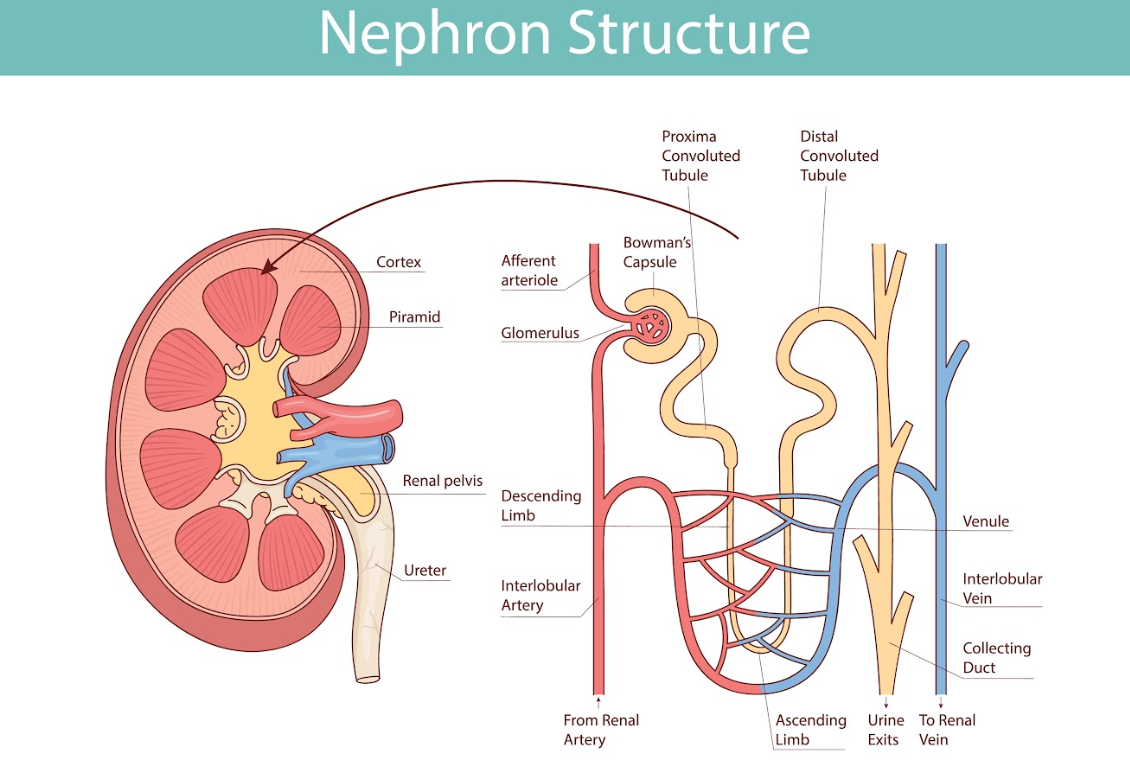
When we talk about kidney (or renal) disease in cats, we are usually referring to Chronic Kidney Disease (CKD), a progressive condition where the functional units of the kidney, called nephrons, are depleted. The remaining nephrons compensate for this loss for a time, but eventually, even with adjustments to the diet, fluid intake, and electrolyte balance, the kidney loses its ability to adequately remove waste products from the blood. This is known as renal failure. In humans, this is the point at which dialysis and kidney transplants would be implemented, but for cats, this stage of kidney disease is invariably fatal.

Cats can also suffer from acute kidney disease as a result of trauma, dehydration, toxins, infection, or urethral obstruction, and depending on the cause, they can recover from such an illness. However, any form of renal disease is likely to cause a loss of nephrons, which may lead to or speed up the onset of chronic kidney disease.

Scientists May Have Found the Missing Piece in Feline Kidney Disease – Catster

There have been a number of hypotheses put forward to explain why cats are more susceptible to renal disease than other species, including:

  • Cats have fewer nephrons compared with other species2
  • As obligate carnivores, cats consume a higher concentration of protein compared to other species, putting a higher strain on the nephrons
  • Domestic cats are often fed on dry kibble, predisposing them to chronic, subclinical dehydration
  • Due to improved healthcare and husbandry, cats are living longer, making their kidneys more susceptible to the effects of aging
  • The selective breeding of cats has led to an increase in congenital and genetic renal dysfunction

some or all of which may be true.

But according to the University of Nottingham researchers, the answers may lie in fat droplets.

female veterinarian checking up a red cat
Image Credit: PRESSLAB, Shutterstock

Lipid Droplets in Felid Kidneys

Apart from the love of a long nap and a tasty meal, something that humans and cats have in common is that we are both known to exhibit lipid (fat) droplets in the renal tubules and lipiduria (fatty material in the urine). However, unlike in humans, where the presence of these lipid deposits is known to be associated with some severe kidney disease and dysfunction, lipiduria and renal lipid droplets have been historically dismissed as an incidental and inconsequential finding in cats.3 But according to the new study from the University of Nottingham, this assumption may prove to have been a costly one.

In hindsight, the fact that cats producing lipiduria also had significantly reduced renal cortical density (where the nephrons are located) would obviously point to diminished renal function, so why has it taken so long for this link to be confirmed?

It would appear that, until now, the exact properties of the lipid droplets found in feline kidneys had not been discovered. In the University of Nottingham study, several lipidomic approaches, including chromatography, fatty acid characterization, and mass spectrometry, allowed researchers to characterize these lipid droplets more accurately than ever before.


What Are The Implications?

Before we start celebrating the end of kidney disease, that’s not quite what this means. However, in an ongoing quest for greater understanding of the hows and whys of feline CKD, this may prove to be a significant moment. Unlike many of the factors that may contribute to the high incidence of kidney failure in cats, which are largely unchangeable, the early identification of those cats with lipid droplets in the renal tubules could provide vets and scientists with a tangible problem to solve. It might not be a cure, but it would appear to be one step closer to it.

Feature Image Credit: Elpisterra, Shutterstock


Did You Know? 

  • Our brand-new posts are rounded up and included in our weekly emails. Don’t miss out on the latest – sign up for our newsletter below!


On The Hunt for Condor Eggs! – Cincinnati Zoo & Botanical Garden


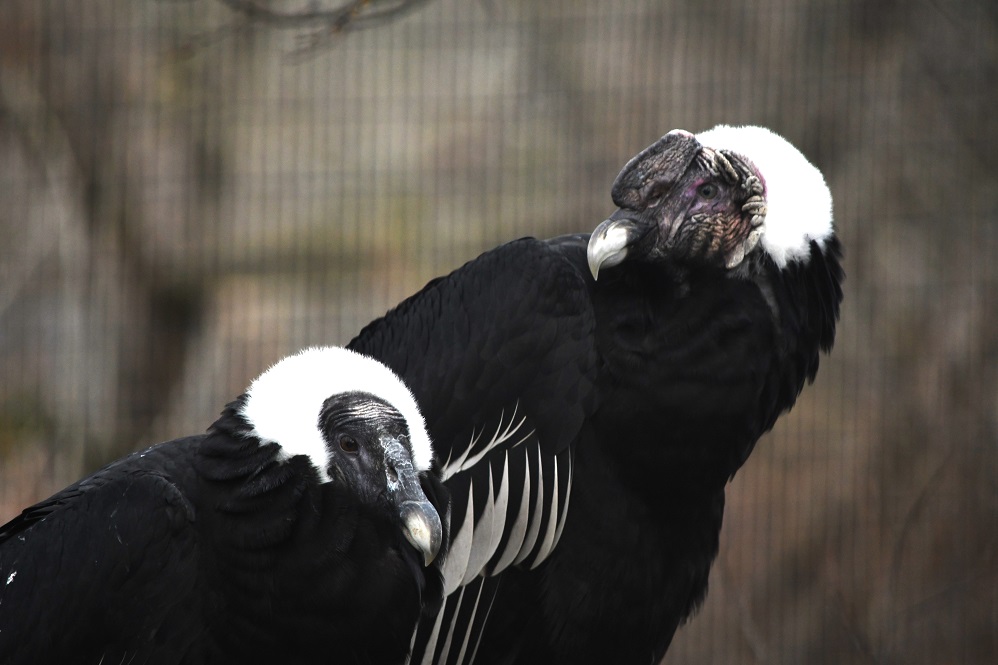
Any eggs produced by Gryph and Quechua would be invaluable to condor conservation. Wild condors are facing an uncertain future, as habitat loss and pesticides have caused their numbers to quickly drop. Condors, like the turkey vultures in our own backyards, are an important part of the ecosystems they live in. They scavenge leftovers other predators leave behind, which helps keep habitats clean and prevent the spread of disease. The Cincinnati Zoo & Botanical Garden partners with the Andean Condor Species Survival Plan (SSP) to help raise healthy condors in human care so condors can be re-introduced to the wild in the future.

The next time you’re here at the zoo, swing by Roo Valley to say hi to our condors and ask our Animal Excellence Scientists if they have any “egg-citing” updates to share!


What Should I Feed My Bearded Dragon? A Complete Diet Guide


Bearded dragons (Pogona vitticeps) are one of the most popular reptile pets in the US — and for good reason. They’re social, curious, and relatively hardy. But their diet is anything but simple. Get it wrong, and you risk Metabolic Bone Disease (MBD), obesity, or worse. Get it right, and your beardie will thrive for 10+ years.

This guide covers everything: what to feed, how much, how often, what to avoid, and how to supplement properly — all based on veterinary guidance and reptile nutrition research.

Table of Contents

Are Bearded Dragons Omnivores?

Yes. Bearded dragons are true omnivores — they eat both animal-based and plant-based food. According to VCA Animal Hospitals, they have sharp vision and a keen sense of smell, and in their native Australian arid habitat, they consume a wide variety of insects, leafy plants, flowers, and occasional small vertebrates.

The key insight: dietary needs shift significantly with age. Young dragons are primarily insectivores fueling rapid growth. Adults flip toward herbivory, with plants making up the bulk of their meals.

The Golden Rule: Diet Ratio by Age

The single most important concept in bearded dragon nutrition is the insect-to-plant ratio, and it changes as your dragon grows.

Age Insects Plants
Baby (0–3 months) 70–80% 20–30%
Juvenile (3–12 months) 50–60% 40–50%
Adult (12+ months) 20–25% 75–80%

As Dragon’s Diet notes, adult dragons are more sedentary than their wild counterparts, so an insect-heavy diet risks obesity. Of the plant portion, 80–90% should be vegetables (primarily dark leafy greens) and only 10–20% should be fruit.

Best Insects for Bearded Dragons

Insects are your dragon’s primary protein source. Always purchase feeder insects from a reputable supplier — never collect from the wild, your backyard, or a bait shop, as they may carry parasites, pesticides, or pathogens. (NC State Veterinary Hospital)

Staple Insects (Daily or Regular Feeders)

  • Dubia Roaches — The gold standard. Low in fat, extremely high in protein, quiet, can’t climb or fly, and won’t infest your home. Nutritionally superior to crickets by a wide margin.

  • Crickets — The most widely available feeder insect. Protein- and calcium-rich, but noisier and harder to contain.

  • Black Soldier Fly Larvae (BSFL) — Naturally high in calcium, making dusting less critical. Excellent for MBD prevention and reversal. (Fluker Farms)

  • Silkworms — Soft-bodied and rich in calcium, protein, phosphorus, and potassium. Easy to digest for all ages.

Occasional/Treat Insects

  • Superworms — High protein (~17–20%), good for juveniles and subadults, but limit for adults due to fat content.

  • Phoenix Worms — Small but nutrient-dense; better as a snack than a staple for large adults.

  • Wax Worms — High fat, so treat-only. Think of them as dessert.

  • Mealworms — For adults only. Their tough exoskeleton can cause gut impaction in young dragons.

⚠️ Size Rule

Feed insects no larger than the space between your dragon’s eyes. Oversized feeders can cause choking or neurological stress. (Dragon’s Diet)

Best Vegetables for Bearded Dragons

Dark leafy greens are the cornerstone of a beardie’s plant diet. Offer them finely chopped, washed thoroughly, and mixed to prevent selective eating. Raw is preferable to cooked — it’s more natural and retains more nutrients. (VCA Animal Hospitals)

Staple Greens (Daily)

Good Rotation Vegetables (A Few Times Per Week)

Occasional Vegetables (Every 1–2 Weeks)

  • Kale — nutrient-rich but contains goitrogens (thyroid-suppressing compounds) in excess

  • Bok choy, green cabbage, red cabbage — same goitrogen caution

  • Cucumber, okra, peas, pumpkin, zucchini

⚠️ Limit These

  • Spinach, Swiss chard, beet greens — contain oxalates that bind calcium and block absorption; fine occasionally, but not as staples

  • Iceberg/head lettuce, celery — nutrient-void, high fiber, and can trigger diarrhea; avoid

Safe Fruits — and How Often to Offer Them

Fruits are high in sugar and low in minerals, so they stay at 10–20% of the plant portion — a treat, not a staple. Always remove seeds and cut into bite-sized pieces.

Fruit Frequency
Mango, papaya A few times per week
Blueberries, strawberries, grapes, peaches Weekly
Apples (peeled), guava Weekly
Figs, blackberries, apricot Every other week
Bananas (with or without peel) Once or twice a month
Watermelon, pineapple, cherries Monthly
Dates, raisins, pears Very rarely

Edible flowers — dandelions, hibiscus, roses, carnations, geraniums, nasturtiums — are also a welcome treat. If purchased from a floral shop, confirm no pesticides or chemicals were applied. (VCA Animal Hospitals)

Foods to Never Feed Your Bearded Dragon

Some foods are not just poor choices — they’re genuinely dangerous. This list should be posted near your enclosure.

☠️ Toxic or Lethal

  • Fireflies / any glowing insect — Toxic to bearded dragons; even a single firefly can be fatal. (ASPCA)

  • Avocado — Poisonous to reptiles

  • Rhubarb — Toxic oxalic acid content

  • Onion and garlic — Toxic compounds

  • Wild-caught insects — Risk of parasites, insecticides, and pathogens

❌ Harmful or Nutritionally Damaging

  • Any insects from outside, the garden, or bait shops — Pesticide contamination risk

  • Citrus fruits — Highly acidic; irritates the digestive system

  • Mushrooms — Potentially toxic depending on species

  • Iceberg lettuce — Causes diarrhea; zero nutritional value

  • Dead insects — No nutritional value and potential pathogen risk

  • Elderbugs and venomous insects

Gut-Loading and Dusting: Why Both Matter

Insects alone don’t provide balanced nutrition — they have an inherently poor calcium-to-phosphorus ratio. Two techniques correct this:

Gut-Loading

Feed your feeder insects a nutrient-rich diet 24–72 hours before offering them to your dragon. Whatever the insect eats passes on to your beardie. Commercial gut-loading diets are available at most pet stores; fresh vegetables also work well. (NC State Veterinary Hospital)

Dusting

Lightly coat insects with calcium powder by shaking them in a small bag before feeding. This supplements what gut-loading may miss — but dusting is not a substitute for gut-loading, it’s an addition to it.

According to Bird & Exotic Vet, adequate calcium levels are critical for preventing Metabolic Bone Disease (MBD), one of the most common and serious health conditions in captive reptiles.

Calcium, Vitamin D3, and Supplements

Bearded dragons have a higher calcium than phosphorus requirement, particularly juveniles whose bones are actively developing. (VCA Animal Hospitals)

Here’s the standard supplementation protocol recommended by most exotic vets:

Supplement Frequency Notes
Phosphorus-free calcium powder Daily Dust onto food; calcium gluconate, lactate, or carbonate
Calcium + Vitamin D3 powder 2–3x per week D3 enables calcium absorption; essential if UVB lighting is limited
Reptile multivitamin 1–2x per week Consult your vet for brand and dosing

Critical note: Over-supplementation with D3 is toxic. Don’t exceed recommended frequency without vet guidance. If your dragon receives adequate UVB exposure (12+ hours of proper UVB daily), D3 supplementation needs may be lower.

Hydration: Water, Misting, and Soaking

Bearded dragons in the wild get most of their water from morning dew and the moisture in plant matter. In captivity:

  • Keep a shallow, stable water dish available at all times; replace daily and disinfect the dish daily

  • Mist leafy greens and leave them wet — many dragons drink droplets rather than from a bowl

  • Soak your beardie in warm, shallow water 2–3 times per week for several minutes — this supports hydration and helps with shedding

  • If your dragon doesn’t drink from a dish, use a plant mister to spray them directly 1–2 times per day (Dragon’s Diet)

Feeding Schedule by Age

Age Feeding Frequency Insects Per Session Salad/Veg
< 1 month 2–3x daily Pinhead crickets / fruit flies (as many as eaten in 10–15 min) Offered at every meal; dragon may ignore
1–4 months 2x daily Crickets, occasional superworms Daily, finely chopped
4 months – 1 year Once daily Crickets, roaches, worms Every other day salad + daily veg
Adult (12+ months) Once daily or every other day Insects max 25% of diet Salad and veg daily; left in enclosure

Remove uneaten live insects after 10–15 minutes — some can bite your dragon while it sleeps. (RSPCA)

When to Call an Exotic Vet

Diet-related health issues in bearded dragons often appear gradually. Contact a reptile-savvy exotic vet if your dragon:

  • Stops eating for more than 1–2 days (adults) or 24 hours (juveniles)

  • Shows soft or deformed bones, twitching, or difficulty walking (signs of MBD)

  • Has persistent watery, foul-smelling, or discolored stools

  • Stops defecating entirely

  • Appears lethargic, sunken-eyed, or has significant weight loss

  • Develops swelling around the jaw or limbs

Metabolic Bone Disease, impaction, and parasites are the most common diet-related emergencies — and all are preventable with the right nutrition and care.

Final Thoughts

A healthy bearded dragon diet isn’t complicated once you understand the framework: insects + dark leafy greens + a small amount of fruit, adjusted by age, with consistent calcium supplementation and proper UVB lighting. The details — which insects, which greens, how often — are what this guide is for.

At Talis-us, our Bearded Dragon HQ carries vet-vetted feeder insects, calcium supplements, and gut-loading diets that meet our curated quality standards — so you never have to guess what’s safe for your dragon. Browse our Reptile Health & Wellness Hub for species-specific picks, comparison charts, and expert guides.

Always consult a reptile-savvy exotic veterinarian for dietary recommendations specific to your dragon’s age, weight, and health status.


WAN Exclusive! From Racetrack To Research Lab: Retired Racehorses Abused In New NIH Experiments  – World Animal News


WAN Exclusive! From Racetrack To Research Lab: Retired Racehorses Abused In New NIH Experiments  – World Animal News


A disturbing new investigation by White Coat Waste (WCW) has uncovered what many animal advocates are calling one of the most heartbreaking examples of taxpayer-funded animal abuse yet, this time involving one of America’s most iconic and beloved animals: horses.

According to documents obtained by WCW through the Freedom of Information Act, a lab at Cornell University, funded by the National Institutes of Health (NIH), is subjecting retired racehorses to invasive and deeply troubling miscarriage experiments.

In these experiments, mares as young as four and as old as 22 are artificially inseminated, only to have their pregnancies deliberately terminated weeks later. Tubes are inserted through their cervixes to extract embryos, which are then dissected. Over the course of the project, approximately 80 horses are expected to endure these cruel procedures.

Many of these animals are former racehorses, individuals who were used for profit on the track and have already endured significant physical demands for profit. Instead of being given the chance to live out their lives in peace, they are now being funneled into laboratories for further exploitation.

Even more alarming, grant documents reveal that horses may be euthanized if they cannot be rehomed after the experiments conclude. In other words, their fate is uncertain from the moment they enter the lab.

The project began with $924,002 in taxpayer funding in June 2025 and is expected to receive an additional $3.6 million, running through 2030. This new funding comes despite public promises from officials like Secretary Robert F. Kennedy Jr. to dramatically reduce NIH animal testing.

“White Coat Waste’s new investigation exposes how racehorses are being relegated to cruel taxpayer-funded miscarriage experiments instead of being humanely retired, thanks to the NIH,” Kailey Mauro, Research and Investigations Manager at government watchdog White Coat Waste, told WAN. “Records we obtained show that these heartbreaking horse experiments started being funded months after RFK, Jr. promised a dramatic reduction in NIH animal testing. Taxpayers want this government-funded animal abuse to end, and we’re leading the effort to hold NIH accountable and shut it down. The solution is simple: Stop the money. Stop the madness.”

World Animal News has long reported on investigations by White Coat Waste, helping shed light on the suffering of animals hidden behind laboratory doors. Previous exposés have achieved major victories for lab animals at agencies including the Centers for Disease Control and Prevention, the Environmental Protection Agency, the Department of Defense, the Navy, and the Department of Veterans Affairs. This latest investigation underscores that, despite efforts to curb animal testing across multiple agencies, taxpayer-funded experimentation continues.

At its core, this issue goes beyond science or funding; it is about values. Horses are not disposable research tools. They are sentient beings capable of feeling pain, forming bonds, and deserving to live with dignity and compassion, not subjected to cruel and invasive experiments.

“Horses deserve protection, dignity, and compassion. Subjecting former racehorses to cruel experiments funded with federal dollars is unacceptable, and I urge the NIH to cancel the tests,” Rep. Dina Titus (D-NV) told WAN.

Take Action! Please contact RFK Jr.’s office at (202) 690-7000 and politely urge him to cut NIH funding for cruel horse experiments at Cornell University. If you can’t get through, try (202) 690-5627.


Endangered Sea Turtles Recovering from Frostbite and Pneumonia Need Your Support | The Animal Rescue Site


Thanks to your donations, Operation Turtle Takeoff has saved hundreds of cold-stunned sea turtles from the coast of New England and flown them to southern states to recover. 

Endangered Kemp’s ridley sea turtles like Indiana Dunes and Gateway Arch. These injured turtles made a flight and arrived at Mississippi Aquarium in urgent need of medical care.

Endangered Sea Turtles Recovering from Frostbite and Pneumonia Need Your Support | The Animal Rescue Site

Photo: Greater Good Charities

Marine biologist examined them and discovered that both were suffering from frostbite and pneumonia. Indiana Dunes is missing some tips of the right front flipper and both hind flippers, while Gateway Arch is missing the right hind flipper and part of the shell. 

rescued sea turtle on exam table at rehab clinic

Photo: Mississippi Aquarium

With your support, they can recover and return to the open water. It is a long and expensive process to rescue cold-stunned sea turtles, rehabilitate them, and then release them back into the ocean.

injured sea turtle with Gateway Arch written on shell

Photo: Mississippi Aquarium

Kemp’s ridley turtles are the most endangered sea turtle species with only roughly 22,000 remaining. Each year, rehabilitation centers see an influx of cold-stunned turtles in need of care.

rescued sea turtle on exam table at rehab clinic

Photo: Mississippi Aquarium

According to Mississippi Aquarium, “Turtles are unable to regulate their body temperatures, and when the water temperature becomes too cold, the turtles become weak and have difficulty swimming. They float at the surface of the water, stop eating, suffer from frostbite, and become susceptible to secondary infections as well as other health problems.”

rescued sea turtle on towel with 29 written on shell

Photo: Mississippi Aquarium

Your donation will help fund their recovery and each dollar donated will give you an opportunity to help rename these survivors. We think they deserve new names for their fresh start. Pick your favorite when you make your donation and stay tuned to see what names are chosen. 

We have three name pairs to choose from: 

🐢 Option 1: Lord Flippertons & Duchess Paddlesworth

🐢 Option 2: Leonardo & Michelangelo

🐢 Option 3: Turt Reynolds & Shelly

person with purple gloves holding sea turtle at rehab clinic

Photo: Greater Good Charities

Donate today to help save sea turtles and help them return to the open water.