The Fujifilm GFX50S II can turn a familiar coastal village into something sharp, calm, and deliberate at blue hour. When light and artificial glow have to balance perfectly, small decisions with lens choice and composition carry real weight.
The winners of Underwater Photographer Of The Year 2026 have been announced – and this year’s competition is a stirring tribute to ocean life in all its tenderness, power, and complexity.
Taking the top title, UK-based photographer Matthew (Matty) Smith has been named Underwater Photographer of the Year (UPY) 2026 for his unforgettable image named Rockpool Rookies. The photograph captures an adorable pair of Southern elephant seal pups in a rockpool on the Falkland Islands, and it triumphed over 7,900 entries from underwater photographers around the world.
“Once their pups are weaned, elephant seal mothers abandon them ashore,” Matty explains.
“I watched dozens clamber over one another in shallow rockpools, awkwardly learning to swim. On my very first evening, the sky ignited with colour and I captured a handful of frames before the light vanished. It was the defining moment of the long trip.”
Chair of the judging panel, marine ecologist Dr Alex Mustard, praised both the technical skill and the story behind the image. “The lives of elephant seals traverse land and sea; they are born on wild shores, but thrive in frigid waters,” he said.
“Smith used a special dome that he built himself to capture the revealing under-over perspective, perfectly balancing his lighting on the pups’ fur with the setting sun. Elephant seals were hunted right to the brink of extinction. Their oil rich blubber was used for everything from fuel for lighting to margarine. Fortunately, the hunt was stopped just in time, and their recovery over the last 100 years is a great example of resilience of the ocean. A beautiful and hopeful photograph.”
In addition to winning the overall first place, this photo brought Matty the victory in the Portrait category, too.
Let me tell you more about the contest itself. Underwater Photographer of the Year is an annual UK-based competition celebrating photography beneath the surface of oceans, lakes, rivers, and even swimming pools. First run in 1965, the contest has grown into one of the world’s most respected underwater photography awards.
This year, the contest got 7,934 entries from photographers across 28 countries, in 14 categories:
Underwater Photographer of the Year
Up & Coming Underwater Photographer of the Year
Marine Conservation Photographer of the Year
Macro
Wide Angle
Behaviour
Wreck
Coral Reefs
Black & White
Portrait
Compact
Smartphone
British Waters Wide Angle
British Waters Macro
Like every year, Underwater Photographer Of The Year 2026 proves that there is so much magic beneath the surface. I’m happy to show you the category winners below, and make sure to visit the contest website for more info.
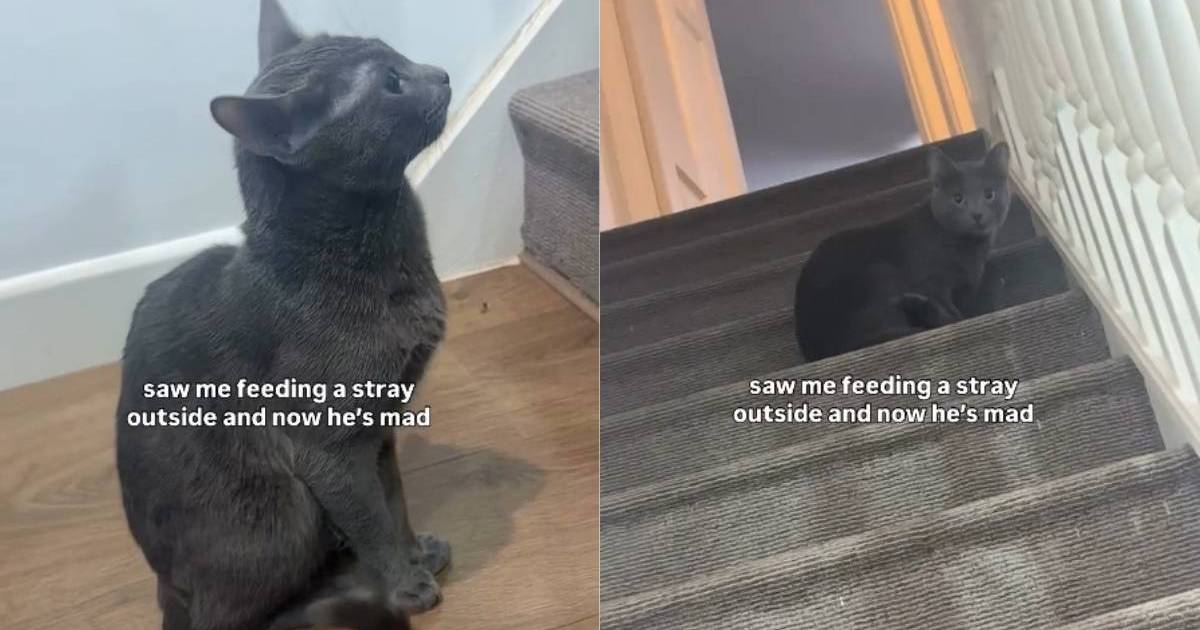
Kosmo’s mom thought her secret snack session with the neighborhood stray was private, but her Russian Blue witnessed the whole betrayal. The video from @kosmothetalkingcat shows the cat sitting near the stairs like any other day. But when his mom reaches out to touch him, he pulls away with a sharp flick of his ears.
This jealous cat is definitely not over the “other” cat getting a meal. He saw her feeding the stray outside. Usually, Kosmo is very talkative, but right now, his icy stare says everything his mom needs to know.
Cat runs away from owner in cute video
Kosmo bolts up the stairs so fast that one commenter wrote, “Damn, he FLEW up those steps.” And it’s true. The video catches his mom’s hand just landing on the floor where Kosmo used to be. Another person called it “the brutal cold shoulder,” which is accurate.
His mom pans the camera upward, and there he is. He even chooses a higher step to sit down. Then he turned around and glared at his mom. This breed can be pretty sensitive about their humans. And Kosmo apparently told her a few weeks ago that strays were a no-go. Someone in the comments joked that she didn’t learn her lesson the first time.
Watching the video of the cat escape his mom’s touch is actually hilarious. He is definitely making a point. Another person said he basically told her to go pet “straylina” outside. He is definitely keeping it real. He just sits there and watches her, wondering why she is still trying to talk to him after “cheating” on him with the other one.
People can’t believe how fast he moved. He is clearly not ready to forgive her for the betrayal. You can tell he doesn’t need to be anywhere specific. He just knows he does not want to be near her. And he is making sure everyone on the internet knows it. It is just typical behavior for a pet who knows they are the star. He is definitely not sharing the spotlight with any strays.
3 Nikon Lenses That Are Perfect for Bird Photography
Subscribe here for an ad-free experience!
We use cookies to ensure that we give you the best experience on our website. If you continue to use this site we will assume that you are happy with it.
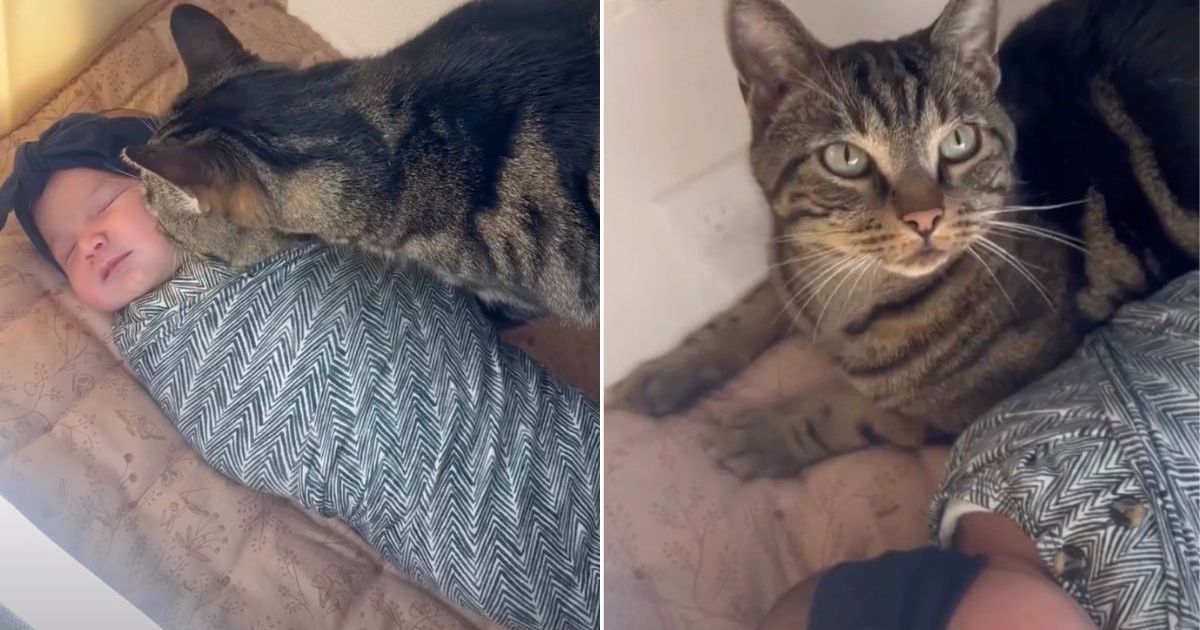
Trying to keep a nursery off-limits is basically impossible when the resident feline decides he’s the primary caregiver. Chase is a massive star over at @dontstopmeowing, and he’s taking his big brother duties way too seriously. This video captures the cat perched on a nightstand before he executes a very deliberate move into the baby’s bassinet. The cat is just trying to get close to the newborn baby. He walks so gently, and he doesn’t even care about the house rules. Chase just wants to sniff his new human sibling and take a long nap right next to her.
Cat wants to sleep in baby’s bassinet in cute video
The video shows the cat walking right up to the baby’s face for a quick sniff. Satisfied with the inspection, he just flops down along the length of the infant. The mom is filming, and she can’t stop giggling at what’s going on. Chase just looks at the camera like he’s the one being weird.
His tail is swishing because he is genuinely happy. But the owner has to remind him that this isn’t his bed, which leads him to let out this tiny, whiney meow when she tries to physically move him. Chase really does not want to go.
Mom says he can’t just sit in there, but Chase is persistent. He is a very determined cat. One viewer even noted that his meow was super quiet, like he was trying not to wake the baby up. Mom eventually has to let things be as they are for the moment. The clip cuts to later, and Chase is fast asleep in the bassinet with one arm draped over the infant’s belly. It’s the sweetest thing ever caught on video.
“It’s his baby now,” the caption says, and the internet is obsessed. Over 80,000 people have liked the post already. People in the comments are calling him the protector of the house. Someone even mentioned the scene needs to be a painting. He is just babysitting for Fifi and Kareem, who know a thing or two about raising gentle, sensitive cats, and Chase seems to have it under control.
The Lomography Joseph Petzval 35mm f2 is The Best Thing
Subscribe here for an ad-free experience!
We use cookies to ensure that we give you the best experience on our website. If you continue to use this site we will assume that you are happy with it.
Many cat parents pour kibble into their cat’s bowl whenever it looks empty, maybe top off the water, and call it a day. The cats seem fine, so what’s the problem? Turns out, the way most of us feed our cats, while convenient, isn’t actually ideal for their health. Feeding your cat properly involves more than just putting food in a bowl. It’s about understanding what they need nutritionally, how much they should eat, and when they should eat it.
Start With the Right Food
Image Credit: Pixel Shot, Shutterstock
Not all cat food is created equal, and trusting the brand name alone won’t cut it. Cats need kibble with at least 26% protein, but more is better, especially for kittens or nursing mothers. Studies show that cats eating food with less than 40% protein can actually lose muscle mass over time. The type of protein matters too. Animal-based protein is far superior to plant-based protein for cats because cats can meet all their amino acid requirements from animal sources.
Look for fats and oils that come from animals. Cats need omega-3 and omega-6 fatty acids for energy, inflammation control, vitamin absorption, and healthy skin and coat. Fat should make up at least 9% of the dry matter in cat food. Fiber is the final piece. Most quality cat foods contain about 5 to 6% fiber on a dry matter basis. Too much or too little leads to digestive issues.
Decoding Food Labels
The AAFCO (Association of American Feed Control Officials) recommends these nutrient ranges based on dry matter: protein 25 to 60%, fat 10 to 20%, fiber less than 10%, phosphorus around 0.5%, calcium around 0.6%, and taurine around 0.1%.
Here’s where it gets tricky. These percentages are based on dry matter, meaning everything except moisture. Dry food labels will show numbers close to these ranges, but wet food labels look dramatically different because they include all that moisture content. If wet food contains 75% moisture, it’s only 25% dry matter. You’ll need to multiply the listed values by 4 to get the true dry matter percentage.
How Much Should They Actually Eat?
Cats need roughly 20 to 35 calories per pound of body weight. Most cat food packages include feeding guides, but these are just starting points. Every cat’s needs vary based on genetics, metabolism, and lifestyle.
Once you know your cat’s calorie needs, you can determine portions based on the food’s calorie content. If Felix needs 245 calories per day and his dry food contains 366 calories per cup, divide 245 by 366. That’s about two-thirds of a cup daily. If Luka needs 300 calories per day and her wet food contains 183 calories per can, divide 300 by 183. That’s a little over one and a half cans daily. These are daily totals that you’ll divide by however many times you feed per day.
If you’re mixing wet and dry food, calculate how much of each your cat needs, then cut both portions in half to avoid doubling up on calories.
Why Scheduled Feeding Beats Free Feeding
Many cat owners leave food out all day, letting their cats graze whenever they want. This seems convenient, but it leads to overeating and makes tracking daily intake nearly impossible. Scheduled meals work better. Feed your cat once in the morning and once at night with about 12 hours between meals.
In the wild, cats eat sporadic meals whenever they catch prey. Your domestic cat knows food will always be there, but some still can’t resist gorging themselves. Those extra calories add up fast, leading to weight gain and potentially obesity, which creates other health problems.
Image Credit: catinrocket, Shutterstock
The Right Way to Feed Your Cat
Clean their food and water bowls every single day to prevent bacterial buildup. Measure out exactly how much your cat should eat, then divide that amount by the number of daily meals. Before mealtime, get your cat moving with a toy or puzzle feeder to engage their prey drive and keep them active.
Put food out at the same times daily. After a few weeks, your cat will adjust so well that they’ll start reminding you when mealtime approaches. Once your cat finishes eating, remove the food bowl, store leftover food properly, and wash the bowl. Always leave fresh water available throughout the day.
What This Actually Looks Like
Creating a feeding routine doesn’t have to be complicated. Choose your times, measure the portions, engage your cat with a quick play session, put the food down, and pick it up when they’re done. The hardest part is staying consistent, especially when your cat sits beside their empty bowl looking betrayed. Stand firm. They’re not starving. They’re testing whether you’ll cave.
The Payoff
Proper feeding prevents obesity while giving your cat the nutrients they need to thrive. It establishes a routine that reduces anxiety and creates opportunities for mental and physical stimulation. Once your cat learns the schedule, mealtimes become predictable moments they look forward to. You’ll know they’re getting exactly what they need without guessing whether they’ve eaten too much or too little. Taking the time to feed them properly is one of the most impactful things you can do for their long-term health and happiness.
This review was created in partnership with Catalyst Cat Litter, who compensated us for our time and editorial work. However, our opinions and ratings remain entirely our own—we only recommend products we genuinely believe in, and all assessments reflect our honest experience and testing.
Our Final Verdict
We give Catalyst Cat Litter a rating of 4.9 out of 5 stars.
Clumping: 4.9/5
Odor Control: 4.8/5
Eco-Friendliness: 5/5
Value: 4.9/5
So, you want a cat litter that clumps like clay and absorbs odor like silica, but is more eco-friendly and better accepted by your cat? This may sound like a tall order, but Catalyst Cat Litter says they’ve got you covered.
This new cat litter brand uses Earth-friendly, upcycled wood residuals that are naturally absorbent, clump-forming, and cat-approved. In other words, this litter is designed to be everything the OG litters are, but, because it’s biodegradable, natural, and upcycled, it’s far better for the planet.
My cat, Makoa, and I had a chance to test two of Catalyst’s litter products: their scented softwood litter and their unscented variety. Makoa formed his opinions very quickly, while I took my time to test the performance and claims of this new litter option. Keep reading to find out if Catalyst Cat Litter really will meet your goals of an environmentally friendly yet highly functional cat litter.
Why Finding a Functional Eco-Friendly Litter Can Be Tricky
I remember the first time I set out to find a cat litter that was easier on the planet than clay, but just as effective at trapping odors and forming solid clumps. The grain-based options I found were good with odors, but didn’t clump well and weren’t as eco-friendly as I thought. The tofu litter clumped better, but smelled terrible even before soiling, and was even worse for the environment.
It took a while, but I thought I’d finally found the perfect litter when I came across a corn-byproduct-based option. That is, until my dogs found it. I had to build a fortress around the litterbox to keep them from eating it—even when there weren’t any “tasty cat treats” inside!
Why is it so hard to find a reliable litter option that is actually good for the planet, does what it’s supposed to, and is readily accepted by cats (and not pined after by hungry pups)?
Well, for one, most “eco-friendly” options aren’t as good for the Earth as they claim. Tofu and grain-based litters are often grown just for litter production, requiring water, fertilizer, and land that could be used for growing food or sustaining wildlife. Even those that are actually more Earth-friendly than clay rarely perform well enough for long-term use—and don’t even get me started about trying to use them in automatic litter boxes.
About Catalyst Cat Litter
Catalyst Cat Litter is different from those disappointing eco-friendly brands in many ways.
For one, this litter is made with 100% upcycled wood residuals. This means it not only requires no extra land or resources to grow, but also prevents untold amounts of wood scrap from being sent to landfills. The base of every bag of Catalyst is made from wood residuals (basically sawdust) leftover from the lumber industry.
This product is also biodegradable. While it probably won’t break down well in the anaerobic environment of the landfill (spoiler alert: nothing does), it can be tossed into municipal compost bins (where allowed), and unsoiled litter can be composted at home.
Wood is a natural superstar when it comes to absorbing liquid and odors, but it doesn’t clump well, at least, not on its own. That’s why Catalyst adds sustainable guar gum to their litter. This natural fiber comes from guar beans and is used in everything from food to makeup as a thickener and binder. And this is precisely what it is meant to do in your litter.
I had a chance to test all these performance claims in my litterbox. Keep reading to find out if this wood litter lived up to the hype.
Who Makes Catalyst and Where Is It Produced?
Catalyst Cat Litter is owned by Lignetics, Inc., a company dedicated to turning lumber waste into sustainable products. The wood waste used in Catalyst comes from trees harvested in the USA, and the product itself is made right up the road from me in Louisville, Colorado.
Which Type of Cat Is Catalyst Best Suited For?
Catalyst currently makes four litter products: a multi-cat option, a scented option, an unscented option, and non-clumping wood pellets. This means there is something for just about every cat (and every owner).
Cats tend to take to soft wood litter quite naturally, even more so than crystals and clay. (My cat was digging around in it the second I poured out the bag.) This makes it an excellent option for sensitive and picky felines.
Catalyst Product Specs
Ingredients
There’s not much to Catalyst litter beyond what you see. Each bag contains only three or four ingredients, with some differences between the scented and unscented options. These ingredients include:
At first glance, Catalyst may seem a little expensive compared to traditional litter types. But because of wood’s natural absorbency, one bag actually goes a long way.
In fact, compared to clay litter, a pan full of Catalyst will remain fuller after each cleaning, meaning you’ll need to buy fewer bags every year, saving you money in the long run. And don’t even get me started on the pound-for-pound savings! This is one cat litter you can carry with ease, which will save you extra money on trips to the chiropractor.
To help with cost-effectiveness, Catalyst has teamed up with Walmart and will be launching in stores and online on February 9, 2026. Pricing will vary depending on retailer and/or whether it’s direct from Catalyst’s website. But, at Walmart, you can expect a price of $18.24 for the 15-pound bag (lasting up to two months for one cat!), which equates to less than $10/month in litter costs!
And if bulk-buying is your thing and you want to save even more, you can get a 34-pound bag of Catalyst from Walmart for only $29.64!
With so many households watching their budgets right now, Catalyst shared with us how important it was for them to offer a high-performance litter that truly goes further. Many sustainable litters trade performance and price for eco-friendliness, but we can see that Catalyst is different—it’s not just eco-friendly, it’s simply more efficient than clay. It lasts longer, so pet parents aren’t buying litter as often, and that real-world savings adds up fast.
Comparison
Catalyst Cat Litter
Price per month: $
Ingredients: All-natural, upcycled wood waste
Clumping: 4.5/5
Odor Absorbency: 5/5
Biodegradable: yes
Weight per bag: 10 pounds
Leading Clay Litter
Price per month: $$
Ingredients: Clay obtained through strip mining
Clumping: 5/5
Odor Absorbency: 4.5/5
Biodegradable: no
Weight per bag: 25 pounds
Our Experience With Catalyst Cat Litter
Makoa and I had the chance to try both the unscented litter and the Healthy Cat scented litter. Both types have the same soft, sawdust-like texture, odor absorbency, and clumping ability.
I tested the litters in a standard open-pan setup and in my automatic litter box for over a week to see how Catalyst performed in terms of clumping, odor control, and overall use.
Makoa, as usual, took to this new litter right away. As soon as I poured it into the pan, he stuck his paws in and dug around. In fact, he spent the first ten minutes working himself up so he could give it a “proper” test.
Right off the bat, I was surprised by how well this litter clumps. My sample package came with a metal Catalyst litter scoop—which is better-made and more beautiful than most of my kitchen utensils, for the record—which I promptly used to test clumpability.
Of course, I knew the true test of this litter’s clumping prowess would be the automatic litter box. I have a cylinder-style box that I usually put clay litter in. For this test, I dumped the clay and used 100% Catalyst litter.
I checked the automatic box for residual waste every morning, but never found any. In fact, this litter worked even better in the automatic box than the clay, as it was less prone to sticking to the tray bottom. However, I had to change the box’s settings to “litter-saver mode” because a decent amount of unsoiled litter was getting into the waste bin during each cleaning. I think this is probably due to the lighter weight of the litter.
Regarding odor absorption, both litters worked very well. The scented variety maintained its pleasant pine smell, while the unscented variety kept foul odors under wraps while remaining unnoticed.
I love that this litter has no dust, is easy to carry around, and is so Earth-friendly. And of course, I am a big fan of the fact that my dogs have no interest in eating this litter.
The only downside I noted? Because the pieces are so small and so lightweight, this litter does track a bit, especially if your kitty enters the box with wet paws. However, the Catalyst sisal litter mat that I got with my samples does a wonderful job of keeping the litter contained to the area around the litter box.
Final verdict? I’ve finally found an eco-friendly cat litter that is both genuinely better for the planet and functionally on par with clay litter. It’s safe to say, I will be using Catalyst for my cat from now on.
Frequently Asked Questions (FAQ)
Can I use this litter in a sifting or automatic litter box?
I found that this litter works very well in my automatic litter box when the “litter saver” mode is active, which helps prevent lightweight, clean litter from being swept into the waste bin. If your box does not have this mode, Catalyst recommends mixing its litter with about 20% clay to help weigh it down and prevent unnecessary litter loss.
Do I need a subscription to get Catalyst Litter?
You can subscribe at catalystpet.com to receive 18% or more off your order each month. You can also one-time buy from their website and from other online and local pet retailers.
Why is Catalyst better for the planet than clay litter?
Most clay cat litter is made from sodium bentonite, a product that must be strip-mined and has a high carbon footprint during production and transportation. Catalyst, on the other hand, is made from all-natural lumber-industry byproducts that would otherwise be thrown away. It also has a much lower carbon footprint and is biodegradable.
Conclusion
If you’ve been searching for a natural, eco-friendly cat litter with all the benefits of clay litter and none of the drawbacks, you’ve found it! Catalyst litter uses upcycled wood to create a functional litter that traps odors, clumps, and lasts longer than leading litters. Plus, cats love it, the planet adores it, and it will save you money and backaches.
Catalyst is easily my new go-to cat litter! I hope you’ll give it a try.
Photoculler: This Software is Faster Than Adobe Lightroom
Subscribe here for an ad-free experience!
We use cookies to ensure that we give you the best experience on our website. If you continue to use this site we will assume that you are happy with it.