
Another US airline raises checked bag fees – effective immediately
United Airlines has become the latest airline to hike fees in response to skyrocketing fuel prices because of the war in Iran.
The price increase comes after the airline’s CEO warned that some airlines “might not survive” the crisis with no end to the war in sight.
Beginning Friday, most United travelers will now pay $10 more to check their luggage.
Customers traveling in the United States, Mexico, Canada and Latin America will now pay $45 for their first piece of luggage and $55 for their second bag, according to United.
“For tickets purchased on or after April 3, 2026, fees will go up by $10 for your first and second checked bag and by $50 for your third checked bag in most markets,” the airline’s website now reads.
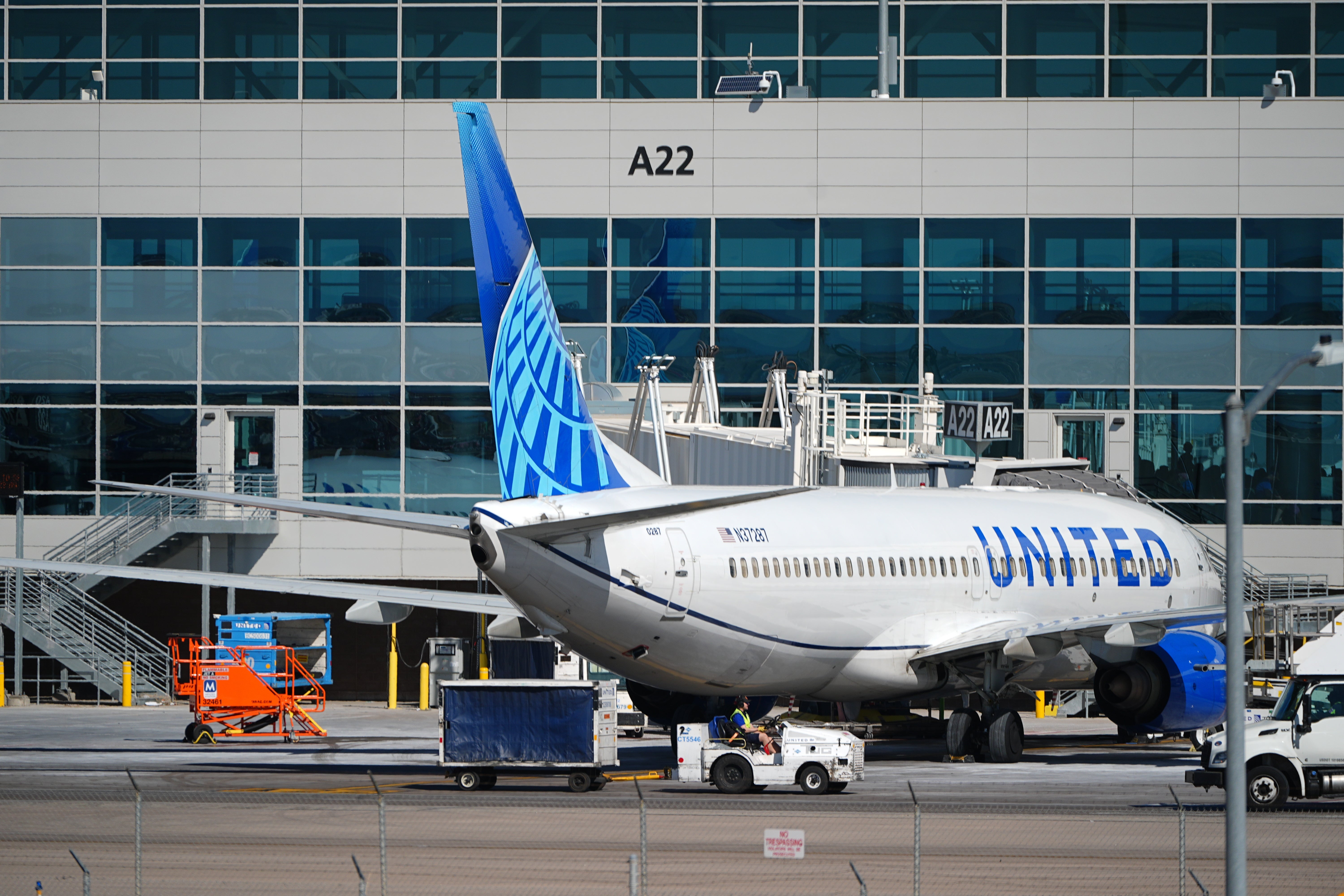
“This is the first time in two years the airline has raised bag fees,” United said in a separate statement.
Some passengers will still receive a free first checked bag, including co-branded credit card holders, certain loyalty-tier members, active military personnel and travelers in premium cabins.
Customers who check bags less than 24 hours before departure will pay an additional $5.
United joins JetBlue, which raised checked baggage fees on Monday by up to $9 during peak travel periods, as the war in the Middle East continues to severely disrupt global oil supplies, particularly near the narrow Strait of Hormuz where a fifth of the world’s oil typically passes.
That has caused crude prices to fluctuate wildly, which affects airlines’ operating costs because the fuel their aircraft rely on is refined from crude oil.
JetBlue said charging more for optional services used by select customers helps keep base fares competitive. Like United, it will continue offering a free first checked bag to some customers.
The average price for a gallon of jet fuel in Chicago, Houston, Los Angeles and New York reached $4.88 Thursday, up from $2.50 before the conflict began on Feb. 28, according to Argus Media. The energy market intelligence company’s U.S. Jet Fuel Index tracks the average prices across those major hubs.
Speaking to investors last month at a conference, United CEO Scott Kirby said the higher jet fuel costs had already added roughly $400 million to operating costs. The CEOs for Delta Air Lines and American Airlines reported similar figures.
Fuel is typically the second biggest expense for airlines after labor.
Analysts expect U.S. airlines to pass higher fuel costs on to travelers by increasing add-on fees or ticket prices since they don’t usually have fuel surcharges, while a number of non-U.S. carriers already have added fuel surcharges.
In another change affecting U.S. travelers, President Donald Trump detailed plans Friday to privatize security screening at airports.
In the White House budget, Trump proposed cutting funding for the federal agency by $52 million and requiring small airports to enroll in a program in which TSA pays for private screeners.
Budget documents said airports currently using the privatization program have demonstrated savings compared to federal screening operations.
In recent weeks, major U.S. airports suffered massive disruptions after TSA security officers went unpaid since mid-February after funding for the workers was halted in a budget dispute.