
Trump cracks Pearl Harbor joke when pressed on lack of warning over Iran attack
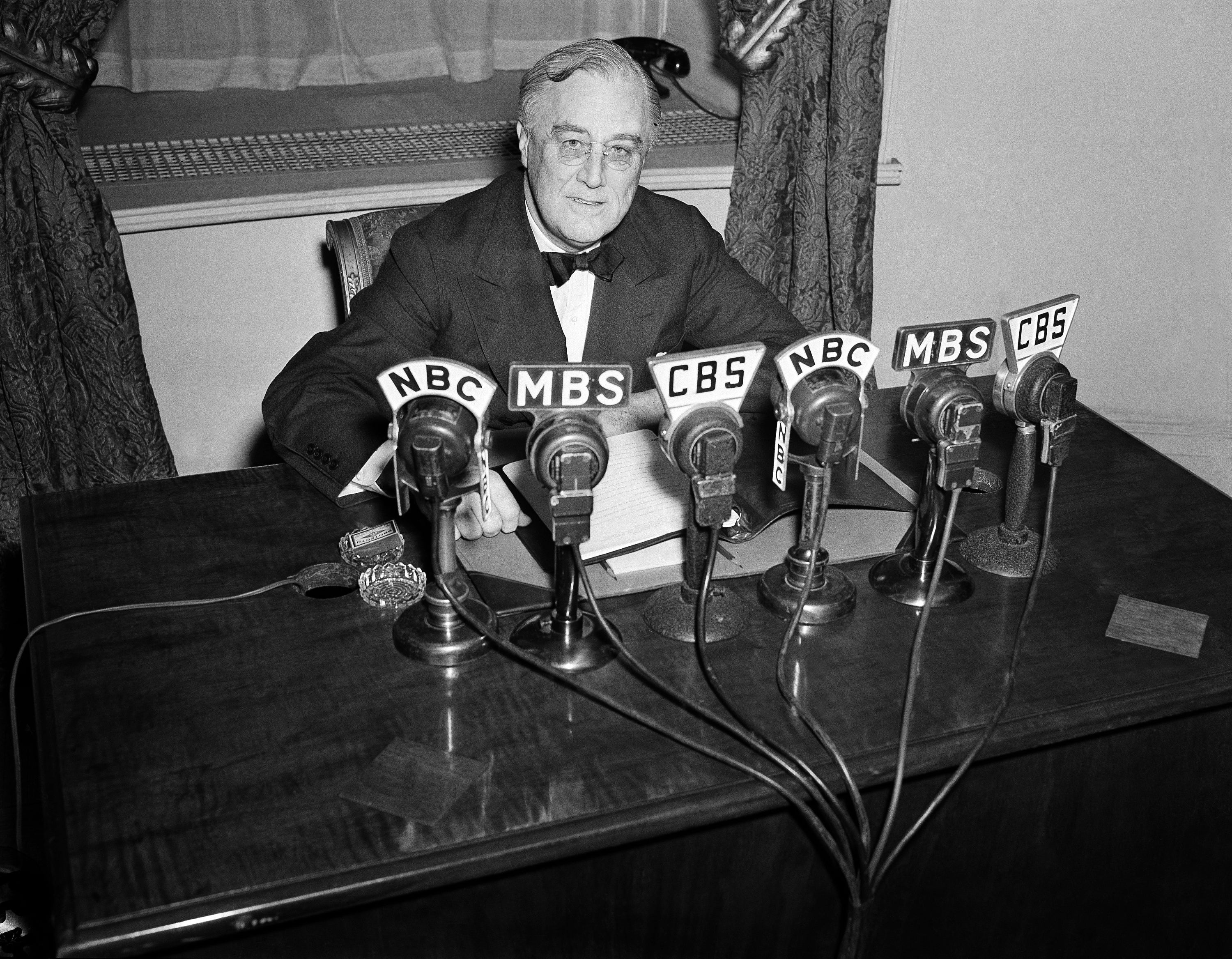
Just over 83 years ago, President Franklin Roosevelt called the Imperial Japanese Navy’s December 7. 1941 attack on Pearl Harbor “a date that will live in infamy” as he urged Congress to declare war.
On Thursday, President Donald Trump turned it into a punchline.
Trump was finishing up a question-and-answer session with reporters during a bilateral meeting with Japanese Prime Minister Sanae Takaichi when a Japanese journalist asked why he did not inform key American allies — such as Japan — before the start of the joint U.S.-Israeli air campaign against Iran on February 28.
The president initially replied that the U.S. had “went in very hard” and “didn’t tell anybody about it because we wanted surprise.”
But his response took an awkward turn moments later when he said: “Who knows better about surprise than Japan?”
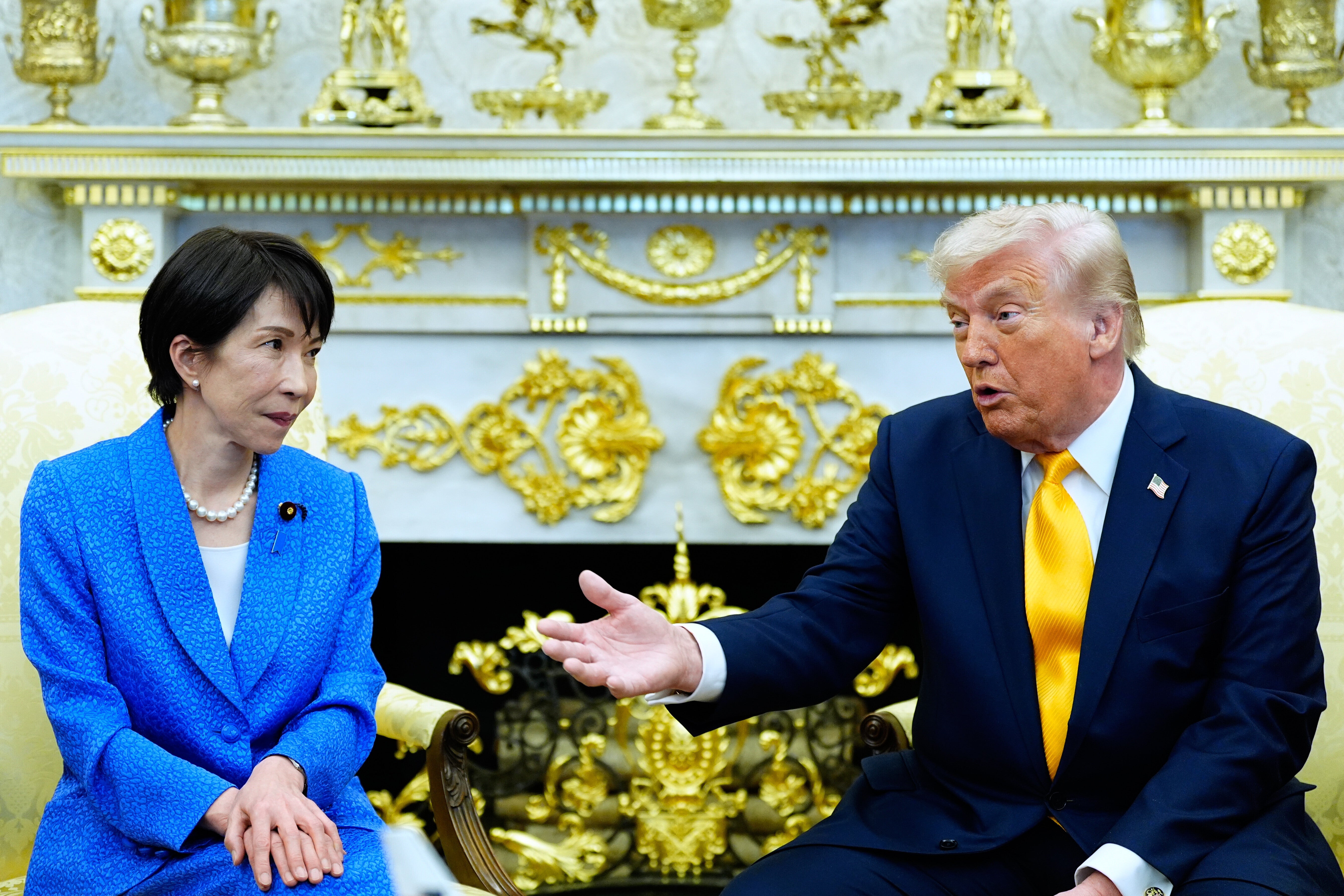
After some muted laughter from the U.S. officials who’d joined him for the meeting, he turned to Sanae — who was born two decades after the attack — to ask her another question.
“Why didn’t you tell me about Pearl Harbor, ok?”
The room went silent.
A moment later, Trump returned to the topic he’d been asked about, telling reporters “he’s asking me about surprise, and we did.”
“And because of that surprise, we knocked out … we probably knocked out 50 percent … and much more than we anticipated doing. So if I go and tell everybody about it, there’s no longer a surprise,” he said.
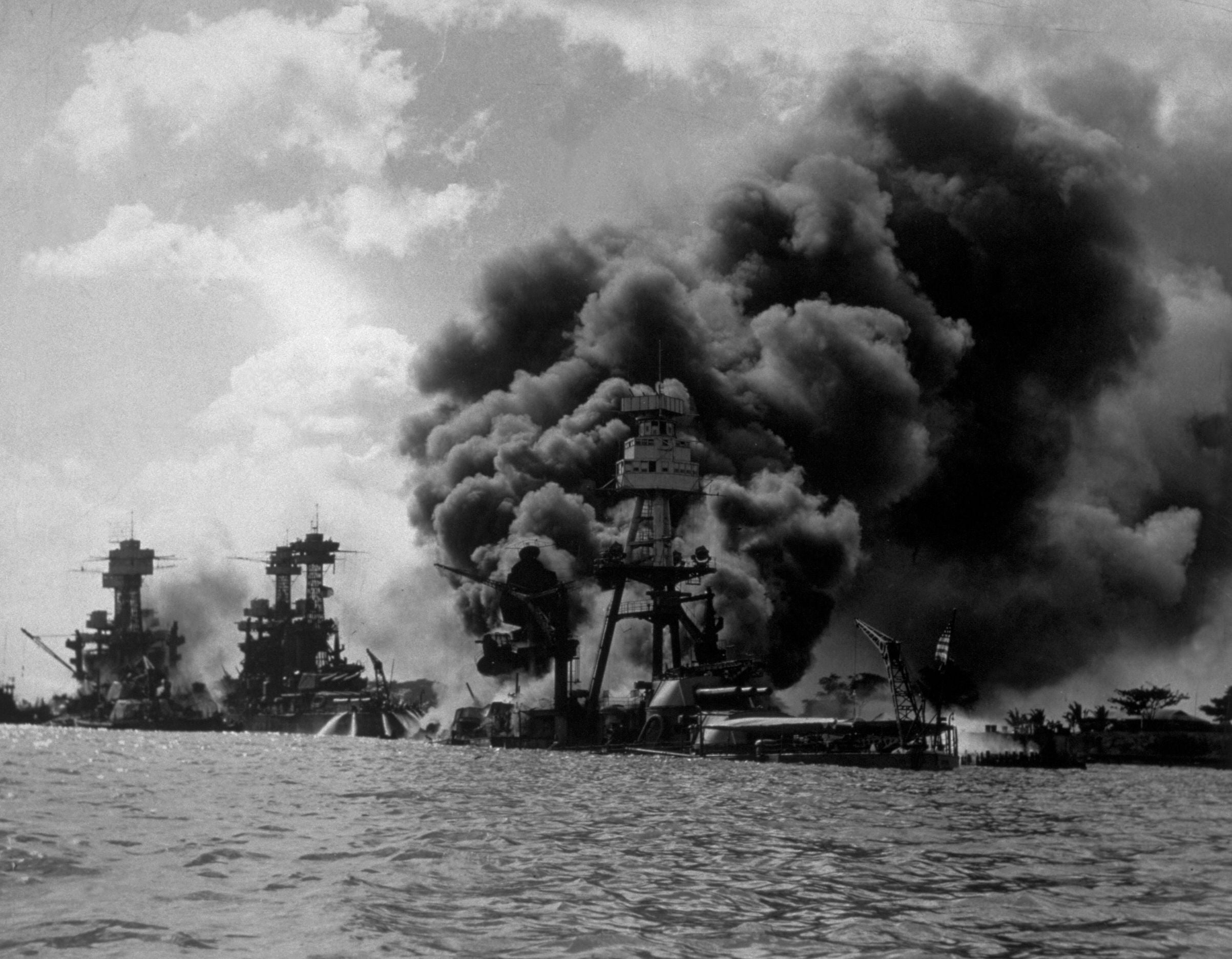
The surprise airstrike against the U.S. Pacific Fleet left more than 2,400 American service members dead and nearly 1,200 injured from bombs and shells that sunk four American battleships and left four more severely damaged. It was the deadliest attack on American soil until the September 11, 2001 terror attacks on New York and Washington.
Seven of those ships were salvaged and returned to service, while the seventh — the U.S.S. Arizona — was left where it had settled just below the harbor’s surface after a Japanese bomb detonated inside a powder magazine.
The attack took place after months of failed negotiations between Tokyo and Washington over economic sanctions imposed by the U.S., the U.K., China and The Netherlands in an attempt to deny Japan’s military the raw material it needed to prosecute wars in China and what is now Vietnam.
Japan declared war on the U.S. on the day of the strikes, but the official declaration did not arrive in Washington until afterwards.
The Pearl Harbor attack gave Roosevelt the leverage needed to push for the U.S. to formally enter the Second World War, with the House and Senate approving declarations of war against Japan by margins of 388-1 and 82-0, respectively.
Less than four years later, Japan would accept America’s demand for “unconditional surrender” after the U.S. dropped the first two — and thus far the only two — nuclear weapons to be used in combat in separate strikes on Hiroshima and Nagasaki.
The Japanese government has never formally apologized for the infamous sneak attack, though one of Takaichi’s predecessors — the late Shinzo Abe — delivered a speech expressing “sincere and everlasting condolences” to the American and Japanese personnel killed in the fighting that day during a 2016 visit to the Pearl Harbor memorial above the wreck of Arizona.
Abe, who was assassinated in July 2022, said at the time that the U.S. and Japan “must never repeat the horrors of war again.”