Gary Woodland savors Masters return after brain surgery, PTSD battle nearly ended his career


NEWYou can now listen to Fox News articles!

Gary Woodland’s return to Augusta National Golf Club carries added significance this year after he pulled off a surprising win at the Houston Open in March.

Woodland embraced the moment at Augusta National this week, reflecting on the tradition and significance of the Masters.

“I love this place,” Woodland said Tuesday. “I love the tradition. There’s nothing like driving down Magnolia Lane. I definitely drove down a little slower this year than I ever have, even the first time I was here in 2011. I’m definitely taking it all in this week for sure.”

CLICK HERE FOR MORE SPORTS COVERAGE ON FOXNEWS.COM
Gary Woodland savors Masters return after brain surgery, PTSD battle nearly ended his career

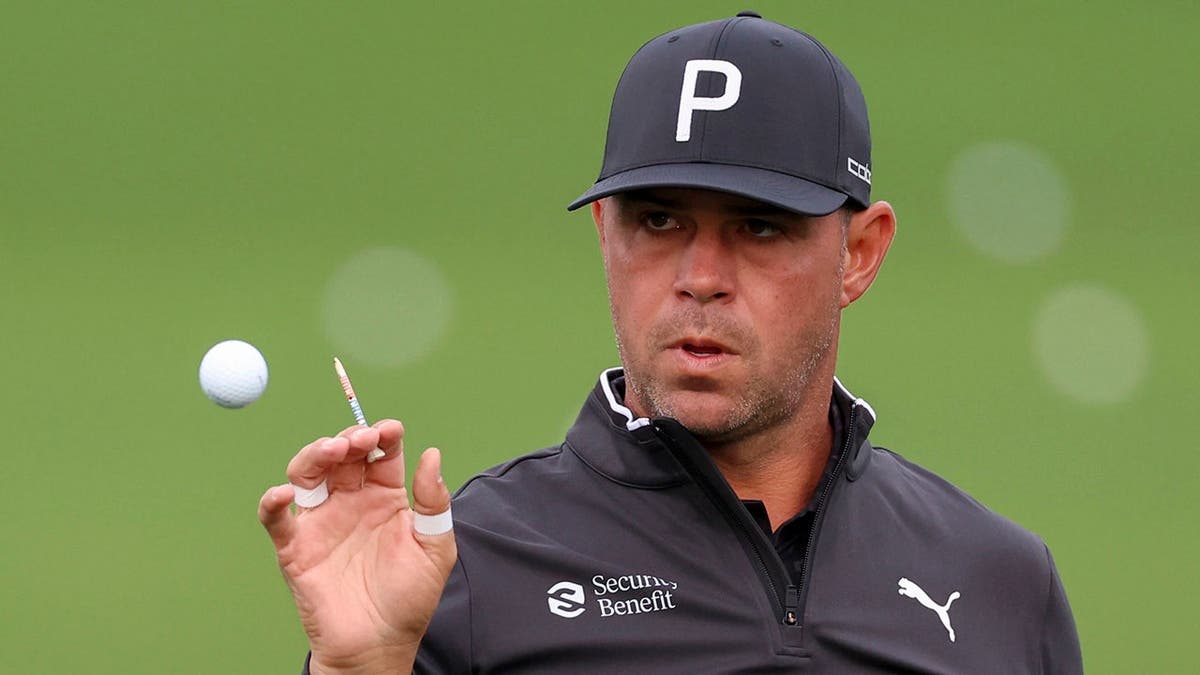
Gary Woodland hits balls at the practice facility during a practice round for the Masters Tournament at Augusta National Golf Club in Augusta, Georgia, on April 7, 2026. (Bill Streicher/Imagn Images)

However, Woodland also acknowledged that the crowds and close quarters at Augusta National could be triggering.

“It’s a big week for me this week,” he said. “The fans are very close on the tee boxes. There’s a lot going on. There’s probably not a safer golf tournament in the world, so I’m happy for that. But it’s still a battle in my head if I’m safe or not. That’s a tough pill to swallow.”

PHIL MICKELSON WITHDRAWS FROM THE MASTERS, JOINS TIGER WOODS IN SITTING OUT SIGNATURE MAJOR

Woodland, who won the 2019 U.S. Open, recently revealed that he has battled post-traumatic stress disorder for roughly a year. In 2023, he underwent a procedure to remove a benign brain lesion that triggered seizures, anxiety and fear.

But even after the surgery, Woodland’s symptoms persisted, leading to a PTSD diagnosis.
Gary Woodland hitting golf ball out of bunker at Augusta National Golf Club

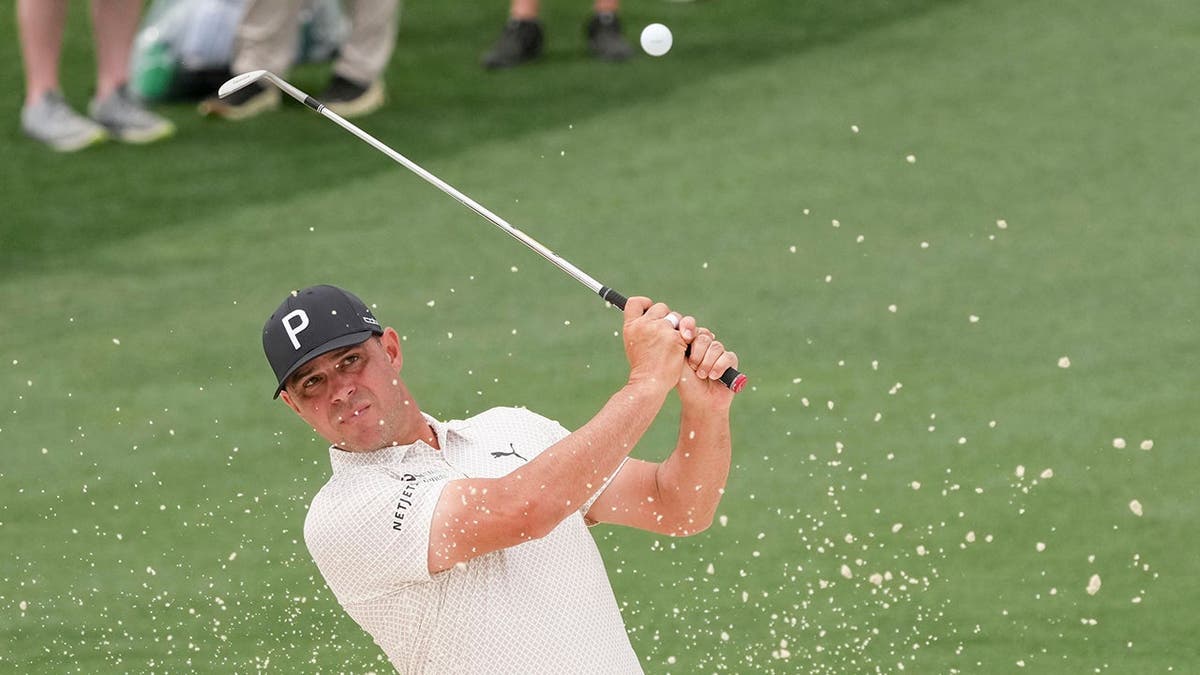
Gary Woodland hits out of the bunker on the second hole during a practice round for the Masters Tournament at Augusta National Golf Club in Augusta, Ga., on April 6, 2026. (Michael Madrid/Imagn Images)

Woodland, 41, spent part of his week at Augusta National meeting with security officials.

“The main deal is they were showing me where security is,” Woodland said. “The whole deal for me is it’s visual, right? If I can see somebody, then I can remind myself that I’m safe constantly. So, I have a good idea now where security is on every hole.”

Woodland described a recent tense stretch at the Houston Open two weeks ago, when he was on high alert late in his second round.
Gary Woodland chipping onto the green on the eighth hole at Houston Open golf tournament

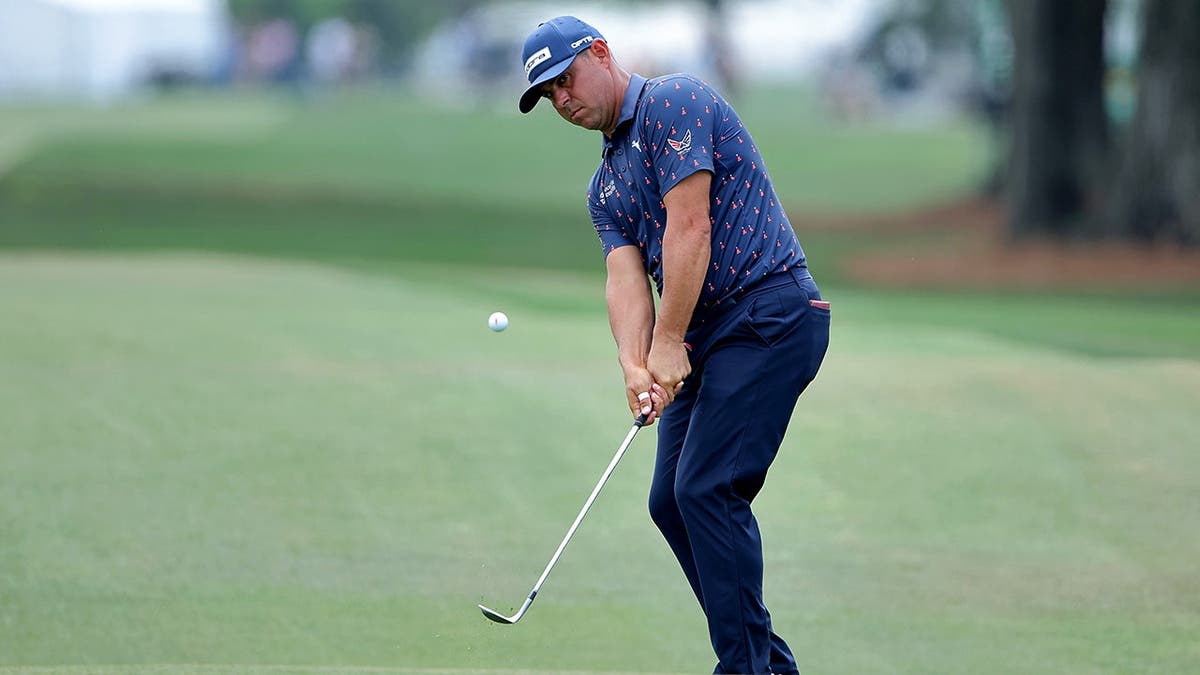
Gary Woodland chips onto the green on the eighth hole during the final round of the Texas Children’s Houston Open golf tournament in Houston, Texas, on March 29, 2026. (Erik Williams/Imagn Images)

“I battled the last 10 holes thinking people were trying to kill me,” Woodland said. “I have security with me. But I talked to [PGA] Tour security that night, and I told them what I was going through. Every time I looked up on the weekend, my security team was behind me.”

The victory at last month’s tournament secured Woodland the last spot in the highly competitive Masters field.

CLICK HERE TO DOWNLOAD THE FOX NEWS APP

Months before undergoing surgery in 2023, Woodland finished tied for 14th at that year’s Masters. He missed the cut at Augusta National in 2024 and also fell short of qualifying for last year’s Masters.

“I’m emotional from the standpoint I know how close I probably was to never being back here, and I’m very proud of myself for earning my way back,” Woodland noted. “People ask me, ‘How was the win?’ The one thing I know is having this brain tumor and having PTSD, it doesn’t matter if I win or lose. It doesn’t care.”

Follow Fox News Digital’s sports coverage on X, and subscribe to the Fox News Sports Huddle newsletter.



Doctor who performed tummy tuck on TikTok mom who died ‘struggling to understand’ what happened


The plastic surgeon who performed a tummy tuck on a TikTok mom before she died from a catastrophic brain injury has said he is “struggling to understand” what happened.

Dr Shahryar Tork, a double-board-certified plastic surgeon based in Cincinnati, said the Feb. 25 surgery on Rachel Tussey “was completed successfully and without complications,” and “she was awake and in excellent condition” when he last saw her in recovery.

“I am heartbroken for Rachel Tussey and her family. My thoughts remain with her loved ones during this devastating time,” Tork said in a statement to TMZ.

“Like them, I am struggling to understand how this could have occurred.


Doctor who performed tummy tuck on TikTok mom who died ‘struggling to understand’ what happened
Rachel Tussey, 47, posted a video just hours before she underwent a tummy tuck and died from post-surgery complications. @midlifeunmuted_ / TikTok

“Rachel’s surgery was completed successfully and without complications,” he said. “When I last saw her in the recovery room as she prepared for her planned overnight stay, she was awake and in excellent condition with her husband by her side.”

Tussey, a 47-year-old mom of three, had documented her cosmetic surgery journey for more than 27,000 followers on TikTok in the days leading up to the procedure.

“I’m in good hands. I know God’s got my back. Let’s do this,” an enthusiastic Tussey said in her last video, dressed in a hospital gown just hours before surgery, alongside the caption #midlifeglowup and #mommymakeover.


A woman in a black dress and a man in a white polo shirt pose on a balcony overlooking the ocean.
Rachel Tussey and her devastated husband, Jeremy, had three children together. GoFundMe

But what was supposed to be a routine appointment quickly turned into a nightmare, her husband Jeremy Tussey later revealed in an update on TikTok.

Jeremy said he had been waiting in the recovery area when he was called back to his wife’s room around 5:45 p.m. after the operation.

He briefly spoke with the doctor, who was leaving for the day and allegedly reassured him that the surgery had gone well.

Moments later, Jeremy said he heard his wife calling out for him — before noticing something was wrong.

“Next thing you know, I look down and her face is off color,” he recalled. “I assumed it was from the surgery, you know, from a lack of blood.”

When Tussey stopped responding, medical staff began performing CPR. She was rushed to TriHealth Bethesda North Hospital and placed on life support.

Jeremy said doctors later told him she had gone more than six minutes without oxygen and had suffered a severe brain injury. Tussey was eventually moved to hospice care after life support was withdrawn and later died.

Bernard Layne III, a personal injury attorney representing the family, said Tussey suffered a permanent anoxic brain injury after undergoing a surgical procedure at a private surgical center in Cincinnati.

“At this time, we will not comment on any aspect of culpability or liability in this matter,” Layne said, adding that the focus is on supporting the grieving family.

Jeremy said he is determined to understand what went wrong.

“To me, it looks like incompetence. Somebody dropped the ball here,” he said.

Tussey leaves behind her husband and their three children, Tristan, Alec and Livi.


Six Things You Should Know Before Travelling Abroad For Surgery


Around 523,000 people from the UK travelled abroad for surgery in 2024, with the most popular destinations for ‘medical tourism’ being Turkey, Poland and Romania, according to data from the Office for National Statistics (ONS).

People might travel abroad for treatments such as dental and cosmetic surgery, cancer treatment, weight loss surgery, fertility treatment, organ transplants and stem cell therapy, according to experts at TravelHealthPro.

“Transgender travellers may seek hormone therapy and gender reassignment surgery abroad,” they added.

The growth in medical tourism appears to stem from a mixture of factors, including higher disposable incomes, increased readiness to travel for health care, low-cost air travel and the expansion of internet marketing, TravelHealthPro said.

NHS waiting lists have also been growing in recent years, though NHS England noted it delivered more elective activity in 2025 than any other year in its history, “helping cut the waiting list to its lowest level since February 2023”.

If you’re one of the many people tempted to go abroad for surgery or treatment, Qian Huang, international claims manager at William Russell, has shared some key considerations below.

What you need to know before travelling abroad for surgery

“The idea of having surgery abroad can be nerve-wracking, particularly when it comes to questions of safety,” Huang said.

“Many people considering surgery abroad decide not to go because of concerns about safety, the quality of the medical care, or not understanding the foreign healthcare system.

“However, in reality, many international hospitals and clinics follow standards of care that match or exceed those found in the UK, US, or Europe. The key is knowing what to look for.”

How to find an accredited hospital abroad

Medical accreditations are a key indicator of a hospital’s commitment to international standards.

One of the most widely recognised is the Joint Commission International (JCI) accreditation, often considered the global gold standard, which evaluates hospitals on areas such as infection prevention, medication safety, staff training, patient communication, and emergency readiness.

To find an accredited hospital abroad, patients can check official accreditation bodies’ websites, verify information on hospital websites, contact the facility directly, or consult medical tourism networks and national health authorities.

What to check before booking surgery

To steer clear of issues, Huang shared six factors to be aware of before booking surgery abroad.

1. Lack of accreditation or vague claims

“Be wary of hospitals that mention ‘world-class standards’ without naming an actual accrediting body,” he said. “Reputable facilities will proudly display credentials from recognised organisations like JCI, ACHSI, or Temos.”

2. ‘Too good to be true’ pricing

Competitive pricing is probably one of the top reasons people consider surgery abroad, but Huang warned ultra-low prices should raise alarm bells.

Check the qualifications of the surgeon, what’s included in the cost, and whether the aftercare and follow-up appointments are covered, he added.

3. Poor communication or pressure tactics

If you’re struggling to get clear answers from the hospital or feel rushed into making a decision, consider taking a step back. Trustworthy providers are transparent, patient, and more than happy to talk you through the details.

4. No clear aftercare plan

Recovery is just as important as the procedure itself. A good hospital will give you a personalised aftercare plan, including advice on travel, medication, and any physical restrictions, before you agree to surgery.

5. Inconsistent or missing reviews

Take the time to search for independent reviews and testimonials before considering which hospital to have the surgery at. A complete lack of online feedback, or reviews that sound overly scripted, can be a red flag.

6. Limited information about the surgical team

When researching your hospital, you should be able to find the names, qualifications, and experience of the surgeons who’ll be treating you. If this information is unavailable or unclear, you need to proceed with caution.