Tariff refund portal will initially be unable to process a third of requests


The US government will be unable to process roughly a third of tariff refund requests – worth about $55 billion – when its online system goes live, according to a court filing this week.

After the Supreme Court in February struck down a key swath of President Trump’s tariffs without providing guidance on refunds, the government announced plans to launch an online portal for refund requests by mid-April.

But the site will initially only be able to handle 63% of roughly 53 million claims, Brandon Lord, a US Customs and Border Protection official, wrote in a Tuesday filing with the US Court of International Trade.


Tariff refund portal will initially be unable to process a third of requests
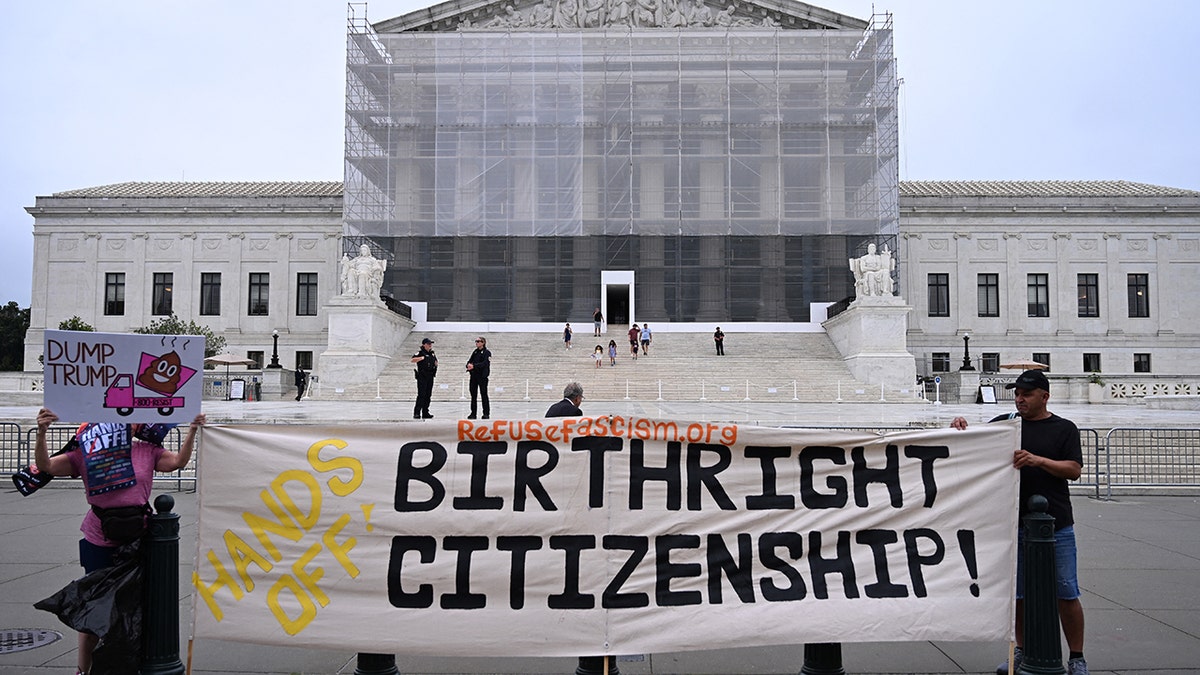
The Supreme Court in February struck down a batch of President Trump’s tariffs. AFP via Getty Images

In order to meet the original April deadline, the first phase of the site will prioritize only duties that have not become “final” yet, a term that typically applies to imported goods after a year, according to the filing.

Customs officials did not provide a timeline for when those finalized tariffs will also be processed.

Importers paid an estimated $166 billion in tariffs that were overturned by the Supreme Court. The government has also pledged to pay interest on the levy refunds.
As of this week, the main refund portal is roughly 85% done, and other parts of the system are about 60% to 80% finished, Lord wrote in the filing.

Tariff refunds may take up to 45 days to review and process once the new portal launches, he added.

The majority of refunds will be issued electronically, except in special circumstances in which other payment methods are necessary. 


A Maersk vessel filled with shipping containers docked at the Port of Los Angeles.
The government’s online portal will initially be unable to process roughly a third of refund requests, the filing said. REUTERS

More than 26,000 importers have already registered online to request $120 billion in refunds, Lord wrote in the filing.

Work on the tariff refund system began after the Supreme Court in February ruled that Trump exceeded his presidential authority by using the International Emergency Economic Powers Act to impose sweeping import taxes.

Among the many tariffs overturned by the ruling are a 10% baseline tax on all imports and duties of 10%, 25% and 35% on goods from China, Mexico and Canada, respectively – leaving the Trump administration on the hook for tens of billions of dollars in refunds to traders.

At a fundraiser for the National Republican Congressional Committee last week, Trump lashed out at two of his Supreme Court nominees that ruled against him in the benchmark tariff case.

“And the Supreme Court, that’s right, of the United States cost our country — all they needed was a sentence — our country hundreds of billions of dollars, and they couldn’t care less,” Trump said.

“Not that it matters — doesn’t matter at all — but two of the people that voted for that I appointed, and they sicken me,” he went on. “They sicken me ’cause they are bad for our country.”

The president was referring to Justices Neil Gorsuch and Amy Coney Barrett, who voted against the White House in the 6-3 ruling.

The White House quickly replaced some of the overturned tariffs with new import taxes using other trade legislation, and launched investigations under Section 301 of the Trade Act of 1974, which could lead to more levies.

The Supreme Court ruling did not impact certain tariffs on automotives, furniture, semiconductors, pharmaceuticals and steel and aluminum.


California hit with fresh setback in failed gender secrecy case costing taxpayers millions


NEWYou can now listen to Fox News articles!

California was dealt another blow in a lawsuit over gender secrecy policies in schools when a federal judge ordered the state this week to pay the plaintiffs in the case $4.5 million in taxpayer-funded legal fees.

Judge Roger Benitez, an appointee of President George W. Bush, scolded state lawyers in his order for what he said was an “unusual” spree of court motions that forced the parents and teachers who brought the lawsuit to respond to California’s “litigation intransigence.”

The lawsuit challenged California’s SAFETY Act, which blocked schools from requiring staff to notify parents if a student sought to change their gender identity or pronouns. The Supreme Court rejected the policy in March and jurisdictions with similar policies have subsequently been hit with legal threats to repeal them. 

Benitez also tacked on added financial penalties, in addition to the legal fees reimbursement, to reach the $4.5 million figure because the case concerned a “very important subject,” he said.

NJ SCHOOL DISTRICT’S SECRETIVE TRANSGENDER POLICY FACES LEGAL THREAT FOR BUCKING SUPREME COURT

California hit with fresh setback in failed gender secrecy case costing taxpayers millions

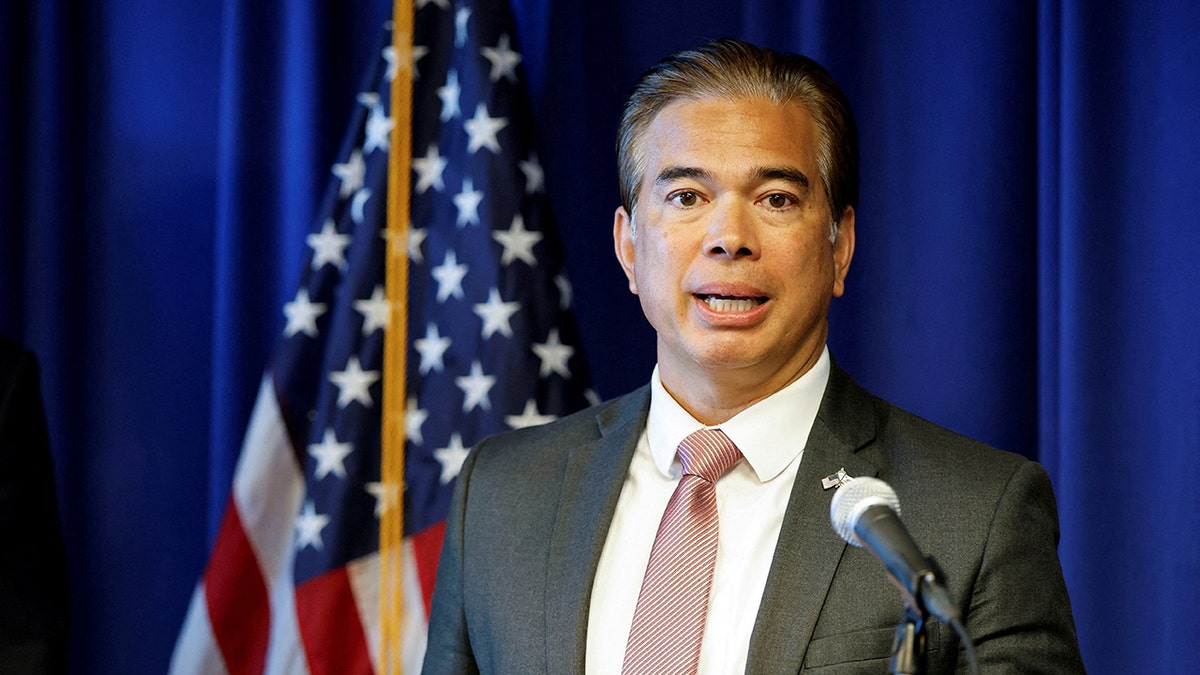
California Attorney General Rob Bonta (Reuters/Fred Greaves/File Photo)

“State public education policies impinged on families’ right to the free exercise of religion under the First Amendment. The policies also rejected and subverted the federal constitutional rights of California parents to guide the health and well-being of their school-age children,” Benitez wrote. “Such concerns intrude among the most important areas of family life in America’s history and tradition.”

The lawsuit, brought against California Attorney General Rob Bonta, had argued that the state imposed an unconstitutional policy on schools that blocked teachers and staff from informing parents if their child wanted to change their gender.

CALIFORNIA SCHOOL DISTRICT LETS STUDENTS CHANGE NAMES AND GENDER IDENTITY IN SECRET FROM PARENTS

Transgender in sports hearing at Supreme court

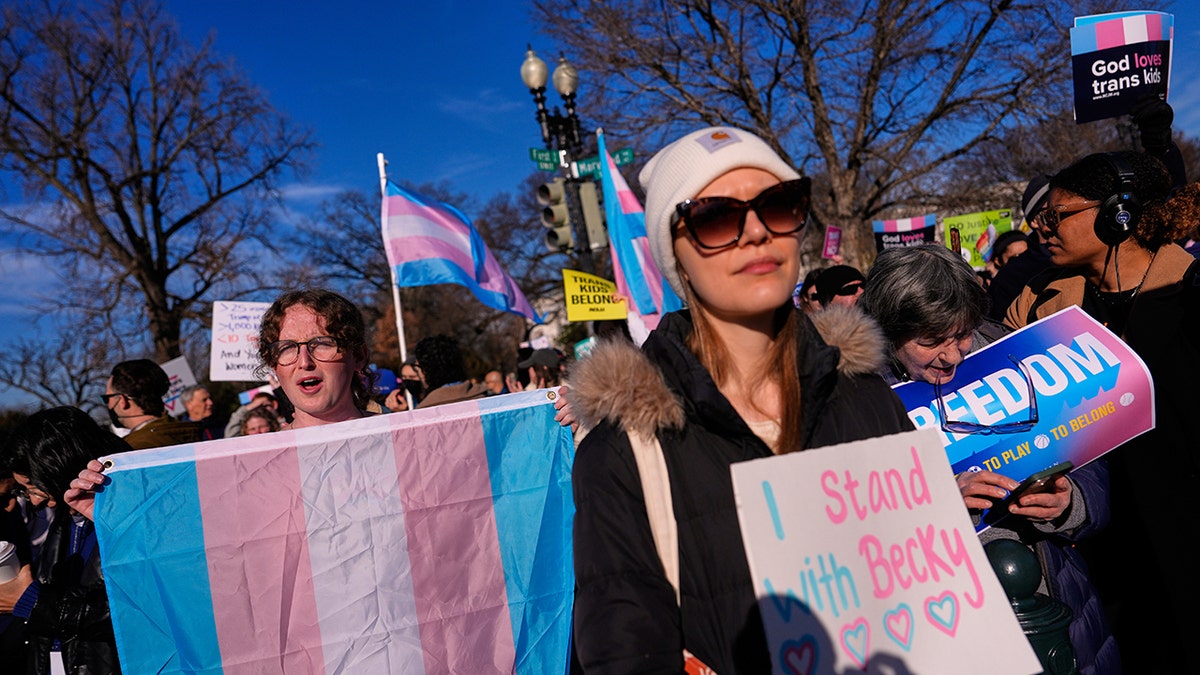
Protesters gather outside the Supreme Court as it hears arguments over state laws barring transgender girls and women from playing on school athletic teams, Jan. 13, 2026, in Washington. (Julia Demaree Nikhinson/AP)

The Supreme Court sided with the parents in a 6-3 emergency order, saying California’s policy, which blocked what critics described as schools’ “forced outing” of students, was likely unconstitutional.

The Thomas More Society, a conservative legal group, represented the plaintiffs in the case and recently warned a school district in New Jersey that it would begin legal action if the school district did not repeal a similar policy on transgender students.

Supreme Court building

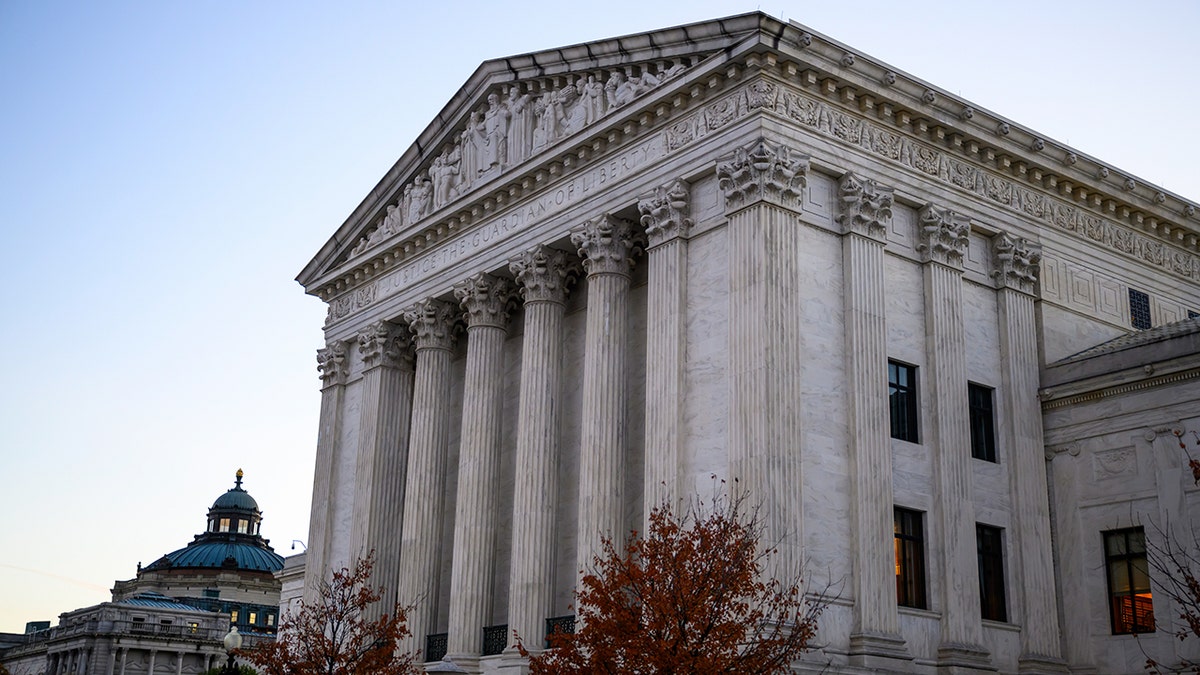
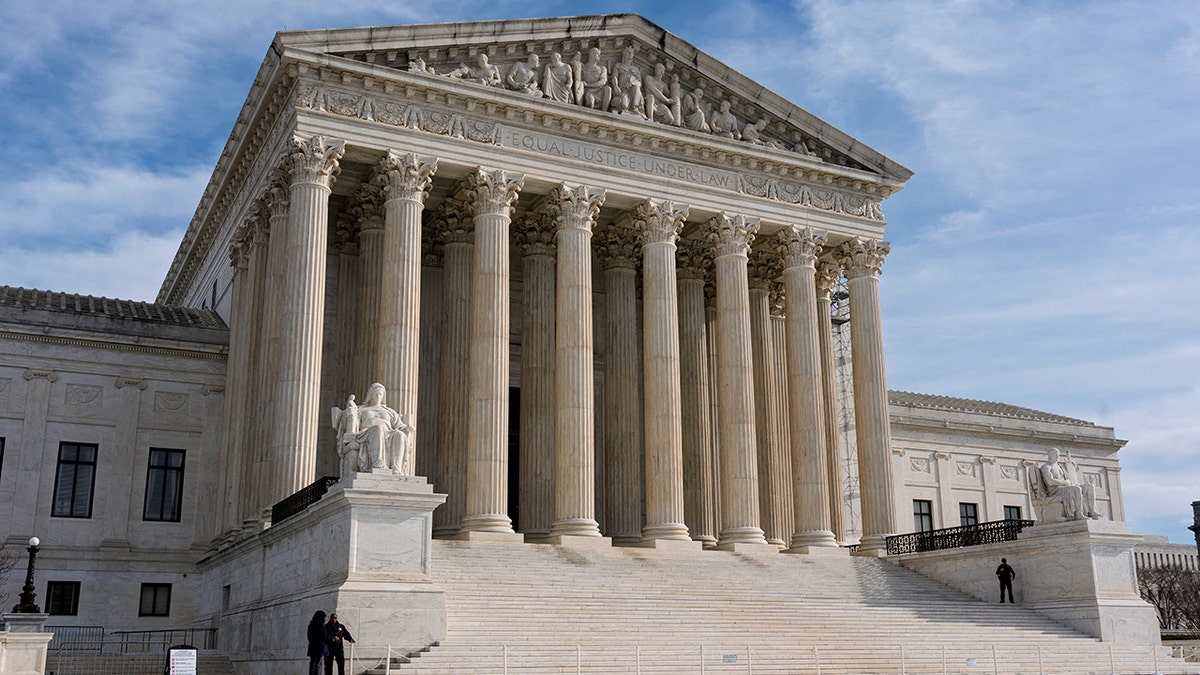
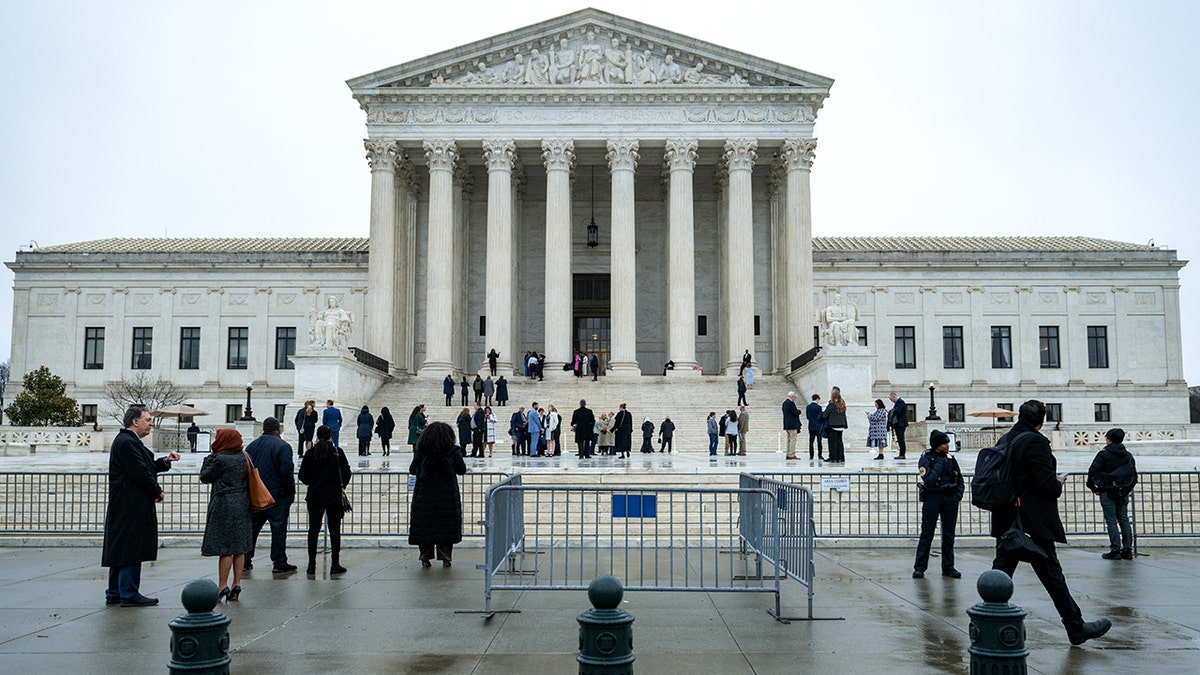
The Supreme Court in Washington, D.C., on Nov. 4, 2025. ( Pete Kiehart/Bloomberg via Getty Images)

CLICK HERE TO GET THE FOX NEWS APP

“This is just the beginning,” Peter Breen, Thomas More Society executive vice president, told Fox News Digital of its warning to the Westwood Regional School Board. “This is not an end, but a beginning, our big win in the Supreme Court. We are already fielding requests from other parents across the country, and we anticipate sending a lot more demand letters, unfortunately.”
Fox News Digital reached out to Bonta’s office for comment. 


Sauer cites ‘striking’ figures on secretive birth tourism in high-stakes SCOTUS case


NEWYou can now listen to Fox News articles!

Birth tourism in the U.S. remains notoriously difficult to measure, but Solicitor General John Sauer on Wednesday pointed the Supreme Court to what he called “striking” figures as the justices weighed President Donald Trump’s effort to curb birthright citizenship.

“Here’s a fact about it that I think is striking,” Sauer said. “Media reported as early as 2015 that, based on Chinese media reports, there are 500 — 500 — birth tourism companies in the People’s Republic of China whose business is to bring people here to give birth and return to that nation.”

Sauer’s response came after Chief Justice John Roberts asked him about the prevalence of birth tourism, which is the practice of traveling to the United States for the purpose of giving birth, so the child can automatically receive U.S. citizenship. 

Sauer acknowledged that “no one knows for sure” about firm data in the industry before citing media figures estimating more than 1 million cases from China alone. 

NEARLY ALL REPUBLICAN AGS ADD FIREPOWER TO TRUMP’S BIRTHRIGHT CITIZENSHIP PUSH

Wednesday’s oral arguments centered on Trump’s 2025 executive order advancing a narrower interpretation of the 14th Amendment’s citizenship clause so that children born in the United States to parents who are in the country illegally or temporarily would not automatically receive U.S. citizenship. 

The administration has argued the amendment’s birthright citizenship provision incentivizes and rewards illegal immigration.

Sauer cites ‘striking’ figures on secretive birth tourism in high-stakes SCOTUS case

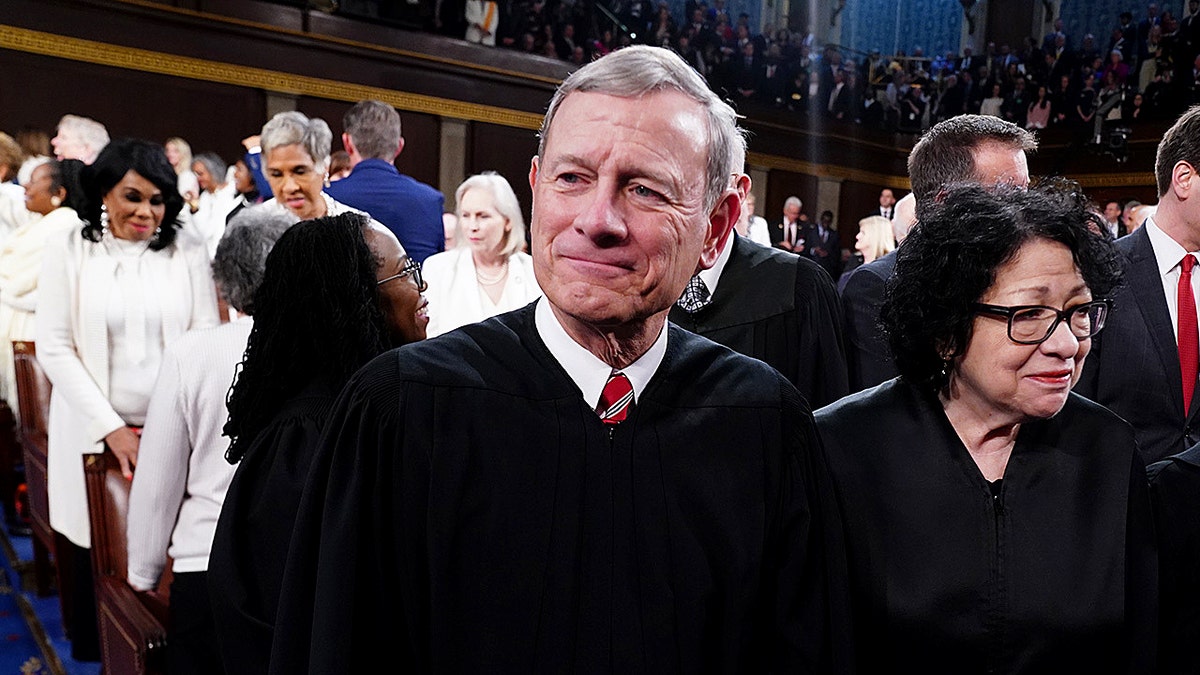
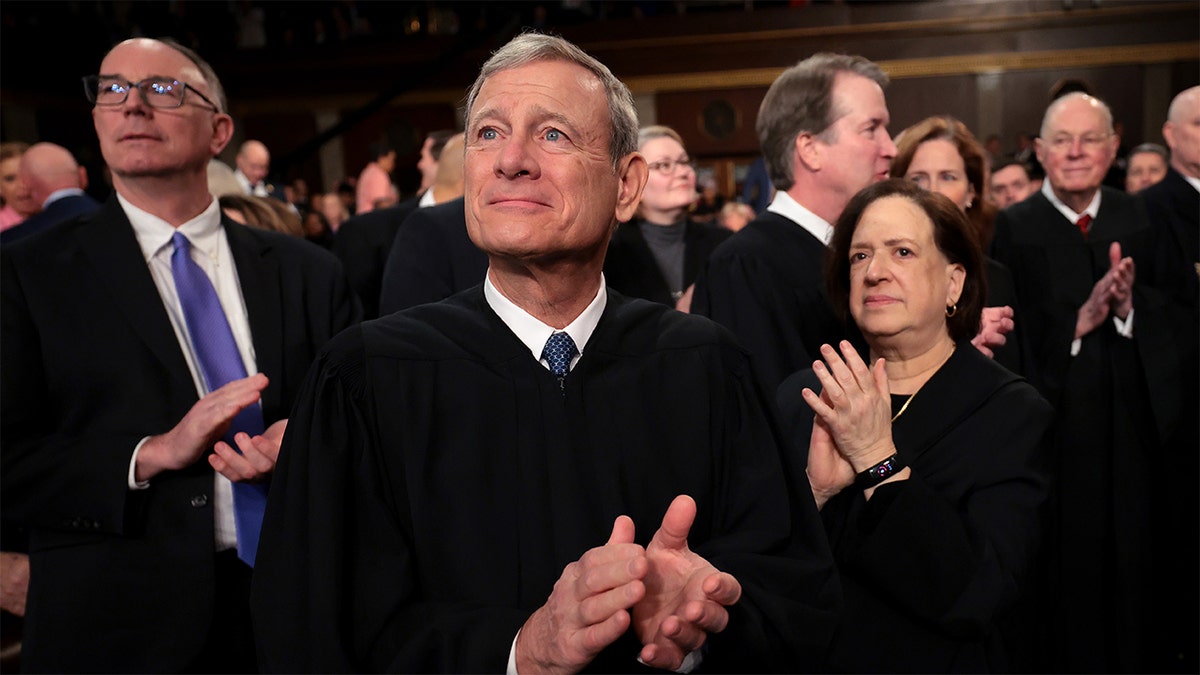
Supreme Court Chief Justice John Roberts and Associate Justice Sonia Sotomayor stand on the House floor ahead of the annual State of the Union address in 2024.  (Shawn Thew-Pool/Getty Images)

Conservatives have long raised concerns about birth tourism. Senate Republicans wrote in a 2022 report that it was a lucrative industry that “short circuits and demeans the U.S. naturalization process.” But the scale of birth tourism remains elusive, and proponents of birthright citizenship have downplayed it, contending it occurs infrequently.

The GOP senators noted in the report that they could not calculate birth tourism numbers because the U.S. government does not have a way to track them. Existing visa data cannot distinguish between birth tourism and other categories of traveling to the United States, such as medical travel, they said.

Sauer, however, rattled off a string of statistics in an attempt to illustrate the magnitude of the issue.

“There’s a March 9 letter from a number of members of Congress to [the Department of Homeland Security] saying, ‘Do we have any information about this?’ The media reports indicate estimates could be over a million, or 1.5 million, from the People’s Republic of China alone,” Sauer said. 

“The congressional report that we cite in our brief talks about certain hot spots, like Russian elites coming to Miami through these birth tourism companies.”

BIRTHRIGHT CITIZENSHIP SUPPORTERS GET THE LAW WRONG BY IGNORING OBVIOUS EVIDENCE

Robert Kennedy Jr Testifies At House Hearing On Weaponization Of Government

U.S. Solicitor General D. John Sauer  (Anna Moneymaker/Getty Images)

Although the numbers remain unclear, prosecutors have secured convictions for birth tourism businesses. In 2024, Michael Liu and Phoebe Dong were found guilty by a jury of conspiracy and money laundering for running a birth tourism operation that helped pregnant Chinese women travel to the United States under false pretenses to give birth. Prosecutors said the couple coached clients to deceive immigration officials.

Sauer noted in his opening remarks to the Supreme Court that the United States’ nearly unconditional birthright citizenship policy has “spawned a sprawling industry of birth tourism, as uncounted thousands of foreigners from potentially hostile nations have flocked to give birth in the United States in recent decades, creating a whole generation of American citizens abroad with no meaningful ties to the United States.”

HOW THE SUPREME COURT’S INJUNCTION RULING ADVANCES TRUMP’S BIRTHRIGHT CITIZENSHIP FIGHT

Trump, Bondi watch historic SCOTUS arguments as justices duel over birthright citizenship

A demonstrator outside the U.S. Supreme Court ahead of U.S. President Donald Trump’s expected arrival on April 1, 2026, in Washington, D.C. The Supreme Court is hearing oral arguments in Trump v. Barbara to determine if President Trump’s executive order ending birthright citizenship is constitutional. (Al Drago/Getty Images)

At issue in the case before the Supreme Court is the language in the amendment that says anyone born in the United States and “subject to the jurisdiction thereof” is automatically a citizen. Trump said the provision was a relic of the Civil War. 

“It had to do with the babies of slaves,” Trump said Tuesday as he announced he planned to attend the oral arguments, making him the first sitting president to do so. “It didn’t have to do with the protection of multimillionaires and billionaires wanting to have their children get American citizenship. It is the craziest thing I’ve ever seen.”

Sauer argued that illegal immigrants and temporary visitors lacked the ability to establish a “domicile” in the United States, meaning they were subject to the jurisdiction of another country.

Roberts questioned the relevance of Sauer’s birth tourism claims, asking him to confirm that it had “no impact on the legal analysis before us.”

Modern-day implications of the amendment, including birth tourism, “could not possibly have been approved by the 19th century framers,” Sauer replied.

“We’re in a new world now, as Justice Alito pointed out, where 8 billion people are one plane ride away from having a child who’s a U.S. citizen,” Sauer added.

CLICK HERE TO GET THE FOX NEWS APP

Roberts made his skepticism of Sauer’s argument apparent.

“Well, it’s a new world. It’s the same Constitution,” Roberts said.


GREGG JARRETT: Trump’s birthright citizenship order meets a wary SCOTUS audience


GREGG JARRETT: Trump’s birthright citizenship order meets a wary SCOTUS audience

NEWYou can now listen to Fox News articles!

The U.S. Supreme Court heard oral arguments on Wednesday in a case that could dramatically test the bounds of citizenship in America and reshape immigration policy. 

At issue was President Trump’s executive order ending automatic citizenship for U.S.-born children of parents who are here illegally. In an historical first, the president attended the first part of the hearing as the named party being sued by roughly two dozen states. 

Trump watched as his solicitor general, John Sauer, presented a credible and defensible argument that the 14th Amendment was never intended to grant universal citizenship to the progeny of those who broke the law by coming here fraudulently or illegally.

SCOTUS TO REVIEW TRUMP EXECUTIVE ORDER ON BIRTHRIGHT CITIZENSHIP

Sauer was an impressive advocate with a masterful command of the law and history. However, he faced a level of skepticism from a majority on the court which suggests that, in the end, Trump’s executive order may be struck down.

Granted, divining an outcome based solely on oral arguments can be equivalent to reading tea leaves. The dynamic could change behind closed doors and upon further deliberations. But it cannot be overlooked that even conservative justices at the hearing posed penetrating questions that seemed to manifest their doubt.  

ACLU Attorney Cecilia Wang argued in defense of broad birthright citizenship. She, too, faced challenging questions, albeit with a far more conciliatory tone that appeared to betray the eventual result.     

As expected, much of the discourse centered on the 14th Amendment, ratified in 1868 three years after the Civil War ended. The central objective was to grant citizenship to formerly enslaved people and their children:

TRUMP SAYS HE WILL ATTEND SUPREME COURT ORAL ARGUMENTS ON BIRTHRIGHT CITIZENSHIP CHALLENGE

“All persons born or naturalized in the United States, and subject to the jurisdiction thereof, are citizens of the United States and of the State wherein they reside.”

But what did the framers intend when they inserted the operative phrase, “subject to the jurisdiction thereof?” Those five words consumed a good deal of the high court’s discussion on Wednesday.

Exhibiting his knowledge of the 1866 debate, Sauer referred back in time to the sponsors of the amendment, who explained that it meant full and complete allegiance to the U.S. and “not owing allegiance to any foreign power.”

The solicitor general argued that illegally present aliens are not “subject to the jurisdiction” of the U.S. because they presumptively maintain political fealty to another sovereign as citizens of that foreign power. The mere act of setting foot on American soil does not necessarily constitute loyalty or otherwise subject an individual to absolute jurisdiction.

Sauer quoted Sen. Lyman Trumbull, a moving force behind the 14th Amendment, who specifically stated that the Citizenship Clause does not encompass individuals still subject to any foreign power or “owing allegiance to anybody else.” 

His colleague, Sen. Jacob Howard, further defined the limits of citizenship by stating that “this will not, of course, include persons born in the United States who are foreigners, aliens…” 

However, the justices seemed unmoved by the notion that citizenship should not apply to the children of people who broke the law coming here and have no permission to be in the U.S. 

The Justices revisited at length an important precedent in the 1898 ruling in United States v. Wong Kim Ark (169 U.S. 649) involving a son born in the U.S. But his parents, originally from China, were here lawfully and domiciled permanently. They were not evading the law. Back then, the Supreme Court’s decision pivoted on that distinguishable fact.   

Nevertheless, the justices expressed reservation that the Ark case could be used as a primary basis for excluding citizenship to the offspring of unlawfully present parents who are subject to deportation.

CLICK HERE FOR MORE FOX NEWS OPINION

For at least a century, our government has been granting citizenship based on a perception of the 14th Amendment that Sauer described as “a long-enduring misconception.” Forgotten over the years was the original intent of the authors and the vital context of the congressional debate. No one who helped craft the amendment argued that citizenship should be given to children of illegal immigrants.

Yet, the current case may be one of those instances in which an established norm or accepted practice compounded by the complexity of reversing course creates too great an obstacle. Justice Amy Coney Barrett wondered how an endless array of cases would be adjudicated if the court upheld Trump’s order. Still another Justice raised the thorny question of a humanitarian dilemma.

CLICK HERE TO DOWNLOAD THE FOX NEWS APP

A decision is expected before the end of the current Supreme Court term in June. If Trump does not prevail, there still remains an avenue of recourse. Congress always has the ability through legislation to set explicit parameters by newly defining birthright citizenship.  

But given the chronic stasis that persists on Capitol Hill, no one should be optimistic that it could happen anytime soon. 

CLICK HERE TO READ MORE FROM GREGG JARRETT


Inside Supreme Court: How Trump heard birthright citizenship arguments


NEWYou can now listen to Fox News articles!

President Donald Trump made an extraordinary appearance Wednesday for Supreme Court arguments — an American presidential first — as his administration seeks to unwind birthright citizenship during two hours of dramatic oral arguments.

The Supreme Court voiced strong pushback against efforts to restrict who can be called an American, a politically divisive case over automatic citizenship for some children born in the United States to foreign nationals.

Trump, wearing a red tie and dark suit, entered the courtroom around nine minutes before the court gaveled into session and did not speak during the session, per court rules.

He closed his eyes for brief times during the session, but looked alert and focused throughout his time in the courtroom, staying for the entire oral presentation by his Solicitor General John Sauer, which lasted about 65 minutes.

THE SUPREME COURT IS GOING TO GIVE PRESIDENT TRUMP A MAJOR OPENING ON IMMIGRATION

Inside Supreme Court: How Trump heard birthright citizenship arguments

President Donald Trump became the first sitting president to listening live to Supreme Court oral arguments Wednesday in Washington, D.C. (Kent Nishimura / AFP)

Chief Justice John Roberts did not acknowledge the president’s appearance.

Trump, Commerce Secretary Howard Lutnick and Attorney General Pam Bondi were in the front row of the public section and passed some notes to one another before Trump left the courtroom around 11:19 a.m. ET, seven minutes or so into the ACLU lawyer Cecilia Wang’s oral presentation. Trump left without commenting.

Trump later issued a Truth Social post saying, “We are the only Country in the World STUPID enough to allow ‘Birthright’ Citizenship!”

Trump heard a majority of justices taking turns expressing varying levels of skepticism at the administration’s claim that the citizenship “privilege” has been historically abused and wrongly granted to those whose mother gave birth while in the country illegally or temporarily.

At issue is the executive order the president signed on his first day back in office to redefine birthright citizenship, part of a broader crackdown on immigration that has led to increased deportations and decreased admittance of refugees and asylum seekers at the border.

JOHN YOO: SUPREME COURT SHOWDOWN EXPOSES SHAKY CASE AGAINST BIRTHRIGHT CITIZENSHIP

In the first Supreme Court argument appearance by a sitting president, most of the bench appeared to agree with the post-Civil War’s 14th Amendment — and subsequent congressional laws and Supreme Court precedent — all support the idea of making citizens of everyone born in the country, regardless of immigration status.

Roberts, appointed by Republican George W. Bush, questioned the government’s legal position when it came to the 14th Amendment’s limited exceptions to citizenship.

“The examples you give to support that strike me as very quirky,” Roberts said. “You know, children of ambassadors, children of enemies during a hostile invasion, children on warships — and then you expand it to a whole class of illegal aliens who are here in the country.

“I’m not quite sure how you can get to that big group from such tiny, and sort of idiosyncratic, examples.”

Liberal Justice Ketanji Brown Jackson wondered how determining citizenship would be applied in practical terms if immigrant mothers gave birth.

SUPREME COURT’S SHOWDOWN ON BIRTHRIGHT CITIZENSHIP DECISION COULD RESHAPE AMERICA

“How does this work?” Jackson asked U.S. Solicitor General D. John Sauer. “Are you suggesting that when a baby is born, people have to have documents present? Documents? Is this happening in the delivery room?

“How are we determining when or whether a newborn child is a citizen of the United States under your rule?”

Conservative Justices Clarence Thomas and Sameul Alito — both confirmed to the bench before Trump’s first administration — sounded mostly likely to back Trump’s position.

“How much of the debates around the 14th Amendment had anything to do with immigration?” Thomas asked early in the argument, saying it was designed to give newly freed slaves citizenship, and does not necessarily apply to children of newly arrived immigrants.

All lower federal courts that have heard various challenges to the birthright citizenship order have ruled against the administration.

CLICK HERE TO DOWNLOAD THE FOX NEWS APP

An expected definitive high-court ruling against Trump by early summer could have sweeping national implications — and possibly slow momentum — for Trump’s get-tough immigration agenda, which has become a defining feature of his second White House term.


Trump, Bondi watch historic SCOTUS arguments as justices duel over birthright citizenship


NEWYou can now listen to Fox News articles!

The Supreme Court on Wednesday pressed the lawyer for the Trump administration on so-called “birthright citizenship” protections in the U.S., part of a landmark court challenge that could upend more than a century of legal precedent and executive branch policy. 

The questions come as justices weighed the legality of the executive order Trump signed on his first day back in office. The order in question seeks to end automatic citizenship — or “birthright citizenship” — for nearly all persons born in the U.S. to undocumented parents, or to parents with temporary non-immigrant visas in the U.S. 

As oral arguments kicked off, justices appeared somewhat skeptical of the Trump administration’s arguments, including its view of the 14th Amendment, and pressed the Trump administration’s lawyer, U.S. Solicitor General D. John Sauer, on the administration’s reading of the citizenship clause.

Chief Justice John Roberts told Sauer that he viewed one of the key arguments made by the Trump administration in its case as “quirky.”

FEDERAL JUDGE BLOCKS TRUMP’S BIRTHRIGHT CITIZENSHIP BAN FOR ALL INFANTS, TESTING LOWER COURT POWERS

Trump, Bondi watch historic SCOTUS arguments as justices duel over birthright citizenship

A demonstrator is seen outside the U.S. Supreme Court ahead of U.S. President Donald Trump’s expected arrival on April 1, 2026, in Washington, D.C.  (Al Drago/Getty Images)

“You obviously put a lot of weight on [the] ‘subject to the jurisdiction thereof’ issue,” Roberts told Sauer. He noted the administration cited “children of ambassadors, children of enemies during a hostile invasion, children on warships. And then you expand it to a whole class of illegal aliens here in the country,” Roberts said. “I’m not quite sure how you can get to that big group from such tiny and sort of idiosyncratic examples.”

Justices Amy Coney Barrett and Neil Gorsuch also expressed skepticism during early questions, and pressed Sauer on key issues of precedent, enforcement, and the text of the citizenship clause itself.

“We’re in a new world now,” Sauer said, noting that “some 8 billion people are one plane ride away from having a child who’s a U.S. citizen.”

“It’s a new world, but it’s the same constitution,” Roberts said in response.

Trump’s executive order was immediately met with a flurry of federal lawsuits last year, and to date, no U.S. court has sided with the administration on the issue.

Trump himself attended Supreme Court oral arguments, making him the first sitting U.S. president to do so. Other administration officials, including Attorney General Pam Bondi, were also in the audience. 

TRUMP TO BEGIN ENFORCING BIRTHRIGHT CITIZENSHIP ORDER AS EARLY AS THIS MONTH, DOJ SAYS

Chief Supreme Court Justice John Roberts attends President Donald Trump's remarks to a joint session of Congress on March 4, 2025, at the U.S. Capitol in Washington, D.C. (Photo by Win McNamee/Getty Images)

Supreme Court Chief Justice John Roberts and other justices on the high court are seen during President Donald Trump’s 2026 State of the Union address.  (Win McNamee/Getty Images)

 SUPREME COURT SIGNALS IT MAY LIMIT KEY VOTING RIGHTS ACT RULE

A ruling in Trump’s favor would represent a seismic shift for immigration policy in the U.S., and would upend long-held notions of citizenship that Trump and his allies argue are misguided.

It would also yield immediate, operational consequences for infants born in the U.S., putting the impetus on Congress and the Trump administration to immediately act to clarify their status. 

CLICK HERE TO DOWNLOAD THE FOX NEWS APP

A decision from the high court is expected by late June. 


Trump says he will attend Supreme Court oral arguments on birthright citizenship challenge


NEWYou can now listen to Fox News articles!

President Donald Trump said Tuesday he plans to attend Wednesday’s case before the U.S. Supreme Court about who is entitled to birthright citizenship.

The justices will hear arguments in Trump v. Barbara, which is challenging his 2025 executive order ending the birthright citizenship practice. 

Trump issued the order upon taking office, saying birthright citizenship, a product of the 14th Amendment that has been widely interpreted to guarantee citizenship to anyone born in the U.S., has been widely abused by foreigners, specifically illegal immigrants. 

NEARLY ALL REPUBLICAN AGS ADD FIREPOWER TO TRUMP’S BIRTHRIGHT CITIZENSHIP PUSH

Trump says he will attend Supreme Court oral arguments on birthright citizenship challenge

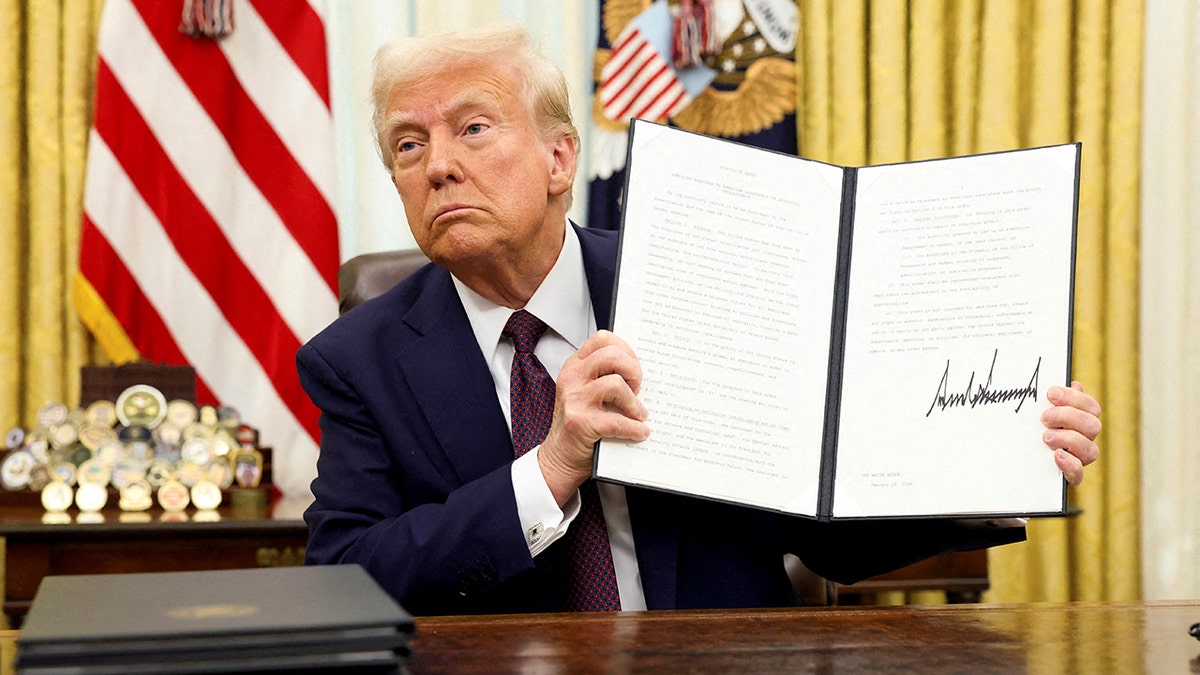
President Donald Trump holds a signed executive order in the Oval Office of the White House. Trump said he will attend Wednesday’s oral arguments before the U.S. Supreme Court for a case about birthright citizenship.   (Reuters/Kevin Lamarque)

The case has come before the high court after multiple judges blocked the order from taking effect. 

The Trump administration has argued the 14th Amendment was originally intended to grant citizenship to former slaves, not to children of illegal immigrants or temporary visitors.

“This is not about Chinese billionaires or billionaires from other countries who, all of a sudden, have 75 children or 59 children in one case or 10 children becoming American citizens,” Trump told Fox News senior White House correspondent Peter Doocy in the Oval Office on Tuesday. 

“This was about slaves. And if you take a look, slaves. We’re talking about slaves from the Civil War.”

HOW THE SUPREME COURT’S INJUNCTION RULING ADVANCES TRUMP’S BIRTHRIGHT CITIZENSHIP FIGHT

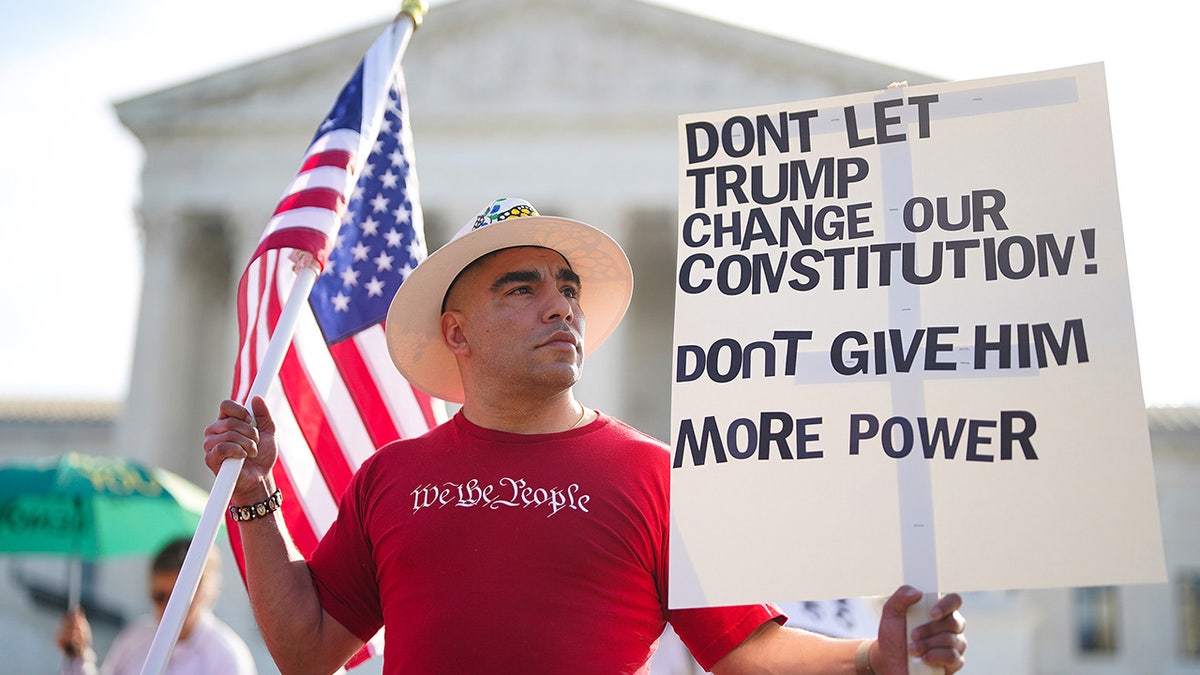
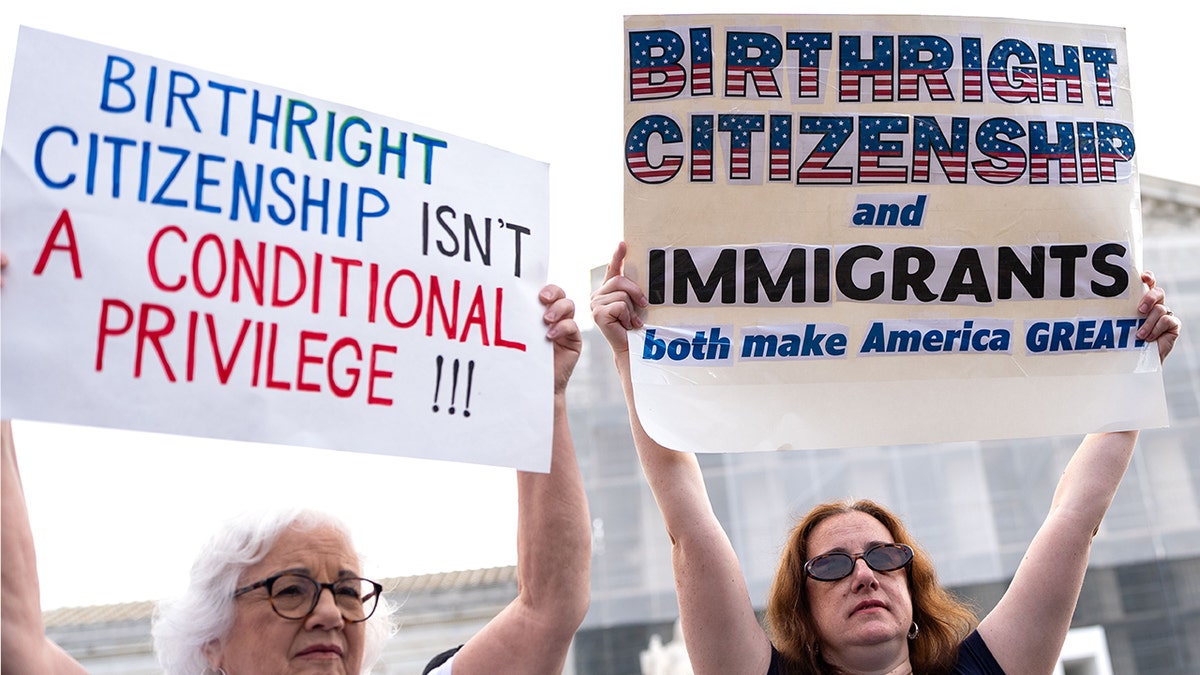
Demonstrators gather outside the Supreme Court in Washington, D.C., in support of birthright citizenship.

Demonstrators gather outside the Supreme Court in Washington, D.C., in support of birthright citizenship. (Kent Nishimura/Bloomberg via Getty)

The 14th Amendment was ratified in 1898 after the Supreme Court held that children born on U.S. soil are automatically granted citizenship with very few exceptions, such as children of diplomats.

Trump noted that people and companies, many from China, have profited off the birth tourism industry by bringing people into the U.S. with the intent of giving birth so their children could be granted American citizenship and, therefore,reap its benefits. 

“People are making a living, a big living, getting hundreds of thousands and even millions of dollars from bringing people in and saying, ‘Congratulations, your whole family is going to be a citizen of the United States of America,’” he said. “That’s not what it was for. It wasn’t for billionaires bringing people in or family, and it was for the children of slaves.”

Critics warn that if birthright citizenship ended, it could create a new class of people born in the U.S. who are not recognized as citizens, while supporters say it would be an incentive for illegal immigration and exploitation. 

CLICK HERE TO GET THE FOX NEWS APP

“It is the craziest thing I’ve ever seen,” said Trump. “It’s been so badly handled by legal people over the years. If you look at the original birthright citizenship papers, they all happened right after the Civil War. The reason was it had to do with the babies of slaves. … Our country is being scammed. We’re getting all of these people.”


Supreme Court prepares to review Trump executive order on birthright citizenship


NEWYou can now listen to Fox News articles!

The Supreme Court is poised to answer a fundamental constitutional question largely ignored for more than a century: Who qualifies as an American citizen?

The justices on Wednesday will hold oral arguments to review President Donald Trump’s efforts to limit birthright citizenship in the U.S., a landmark case with the potential to upend the lives of millions of Americans and lawful residents.

At issue is the executive order the president signed on his first day back in office, which would end automatic citizenship for nearly all persons born in the U.S. to undocumented parents, or parents with lawful temporary status in the country — a seismic legal, political, and social shift that critics note would break with more than 150 years of legal precedent. 

A ruling is expected within three months but until then, Trump’s plans remain on hold.

HOW TO MAKE PRESIDENT DONALD TRUMP’S IMMIGRATION PAUSE STICK IN COURT

Supreme Court prepares to review Trump executive order on birthright citizenship

The Supreme Court on Feb. 20, 2026. (Annabelle Gordon/Bloomberg via Getty Images)

The case is the fourth of a five-part series of appeals the Supreme Court will consider this term on the merits of Trump’s sweeping executive agenda.

The nine-member bench has already tossed out his reciprocal tariffs on most other countries, which relied on an economic emergency law. A separate dispute over ending protections for migrants with temporary protected status will be argued later in April.

Still pending are rulings on the president’s ability to fire members of independent agencies, including Federal Reserve governors.

But the administration has been winning most of the emergency appeals at the Supreme Court since Trump took office again, which dealt only with whether challenged policies could go into effect temporarily, while the issues play out in the lower courts– including immigration, federal spending cuts, workforce reductions, and transgender people in the military.

Constitutional Meaning

Trump’s order now before the high court for final review would reinterpret the 14th Amendment, which states, “All persons born or naturalized in the United States, and subject to the jurisdiction thereof, are citizens of the United States and of the State wherein they reside” — a provision the president argues has been misinterpreted.

Executive Order 14160, entitled “Protecting the Meaning and Value of American Citizenship,” would deny it to those born after February 19, 2025 whose parents are illegal immigrants, or those who were here legally but on temporary non-immigrant visas.

And it bans federal agencies from issuing or accepting documents recognizing citizenship for those children.

“The privilege of United States citizenship is a priceless and profound gift,” says part of the order. “But the Fourteenth Amendment has never been interpreted to extend citizenship universally to everyone born within the United States.”

A Supreme Court ruling on the issue could have sweeping national implications for an issue Trump officials argue is a crucial component of his hardline immigration agenda, which has become a defining feature of his second White House term.

BIRTHRIGHT CITIZENSHIP SUPPORTERS GET THE LAW WRONG BY IGNORING OBVIOUS EVIDENCE

Protesters hold up birthright citizenship banner outside Supreme Court

Demonstrators hold up an anti-Trump sign outside the Supreme Court in Washington, D.C., on June 27, 2025. (Alex Wroblewski/AFP via Getty Images)

In its high court petition, the Trump Justice Department said all lower court decisions handed down last year striking down the executive order had relied on a “mistaken view” with potentially “destructive consequences.”

“The lower courts’ decisions invalidated a policy of prime importance to the president and his administration in a manner that undermines our border security,” said John Sauer, U.S. Solicitor General, who will make the case in person at oral arguments.

“Those decisions confer, without lawful justification, the privilege of American citizenship on hundreds of thousands of unqualified people,” he added.

Opponents argue the effort is unconstitutional and “unprecedented,” and would threaten some 150,000 children in the U.S. born annually to parents of non-citizens, and an estimated 4.6 million American-born children under 18 who are living with an undocumented immigrant parent, according to data from the Pew Research Center.

Separate coalitions of about two dozen states, along with immigrant rights groups, and private individuals — including several pregnant women in Maryland — had filed a class-action lawsuit.

The plaintiffs — including those originally from Taiwan and Brazil — seek to preserve access to citizenship-related benefits including Social Security, SNAP, and Medicaid.

To date, no court has sided with the Trump administration’s interpretation of the 14th Amendment, and blocked the order from taking force.

The ACLU and other immigrant advocacy groups in the U.S., have accused Trump of attempting to “unilaterally rewrite the 14th Amendment.”

“The federal courts have unanimously held that President Trump’s executive order is contrary to the Constitution, a Supreme Court decision from 1898, and a law enacted by Congress,” said ACLU legal director Cecillia Wang, who will argue for the plaintiffs in the courtroom session. “We look forward to putting this issue to rest once and for all in the Supreme Court this term.”

The Arguments

Much of the public session is expected to focus on a phrase in the Constitution that the government asserts limits the citizenship right.

“The Fourteenth Amendment has always excluded from birthright citizenship persons who were born in the United States but not ‘subject to the jurisdiction thereof,'” said Trump’s original order, which the Justice Department essentially interprets as “being subject to U.S. law” — which would give the government discretion to exclude those whose parents are in the country illegally.

But lawyers for the plaintiffs say a century-old Supreme Court ruling affirmed the phrase only excluded automatic citizenship to children born to foreign diplomats or hostile forces.

Supporters of a broad, traditional interpretation point to the 14th Amendment’s origins — passed after the Civil War to end the practice of excluding individuals of African descent, including slaves and free persons, from ever becoming U.S. citizens.

TRUMP ADMIN PUTS KEY BIDEN-ERA IMMIGRATION POLICY ON NOTICE: ‘UNSUSTAINABLE CYCLE’

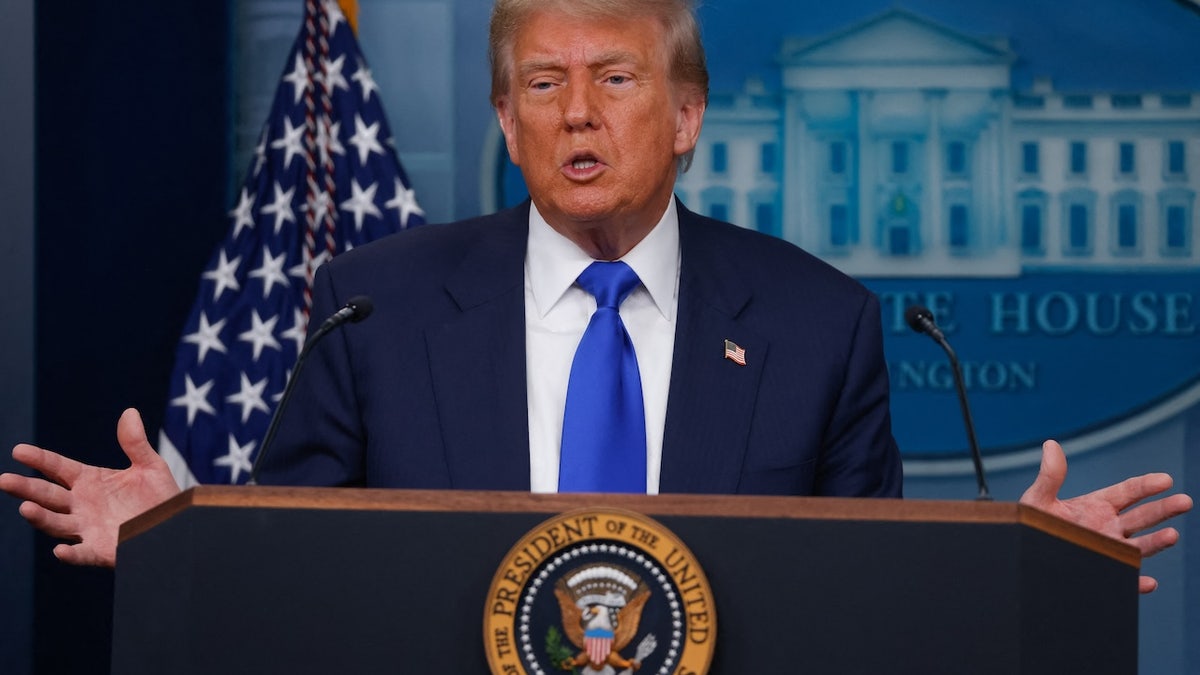
U.S. President Donald Trump speaks during a press conference in the James S. Brady Briefing Room at the White House, on June 27, 2025, in Washington D.C., following a U.S. Supreme Court ruling that limits the application of birthright citizenship. (Mehmet Eser / Middle East Images via AFP / Getty)

President Donald Trump speaks during a press conference at the White House, on June 27, 2025, following a Supreme Court ruling that limits the application of birthright citizenship. (Mehmet Eser/Middle East Images via AFP)

Thirty-one years after its enactment, the Supreme Court for the first time decided the status of children born in the U.S. to alien parents, creating the precedent of how the Citizenship Clause would be applied in future cases.

Plaintiff Wong Kim Ark was born in San Francisco and became a cook, but was subject to the Chinese Exclusion Act and denied reentry to the U-S after a trip abroad.

In its landmark ruling, the high court concluded, “A child born in the United States, of parents of Chinese descent, who, at the time of his birth, are subjects of the Emperor of China, but have a permanent domicil and residence in the United States… becomes at the time of his birth a citizen of the United States, by virtue of the first clause of the Fourteenth Amendment of the Constitution.”

The Impact

A recent Pew Research poll asked Americans whether they wanted children of immigrants, temporary immigrants or any immigrants lawfully present in the United States to be citizens, and 94% said yes.

Critics of the administration’s plans fear a chaotic and unfair patchwork of enforcement that would apply in some states and not others, some families and not others, and that it could be sweeping in scope.

“Under the executive order, that child is born a non-citizen,” Amanda Frost, director of the Immigration, Migration and Human Rights Program at the University of Virginia School of Law. “Denied all the benefits and privileges of citizenship and theoretically deportable on day one of their life. And then every single American family having a child will now have to prove their status before that child is considered a citizen by the U.S. government. And that doesn’t matter if they go back to the Mayflower. That’s what everyone will have to prove going forward.”

But immigration reform advocates point to what they call abuses in the system.

JUSTICE JACKSON AUTHORS UNANIMOUS SCOTUS OPINION HANDING TRUMP AN IMMIGRATION WIN

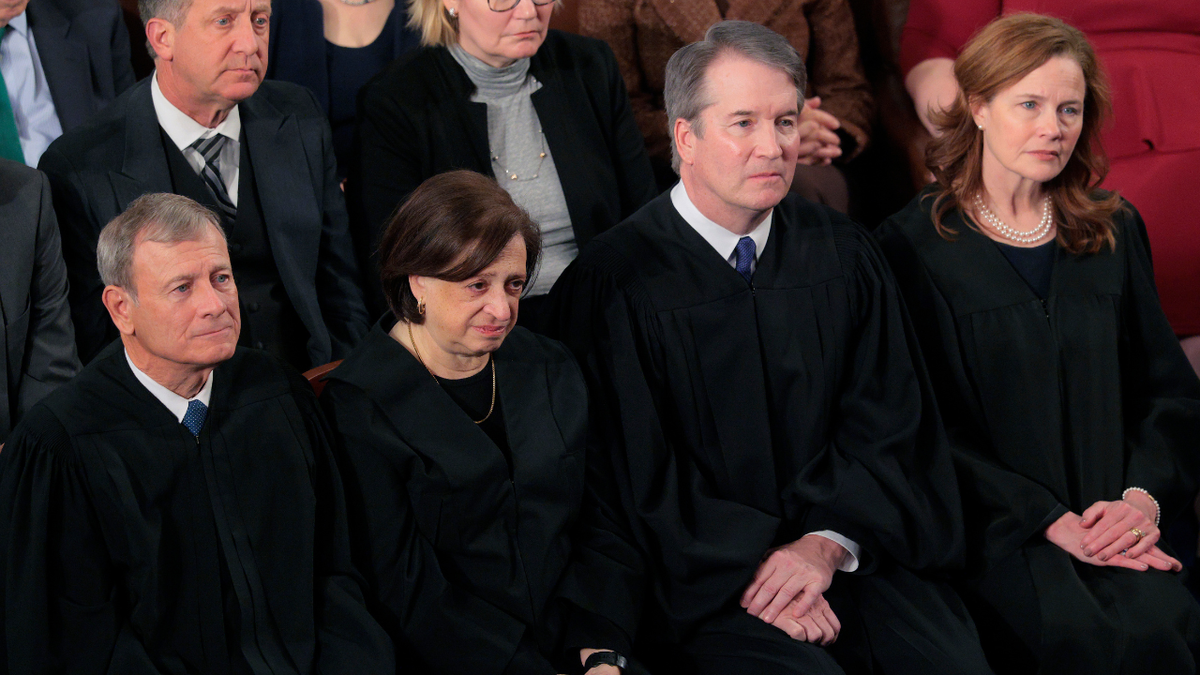
Supreme Court Chief Justice John Roberts, Associate Justice Elena Kagan, Associate Justice Brent Kavanaugh and Associate Justice Mary Coney Barrett are seen at the State of the Union address.

Chief Justice John Roberts and Justices Elena Kagan, Brent Kavanaugh and Amy Coney Barrett attend the State of the Union address at the U.S. Capitol on Feb. 24, 2026, in Washington, D.C. (Chip Somodevilla/Getty Images)

“That is the exploitation of America’s birthright citizenship policy… particularly those by nationals of the People’s Republic of China,” Peter Schweizer, president of the Government Accountability Institute. “Birth tourism is essentially an industry that provides concierge service at every step of the way for a foreign national, in this case China, to pay the firm roughly $100,000, they will transport them to the United States, arrange medical care, arrange citizenship for the child,” he added. “And as soon as the child is old enough to travel, they will return back to China.”

In oral arguments last May when the Supreme Court first looked at Trump’s birthright citizenship order, many on the bench were skeptical of the Trump administration.

The government’s position “makes no sense whatsoever,” said Justice Sonia Sotomayor, saying it could leave some children “stateless.”

“So as far as I see it, this order violates four Supreme Court precedents,” added Sotomayor. “And you are claiming that not just the Supreme Court, that both the Supreme Court and no lower court can stop an executive from universally violating those holdings by this Court.” 

“On the day after it goes into effect — it’s just a very practical question of how it’s going to work,” asked Justice Brett Kavanaugh. “What do hospitals do with a newborn? What do states do with a newborn?” when it comes to determining citizenship on the birth certificate.

“I don’t think they do anything different,” replied Sauer. “What the executive order says in Section Two is that federal officials do not accept documents that have the wrong designation of citizenship from people who are subject to the executive order.”

CLICK HERE TO DOWNLOAD THE FOX NEWS APP

“How are they going to know that?” asked Kavanaugh, shaking his head.  

The case is Trump v. Barbara (25-365), a pseudonym for a Honduran citizen who fears for her and her family’s safety. Her child was born in the U.S. in October, months after she joined the lawsuit as the named plaintiff.


‘Orwellian’ Biden-era censorship reined in as red states celebrate ‘historic’ settlement


NEWYou can now listen to Fox News articles!

Republican attorneys general are hailing a First Amendment victory in a censorship lawsuit against the Biden administration after two red states secured a settlement restricting federal government agencies from influencing social media companies’ moderation practices.

Louisiana Attorney General Liz Murrill told Fox News Digital the settlement, a 10-year consent decree blocking several agencies from pressuring social media companies over their content, was “simply historic in nature.”

“Being able to set a precedent like this will help everybody in the future be able to show that this conduct is wrong,” Murrill said in a phone interview. “It was Orwellian in nature from the beginning. It still is, and I’m grateful that the government is acknowledging that it shouldn’t have been doing it.”

Missouri, Louisiana and several individual plaintiffs brought the high-profile jawboning lawsuit in 2022, alleging the Biden administration and officials in the first Trump administration inappropriately pressured social media companies to censor conservative viewpoints about COVID-19, election security and Hunter Biden’s laptop.

FEDERAL JUDGE RULES PENTAGON POLICY RESTRICTING PRESS ACCESS UNCONSTITUTIONAL, HANDS VICTORY TO NEW YORK TIMES

‘Orwellian’ Biden-era censorship reined in as red states celebrate ‘historic’ settlement

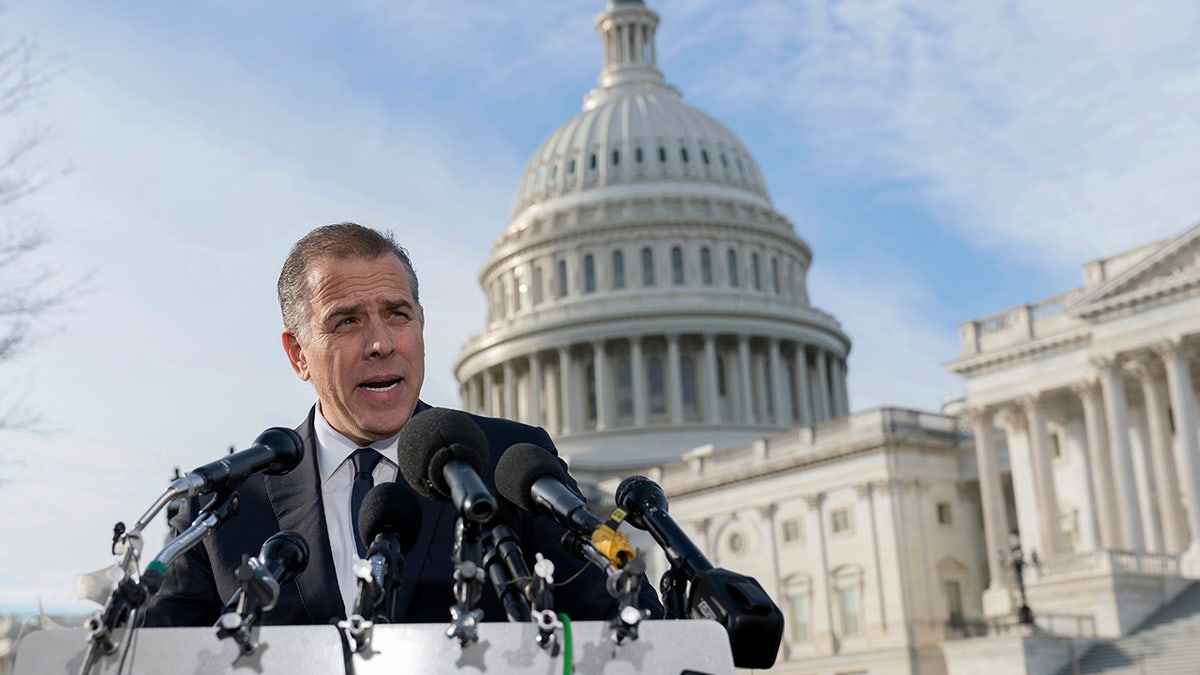
Hunter Biden, son of President Joe Biden, talks to reporters at the U.S. Capitol, in Washington, Wednesday, Dec. 13, 2023.  (AP Photo/Jose Luis Magana)

Under the settlement, the Office of the Surgeon General, the Centers for Disease Control and Prevention and the Cybersecurity and Infrastructure Security Agency are barred for the next decade from threatening or coercing social media companies to remove or suppress protected speech. The agreement also blocks officials from giving directions on or vetoing platforms’ content moderation decisions.

“This is the first real, operational restraint on the federal censorship machine,” said Sen. Eric Schmitt, R-Mo., who brought the lawsuit when he served as his state’s attorney general. “The deep state just got checked,” Schmitt added.

Murrill and now-U.S. Solicitor General John Sauer helped with the case when they were solicitors general of Louisiana and Missouri, respectively. Murrill reflected on conversations she had at the time about “the line between coercion and government speech.”

“It was so clear to me that what the government was doing went way beyond appropriate boundaries in terms of deliberately throttling people’s speech, taking down protected, truthful speech and forcing these corporations to bend to the White House’s will,” Murrill said. “That was a very scary precedent, and I think that’s why this agreement is so important.”

GOOGLE TO REINSTATE BANNED YOUTUBE ACCOUNTS CENSORED FOR POLITICAL SPEECH

The lawsuit alleged that federal government agencies and officials pressured YouTube; Twitter, now X; Facebook, now Meta; and other platforms to censor content, arguing the actions amounted to coercing the companies to remove constitutionally-protected speech.

Republicans’ outrage about social media censorship gained momentum in 2020 after Twitter fully restricted and Facebook suppressed the New York Post’s bombshell report about the Biden family and Ukraine that was based on contents from Hunter Biden’s laptop. 

Discovery in the lawsuit and subsequent congressional investigations revealed that FBI officials during the first Trump administration met with social media companies and warned them just before the story was published of a possible Russian “hack and leak” operation designed to interfere with the 2020 election, which the companies later said influenced their decision to block out the story.

Liz Murrill

Louisiana Attorney General Liz Murrill leaves the U.S. Supreme Court following oral arguments in Washington, March 18, 2024. (REUTERS/Bonnie Cash )

President Donald Trump told Fox Business in October 2020 the censorship efforts were “out of control” and intended to derail his election prospects.

“It’s like a third arm, maybe a first arm, of the DNC — Twitter, and Facebook, they’re all — like really, it’s a massive campaign contribution,” Trump said at the time.

An infamous open letter signed by 51 former top intelligence officials in the weeks before the election fueled the fire by alleging the New York Post’s story had “all the classic earmarks of a Russian information operation.” Trump, when he took office in 2025, revoked their security clearances in an executive order and accused them of using their powerful former job titles to help discredit the story to swing the election for Joe Biden.

Judge Terry Doughty, a Louisiana-based federal judge appointed by Trump, initially issued an injunction against the Biden administration in 2023, saying evidence in the case “depicts an almost dystopian scenario” in which the federal government “seems to have assumed a role similar to an Orwellian ‘Ministry of Truth.’” Biden administration officials were found, for instance, to have aggressively demanded in emails to social media companies that they remove anti-vaccine content, which they said was disinformation.

One Biden White House official told Facebook that “internally we have been considering our options on what to do about it,” while another warned Twitter to take down content “ASAP” and “immediately.”

The injunction limited the government from having certain interactions with social media companies, but the U.S. Court of Appeals for the 5th Circuit narrowed that injunction and the Supreme Court fully vacated it on appeal, finding the plaintiffs did not show they had standing. The high court punted on addressing the underlying merits of the case, leading to this week’s consent decree.

GOOGLE’S DECISION TO WALK BACK BIDEN-ERA YOUTUBE ACCOUNT BANS HAILED AS ‘HUGE DEVELOPMENT’ FOR FREE SPEECH

Rally in Georgia

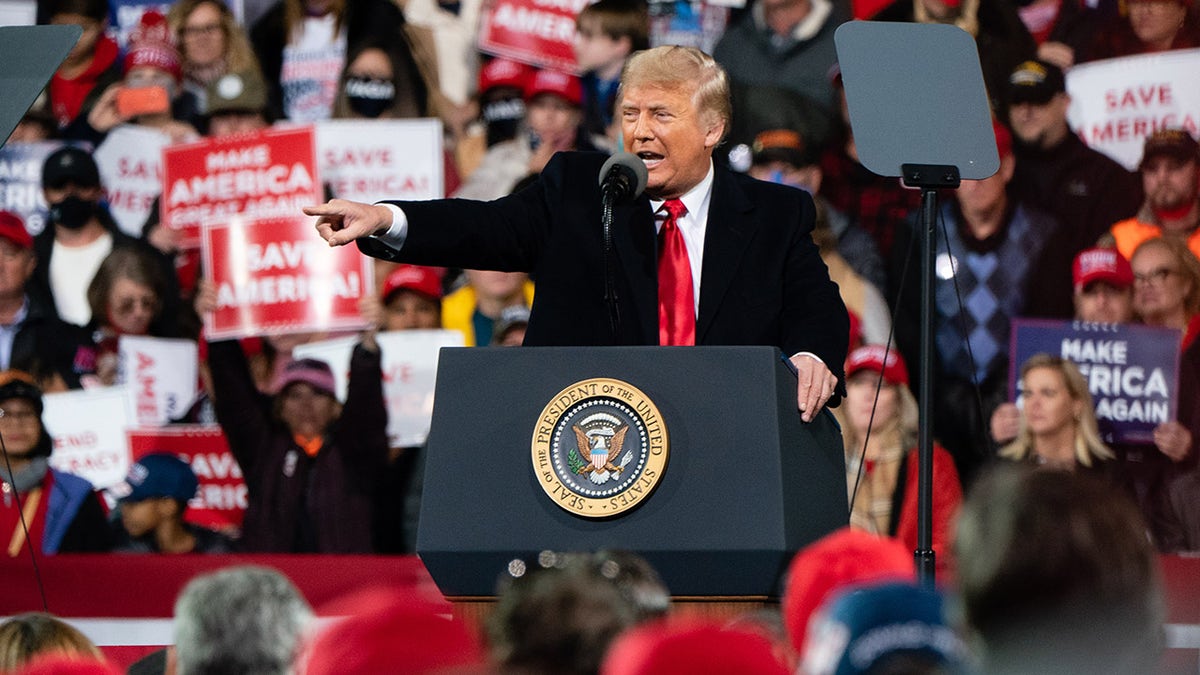
President Donald Trump speaks during a rally in Valdosta, Georgia, on Saturday, Dec. 5, 2020.  (Getty Images)

The settlement allows government officials to continue communicating with social media companies, including by flagging content or expressing disagreement, so long as the communication does not involve threats, such as implying that the companies will suffer regulatory or legal consequences.

In the settlement, the federal government did not admit any wrongdoing, and the agreement noted that the government still had authority to address criminal activity or national security threats on the platforms.

Missouri Attorney General Catherine Hanaway applauded the consent decree in a statement, saying her state “will NOT allow politicians to police speech.”

CLICK HERE TO DOWNLOAD THE FOX NEWS APP

Attorney John Vecchione of the New Civil Liberties Alliance, which represented individuals who were named as plaintiffs in the case alongside the two states, emphasized their winding path to the consent decree.

“This case began with a suspicion, that blossomed into fact, that led to Congressional hearings and an Executive Order that government censorship of Americans’ social media posts should end,” Vecchione said. “Freedom of speech has been powerfully preserved by our clients, past and present, who initiated this suit.”


Alito gives lawyers plain-English lesson on meaning of ‘day’ as Supreme Court weighs late-ballot fight


NEWYou can now listen to Fox News articles!

Justice Samuel Alito emphasized the literal meaning of the word “day” as the Supreme Court heard arguments Monday about whether states can legally accept late-arriving ballots that are postmarked by Election Day.

“We have lots of phrases that involve two words, the last of which, the second of which is ‘day,’ Labor Day, Memorial Day, George Washington’s birthday, Independence Day, birthday and Election Day, and they’re all particular days,” Alito, an appointee of former President George W. Bush, said.

Alito added, “If we start with that, if I have nothing more to look at than the phrase ‘Election Day,’ I think this is the day in which everything is going to take place, or almost everything.”

The justice’s remarks came after the Republican National Committee sued over a Mississippi law that allows mail ballots postmarked by Election Day to be counted if they are received five days after that day. The U.S. Court of Appeals for the 5th Circuit sided with the RNC in the case in 2024, leading Mississippi to ask the Supreme Court to weigh in.

ELECTION INTEGRITY GROUPS PRESS SUPREME COURT TO REQUIRE BALLOTS BY ELECTION DAY

Alito gives lawyers plain-English lesson on meaning of ‘day’ as Supreme Court weighs late-ballot fight

U.S. Supreme Court Associate Justice Samuel Alito on Oct. 7, 2022, in Washington, D.C. (Alex Wong/Getty Images)

Alito was among multiple conservative justices on Monday who appeared skeptical of Mississippi’s law and intent on striking it down. A decision is expected by the summer and would likely affect more than a dozen states that accept postmarked ballots after Election Day.

While some of the justices seemed persuaded that Election Day should be viewed as a single and final day in an election cycle, Chief Justice John Roberts, a George W. Bush appointee, and Justice Elena Kagan, an Obama appointee, raised concerns that if the interpretation of Election Day was strictly upheld by the court, then early voting might also be affected.

“If ‘day’ includes a period after a particular day of the election, does it include a particular day before the day of the election?” Roberts asked Mississippi Solicitor General Scott Stewart. “Or does your logic require a different consideration?”

Former U.S. Solicitor General Paul Clement, a prominent conservative lawyer, argued in support of the RNC, saying the original meaning of an election involved the “combined action” of offering up a vote and an election official receiving the vote.

RNC GETS DAY AT SUPREME COURT TO CHALLENGE LATE-ARRIVING MAIL BALLOTS

Supreme Court building in Washington, DC

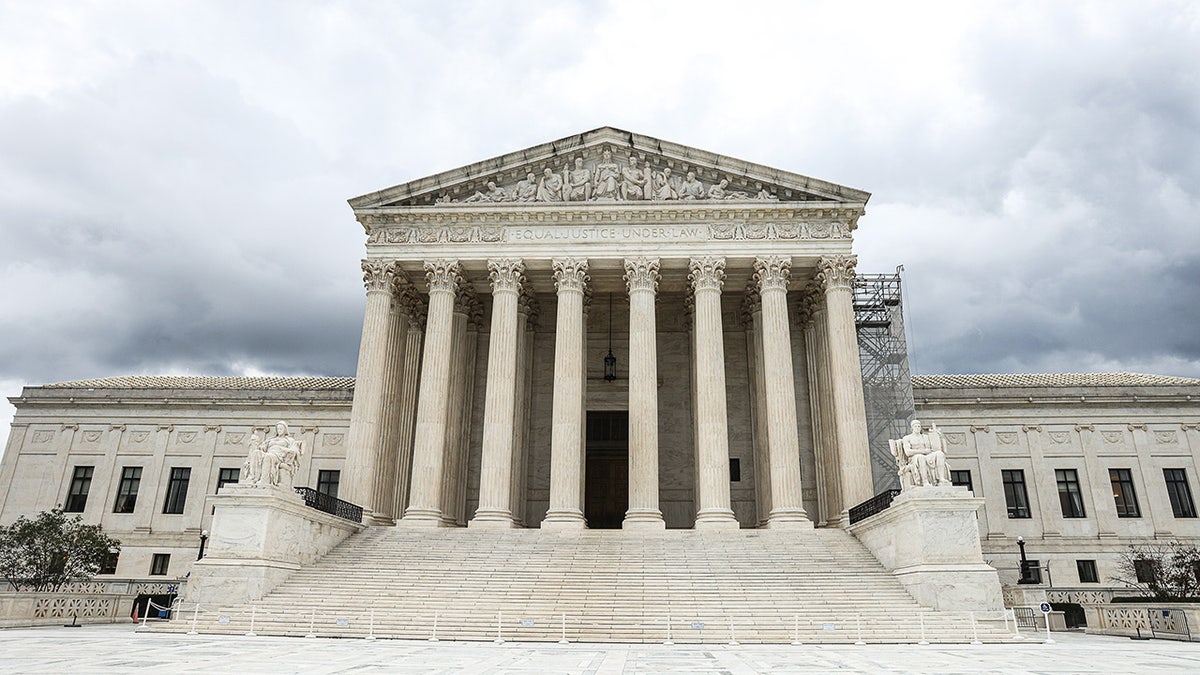
The facade of the U.S. Supreme Court building is seen in October 2024. (Valerie Plesch/picture alliance via Getty Images)

“All agree that elections for federal office have to end on the day of the election specified by Congress, and all agree that you can’t have an election unless you receive ballots, and there must be some deadline for ballot receipt,” Clement said. “Nonetheless, Mississippi insists that ballots can trickle in days or even weeks after Election Day. That position is wrong as a matter of text, precedent, history and common sense.”

The case comes as President Donald Trump has made election security a top focus. The RNC and several election integrity groups that weighed in on the case argued that the Supreme Court should ban late-arriving ballots, except for military ballots, because they sow distrust in elections.

“Today’s oral arguments in Watson v. RNC clearly show where the Supreme Court should come down: state laws that count ballots received after Election Day violate federal law, expose elections to delays, invite fraud, and fuel public doubt in the democratic process,” Jason Snead, executive director of the Honest Elections Project, said in a statement provided to Fox News Digital.

Pennsylvania Elections Mail Ballots

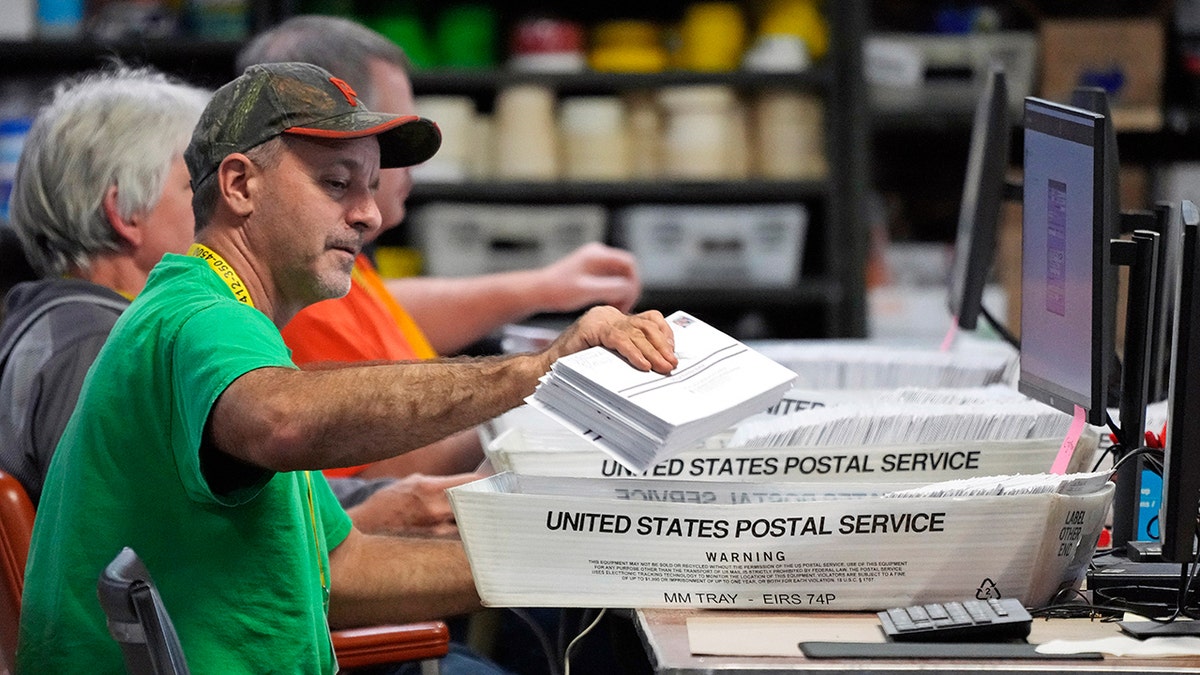
Allegheny County workers scan mail-in and absentee ballots at the Allegheny County Election Division Elections warehouse in Pittsburgh, Thursday, Nov. 3, 2022. (AP Photo/Gene J. Puskar)

At least 14 states and Washington, D.C., currently count ballots received after Election Day if postmarked on time.

A ruling upholding the 5th Circuit could invalidate those policies and require ballots to be in election officials’ hands by the close of polls, a decision that is expected to affect the 2026 midterms. Critics say election officials could still be counting mail ballots in some states even if the ballots are all received by Election Day because of states’ individual tabulating processes.

CLICK HERE TO GET THE FOX NEWS APP

Military and overseas ballots, which are governed by the Uniformed and Overseas Citizens Absentee Voting Act, would likely remain unaffected.

Since the 2024 midterm elections, four Republican-controlled states, Kansas, Ohio, Utah and North Dakota, have moved to require receipt by Election Day.

Fox News’ Bill Mears contributed to this report.