Think Crushed Eggshells Stop Slugs? Science Says You’re Probably Just Feeding Them


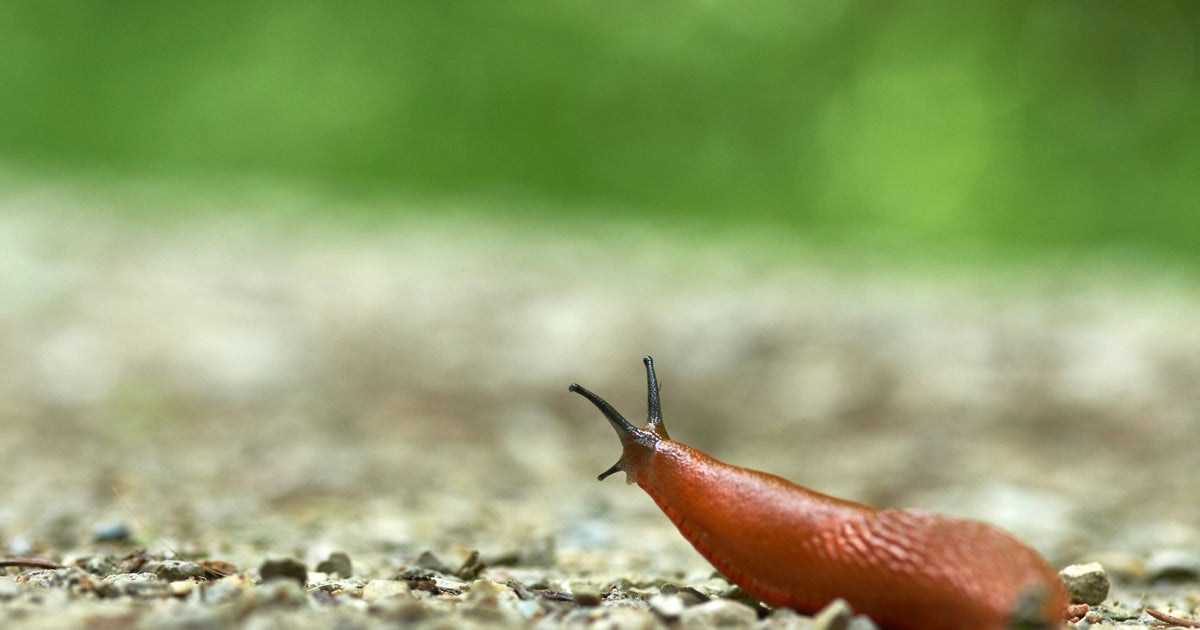
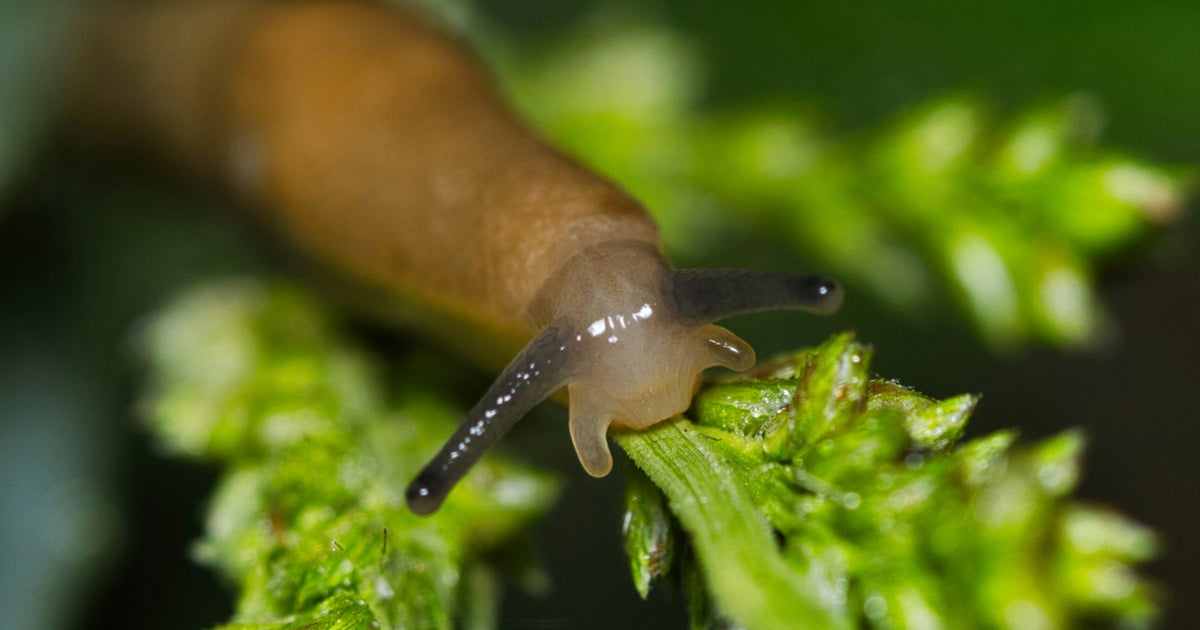
If you’re a gardener, chances are you have a tense relationship with slugs.

Even though only nine of the 44 species in the UK actually eat your veggies. , and while they’re key to feeding our dwindling bird population, it can be hard to give unwanted visitors grace if they’re making your garden suffer.

Still, there are lots of reasons – like the fact that biodiverse gardens fare better – not to kill them. Some turn to repellants over pesticides, some of which are illegal in the UK anyway.

That can include placing “barriers,” like crushed eggshells, around your plants. But that might not work.

There’s not much evidence to suggest eggshells repel slugs

The idea is simple: when you place crushed eggshells on the ground, the theory goes, it makes an uncomfortable carpet for slugs.

So, they turn away from your budding blooms rather than face the sharp, stabbing sensations of crawling over broken shells.

But McGill University’s (MU) Office for Science and Society, as well as the staff at the Royal Horticultural Society (RHS) put that theory to the test, and both of them found the same thing.

The MU team placed crushed eggshells around some lettuce (which slugs love), and found it didn’t stop them at all.

And the RHS research, which took place over six weeks, found that plants “protected” by crushed eggshells didn’t fare any better than those with the smashed-up shells.

Side note – in the RHS investigation, no “barrier” methods, including copper tape, pine bark mulch, sharp horticultural grit, and wool pellets, worked.

So, how should I keep slugs away from my garden?

Speaking to HuffPost UK previously, the RHS’ senior wildlife specialist, Helen Bostock, said: “A vibrant garden ecosystem is one that requires [fewer] inputs from gardeners,” including sprays, because “natural predators” will help yo manage slugs, aphids, snails, and more.

So, trying to attract more birds to your garden can be a great first step.

And when you water your garden matters, too.

In one study, researchers found that watering your garden in the morning, rather than later on, is “as good as metaldehyde pellets” for keeping slugs away (metaldehyde pellets were banned in the UK in 2022).

Ferric phosphate pellets are still allowed, but, the RHS said, “slug pellets (even organic ones) have been shown to have negative effects on wildlife in the garden”.


Unfortunately, We May Be Facing An Influx Of Slugs Again This Spring


Do you remember the great slug influx of 2024? In the words of the iconic Gemma Collins: “It’s hell in there, it’s horror. You have to be a certain type of person to survive.” It was gruesome. I stepped on a slug IN MY HOME in my BARE FEET.

The Royal Horticultural Society (RHS) shares on their website: “Mild, wet weather across the winter, spring and summer resulted in the highest number of calls to the RHS advisory service since records began in the 70s.

“13% of all enquiries to the entomology team related to slugs and snails. This is thought to be as a result of slugs being active earlier, increased breeding and more persistent activity with the absence of any prolonged warm, dry spells forcing them back underground.”

I’ll tell you something, none of my plants survived that summer.

So, will there be a surge of slugs this spring?

Writing for The Conversation, Christopher Terrell Nield, a Lecturer in Chemistry and Forensic Science at Nottingham Trent University advises: “Although flooding can kill overwintering eggs and adults, a mild wet winter will have reduced slug mortality. It may also affect slug predators… Flooding also creates lots of ready food for slugs from plants that have died in the water, a potential slug fest as it dries in spring.

“With a global temperature above 1.4°C, compared to pre-industrial levels, the Met Office predicts a warm 2026. In addition, the UK government’s Environment Agency predicted a drought in 2026, before the winter’s heavy rainfall.”

He shares that, thankfully, our upcoming conditions point towards increased slug populations but probably not as bad as 2024.

Was anything as bad as that?

How to prevent slugs from destroying your plants

The RHS has a guide to preventing slugs with some of the tips including:

  • Choose plants that are less palatable to slugs and snails, such as woody plants, those with thick or waxy leaves and some herbaceous plants known to be less appealing to them
  • Torchlight searches can be carried out on mild evenings, especially when the weather is damp, hand-picking slugs and snails into a container. They can then be placed in another part of your garden, such as the compost
    heap or areas with less vulnerable plants, or left out for predators to take
  • Water in the early morning rather than the evening as evening watering provide ideal conditions for them to move around at night

Good luck and happy gardening this year!


UK Gardeners Told To Try Watering Schedule ‘As Good As Slug Pellets’


For years now, UK gardeners have been discouraged from using slug pellets, which can harm wildlife, in their gardens.

After all, only about nine of the 44 species in the UK actually eat your veggies. And their presence in your backyard is key to feeding our dwindling bird population, too.

Still, there’s no denying that the clash between gardeners and munching molluscs continues. Some green-fingered gurus have previously recommended using garlic or tinfoil to help you stand your (literal) ground in these backyard battles; even a melon could help.

And it turns out that when you water your garden matters, too.

Water your garden in the morning to stop slugs in their slimy tracks

According to Gardener’s World, watering your garden in the morning helps to block slugs’ path at night (when slugs tend to eat their dinner).

“This ensures that the soil has dried out by the evening, when slugs are most active. Wet soil at night can create a slug highway between plants,” the publication shared.

“There has been a study that showed that switching from watering in the evening to watering in the morning can provide as much protection as slug pellets,” their site reads.

Indeed, research published in Agriculture, Ecosystems & Environment found that slug leaf consumption over the course of their study was 60% in untreated areas, and shrunk to 12% in both patches watered in the morning and those covered in metaldehyde pellets.

“Morning irrigation thus gave a level of protection against slug damage as good as metaldehyde pellets combined with evening irrigation,” the paper said.

Metaldehyde pellets have been banned in the UK since 2022 because of the threat they pose to wildlife. Most modern pellets rely on lower-toxicity ferric phosphate instead, which kills slugs through iron poisoning, but the RHS maintains that keeping slugs alive when you can is best for your garden overall.

The RHS said that this works because “if you water in the evening, when the majority of slugs are most active, you’ve created a nice wet film that they can happily travel over.”

Water applied in the morning, meanwhile, is mostly gone by nighttime.

How else can I get rid of slugs without killing them?

According to the RHS, encouraging biodiversity in your garden can aid natural slug control. You can also conduct torchlit searches at night to find and manually remove any offending critters.

Some woody, waxy, and generally tough-to-chew plants will repel them, too.

But while the jury’s out on eggshells, copper tape, and pine bark, there does seem to be some data backing a simple morning watering sesh.