
Rachel Reeves Slams Liz Truss For Helping Richest Families Pay Their Energy Bills
Rachel Reeves has hit out at Liz Truss as she ruled out giving the richest families in the country taxpayer-funded help if their energy bills soar because of the Iran war.
The chancellor all-but confirmed that only low-income households will get government support if the conflict pushes up gas and electricity charges.
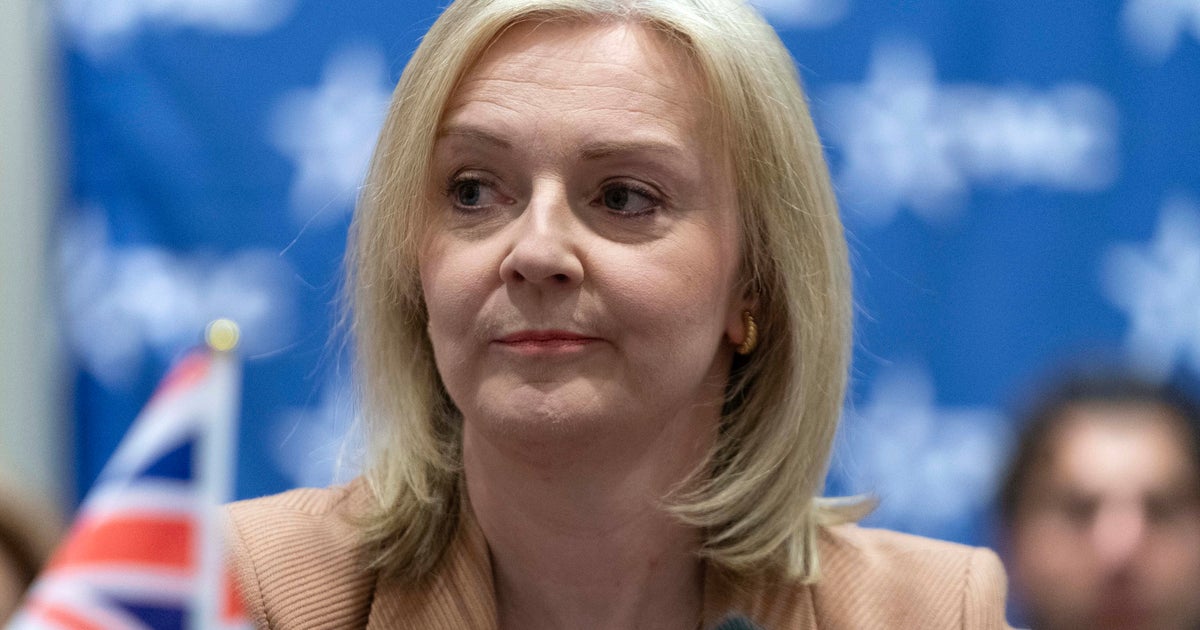
In one of the first acts in her 49-day stint as prime minister, Truss capped everyone in the country’s energy bills at £2,500 a year after Russia’s 2022 invasion of Ukraine caused a spike in gas prices.
The bailout came with a price tag of up to £150 billion, paid for from general taxation and extra government borrowing.
Truss was eventually forced to quit as prime minister after her tax-cutting mini-Budget crashed the economy.
In the Commons on Tuesday, Reeves said the economic problems caused by the Iran war may be “significant” but said the government would only step in to provide help “for those who need it most”.
She said: “The previous government pushed up borrowing, interest rates, inflation and mortgage costs with an unfunded, untargeted package of support under Liz Truss. That gave the support to the most wealthiest of households.
“That left us with high levels of national debt, a cheque written then for a bill that is still being paid today.
“I can confirm to the House that contingency planning is taking place for every eventuality so that we can keep costs down for everyone and provide support for those who need it most, acting within our iron-clad fiscal rules to keep inflation and interest rates as low as possible.”
Donald Trump’s decision to join Israel in bombing Iran has led to a spike in oil prices, raising fears that energy bills will soar.
Reeves told MPs: “This is not a war that we started, nor is it a war that we joined… but it is a war that will have an impact on our country.
“The challenges may be significant but I promise to do what is right and fair, being responsive in a changing world and responsible in the national interest.”