Jury finds ex-NY trooper guilty of manslaughter in 2020 chase that killed 11-year-old


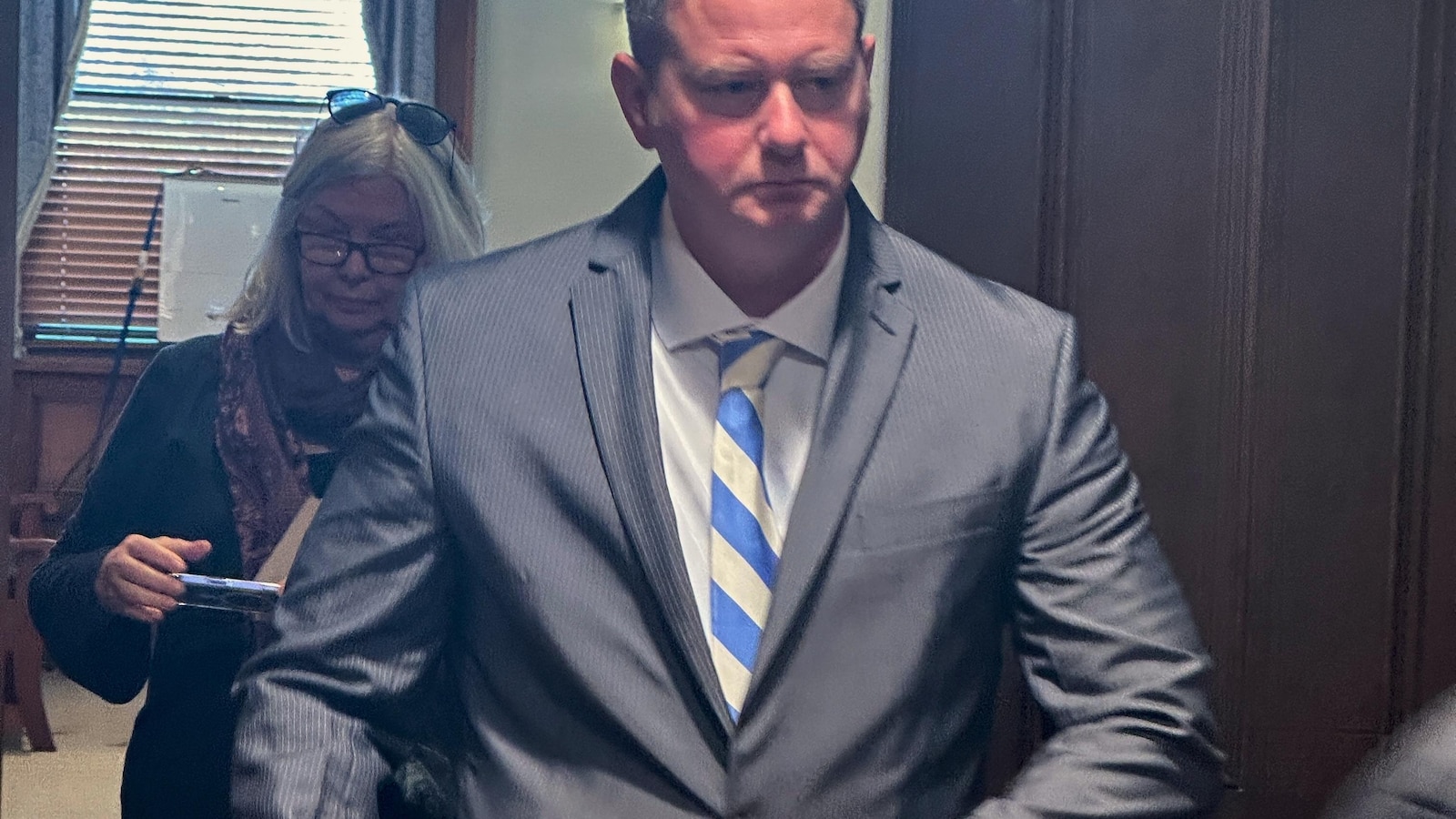
KINGSTON, N.Y. — A former New York state trooper accused of ramming his vehicle into an SUV during a high-speed chase leading to the death of an 11-year-old girl was convicted of manslaughter Friday at his second trial.

Prosecutors say Christopher Baldner rammed the SUV twice on the New York State Thruway, causing it to lose control and flip over. Eleven-year-old Monica Goods, who was in the SUV, was killed in the December 2020 crash. Baldner’s attorneys said the accident occurred after the SUV cut the trooper off as he pulled alongside during the pursuit.

A jury acquitted Baldner of murder and reckless endangerment charges in November, but they deadlocked on a second-degree manslaughter charge. Judge Bryan Rounds declared a mistrial and a second trial on the lone remaining charge began last month.

Assistant State Attorney General Jennifer Gashi told jurors during Baldner’s latest trial that he chose to “recklessly use his patrol car as a weapon” during the chase north of New York City. Defense attorney Anthony Ricco argued it was the driver of the SUV — Monica’s father, Tristin Goods — who acted recklessly and caused her death, according to the Daily Freeman.

Baldner pulled Tristin Goods over for speeding on the highway near Kingston the night of Dec. 22, 2020. Goods, his wife and two daughters were heading north from New York City to visit family.

Baldner and Goods argued, and the trooper pepper-sprayed the inside the vehicle. Goods drove off and Baldner pursued.

Defense attorneys said Goods collided with Baldner’s trooper car twice during the pursuit. An accident reconstruction expert for the defense testified that Goods lost control of the SUV when he overcorrected after “a very minor impact,” the newspaper reported.

Charles W. Murphy, president of the Police Benevolent Association of the New York State Troopers, said the union was deeply disappointed by the verdict and that Baldner was “simply following his training when he responded to a rapidly evolving and highly dangerous situation.”

“This outcome sends a troubling message to all law enforcement officers who must make split-second decisions to protect the public,” Murphy said in a written statement.

The ex-trooper retired in 2022 after almost 20 years with the state police.

Mark Zuckerberg set to testify in watershed social media trial


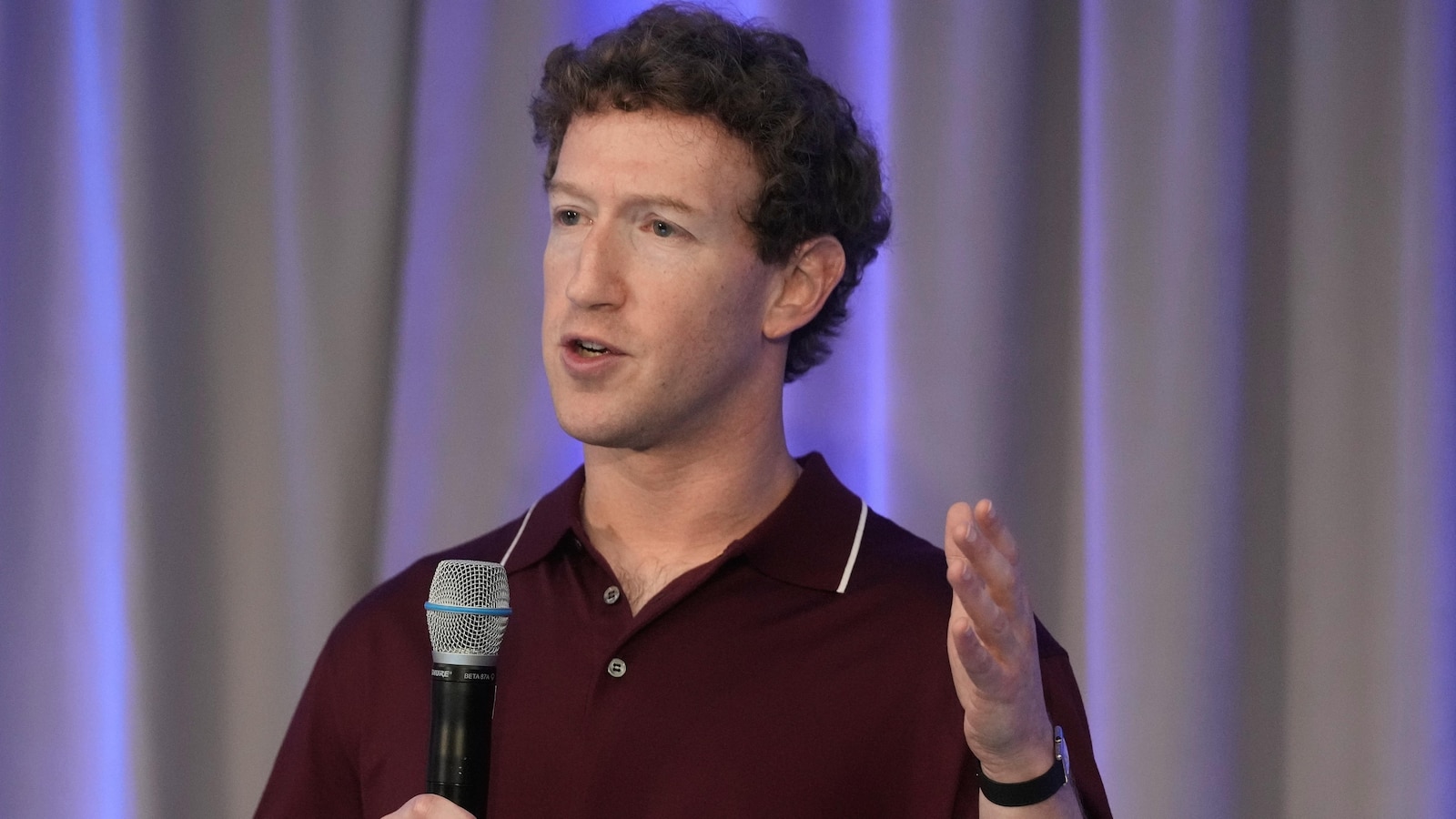
LOS ANGELES — LOS ANGELES (AP) — Mark Zuckerberg will testify in an unprecedented social media trial that questions whether Meta’s platforms deliberately addict and harm children.

Meta’s CEO is expected to answer tough questions on Wednesday from attorneys representing a now 20-year-old woman identified by the initials KGM, who claims her early use of social media addicted her to the technology and exacerbated depression and suicidal thoughts. Meta Platforms and Google’s YouTube are the two remaining defendants in the case, which TikTok and Snap have settled.

Zuckerberg has testified in other trials and answered questions from Congress about youth safety on Meta’s platforms, and he apologized to families at that hearing whose lives had been upended by tragedies they believed were because of social media. This trial, though, marks the first time Zuckerberg will answer similar questions in front of a jury. and, again, bereaved parents are expected to be in the limited courtroom seats available to the public.

The case, along with two others, has been selected as a bellwether trial, meaning its outcome could impact how thousands of similar lawsuits against social media companies would play out.

A Meta spokesperson said the company strongly disagrees with the allegations in the lawsuit and said they are “confident the evidence will show our longstanding commitment to supporting young people.”

One of Meta’s attorneys, Paul Schmidt, said in his opening statement that the company is not disputing that KGM experienced mental health struggles, but rather that Instagram played a substantial factor in those struggles. He pointed to medical records that showed a turbulent home life, and both he and an attorney representing YouTube argue she turned to their platforms as a coping mechanism or a means of escaping her mental health struggles.

Zuckerberg’s testimony comes a week after that of Adam Mosseri, the head of Meta’s Instagram, who said in the courtroom that he disagrees with the idea that people can be clinically addicted to social media platforms. Mosseri maintained that Instagram works hard to protect young people using the service, and said it’s “not good for the company, over the long run, to make decisions that profit for us but are poor for people’s well-being.”

Much of Mosseri’s questioning from the plaintiff’s lawyer, Mark Lanier, centered on cosmetic filters on Instagram that changed people’s appearance — a topic that Lanier is sure to revisit with Zuckerberg. He is also expected to face questions about Instagram’s algorithm, the infinite nature of Meta’ feeds and other features the plaintiffs argue are designed to get users hooked.

Meta is also facing a separate trial in New Mexico that began last week.