I tried a café hidden in a garden centre and found my new favourite escape


The café was packed with people and is clearly a popular spot

A trip to Sunflower Cafe in the Scotsdales Garden Centre

Garden centres are a quintessential part of British culture. With multiple departments selling everything under the sun alongside large offerings of plants and gardening equipment, it is easy to spend a whole day at a garden centre when you need to escape from daily life.

To draw customers in, many garden centres now have their own restaurants and cafés as well as farm shops or play areas to keep children entertained. Cambridgeshire has plenty of garden centres with lovely cafés to test out, so I decided to head down to Scotsdales Garden Centre in Horningsea to see what its Sunflower Café had to offer.

The CamBites series sees our reporters travelling around Cambridgeshire in search of the best food on a budget. Before heading to the café, I managed to get swept up by the range of items on offer at the garden centre.

I spent half an hour drooling over all of the food in the shop and enjoying the bright displays of flowers before dragging myself away to the Sunflower Café. It was completely packed with people. Even though it was a weekday, I was told I’d either have to wait to be seated inside or I could choose to sit outside. Considering it was a fairly nice day, I picked the latter.

I was handed a menu before I picked a table in the garden and had a look through what was on offer while enjoying the peaceful surroundings. The café has a range of classic British dishes to choose from, including both breakfast and lunch options, as well as an extensive drinks list.

To order, I went to the counter and passed by an impressive display case of cakes, brownies, and cheesecakes that looked mouth-wateringly good. If I hadn’t been on a budget, a few slices definitely would have been coming home with me.

I ordered the quiche Lorraine that came with chips, coleslaw, and a side salad, costing £12.99. I collected some cutlery from the island by the counter that had a range of sauces available.

Before long, my food had arrived and I was ready to see what all the fuss was about and why this café was so busy. After taking just one bite, I was impressed by the quality of the food. The slice of quiche was perfectly soft and creamy with chunks of bacon dotted throughout, encased in a light and crumbly pastry.

The side salad was crisp and fresh packed with cherry tomatoes, slices of red onion, and cucumber that came on a bed of mixed lettuce leaves. While it was very refreshing, I felt like the salad would have benefited from a light dressing or balsamic glaze to bring it together.

I was hugely surprised by the coleslaw, which was velvety and rich, and went wonderfully with the side salad to help with its lack of dressing. The chips were homely with a crunchy outside and a fluffy middle to top off the meal.

The whole experience was enjoyable from the lovely service and seating area to the strikingly good food. It is easy to understand why so many people flock to garden centres when they have almost everything you could need in one place. When paired with a fantastic meal for an affordable price, you cannot go wrong with a trip to Scotsdales.

The Horningsea branch of Scotsdales can be found on the village high street. The store is open from 9am to 5pm on Mondays to Saturdays and from 10am to 4pm on Sundays.

All of our food reviews are paid for by the writer. The establishments do not know we will be reviewing their food, allowing us to make fair judgements on each place.


Alan Titchmarsh’s tips to keep rats away from your garden this spring


Alan Titchmarsh has shared how one garden item can attract rats and offered two simple tips to prevent the problem

Rats are a frequent issue in gardens, and with the arrival of spring, the problem is set to intensify. As the weather warms up, many households will be keen to spend more time outside.

However, spring is peak breeding season for rats and mice. They’re hungry, seeking shelter, and they recognise that our gardens can offer perfect nesting spots and food sources.

Infestations can turn into a nightmare to eradicate and can be expensive to resolve. It’s crucial to prevent rats from taking over, and gardening expert Alan Titchmarsh has some essential advice.

The horticultural guru revealed that one activity beloved by gardeners could actually be luring rats. Feeding birds can draw rats into the garden, as they too are eager to feast on their food.

Alan stated: “Most gardeners, myself included, love encouraging garden birds, so bird feeders are everywhere in this garden. But, they can also be a magnet for rats.”

Fortunately, there’s a way to deter rats from going after the bird food and invading your garden. Alan explained that it all comes down to where you place your bird feeder, reports the Mirror.

He advised: “The key to success with them is to position in the open, in the middle of your lawn. Rats hate running through exposed areas. If you put your bird feeder alongside a hedge or wall, that’s great as they have shelter and they rush out and grab what they want and rush back.”

Alan suggests positioning your feeder right in the centre of your garden, well away from bushes, hedges and walls. Additionally, it will provide you with a clearer view of the birds when they visit to feed.

The gardener stressed: “So, in an open space is by far the best place for a bird feeder. Then, you shouldn’t have the rat problem.”

Alan has another tip that can be used to eliminate rats coming into the garden, alongside the position of the bird feeder. He recommends not leaving any bird food out overnight.

Alan said: “Put it out first thing in the morning.” He acknowledged many gardeners might be worried about his tip, as birds like to eat first thing in the morning.

However, he said it won’t be an issue for the birds as they can simply wait. Alan added: “If you have had a rat problem, they can wait half an hour before you put it out. That way, you’ll enjoy the garden birds and hopefully not a rat in sight.”


Chalky, Sandy, Clay: The Best Plants For Every Type Of Soil


It’s one thing running a garden on well-aerated (but never dusty), easily compacted (but not too heavy) soil.

But it’s rare that the stars perfectly align; the UK’s soil, which is increasingly degrading, may run a little too chalky or clay-heavy in your backyard.

Here, we’ll share the types of soil in the UK and the best plants for each of them.

What types of soil are there?

The main types of soil in the UK are:

  • Chalky,
  • Clay,
  • Loamy,
  • Peaty,
  • Sandy,
  • Silty.

The type of soil is determined by its particle size. Clay particles are less than 0.002mm; silt is 0.002-0.05mm; sand is 0.05-2mm, and stones are larger than 2mm.

Most soil is a combination of different soil particles.

Which soil do I have?

To count as a “clay” soil, the earth has to contain 25% or more clay particles. These are fertile, but drain slowly and can be compacted quite easily; they take a long time to warm up, and may “bake” in summer. They get sticky when wet.

Chalky soils tend to be stony as they often lie over a limestone bedrock. They usually drain quite freely and are typically alkaline. If your soil froths when you put it in a jar of vinegar, it’s probably high in chalk.

Sandy soils retain little moisture, which is great for draining after rain but a little tougher to work with during hot weather. They feel gritty to the touch.

Loamy soils are often considered “the perfect soil type” as they contain a mixture of clay, sand, and silt. That makes them easy to work with and able to hold on to water without running waterlogged. They’re usually high in nutrients.

Peaty soils can be acidic and hold a lot of water, though they’re also high in nutrients. They’re not usually found in gardens, though.

And silty soils, while easily compacted, usually drain well and are quite fertile. They typically have medium-sized particles, which help them to retain moisture. They rarely clump and feel a little slippery.

Soil-testing kits can help you work out the nutrient content of your soil.

What are the best plant types for each soil?

1) Clay soils

  • Roses
  • Hydrangea
  • Hardy geraniums
  • Mahonia
  • Foxglove
  • Tomato
  • Cabbage
  • Squash
  • Green beans
  • Lettuce.

2) Chalky soils

  • Geranium
  • Clematis
  • Lavender
  • Yarrow
  • Rosemary
  • Globe thistle
  • Crab apple trees.

3) Loamy soils

  • Wisteria
  • Geranium
  • Day lily
  • Dogwood
  • Summer bulbs
  • Roses
  • Peony
  • Tomato
  • Lettuce
  • Carrots
  • Beans
  • Cucumbers
  • Strawberries.

4) Peaty soils

  • Rhododendrons
  • Azaleas
  • Heather
  • Magnolias
  • Brassicas
  • Radishes
  • Potatoes.

5) Sandy soils

  • Tulips
  • Lavender
  • Buddleja
  • Hardy fuchsia
  • Carrot
  • Courgette
  • Alliums
  • Radishes.

6) Silty soils

  • Willows
  • Ferns
  • Dogwoods
  • Astilbe
  • Cistus
  • Lettuce
  • Chard
  • Green beans.

What if my soil is new and/or very shallow?

Wildflowers do exceptionally well on very new, thin soil, gardener and writer Arthur Parkinson previously told HuffPost UK.

“Perennial wildflowers like ox-eye daisy you can sow onto very poor soils, and they will establish well from being sown in the early autumn. Annual chamomile and cornfield poppies will thrive too if their seed is sown in spring,” he said.


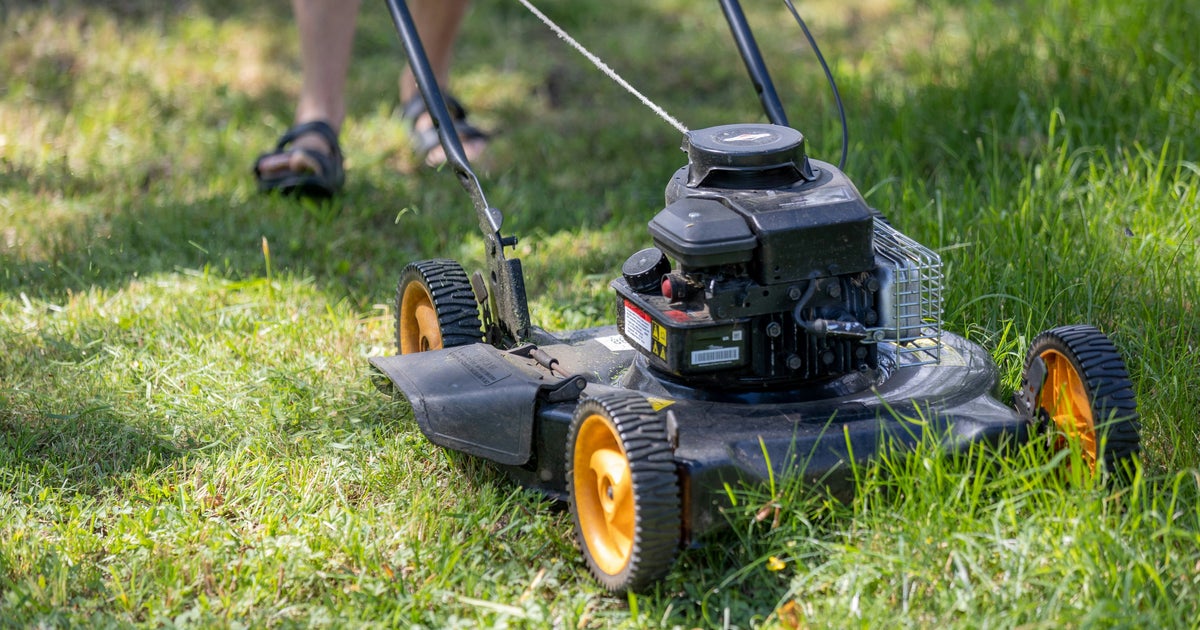
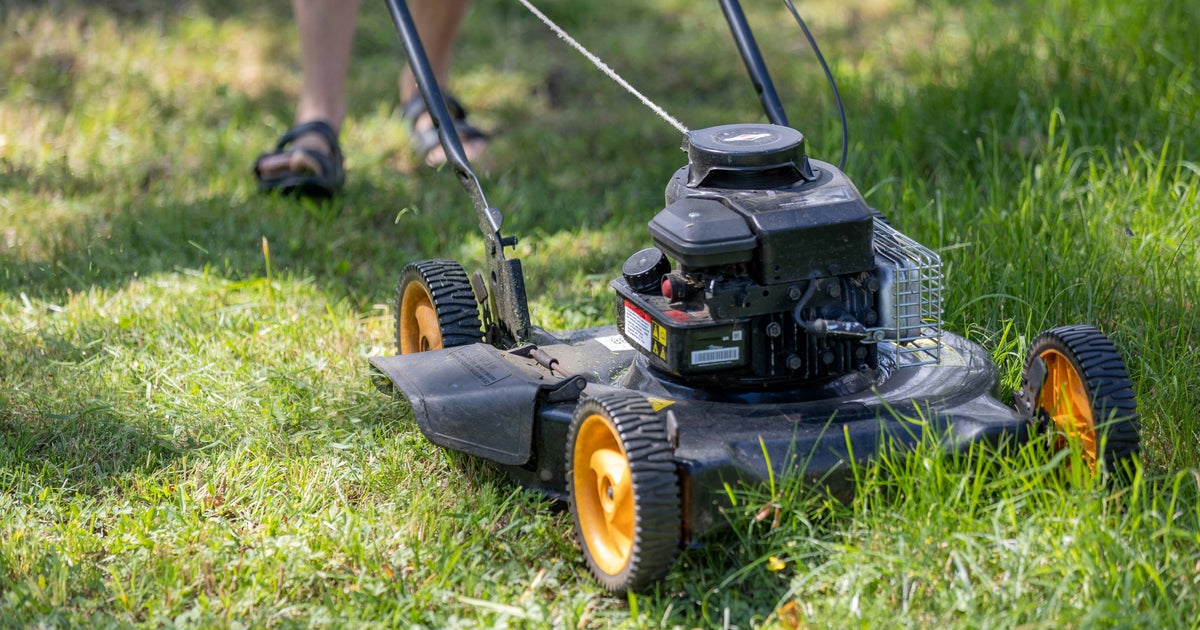
The Ultimate Guide To Perfectly Mowing Your Lawn


There’s a lot to be said for No-Mow May and other initiatives that encourage gardeners to leave some, or all, of their lawns wild. That can help wildlife to flourish.

But to maintain a healthy lawn, sometimes, a haircut is necessary.

Here are 11 rules to help you do it perfectly:

1) Wait for 7°C to start mowing…

Grass begins to grow at this temperature, so there’s no point cutting it when the weather’s any colder. Wait until it’s 7°C or warmer consistently to whip the strimmer out.

2) …And stop mowing at 6°C or lower.

The grass isn’t growing at those temps, which usually begin in late October.

3) Never mow a wet lawn

That can clog your mower, weaken your grass, and leave unsightly imprints.

4) Wait until any new grass is at least 5cm tall to cut it

Any shorter, and you risk “scorching” a new lawn.

5) Do your first mow on the highest blade setting, too

Even if you have an established lawn, do your first mow of the year on your mower blade’s highest setting. If you cut the grass too short early on, you increase the risk of disease, dehydration, and bare patches.

6) Mow at different rates according to season and lawn type

Per the RHS, the following schedule works for these lawns in spring and autumn:

  • Conventional lawn: Every 1-2 weeks,
  • Wildflower lawns or flower-rich meadows: Leave to grow wild.
  • Conventional lawn: Weekly, unless in drought; then, mow fortnightly or less,
  • Wildflower lawns or flower-rich meadows: Every 4-6 weeks,
  • Long-grass lawns: 1-2 times per summer.

It’s not usually necessary to cut lawns in winter.

7) Follow the one-third rule

Regardless of whether it’s your lawn’s first-ever cut or your third strim of the summer, don’t cut off more than a third of the grass’s height at once.

Even established lawns risk forming clumpy, unpleasant patches and becoming weaker if you cut off a high proportion of their height all at once.

8) Keep your mower blades sharp and clean

Blunt mower blades and mower blades with lots of clogged-up grass in them can make mowing your lawn harder and less effective. Always ensure your mower is switched off before going anywhere near blades, and seek specialist help for cylinder mowers.

9) Skip the job in May

We mentioned No-Mow May before. It involves not cutting your lawn in the month and can boost wildlife, but it doesn’t have to be all or nothing; a “low-mow May,” meaning you mow some parts of your garden but leave others wild, can help too.

10) Clear the lawn before mowing

Check for loose stones and hidden objects, like toys and bulbs, in the garden before mowing. Clear them along with any garden furniture before beginning the task.

11) Change direction every month or so

If you change the direction you mow in about once a month, you’ll be able to cut any blades of grass you’d previously missed and can avoid unsightly wheel ruts.


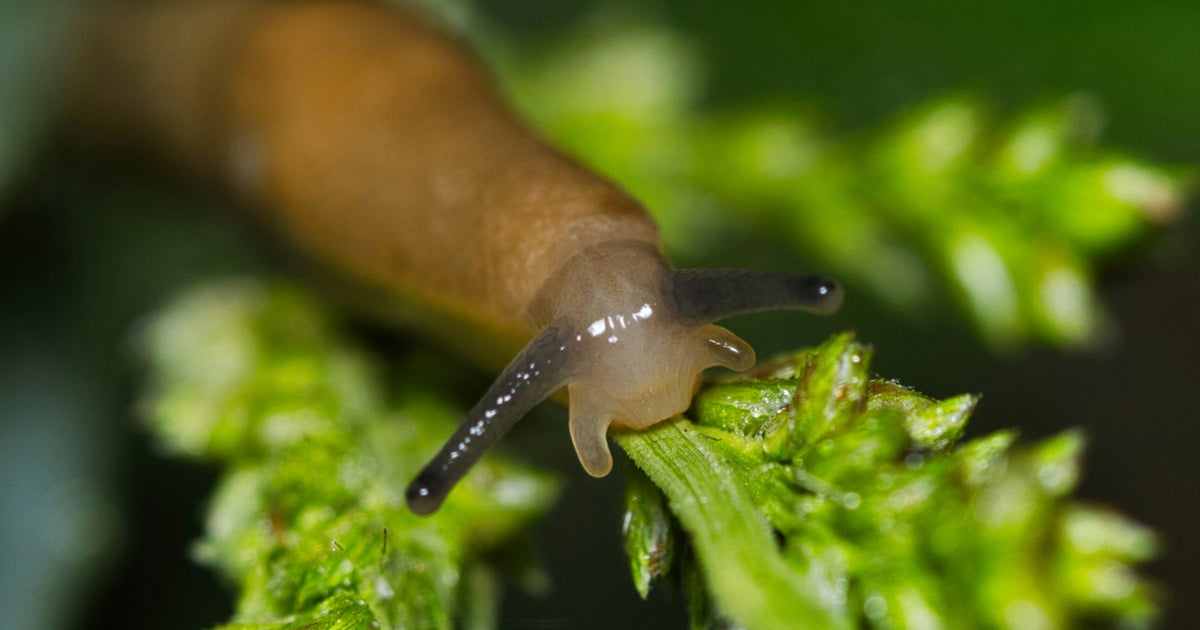
Think Crushed Eggshells Stop Slugs? Science Says You’re Probably Just Feeding Them


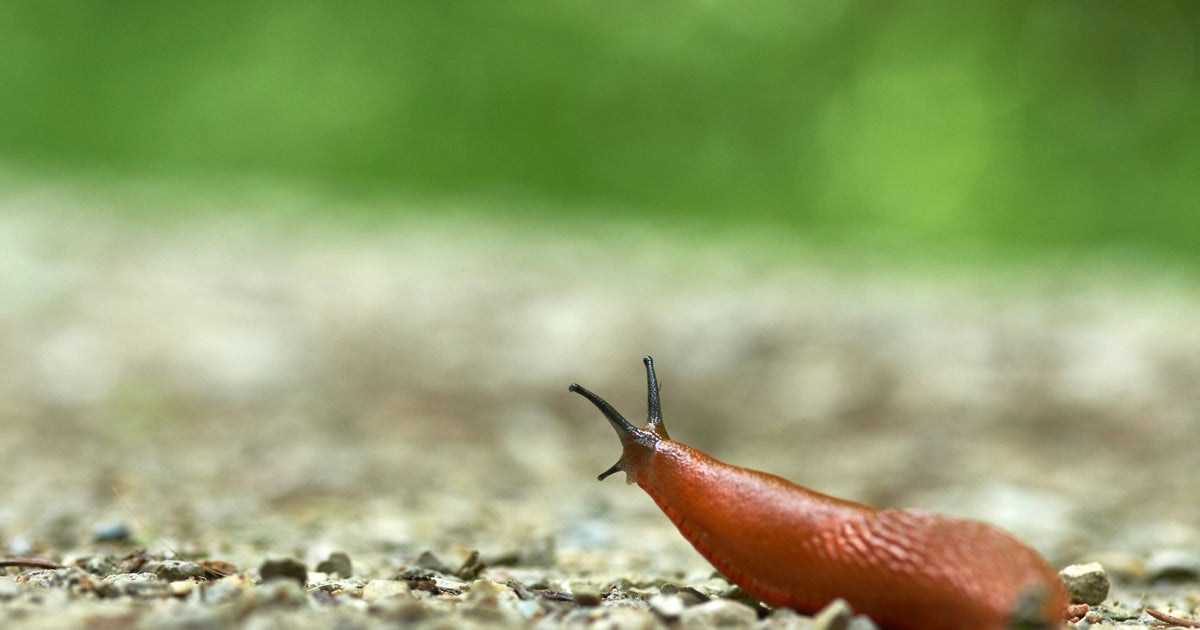
If you’re a gardener, chances are you have a tense relationship with slugs.

Even though only nine of the 44 species in the UK actually eat your veggies. , and while they’re key to feeding our dwindling bird population, it can be hard to give unwanted visitors grace if they’re making your garden suffer.

Still, there are lots of reasons – like the fact that biodiverse gardens fare better – not to kill them. Some turn to repellants over pesticides, some of which are illegal in the UK anyway.

That can include placing “barriers,” like crushed eggshells, around your plants. But that might not work.

There’s not much evidence to suggest eggshells repel slugs

The idea is simple: when you place crushed eggshells on the ground, the theory goes, it makes an uncomfortable carpet for slugs.

So, they turn away from your budding blooms rather than face the sharp, stabbing sensations of crawling over broken shells.

But McGill University’s (MU) Office for Science and Society, as well as the staff at the Royal Horticultural Society (RHS) put that theory to the test, and both of them found the same thing.

The MU team placed crushed eggshells around some lettuce (which slugs love), and found it didn’t stop them at all.

And the RHS research, which took place over six weeks, found that plants “protected” by crushed eggshells didn’t fare any better than those with the smashed-up shells.

Side note – in the RHS investigation, no “barrier” methods, including copper tape, pine bark mulch, sharp horticultural grit, and wool pellets, worked.

So, how should I keep slugs away from my garden?

Speaking to HuffPost UK previously, the RHS’ senior wildlife specialist, Helen Bostock, said: “A vibrant garden ecosystem is one that requires [fewer] inputs from gardeners,” including sprays, because “natural predators” will help yo manage slugs, aphids, snails, and more.

So, trying to attract more birds to your garden can be a great first step.

And when you water your garden matters, too.

In one study, researchers found that watering your garden in the morning, rather than later on, is “as good as metaldehyde pellets” for keeping slugs away (metaldehyde pellets were banned in the UK in 2022).

Ferric phosphate pellets are still allowed, but, the RHS said, “slug pellets (even organic ones) have been shown to have negative effects on wildlife in the garden”.


‘Nature’s Pesticide’ Can Keep Your Garden Mosquito-Free All Summer


Flies, moquitoes, and other slightly irritating little critters can make an evening rest in your back garden a little more stressful than it needs to be.

And while it can be tempting to spray your lawn and leaves, Helen Bostock, a senior wildlife specialist at the Royal Horticultural Society (RHS), previously told HuffPost UK it’s a good idea to skip those where possible.

Instead, she said, “A vibrant garden ecosystem is one that requires [fewer] inputs from gardeners – when natural predators are keeping the aphids in check, [fewer] sprays are needed”.

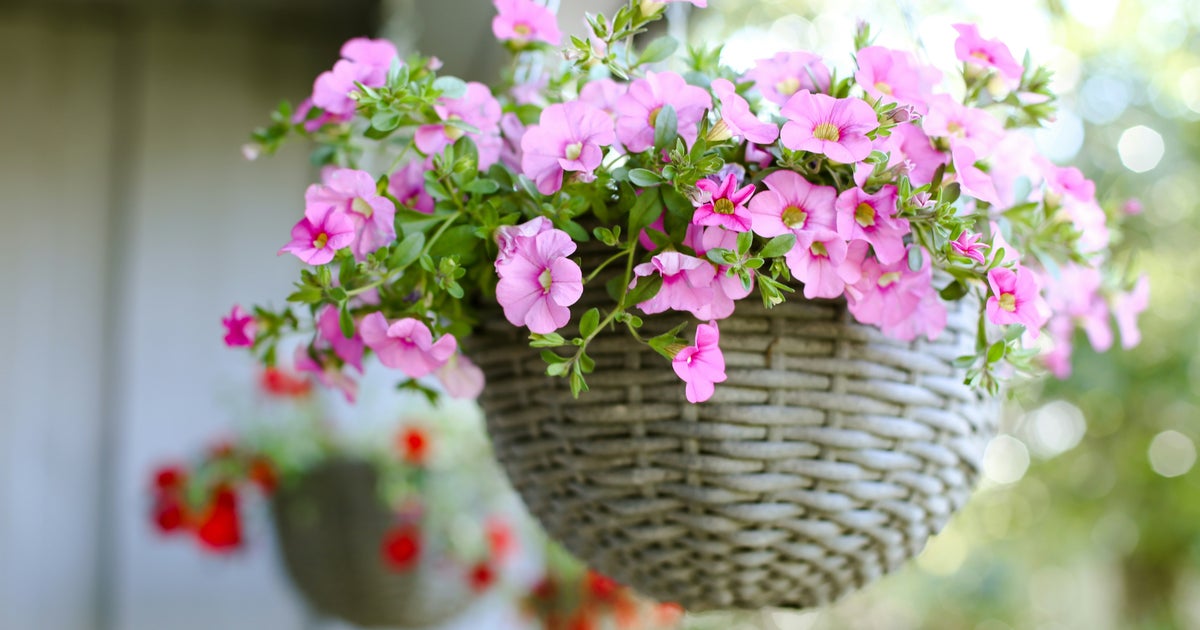
And sometimes, plants alone can help – ones like petunia.

Which flies does petunia repel?

Sometimes described as “nature’s pesticide,” the flower helps to repel, or redirect:

  • aphids,
  • mosquitoes,
  • tomato wormhorns,
  • asparagus beetles,
  • leafhoppers,
  • squash bugs.

What do petunias smell like?

Some bugs don’t like the plant because of its smell, which, to most humans, is divine; petunias have a sweet, honey-like scent that some compare to vanilla.

Others, like aphids, adore the aroma, which sounds like a bad thing but actually keeps them from eating your veggies instead.

They release their strongest scents in the evenings, when they want to attract pollinators (including the hawk moth Bostock told us can help your garden thrive).

They do this when flies, including the ones they want to attract, are most active.

That means that they’ll smell the nicest, and repel the most petunia-hating bugs (including mosquitoes), on glorious summer evenings.

How can I grow and maintain petunias?

They need to be placed in the sun, with a little shelter from the wind. If you’re in an area with milder weather, you’ll get away with putting them in partial shade.

They do well in hanging baskets, raised pots, window boxes, raised beds, and borders. You can also plant upright petunias in the ground.

Sow them in spring under cover. Place them on top of soil in a tray if you’re sowing them from seed, and keep them at 18-24ºC until they’ve got two true leaves, BBC Gardener’s World said.

Then, get them used to being outside – “hardening” – for a week or two before planting them in rich soil.

Water regularly, especially if they’re in pots, and apply fertilisers high in potash every two weeks or so once established. Deadhead as needed.


UK Gardeners Are Weeks Away From The ‘Best’ First Mow Date


Something unexpected – but welcome – has happened in the past couple of days: the sun has stayed out after I finished work, and I’ve spotted some emerging daffodils in the park.

That can only mean one thing. Gardeners, it’s almost time to get busy again. Woodland Trust says that mowing is usually needed between March and October.

And according to Black + Decker, who analysed weather data from the Met Office, there’s a specific date we should begin revving our mower engines: 13 March.

Here’s why the date matters, and how to achieve the perfect first mow.

Why 13 March?

Grass only begins to grow at temperatures above 7°C, the Royal Horticultural Society (RHS) said.

These conditions are likeliest to stay consistent after the 13 March date.

However, Nick Ee, a product training manager at Black + Decker, said: “I’d urge everyone to keep checking their local forecasts beforehand as we know how quickly the weather can change.

“It’s also important to consider other elements such as rain, frost and wind as these conditions will have an impact on the task at hand and Britain is no stranger to an ice blast or two in spring.”

How should I complete the first mow of the year?

The RHS says that you should start your first mow on the highest blade setting.

Cutting your grass too short, especially after a period of dormancy, can lead to “scalping,” which can cause disease and weed infestation.

You should also only complete your first mow when it’s dry.

Avoid mowing over emerging bulbs, like daffodils, and don’t walk on a frosty lawn, because this can break tender new grass.

The grass on new lawns should reach at least 5cm high before you mow it, too.

Ensure your mower has clean, sharp blades, and clean it well after use.


Unfortunately, We May Be Facing An Influx Of Slugs Again This Spring


Do you remember the great slug influx of 2024? In the words of the iconic Gemma Collins: “It’s hell in there, it’s horror. You have to be a certain type of person to survive.” It was gruesome. I stepped on a slug IN MY HOME in my BARE FEET.

The Royal Horticultural Society (RHS) shares on their website: “Mild, wet weather across the winter, spring and summer resulted in the highest number of calls to the RHS advisory service since records began in the 70s.

“13% of all enquiries to the entomology team related to slugs and snails. This is thought to be as a result of slugs being active earlier, increased breeding and more persistent activity with the absence of any prolonged warm, dry spells forcing them back underground.”

I’ll tell you something, none of my plants survived that summer.

So, will there be a surge of slugs this spring?

Writing for The Conversation, Christopher Terrell Nield, a Lecturer in Chemistry and Forensic Science at Nottingham Trent University advises: “Although flooding can kill overwintering eggs and adults, a mild wet winter will have reduced slug mortality. It may also affect slug predators… Flooding also creates lots of ready food for slugs from plants that have died in the water, a potential slug fest as it dries in spring.

“With a global temperature above 1.4°C, compared to pre-industrial levels, the Met Office predicts a warm 2026. In addition, the UK government’s Environment Agency predicted a drought in 2026, before the winter’s heavy rainfall.”

He shares that, thankfully, our upcoming conditions point towards increased slug populations but probably not as bad as 2024.

Was anything as bad as that?

How to prevent slugs from destroying your plants

The RHS has a guide to preventing slugs with some of the tips including:

  • Choose plants that are less palatable to slugs and snails, such as woody plants, those with thick or waxy leaves and some herbaceous plants known to be less appealing to them
  • Torchlight searches can be carried out on mild evenings, especially when the weather is damp, hand-picking slugs and snails into a container. They can then be placed in another part of your garden, such as the compost
    heap or areas with less vulnerable plants, or left out for predators to take
  • Water in the early morning rather than the evening as evening watering provide ideal conditions for them to move around at night

Good luck and happy gardening this year!


I’m A Beginner Gardener – Here’s Exactly What I’m Planting This Spring


This summer will be my fifth summer in this house and that means it’s also my fifth summer of enjoying my garden, reading on the grass outside with my cat on lunch breaks and trying to be something of a successful gardener.

Like all creative pursuits, gardening comes with the acceptance that failure is essential to growth but nevertheless, I’ll be planting salad leaves, potatoes, cornflowers and dahlias just to name a few this spring.

I know that I should have done some planting in the winter so that I’d see my garden blooming in the coming spring days but I’ll be honest, the chill of Scottish winters don’t exactly motivate me to kneel on frosty grass.

What I’ll be planting to make my small garden bloom

Another thing worth noting is that my garden is tiny. I live in a cottage flat, which is a popular type of housing in the west of Scotland. Basically, it’s a two-storey block containing four separate flats. It’s like a house split into four and our back garden is split with the upstairs neighbours.

So when it comes to gardening, I’m working with limited space and can’t risk taking over their space.

Vegetables I’ll be planting in March

Ideal for beginners, salad leaves can be planted in spring for summer harvesting and make for delicious, fresh summer lunches. For me, I’ll be going for just standard loose-leaf lettuce but other options include spinach, chard and rocket, according to the Royal Horticultural Society (RHS).

Have you ever tasted homegrown tomatoes? Honestly, once you have, you’ll struggle to tolerate supermarket ones ever again. I’ll be growing some Cordon tomatoes and BBC Gardener’s World advises: “Cordon tomatoes grow to a height of 1.5-2m and need some form of support, such as stout string secured under the plants’ roots and tied to an overhead frame or wire, and proprietary grow frame supports.

“You can also train cordon tomatoes on sturdy bamboo canes, trellis or to wires on a fence.”

I’ve grown potatoes before and it is an incredibly rewarding process but you are kept in the dark (pun intended) on their process for a long time so you kind of have to hope for the best until it’s time to harvest.

Potatoes can be grown directly in soil (which isn’t possible with my garden, unfortunately), in grow bags or in containers. I’ll be growing some main-crop potatoes which can be harvested after around 15-20 weeks.

Flowers I’ll be planting in March

Cornflowers are bold, blue flowers that perfectly punctuate gardens but more than that, they’re SO easy to grow. The RHS even recommends them as beginner flowers for kids to grow. Sowing them in March will bring some colour to your garden from around July-September. Lovely.

As I’m in Scotland, I’ll have to wait until frost has definitely gone before planting Zinnia as they’re very sensitive to chilly temperatures but once the warm days are definitely here, I’ll be planting them in a container, stored in a sunny part of my garden.

Dahlias are hardy flowers which is essential for our climate According to the National Dahlia Society: “Dahlias can be grown in an herbaceous border, in mixed beds, or as a dedicated dahlia display.”

I will be opting for a dedicated display in some pots with great drainage.

Are you going to be tackling the garden this spring?


UK Gardeners Told To Try Watering Schedule ‘As Good As Slug Pellets’


For years now, UK gardeners have been discouraged from using slug pellets, which can harm wildlife, in their gardens.

After all, only about nine of the 44 species in the UK actually eat your veggies. And their presence in your backyard is key to feeding our dwindling bird population, too.

Still, there’s no denying that the clash between gardeners and munching molluscs continues. Some green-fingered gurus have previously recommended using garlic or tinfoil to help you stand your (literal) ground in these backyard battles; even a melon could help.

And it turns out that when you water your garden matters, too.

Water your garden in the morning to stop slugs in their slimy tracks

According to Gardener’s World, watering your garden in the morning helps to block slugs’ path at night (when slugs tend to eat their dinner).

“This ensures that the soil has dried out by the evening, when slugs are most active. Wet soil at night can create a slug highway between plants,” the publication shared.

“There has been a study that showed that switching from watering in the evening to watering in the morning can provide as much protection as slug pellets,” their site reads.

Indeed, research published in Agriculture, Ecosystems & Environment found that slug leaf consumption over the course of their study was 60% in untreated areas, and shrunk to 12% in both patches watered in the morning and those covered in metaldehyde pellets.

“Morning irrigation thus gave a level of protection against slug damage as good as metaldehyde pellets combined with evening irrigation,” the paper said.

Metaldehyde pellets have been banned in the UK since 2022 because of the threat they pose to wildlife. Most modern pellets rely on lower-toxicity ferric phosphate instead, which kills slugs through iron poisoning, but the RHS maintains that keeping slugs alive when you can is best for your garden overall.

The RHS said that this works because “if you water in the evening, when the majority of slugs are most active, you’ve created a nice wet film that they can happily travel over.”

Water applied in the morning, meanwhile, is mostly gone by nighttime.

How else can I get rid of slugs without killing them?

According to the RHS, encouraging biodiversity in your garden can aid natural slug control. You can also conduct torchlit searches at night to find and manually remove any offending critters.

Some woody, waxy, and generally tough-to-chew plants will repel them, too.

But while the jury’s out on eggshells, copper tape, and pine bark, there does seem to be some data backing a simple morning watering sesh.