
Over half of Americans say health care, a weeklong vacation and a new car are unaffordable: ABC News/Washington Post/Ipsos poll
About two-thirds of Americans who don’t own their own home say they do not think they will be able to afford to buy a home in the foreseeable future, and nearly half of Americans say they have “a lot” or “some” debt, an ABC News/Washington Post/Ipsos poll conducted using Ipsos’ KnowledgePanel finds. And more than half of Americans say health care, taking a weeklong vacation or buying a new car is “unaffordable.”
As previously reported, Americans are negative on the economy, even if feelings have tempered slightly. Nearly half say it has gotten worse since President Donald Trump took office for his second term and a third say they are not as well off as they were in January 2025. A slim 53% majority say they have “just enough to maintain” their standard of living. And that uncertainty emerges in their general feelings about affordability and buying a home in the future.

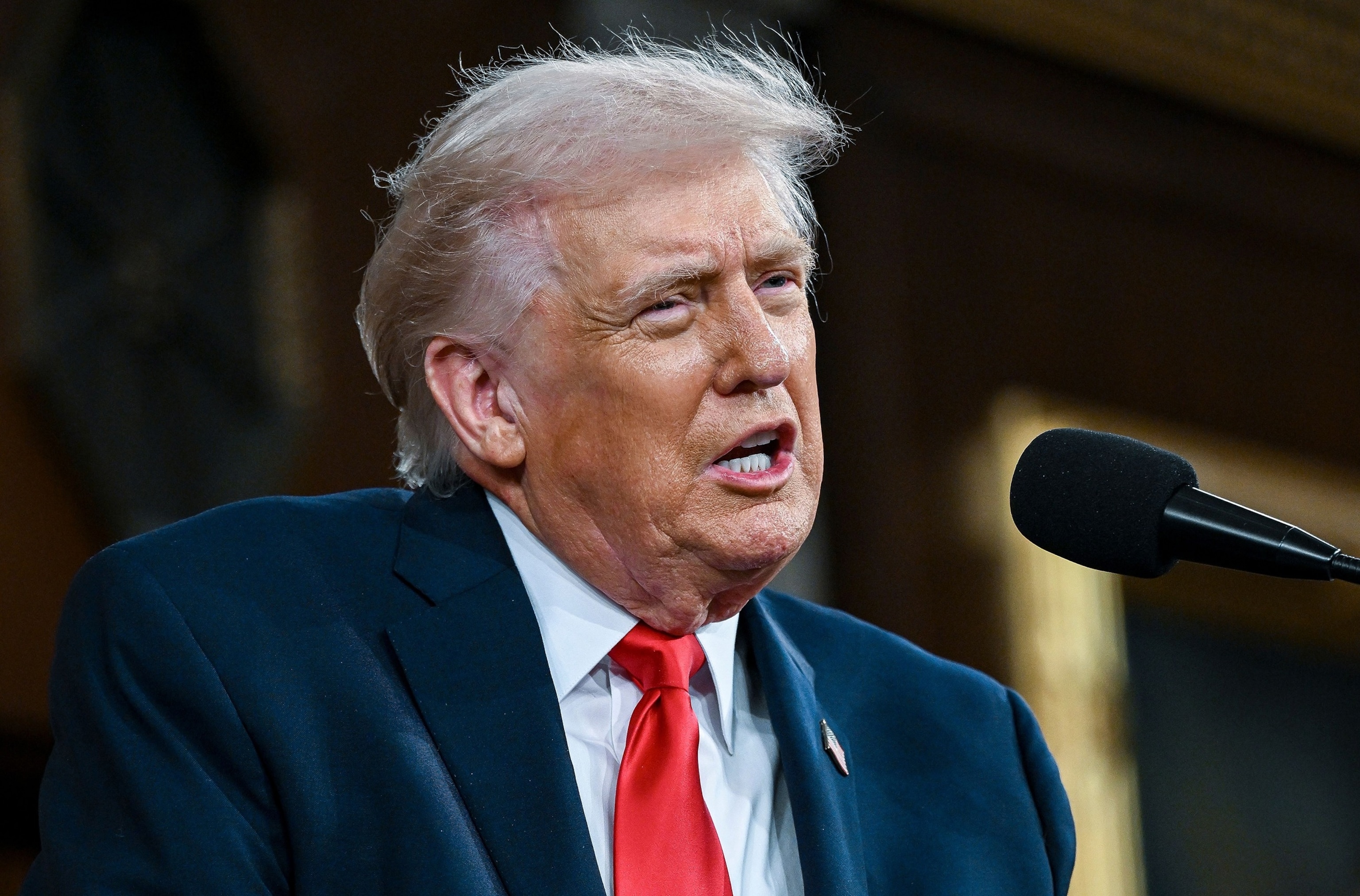
President Donald Trump delivers the first State of the Union address of his second term to a joint session of Congress in the House Chamber of the US Capitol in Washington, February 24, 2026.
Kenny Holston/Pool/EPA/Shutterstock
Affordability is a key issue for Trump — and one he is campaigning on heading into the high-stakes midterm elections. This poll was conducted before Trump’s State of the Union address on Tuesday night, where he touted a “roaring economy,” despite little evidence suggesting such strength.
Non-homeowners under 50 years old are more optimistic about buying a home, with 35% saying they think they’ll be able to buy a home in the future. Among those 50 and older, 26% say that they will be able to buy a home someday that they like.
Non-homeowners with incomes of $100,000 or more are more optimistic about their chances of buying a home – 41% say they think they’ll be able to – while fewer than a third of those with incomes under that are optimistic. Majorities across income levels do not think they will be able to afford a home that they would want to live in.
Republicans are more optimistic than Democrats or independents on future homeownership; 41% of Republicans who are not homeowners say they will be able to buy a home in the foreseeable future, compared to 33% of independents and 27% of Democrats.
And while 74% of those who rent say they would want to buy a home in the future, that’s higher than the 65% of renters who say they think they will be able to buy a home, meaning there’s a gap between renters who want to buy a home and those who think they can.
Majorities of Americans say a new car (74%), a weeklong vacation (60%) and health care (56%) are “unaffordable” for their households. About half say that going out to dinner is unaffordable (49%) and nearly as many say the same about groceries (45%) and home energy and utilities (45%).
On the other hand, majorities say that gasoline (71%) and their rent or mortgage (60%) is affordable.
Larger shares of Americans with lower incomes say every item asked about is unaffordable.
Women are more likely than men to say that a new car, a weeklong vacation, going out to dinner, groceries and rent or a mortgage is unaffordable. Americans under 50 are more likely than older Americans to say every item asked about is unaffordable.
Democrats and independents are more likely than Republicans to say every item measured is unaffordable. Republicans and Republican-leaning independents who say they are not MAGA supporters are more likely to say each item is unaffordable than Republicans who call themselves MAGA supporters.
Parents are more likely than those who aren’t parents to say groceries, utilities, rent or mortgage, going out to dinner, taking a weeklong vacation and buying a new car are unaffordable.
Moreover, 46% of Americans overall say they have at least some debt, including credit card balances, auto loans, student loans or medical debt. That includes 15% who say they have “a lot” of debt.
About half of Americans with household incomes under $100,000 say they have at least some debt (51%), compared with fewer of those with incomes of $100,000 or more (41%).
Over half of Black (57%) and Hispanic (53%) Americans say they have at least some debt, compared with fewer white (42%) and Asian (36%) Americans.
A slim majority of Americans, 53%, say they have “just enough to maintain their standard of living,” almost identical to a Washington Post/Ipsos poll conducted last year. Another 28% say they are “getting ahead,” up from 25% last year. And 17% say they are “falling behind financially,” down from 20% last year.
Americans with higher household incomes are more likely to say they’re getting ahead: 4 in 10 of those with incomes of $100,000 or more say they’re getting ahead compared with about 2 in 10 of those with incomes between $50,000 and $100,000 and 1 in 10 of those with incomes lower than that.
Moreover, men are more likely than women to say they’re getting ahead, as are Americans 50 and older versus those under 50.
Looking at the midterm elections, voters who say they’re getting ahead are over twice as likely to say they would vote for the Republican candidate for the House of Representatives, 67% to 29%. Voters who have just enough to maintain their standard of living prefer Democrats by a 54% to 37% margin and voters falling behind financially support Democrats by an even wider 60% to 25% margin.
Methodology – This ABC News/Washington Post/Ipsos poll was conducted via the probability-based Ipsos KnowledgePanel, Feb. 12-17, 2026, among 2,589 U.S. adults and has an overall margin of error of plus or minus 2 percentage points. The error margins are larger among partisan subgroup samples and other subgroups.
See PDF for full results and detailed methodology.
Email ABCNEWS.Polls@abc.com to be added to ABC News’ polling distribution list.
More ABC News polls can be found at abcnews.com. Media contacts: Jeannie Kedas and Van Scott.
Previous releases:
Americans oppose the tactics ICE is using to enforce immigration laws by 2:1 margin
Majority of Americans disapprove of how Trump is handling tariffs
Most Americans disapprove of Trump on issues; Americans don’t trust Dems in Congress more to handle problems
Immigration is Trump’s best and worst issue
GOP stays competitive in midterms despite Trump’s negative ratings