
Reeves under pressure to keep energy and fuel prices capped in spring statement
Rachel Reeves is under pressure to prepare an emergency plan to deal with a shock increase in energy and fuel prices as Donald Trump’s war with Iran threatens Gulf refineries and shipping.
With the chancellor due to give her spring statement on Tuesday, Labour MPs joined others in demanding proposals to deal with a sustained crisis after European natural gas prices surged by 40 per cent following Tehran’s latest retaliation against Gulf neighbours.
QatarEnergy said it would stop its production of liquefied natural gas (LNG), taking one of the world’s top suppliers off the market indefinitely.
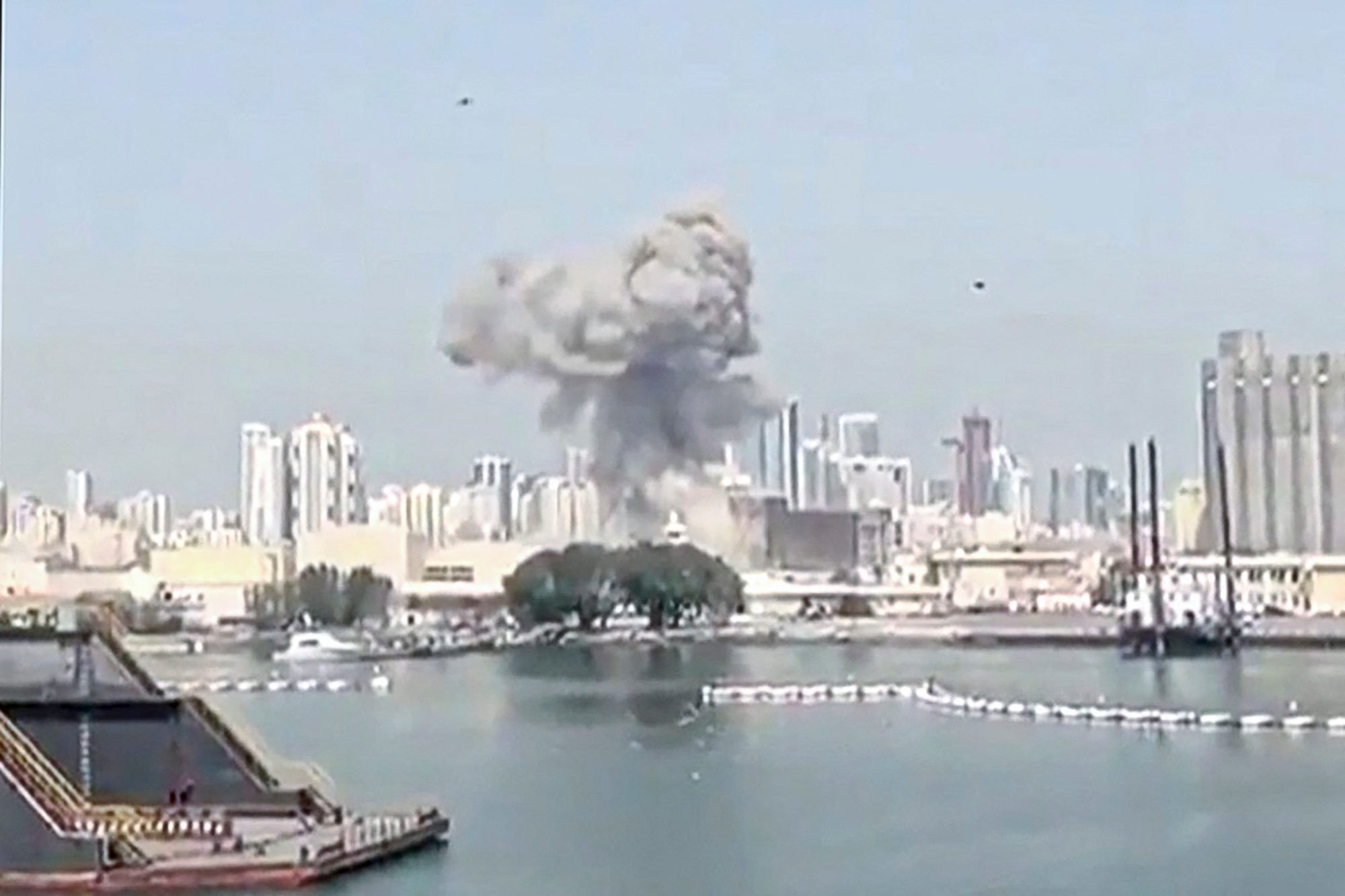
Meanwhile, Saudi Arabia’s Ras Tanura oil refinery came under attack from drones, with defences downing an incoming aircraft. Workers were pictured evacuating from the refinery, which has a capacity of more than half a million barrels of crude oil a day.
Analysts have warned that household energy bills could surge to up to £2,500 a year if the Iran conflict causes long-term disruption to global gas supplies.
Shipping traffic through the Strait of Hormuz has mostly ground to a halt after Iran attacked tankers in retaliation for the US and Israeli attacks that killed Ayatollah Ali Khamenei, the Iranian supreme leader.
The Strait is a critical funnel point for flows of both oil and gas from the Middle East. Britain’s benchmark gas price, NBP, leapt by 54 per cent on Monday. Brent crude, the global benchmark oil price, was up about 9 per cent at $79.40 per barrel.
Sir Keir Starmer told the Commons Britain was taking measures to safeguard the supply, but Ms Reeves faces pressure to act further when she addresses MPs on Tuesday.
Graeme Downie, Labour MP for Dunfermline and Dollar and a member of the Commons’ energy select committee, told The Independent: “The consequences of the actions by Iran could be felt here in the UK through increased energy bills quickly and painfully and it will be those who have the least who will be hurt the most.
“The government is already making important improvements in energy infrastructure to increase resilience and we have seen signs of acceleration to increase defence spending much faster as well. On both issues, the prime minister and the chancellor need to take urgent steps to protect our country from external flux.”
It is only four years since Russia’s invasion of Ukraine squeezed energy supplies, forcing Liz Truss’s government to announce a £120bn bailout package to cap household bills.
Tom Marzec-Manser, director for European gas and LNG at Wood Mackenzie, warned: “The prospect of around 20 per cent of the world’s LNG being cut off from the market has unsurprisingly led to a sharp rise in prices this morning. The next key question for traders will be how long the Strait remains closed. Naturally, the longer it takes to reopen, the higher the price will go.”
Chris Wheaton, managing director and senior oil and gas analyst at Stifel, warned that a wholesale gas price of 250p per therm would translate to an energy price cap level of about £2,500 a year.
He told The Times: “For prices to triple, I think the current Strait of Hormuz closure lasting more than six weeks would cause that, or if the US tries to keep the shipping lanes open and fails to do so.”
Meanwhile, the Liberal Democrats added their voice to calls for the chancellor to abandon her planned 1p fuel duty rise.
AA president Edmund King said the latest turmoil “will inevitably lead to price hikes,” with “record prices at the pumps” expected within “10 to 12 days.”
Howard Cox from the FairFuelUK campaign said cancelling the increase “would not only be economically prudent – stimulating GDP growth and alleviating inflationary pressure – but it would also provide some much-needed political relief to this government, known for its frequent U-turns.”
The Independent has approached the Treasury for comment.