Brutal little mistakes creep into your shooting routine and quietly wreck images that should have been keepers. This video walks through specific slip-ups that cost real photos, from motion blur in windy woods to storage choices that decide whether your work is actually safe.
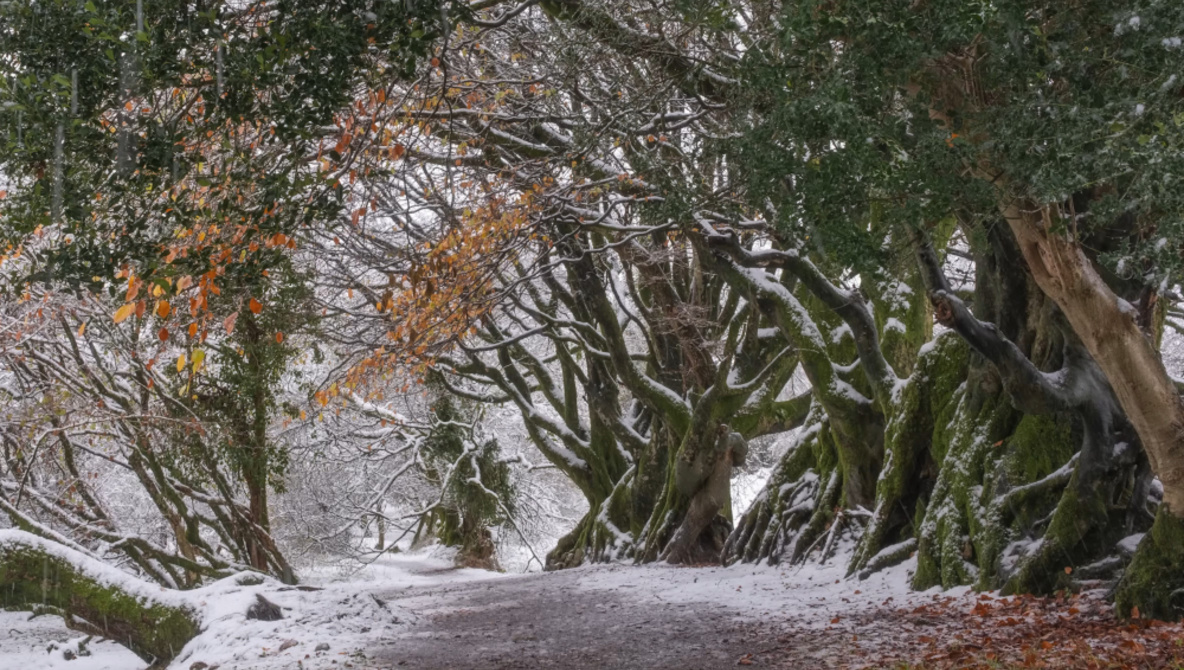
Coming to you from Ian Worth, this practical video walks through the kind of motion blur you do not notice until you are home on the computer. Worth shows how easy it is to zoom in on a sharp rock or tree, feel satisfied, and completely miss the soft grasses and branches dancing around the edges of the frame. He talks about how even “safe” shutter speeds still smear detail when wind hits anything close to the camera. The fix is simple enough: raise ISO, bump the shutter, and build a habit of zooming around the whole frame, especially into the corners. You watch him work in heavy snow where every small branch and twig is moving, so the risk of blur is baked into every composition.
Worth also tackles a mistake that does not happen in the field but hurts just as much: losing control of your archive. Years of photos scattered across random portable drives and half-baked cloud trials make it nearly impossible to find what you need when a client asks or you want to re-edit an old favorite. He explains how switching to a network attached setup gave him one central place for stills and video, accessible from computer, laptop, or phone as long as the unit is online. Running the drives in RAID means every file is mirrored automatically so a single disk failure does not take your work with it. He also keeps a small set of irreplaceable files on a separate portable drive stored at another address, which is the kind of unglamorous step that quietly saves careers.
Worth shifts back into the storm and moves to another issue that ruins more images than bad composition: a filthy front element. In wet snow, he is constantly checking the lens, wiping away droplets, and even using a rocket blower to avoid smearing water across the glass with a lens cloth. One especially clever idea he shares is using a circular polarizer or filter as a sacrificial shield while composing, then popping it off at the last second so the front element stays dry. In weather that shifts from powder to wet snow in minutes, that small trick can be the difference between a crisp file and a haze of streaks that no amount of editing will fix.
Later in the video, Worth talks about another painfully familiar problem: walking into a new scene with completely wrong settings baked in from the last shoot. He uses the example of shooting a noisy indoor event at ISO 3,200, then stumbling out at sunrise and forgetting to reset to base ISO, leaving you with a whole card of landscapes that look gritty when they should be clean. His solution is to rely heavily on custom modes, including a dedicated “landscape” slot that always boots to base ISO, around f/8, and a sensible shutter speed. Even if he tinkers with settings in the field, power-cycling the camera brings those baseline values right back. Toward the end, he also calls himself out for marching past great light on the way to a planned location, a mindset that has cost him images when the “destination” never really comes together. Check out the video above for the full rundown from Worth.
And if you really want to dive into landscape photography, check out our latest tutorial, “Photographing the World: Japan II – Discovering Hidden Gems with Elia Locardi!”