
Senate skeptical of Trump and Hegseth’s $200B Iran war funding request
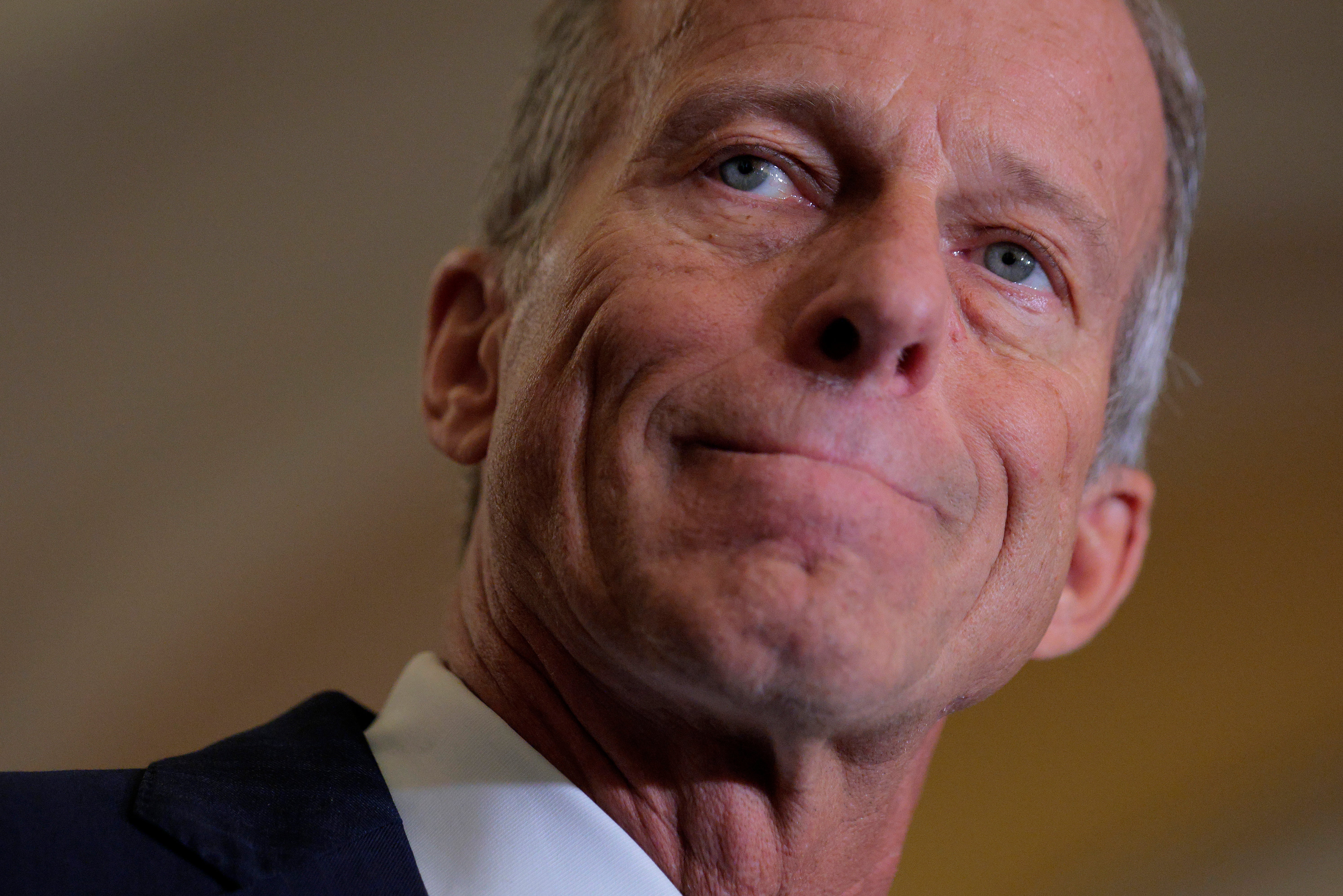
Republican Senate leader John Thune didn’t appear particularly confident on Thursday as he was asked about the Senate’s ability to pass Donald Trump’s reported $200bn supplemental funding request for the war in Iran.
Thune told CNN that the reported amount, which Pentagon chief Pete Hegseth said Thursday morning was not a final number, would be reviewed by Congress but gave no prediction whether it could pass the Senate, where Republicans have a 53-vote majority.
“It remains to be seen,” he told CNN of the bill’s chance of passage. “And obviously we haven’t seen any of the specifics around it yet. Saw the aggregate number they’re proposing, but we’re going to need to, obviously take a look at it.”
At a Pentagon press conference earlier in the day, Defense Secretary Pete Hegseth said that the $200bn figure “could move”, while stressing: “It takes money to kill bad guys.”
His agency entered the war with Iran in late February after lawmakers approved the largest budget in the Pentagon’s history, totalling nearly $1trn, last year. That budget was also supplemented by billions more for the armed forces in the “One Big Beautiful Bill,” the GOP’s tax cut and policy vehicle passed into last in the summer of 2025.
That latter piece of legislation was passed into law via the budget reconciliation process using a Senate rule allowing such measures to pass without reaching the usual 60-vote threshold to avoid a filibuster. This latest request from the Pentagon would likely require 60 votes to pass the chamber.
Donald Trump’s war in Iran is now pushing the one-month mark with no end in sight as White House officials continue to insist that Iran’s military force has been devastated and its capacities diminished but giving no clear indication of what benchmarks U.S. officials will use to determine when Trump’s objectives have been completed. It’s still unclear what the U.S. hopes to accomplish beyond degrading Iran’s ballistic missile capacities, which could be rebuilt, and destroying its nuclear weapons development efforts that were supposedly already “obliterated” by a U.S. strike in the summer of 2025.
On the Hill, support for the Iran war is divided largely among party lines with a handful of Republicans expressing reservations about the price tag and effects on the U.S. economy as well. As such, Democrats in the Senate can largely be expected to oppose a request for supplemental funding from the Pentagon, even those who expressed support for an initial round of U.S. and Israeli strikes that killed Iran’s Supreme Leader, Ayatollah Khamenei.
Democrats in the House and Senate have tried repeatedly with a few Republican allies to pass War Powers resolutions restricting the administration’s ability to launch military strikes in Iran and a handful of other countries, without success. A denial of votes for further funding for the Pentagon could be the next best option for Democrats.
Trump himself has stressed that he could end the war whenever he feels like it, while saying that the time is not right for peace talks. His efforts to counter an Iranian blockade of the Strait of Hormuz have thus far been unsuccessful and as a result his war continues under the looming shadow of economic stress for millions of Americans. The costs of the war continue to climb for the Trump administration and the American public. 13 Americans are now confirmed dead in strikes against U.S. service members on bases and locations around the Middle East, and on Thursday a U.S. fighter jet was forced to make an emergency landing after it was reportedly struck by Iranian fire.
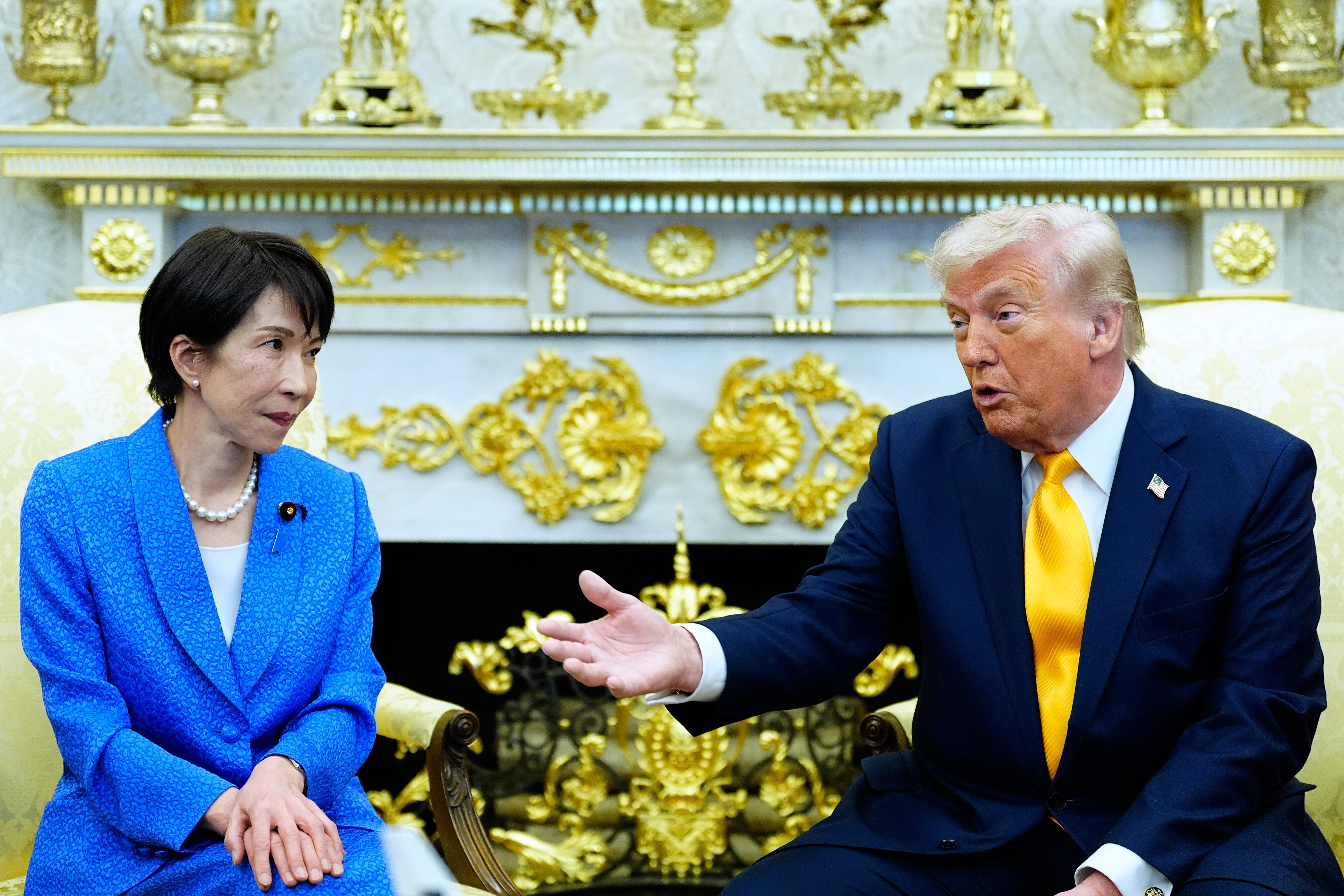
The president denied Thursday that he would send troops to Iran, telling a reporter during an Oval Office bilateral meeting with Japan’s prime minister: “No, I’m not putting troops anywhere,” before cryptically adding: “If I were, I certainly wouldn’t tell you.”
Polling shows the president’s war with Iran to be very unpopular with voters as Republicans head into the 2026 midterm season. A poll published as the strikes began in early March found that six in ten Americans believe that the president lacks a clear plan to draw down the conflict and eventually end it.