
Photographing the Return of Birds and Wildlife in Spring
As spring breathes life back into the landscape, it also signals the return of birds and wildlife, offering rich opportunities for photographers to capture the beauty of nature’s renewal. Whether you’re a seasoned wildlife shooter or just getting started, spring is one of the most rewarding times to build your portfolio with dynamic, living subjects.
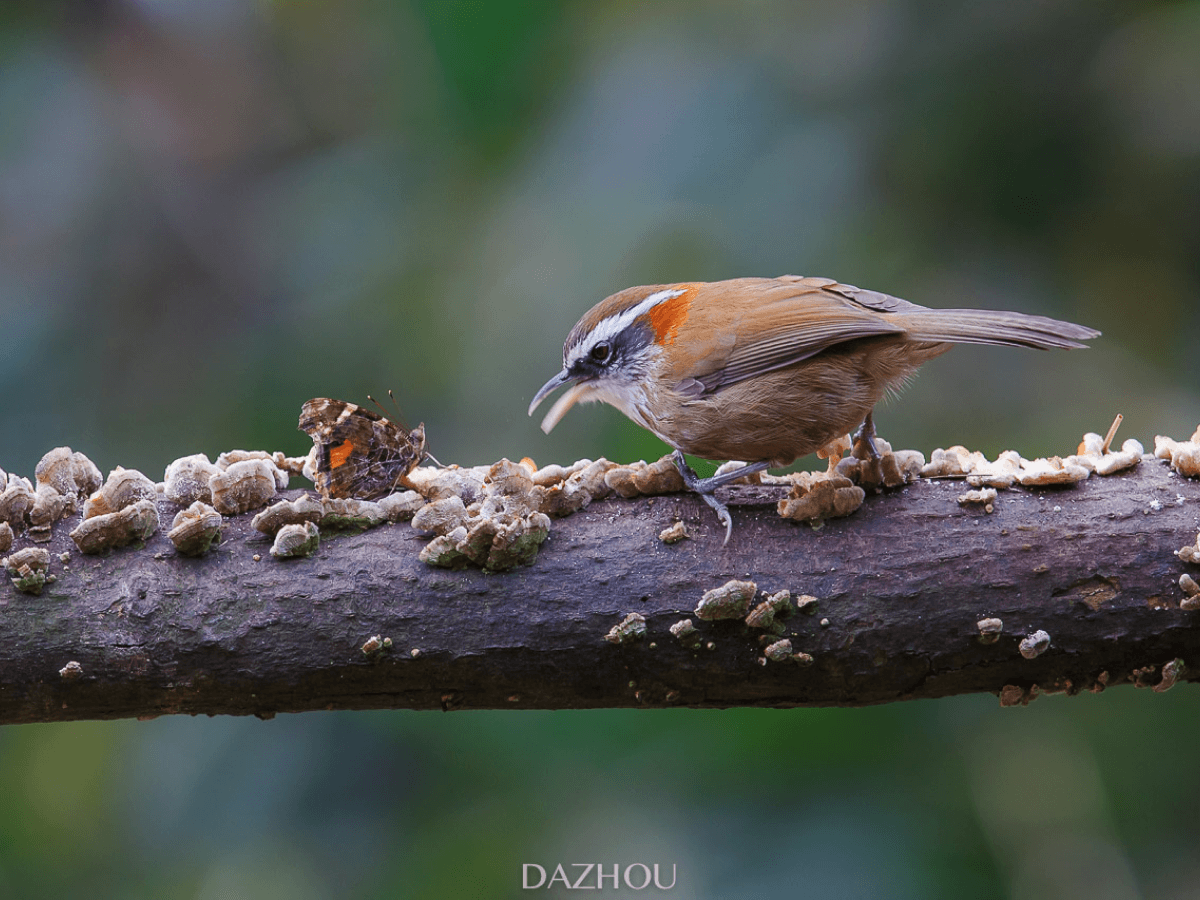
Photographing birds and wildlife in spring: Understanding Seasonal Behavior
Spring migration and breeding seasons bring many species into view that were absent or less active in the colder months. Birds return to their nesting grounds, and mammals emerge from hibernation or become more active as food becomes plentiful.
By learning about the patterns and habitats of local species, you can anticipate where and when to shoot. Look out for courtship displays, nesting behavior, and foraging routines, which all offer exciting photographic moments.
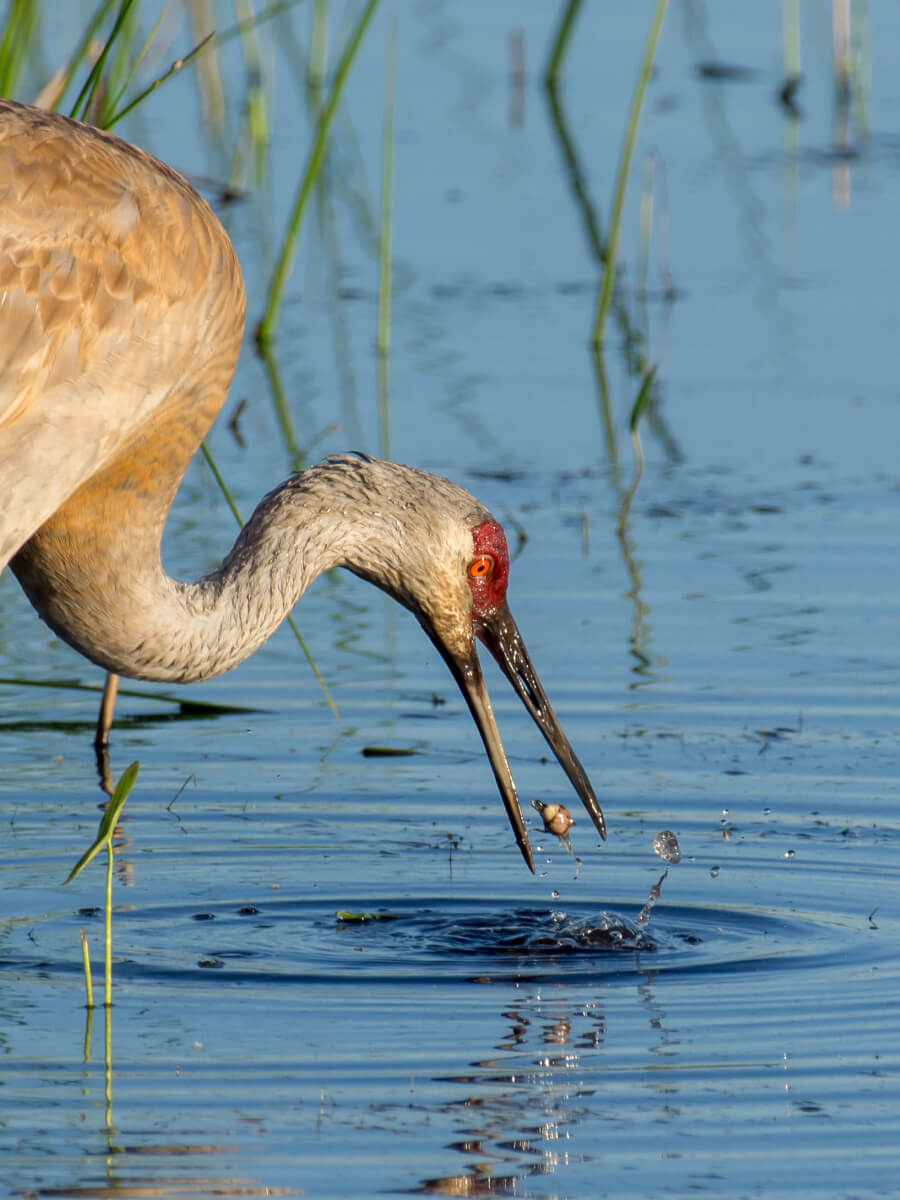
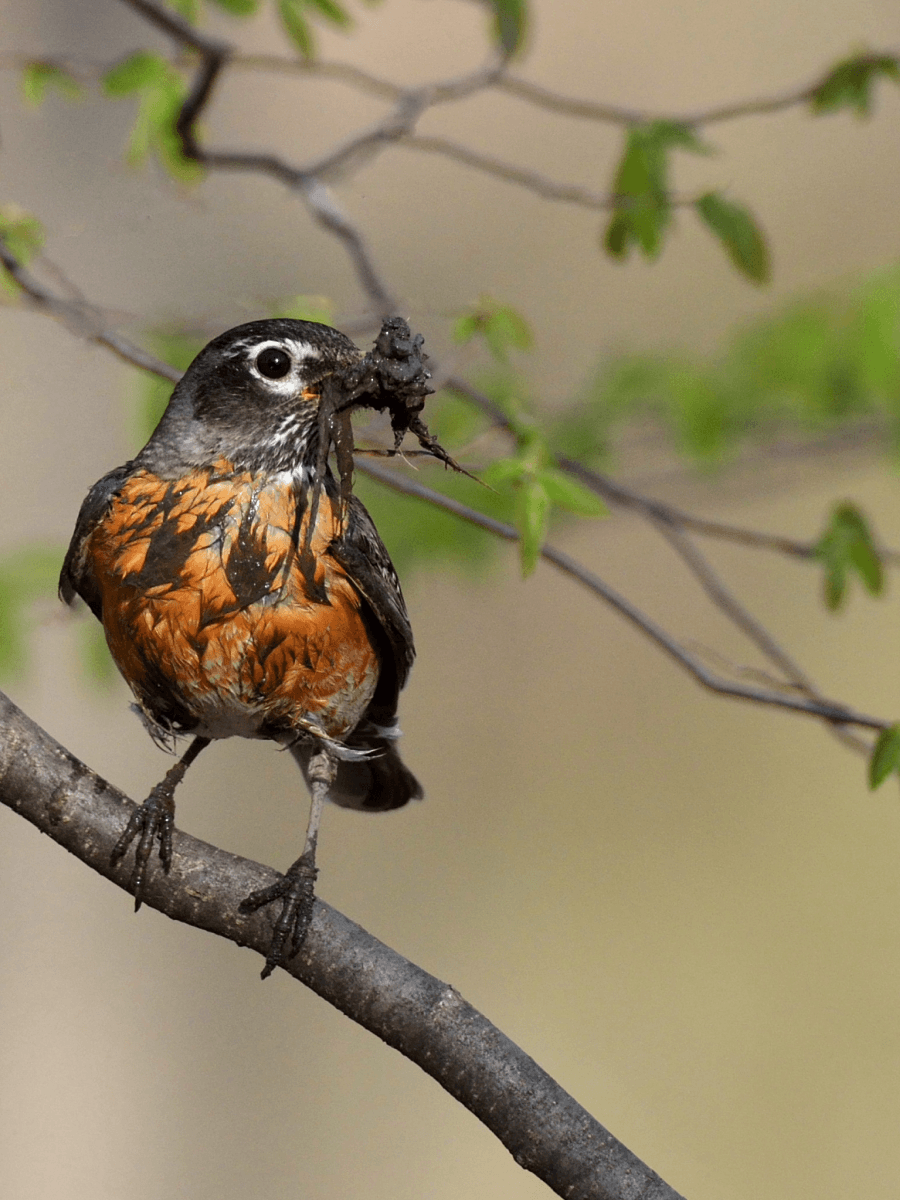
Photographing birds and wildlife in spring: Gear and Camera Settings for Wildlife Photography
To get close-up shots without disturbing your subjects, a telephoto lens (200mm or longer) is often essential. Use a fast shutter speed (1/1000 sec or faster) to freeze motion, especially when photographing birds in flight. A wide aperture (f/2.8–f/5.6) helps isolate your subject and create a creamy background blur.
A tripod or monopod can improve stability during longer shoots, especially when waiting in one spot. And don’t forget to bring extra batteries, cold mornings can drain them fast.
Composition Tips for Wildlife Images
- Use negative space: Placing your subject off-center with open space in the frame can evoke a sense of freedom or narrative direction.
- Frame with environment: Include branches, grasses, or water reflections to show the habitat, adding depth and storytelling to your image.
- Focus on the eyes: In wildlife photography, eye contact or sharp focus on the eyes creates a more powerful and emotional connection.
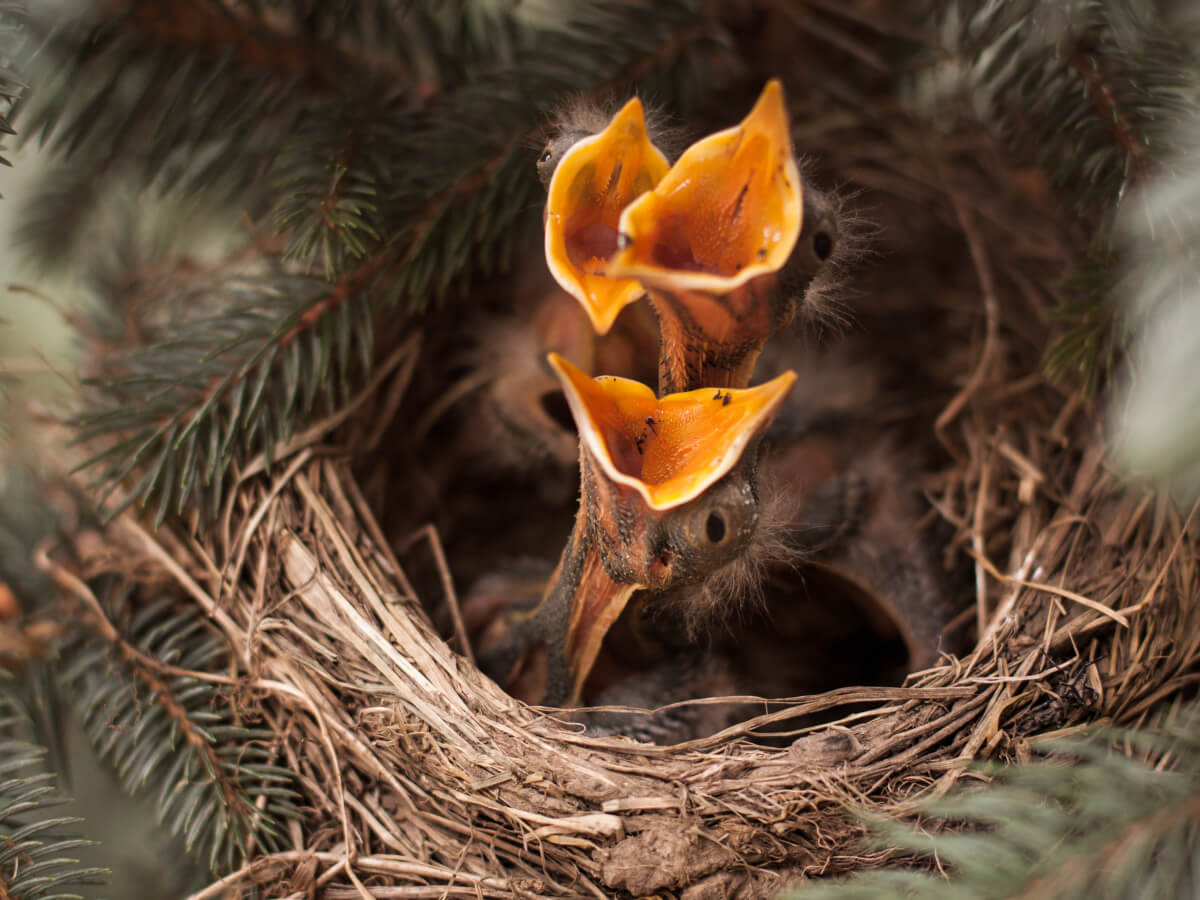
Pro Tip on photographing birds and wildlife in spring: Light Matters
The golden hours, early morning and late afternoon, offer the best natural light for wildlife photography. Not only is the lighting softer and warmer, but animals are also more active during these times, increasing your chances of capturing interesting behavior.
Extended reading: Soulful Seasonal Portraits with Natural Backdrops