
Opinion: Religious freedom and gender equality are both essential
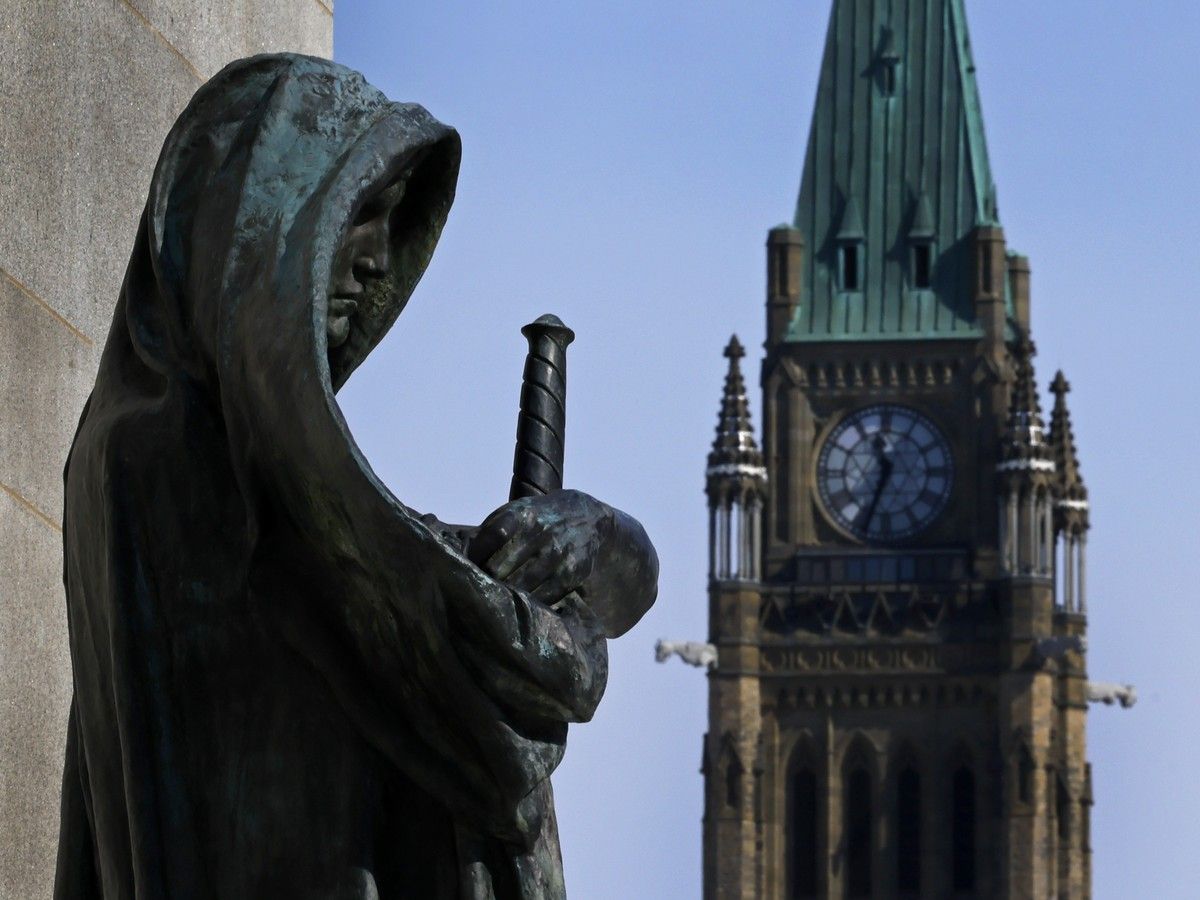
On the heels of International Women’s Day, celebrating the achievements of generations of women who fought for salary equity, professional recognition, fair working conditions and the right to participate fully in public life, we are reminded of the progress made and of the rights that remain under threat.
In 2024, I was elected commissioner of the Lester B. Pearson School Board on a promise to defend minority rights, prioritize well-being of staff and ensure the safety and belonging of our entire school board community.
Had I been in office when Bill 21 was adopted in 2019, I would have urged our board to challenge it, for it carries real consequences for public education, undermines school boards’ progress toward equity and inclusion, and is not backed by evidence showing learning environments would otherwise be harmed.
The Supreme Court hearings
on the constitutionality of Bill 21 begin this month. This Quebec law claims to safeguard the laicity of the state by prohibiting certain public employees, including teachers and principals, from wearing religious symbols at work.
For many women, Bill 21 sends a clear message: Your participation in the public sphere is welcome only if you leave part of your identity at the door. Denying individual freedoms is not progress; it echoes a past when women fought for the right to determine their place in society and in the workforce.
Supporters of the law claim it liberates women from religious oppression, yet feminism has always been about autonomy and agency, not prescribing how women should live, dress or express themselves. Replacing one form of control with another does not advance women’s rights; it undermines them.
The contradictions become even more striking when we consider how this government claims to champion women’s equality through initiatives such as broader access to childcare and stronger prevention and intervention efforts to address domestic violence and femicide; meanwhile, the Coalition Avenir Québec is advancing policies that marginalize women.
If women’s rights truly matter, they must matter for everyone.
Our education system, social services and youth protection networks — sectors where women make up the majority of the workforce — are already facing significant labour shortages. At a time when public services are under pressure and schools are struggling to recruit teachers, legislation such as Bill 21,
expanded through Bill 94
, only deepens these challenges by excluding qualified professionals.
The human impact is evident. Dozens of Montreal
school staff have lost their jobs
as Bill 94 begins to be enforced, and according to the president of Montreal’s association of school principals, hundreds more stand to receive letters requiring them to remove their religious symbol to remain employed.
This will mean fewer teachers in classrooms, fewer support staff for kids with special needs and fewer talented people entering these professions.
The CAQ government continues to push the boundaries of policies that normalize exclusion in the name of secularism. But Quebec’s strength was always rooted in its diversity and its commitment to justice, as demonstrated by the Quebec Charter of Human Rights and Freedoms in 1975, a comprehensive framework that enshrines freedom of religion, equality between men and women and protection against discrimination.
As elected officials, we have a responsibility to defend our rights collectively when they are being threatened.
The Canadian Charter of Rights and Freedoms was designed to protect individuals, particularly minorities, from the tyranny of the majority. There is no hierarchy of human rights: Religious freedom and gender equality are both essential pillars of a democratic society.
International Women’s Day reminds us that the struggle for equality has never been about limiting choices. It has always been about enhancing opportunities and protecting the dignity of all Quebecers. Allowing the state to dictate who gets to fully participate in society betrays the principles of equality and dignity we celebrate today.
That is why challenging Bill 21 — and other discriminatory legislation — matters.
Alaina Gross is a social worker and LBPSB commissioner in Dollard-des-Ormeaux–Pierrefonds.