
DOGE cut State Department oil and gas experts before Iran war spiked prices: report
Oil and gas experts at the State Department were fired just months before President Donald Trump launched his war against Iran, which has sent energy prices through the roof, according to a new report.
In July — during a wave of federal job cuts led by the Department of Government Efficiency — the State Department dismissed staffers who maintained key ties with oil and gas companies in the Middle East region, NOTUS reported on Tuesday, citing nine former government officials.
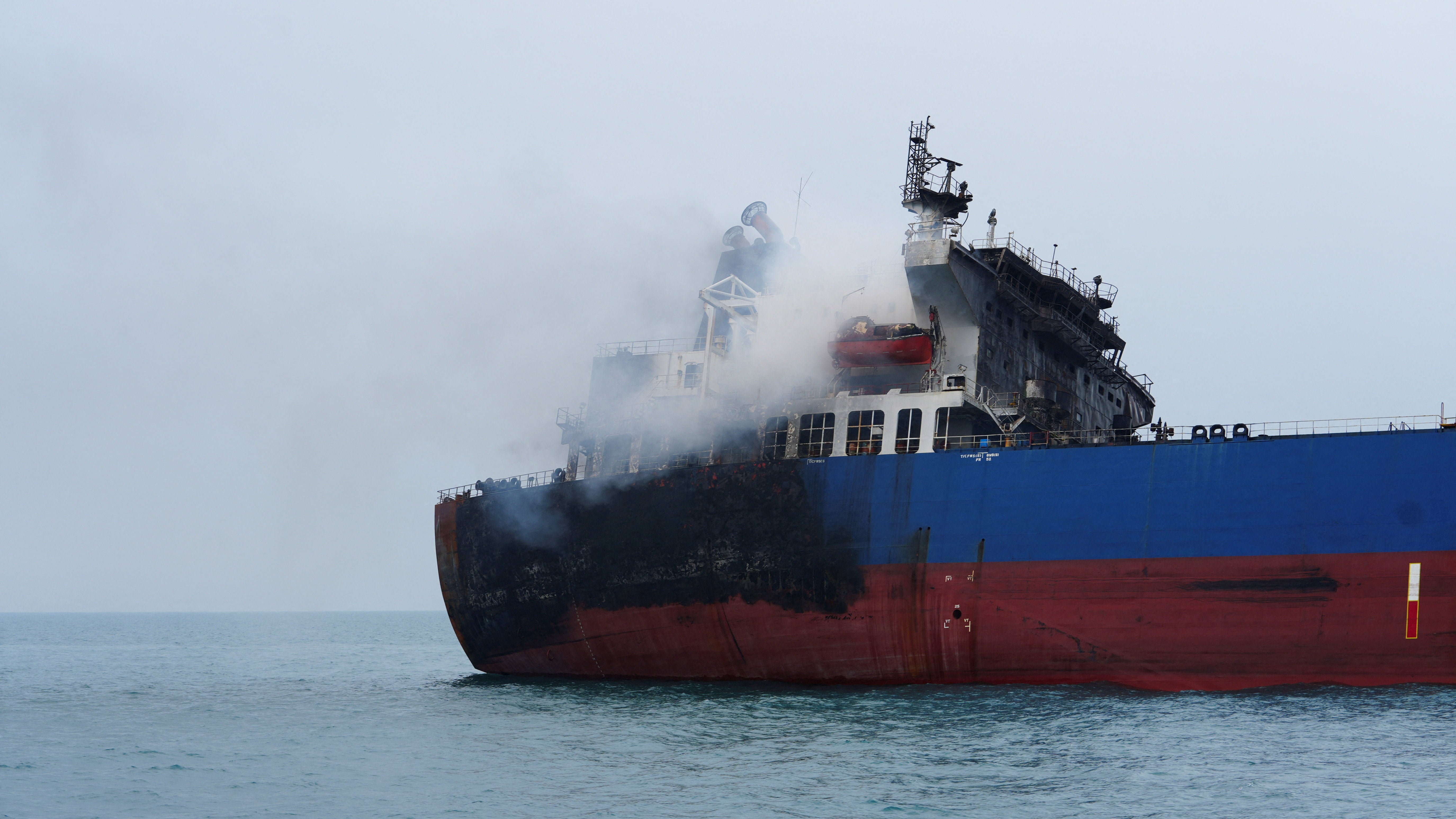
Also let go were those tasked with preparing for possible disruptions in the Strait of Hormuz, a vital artery of international trade through which 20 percent of the world’s oil flows.
Last summer’s layoffs cut roughly 1,300 positions at the State Department, with the Bureau of Energy Resources reportedly reduced to just those working on clean energy and critical minerals.
The former officials — who spoke on condition of anonymity — accused the Trump administration of being woefully unprepared to handle the knock-on effects of the Iran war, which is now in its third week.
“Before any of this should have happened, there should have been discussion about what are the implications of this, and what happens when the Strait of Hormuz turns off,” a former Bureau of Energy Resources employee said.
Another ex-State Department staffer claimed the Trump administration “dismantled the framework” that could have helped handle oil and gas prices.
“I’m sure [Secretary of State Marco Rubio] wishes he had that expertise available today,” Geoffrey Pyatt, who was an assistant secretary of state for energy resources during former President Joe Biden’s administration, told the outlet. “Most of that institutional knowledge was lost with the elimination of the bureau and [reduction-in-force initiatives] last fall.”
A State Department spokesperson told NOTUS that the department is fully engaged in responding to the resulting energy crisis.
The Bureau of Economic, Energy, and Business Affairs “is coordinating the release of strategic reserves with allies and partners in response to Iran’s attacks, driving increased exploration and production with U.S. companies in key theaters globally, especially in Central Asia, Africa, and the Western Hemisphere including Venezuela, and hosting the Secretary’s historic Critical Minerals Ministerial earlier this year with 55 international delegations in one of the largest ministerials at the State Department,” the spokesperson said.
A department spokesperson did not immediately respond to a request for comment from The Independent.
But Trump himself has expressed surprise at how the war — launched jointly by the U.S. and Israel on February 28 — has unfolded.
Iran has responded by striking oil and gas infrastructure across the Gulf and launching attacks on several countries throughout the region. The assaults have forced nations such as Qatar and Kuwait to scale back production and repeated strikes on tankers in the Strait of Hormuz have caused traffic there to plummet.
On Monday, the president said that Iran was not “supposed to go after all these other countries in the Middle East. Those missiles were set to go after them. So they hit Qatar, Saudi Arabia, UAE, Bahrain, Kuwait. Nobody expected that.”
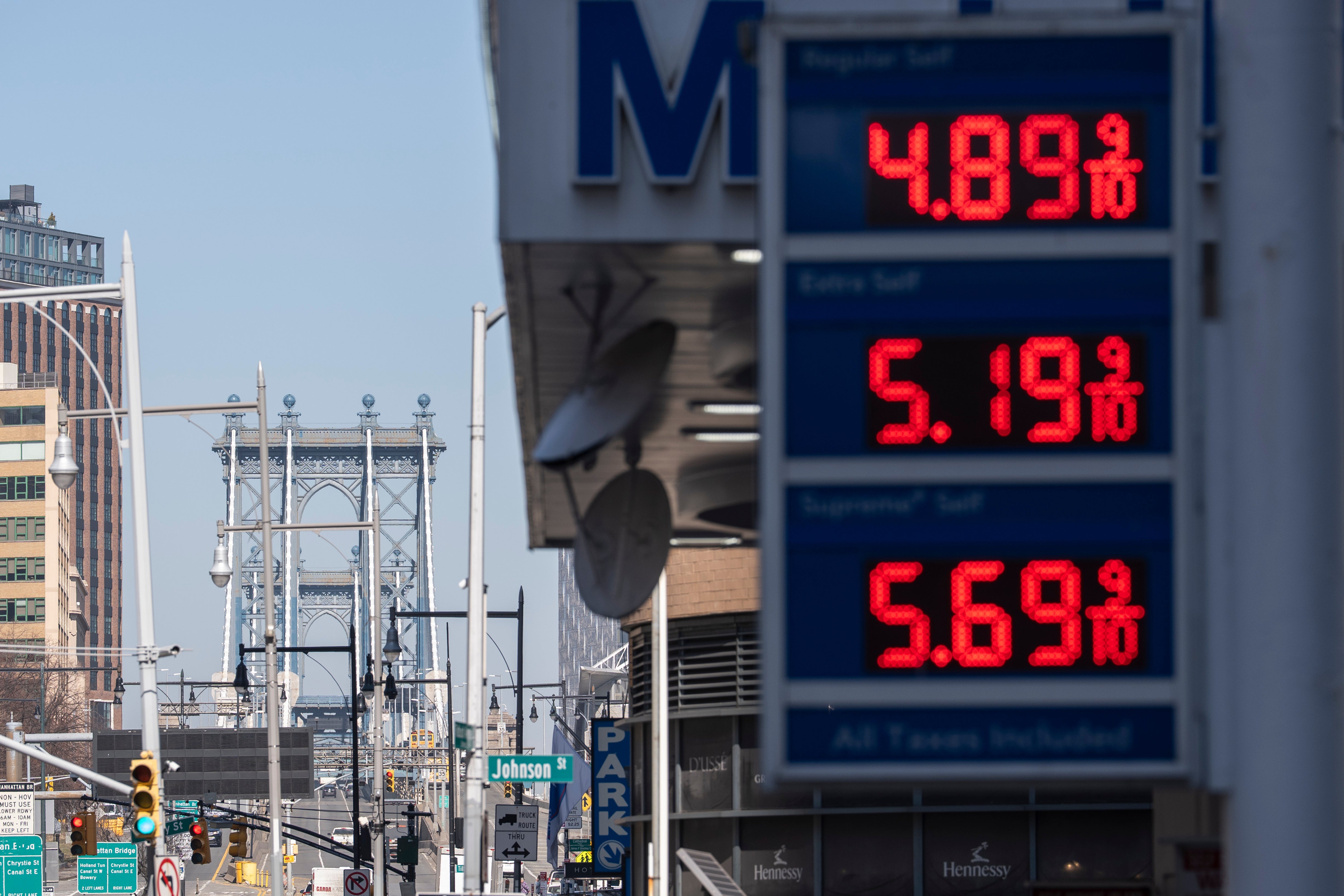
As a result of the conflict, oil prices have surpassed the $100-a-barrel milestone several times over the past week. On Tuesday, the national average price for a gallon of gasoline stood at $3.79, up from $2.91 the previous month, according to AAA.
Trump has expressed little concern about the cost of the war. Last week, he said that elevated oil prices are a “very small price to pay” for global security.
Energy Secretary Chris Wright said Americans could feel pain at the pump for “weeks,” but not longer. On Wednesday, he announced the administration would release 172 million barrels from the Strategic Petroleum Reserve in order to ease prices.
On Friday, The Wall Street Journal reported that Trump is set to announce the formation of an international coalition to escort vessels through the Strait of Hormuz. Last week, Defense Secretary Pete Hegseth told Americans not to “worry” about the waterway and said the administration had planned for disruptions.
Recent polls indicate more than half of Americans oppose Trump’s war against Iran.