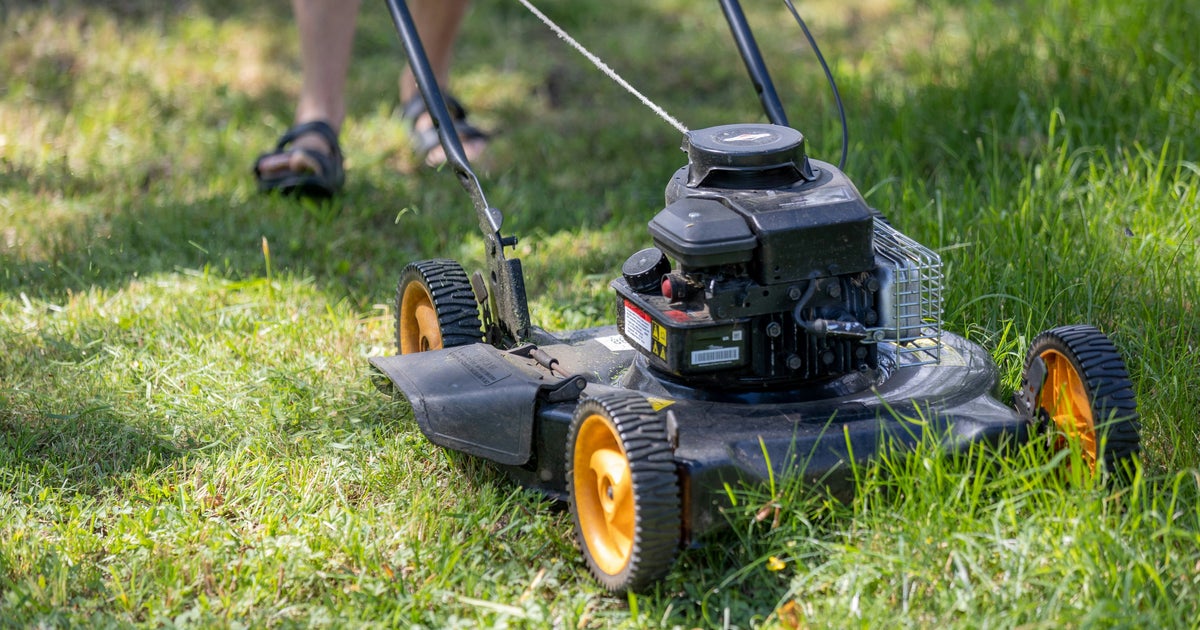

UK Gardeners Are Weeks Away From The ‘Best’ First Mow Date
Something unexpected – but welcome – has happened in the past couple of days: the sun has stayed out after I finished work, and I’ve spotted some emerging daffodils in the park.
That can only mean one thing. Gardeners, it’s almost time to get busy again. Woodland Trust says that mowing is usually needed between March and October.
And according to Black + Decker, who analysed weather data from the Met Office, there’s a specific date we should begin revving our mower engines: 13 March.
Here’s why the date matters, and how to achieve the perfect first mow.
Why 13 March?
Grass only begins to grow at temperatures above 7°C, the Royal Horticultural Society (RHS) said.
These conditions are likeliest to stay consistent after the 13 March date.
However, Nick Ee, a product training manager at Black + Decker, said: “I’d urge everyone to keep checking their local forecasts beforehand as we know how quickly the weather can change.
“It’s also important to consider other elements such as rain, frost and wind as these conditions will have an impact on the task at hand and Britain is no stranger to an ice blast or two in spring.”
How should I complete the first mow of the year?
The RHS says that you should start your first mow on the highest blade setting.
Cutting your grass too short, especially after a period of dormancy, can lead to “scalping,” which can cause disease and weed infestation.
You should also only complete your first mow when it’s dry.
Avoid mowing over emerging bulbs, like daffodils, and don’t walk on a frosty lawn, because this can break tender new grass.
The grass on new lawns should reach at least 5cm high before you mow it, too.
Ensure your mower has clean, sharp blades, and clean it well after use.