
Everyday Light Photography: Capture Glow, Shadow & Reflection
Light shapes every photograph. However, in everyday light photography, the goal is not to chase perfect conditions. Instead, it’s about noticing how glow, shadow, and reflection already exist around you.
Whether you are at home or walking through the city, light is constantly changing. Once you learn to see it, ordinary scenes become visually compelling.
What Is Everyday Light Photography?
It focuses on using natural, available light in daily environments. In other words, you are not relying on artificial setups or rare moments.
Instead, you:
- Observe how light interacts with surfaces
- Capture simple, real-life scenes
- Use light to guide mood and composition
As a result, your photography becomes more intentional and less dependent on location.
How to Capture Glow
Photo by Leon Eule on 500px
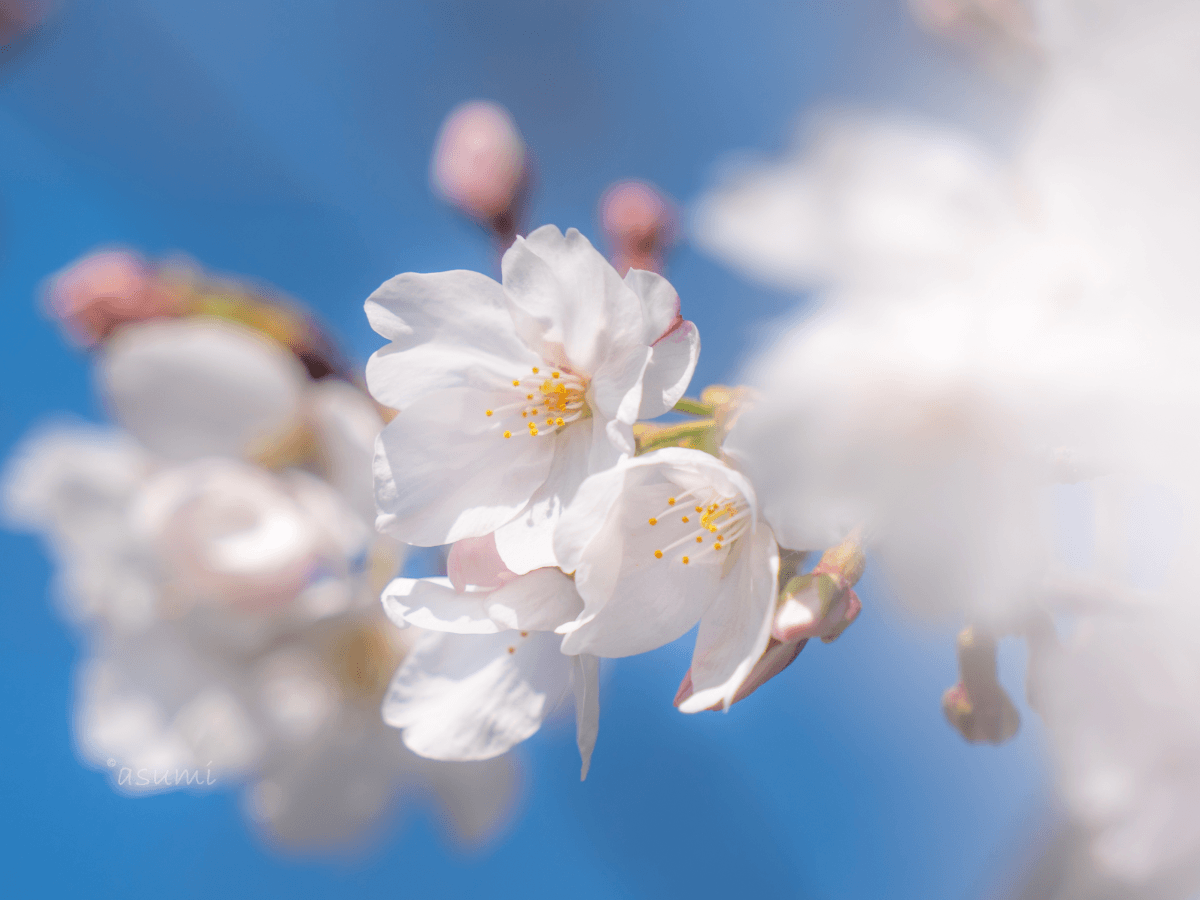
Glow creates warmth and softness. Therefore, it is often the most emotionally engaging type of light.
In everyday light photography, glow appears when light diffuses gently. For example, this can happen during sunrise or when light passes through curtains.
To capture glow effectively:
- Shoot toward the light
- Slightly underexpose your image
- Keep your composition minimal
As a result, the light becomes the main subject.
How to Use Shadow for Depth and Contrast
Photo by Nina Papiorek on 500px
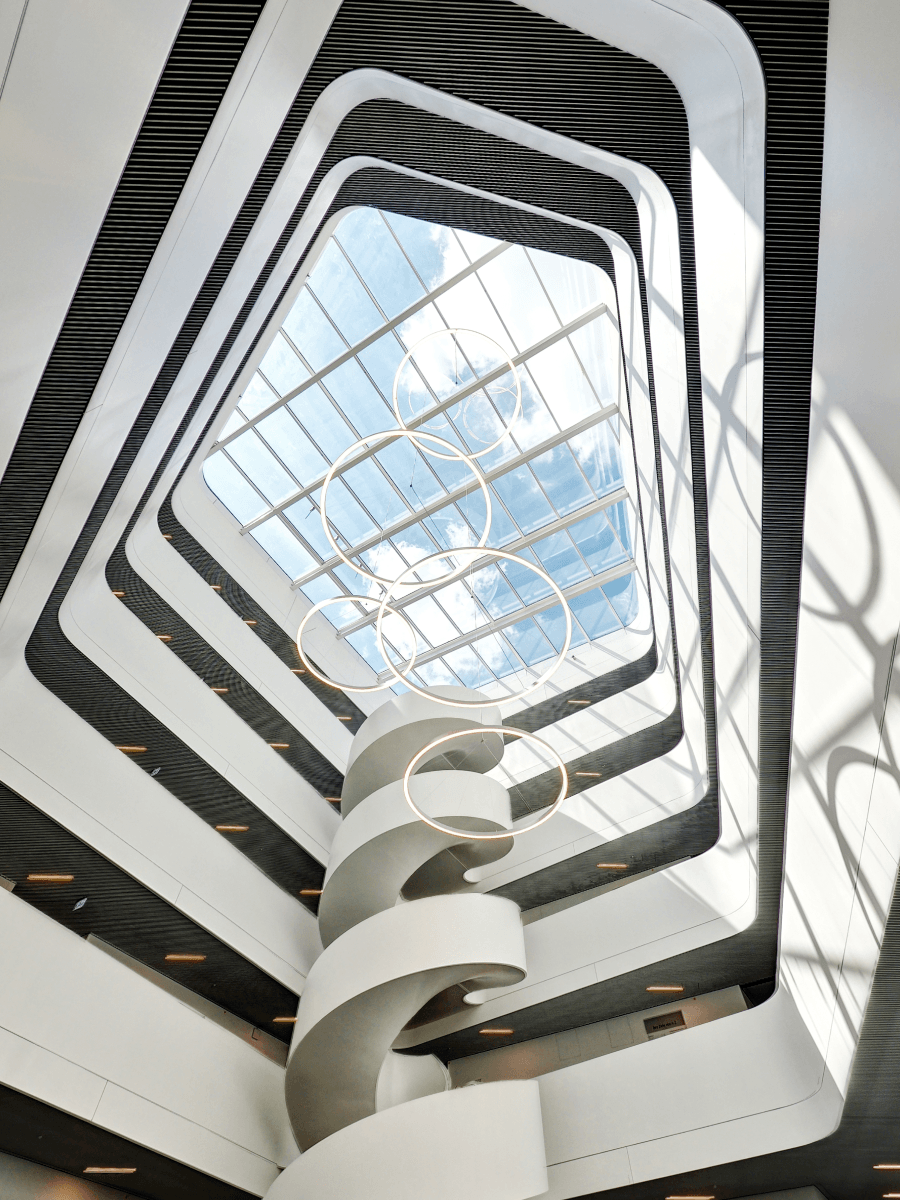
Shadows add structure and contrast. Moreover, they help simplify complex scenes.
In everyday light photography, shadows can:
- Create strong lines
- Emphasize shapes
- Add visual tension
Look for directional light. For instance, window blinds or midday sun can create striking patterns.
Instead of avoiding harsh light, use it deliberately.
How to Capture Reflection
Photo by Ryo Utsunomiya on 500px
Reflection adds depth and layering. Consequently, it makes images feel more dynamic.
In natural light composition, reflections are easy to find:
- Puddles after rain
- Glass windows
- Calm water surfaces
To improve your reflection shots:
- Lower your shooting angle
- Focus on symmetry
- Experiment with distortion
As a result, your images will feel more immersive.

Bringing Everyday Light Photography Into Your Routine
Photo by Polina Washington on 500px
Ultimately, it is about awareness. Therefore, you don’t need better gear, you need better observation.
To improve quickly:
- Slow down and look carefully
- Revisit the same location at different times
- Pay attention to surfaces and textures
- Simplify your compositions
Over time, your ability to see light will improve naturally.
Composition Tips
Strong light needs strong composition. Otherwise, the image can feel messy.
Keep these principles in mind:
- Use negative space
- Let light guide your subject placement
- Use shadows as leading lines
- Avoid over-editing
As a result, your photos will feel cleaner and more intentional.
Why Everyday Light Photography Matters
Many photographers believe they need better locations. However, shooting with available light proves otherwise.
It teaches you to:
- See before you shoot
- Work within limitations
- Create meaning from ordinary scenes
Therefore, it builds a stronger creative foundation.

Final Thoughts
You don’t need to wait for better conditions. Instead, start with what is already around you.
Notice how glow softens a scene. Observe how shadows create structure. Pay attention to reflections that add depth.
Mastering natural light composition is not about finding new light. It is about learning to see it.
Extended reading: How to choose the perfect time for your shoot