
Cincinnati Zoo Paper Publication Makes Conservation Model Accessible to All – Cincinnati Zoo & Botanical Garden
Study provides analysis of effective conservation partnerships
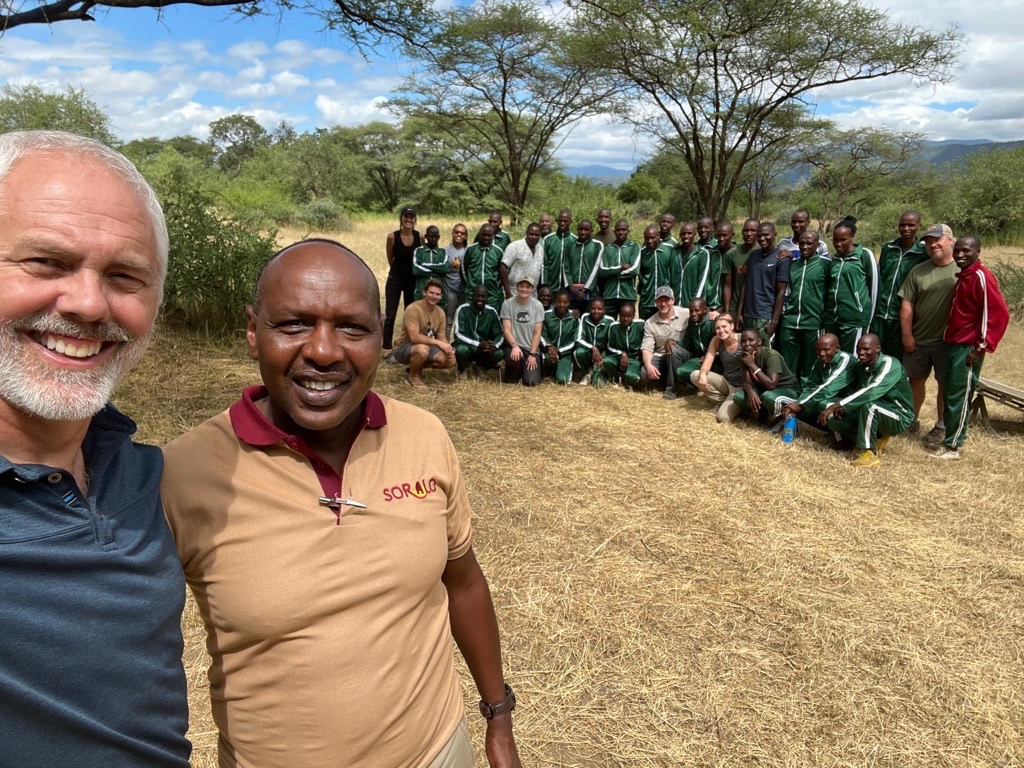
The Cincinnati Zoo & Botanical Garden is thrilled to announce that its collaborative research paper, “Growing together: Strengthening the partnership and impact of a zoo and community‐led conservation organization,” has been published in Ecological Solutions and Evidence! The study highlights the strengths, challenges, and growth opportunities of a decades-long partnership between the Zoo and the South Rift Association of Land Owners (SORALO), a community-driven conservation organization representing 30 Indigenous Maasai communities in Kenya, and provides a model that can be adopted by other international conservation organizations.
“This paper provides a roadmap for other conservation organizations to join forces with community-driven organizations, and its publication makes the principles it contains more widely accessible,” said Cincinnati Zoo coexistence manager and publication lead author Bailey Cadena. “Zoos have an opportunity and even a responsibility to support the work being done by our conservation partners and to learn and grow alongside them. One way we can do this is to grow our collective capacity, and this model facilitates greater impact.”
Cincinnati Zoo has been mentored by SORALO on why community-driven conservation work is vital to a world where both people and wildlife thrive. The SORALO team invited the Zoo’s leaders to listen and learn from African community conservation leaders as they developed what is now called the Naivasha Vision.
“It was an honor for our leaders to be present to hear what our conservation partners discussed as they crafted this guide to effective partnerships. The Naivasha Vision, which is described in more detail in the publication, includes a strong call to action for organizations like our Zoo to establish a shared purpose and vision and to put the needs of the community first,” said Cadena.
Key findings from the paper emphasize:
The effectiveness of trust-based, long-term partnerships in achieving conservation and community development goals.
The importance of cultural respect, transparency, and empathy in fostering collaboration between international organizations and local communities.
Practical recommendations for conservation organizations worldwide to strengthen partnerships and enhance coexistence strategies.
The study was conducted by Cincinnati Zoo staff and SORALO staff, including the founder and executive director, Mr. John Kamanga. The collaboration led to a friendship between Kamanga and the Zoo’s new CEO, David Jenike. Kamanga has taught Jenike and the Zoo the meaning of coexistence between wildlife and people, which has steered the strategic direction for all the Zoo’s conservation efforts. This collaboration was also recognized by the Association of Zoos and Aquariums and received its 2025 International Conservation Award.
“Working together to document our collective work reflects the dedication of both organizations to advancing conservation through collaboration, capacity building, and shared vision,” said Dr. Lily Maynard, vice president of conservation impact at the Cincinnati Zoo. “Our hope is that more organizations will embrace this conservation model, and that is why we’re excited about the paper being published to share applicable best practices.”
Cincinnati Zoo & Botanical Garden has ongoing partnerships with other conservation organizations around the globe in support of its mission to create a future where people and wildlife thrive together. Learn more about how the Zoo is Saving Wildlife and supporting the next generation of conservation leaders.