Why Sharp Bird Photos Still Feel Boring and How to Fix Them
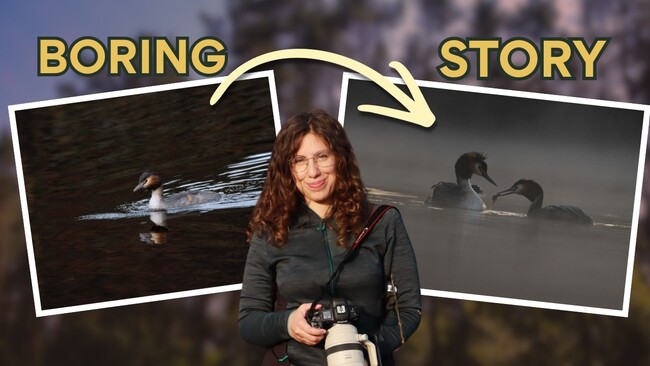
Sharp focus and perfect exposure are not enough. If bird photos feel flat, the problem is not settings, it is storytelling.
[Read More]
Sharp focus and perfect exposure are not enough. If bird photos feel flat, the problem is not settings, it is storytelling.
[Read More]
The 500px Global Photography Awards celebrate the photographers whose creativity, technical mastery, and storytelling defined the year. After reviewing thousands of powerful submissions from around the world, we are proud to present the winners of the 2025 Awards, a remarkable group of artists whose work stood out for impact, originality, and excellence.
This year’s Awards were judged across five categories: Architecture, Animal, Landscape, Portrait, and Real Stories with two winners recognized in each category: Judges’ Choice and People’s Choice. These winners represent the strongest individual images across the competition.
From within this extraordinary group, two creators earned the highest honors of the entire Awards: 500px Photographer of the Year and Popular Photographer of the Year, selected for overall excellence and for exceptional community resonance.
Read on to explore every winning image and discover who earned the top titles of 2025.
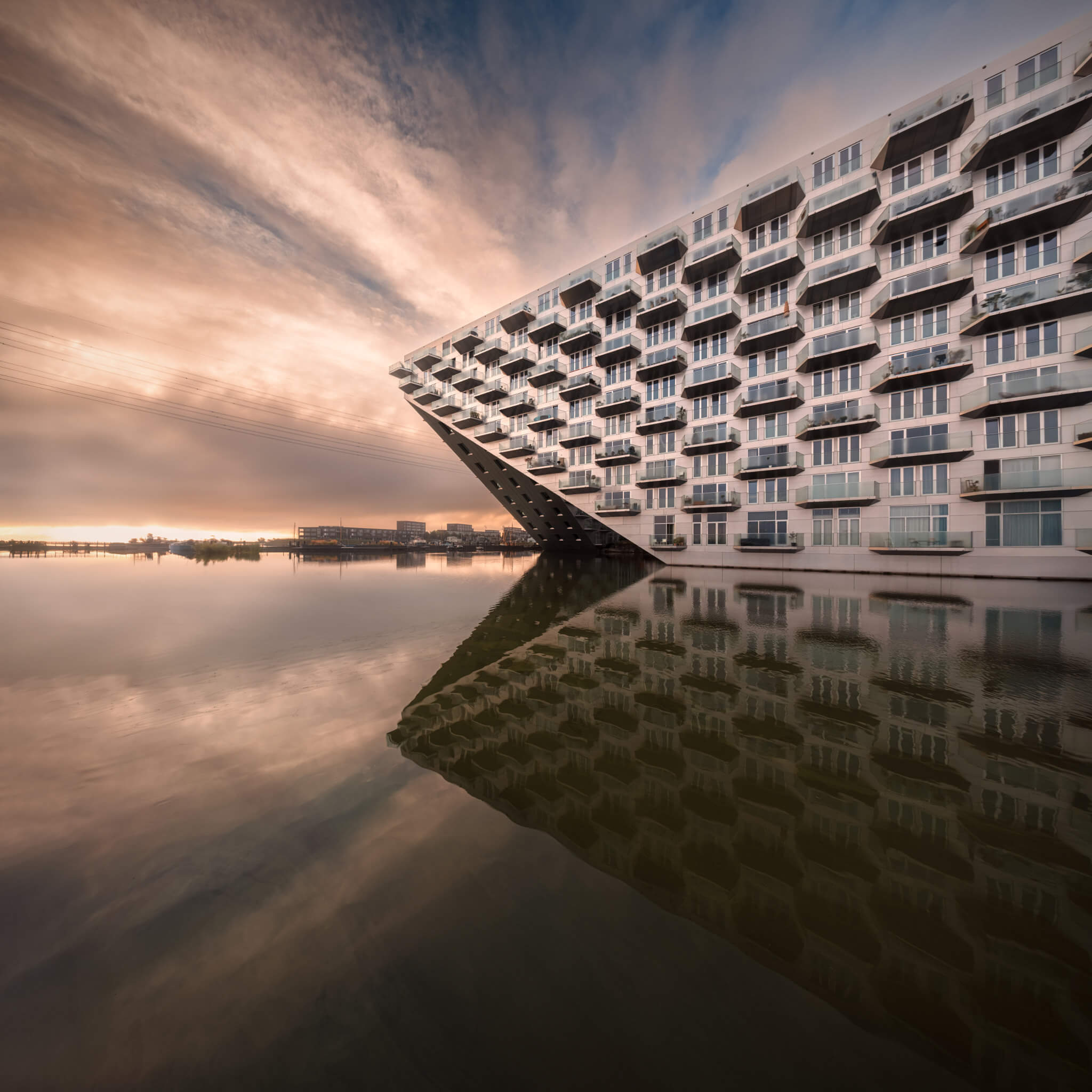
Winner: Louis-Philippe Provost

Judge: Branden May
Street and architecture photographer with a dramatic, contrast-driven style
“This image commands attention through sculptural geometry, masterful tonal control, and a perfectly balanced perspective that transforms raw concrete into a strikingly poetic architectural composition.”
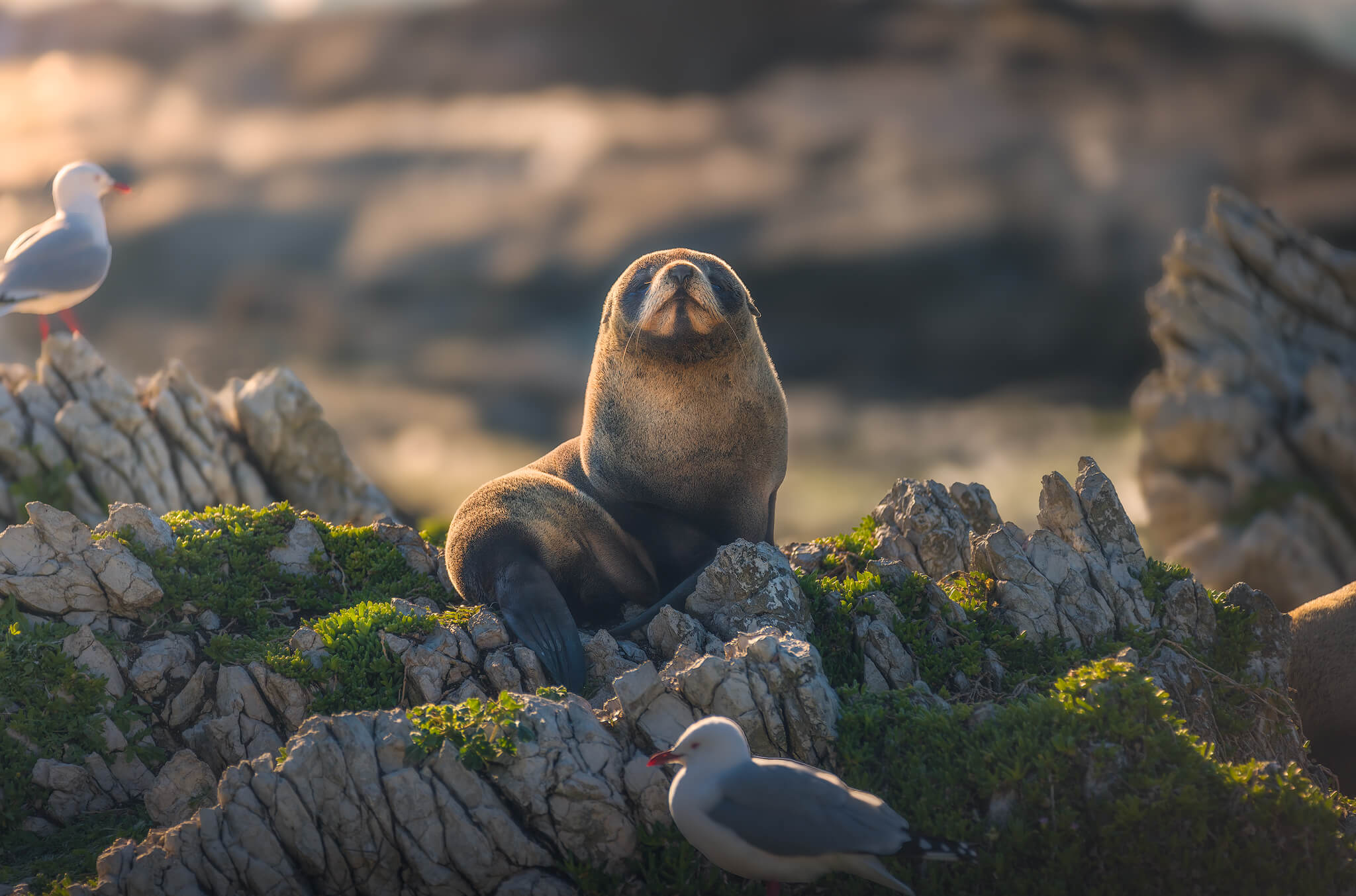
Winner: Lukas Trixl
Judge: Ryo Utsunomiya
500px Ambassador blending wildlife and conceptual narrative
“This photograph demonstrates a keen understanding of light. Side lighting outlines the fur seal and the surrounding rocks beautifully. A calm, dignified moment captured with impressive balance and natural elegance.”
Winner: Nathan Wirth

Judge: Agnieszka Wieczorek
Travel photographer and mentor known for vibrant cultural storytelling
“Minimal in composition yet emotionally strong. The image relies on contrast, atmosphere, and restraint to convey tension and mood within the landscape.”
Winner: GZ Miimaa

Judge: Natascia Mercurio
Portrait photographer exploring emotional nuance and human expression
“A dominant, unforgettable portrait. Meticulously composed and rich in mood, whose quiet authority sets the benchmark for the entire series.”
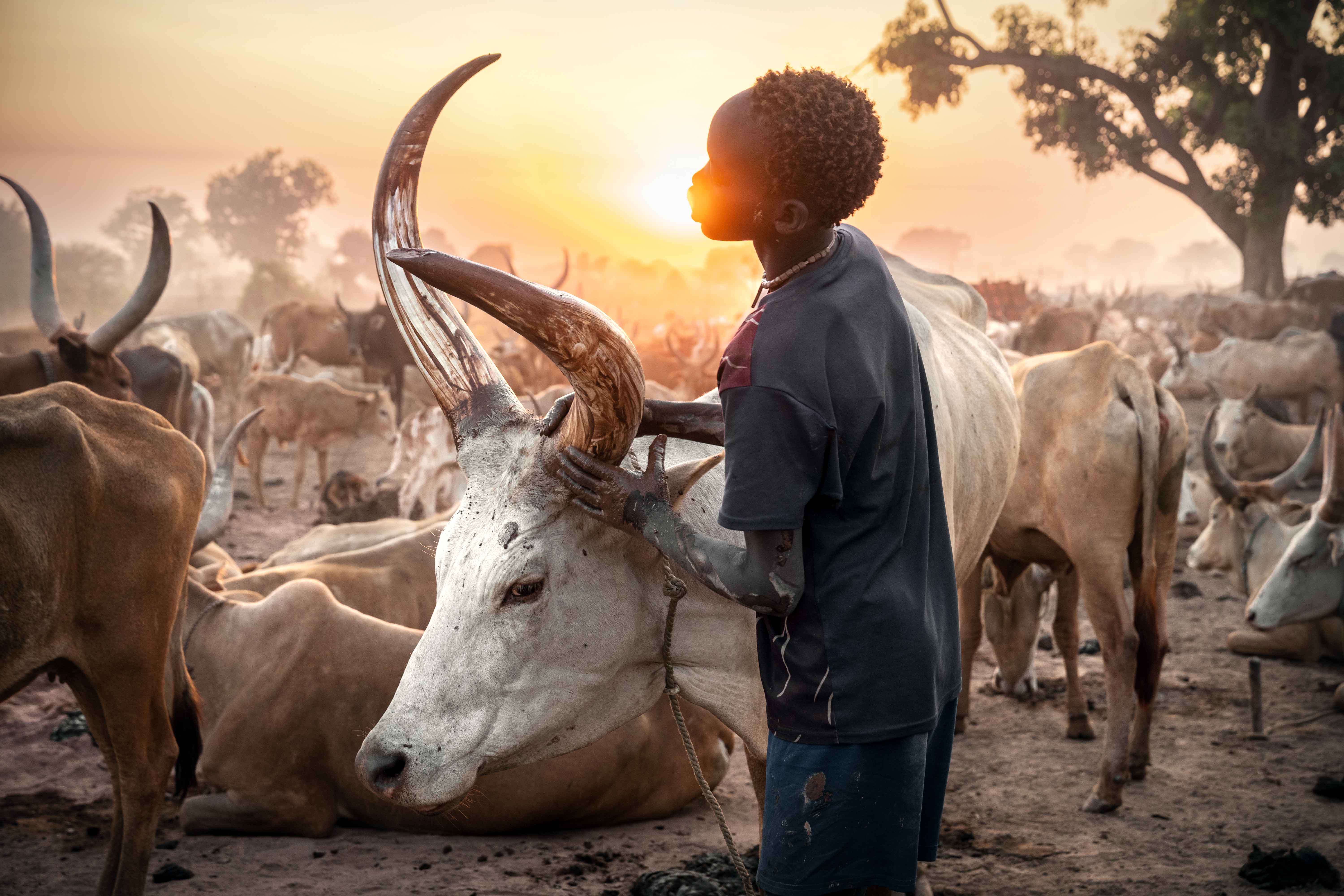
Winner: Roberto Pazzi
Judge: Krid Karnsomdee
500px Ambassador known for minimalist, geometric imagery
“I love this photo because it depicts a lifestyle that is hard to come by today. Shot in South Sudan, the backlighting is excellent, the subject is clear enough to reveal the textures of the mud and dirt. The environment tells a deeper story about responsibility and resilience.”
Click here to view all finalists who reached the final round of judging.
Selected by our global community on PULSEpx, these images captured the hearts of photographers and viewers alike.
Architecture: lukasz_de_83
Animal: uggetheexplorer
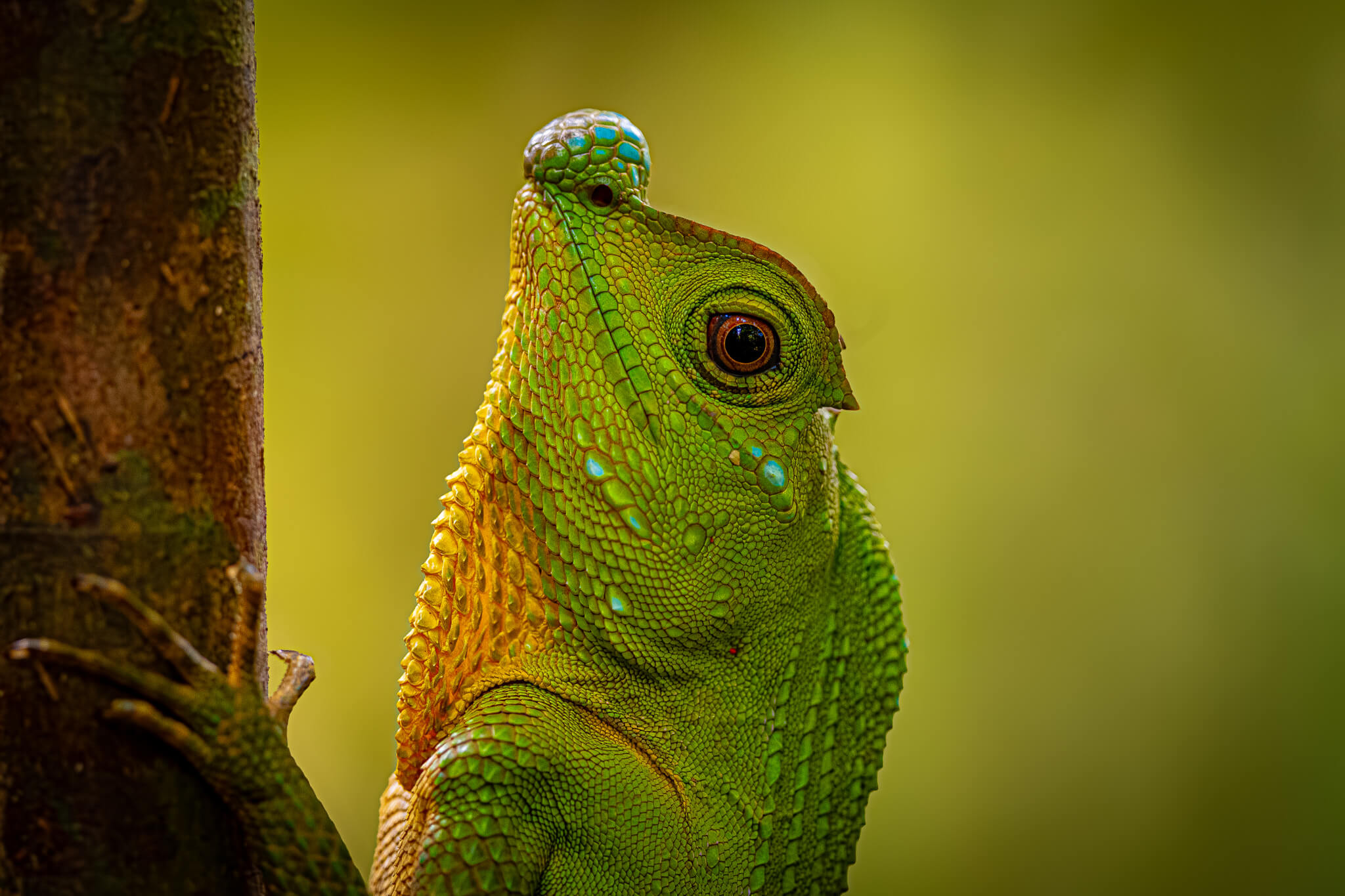
Landscape: hannahmarlenephoto

Portrait: zamira

Real Stories: flavio_souza_cruz

Across all categories and thousands of votes, two photographers captured the highest recognition of the entire competition.
GZ Miimaa

GZ Miimaa’s portfolio showcases an exceptional command of portraiture and cultural storytelling. His work highlights the quiet power of human connection, rendered with striking mood, clarity, and control. This refined, emotionally rich body of work earned him the title of 500px Photographer of the Year, a well-deserved recognition of his artistic excellence.
View GZ Miimaa profile on 500px
uggetheexplorer
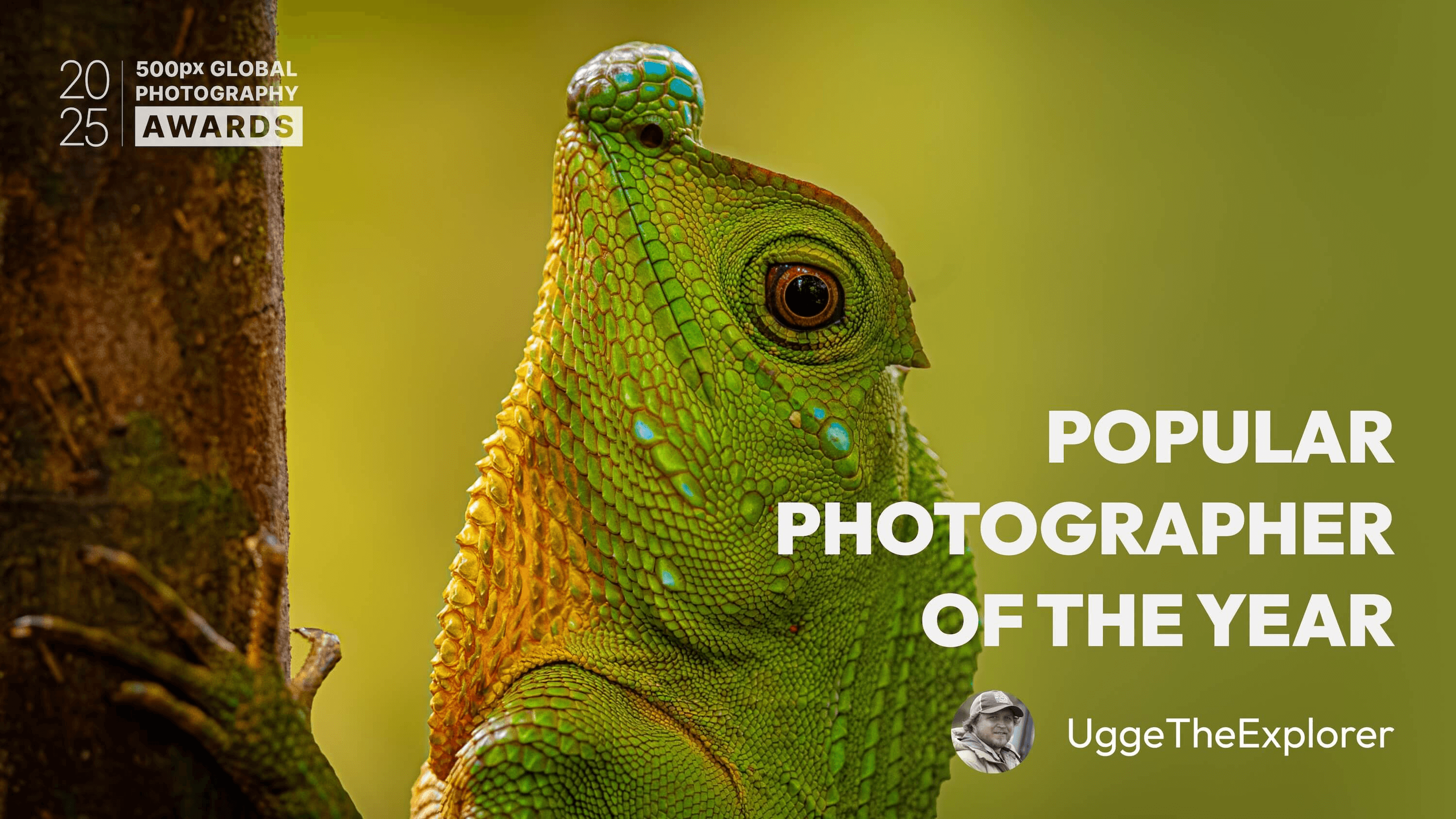
Earning the highest number of votes across the entire competition, uggetheexplorer has been named Popular Photographer of the Year. Their wildlife imagery captivated the global community on PULSEpx, resonating with viewers for its atmosphere, emotion, and immersive storytelling. This title reflects the strong connection their work built with photographers and fans around the world.
View uggetheexplorer profile on PULSEpx
This year’s winners received prizes sponsored by vivo, including the flagship vivo X300 Pro, the vivo Professional Photography Kit, and 500px Pro and Awesome Memberships.
Our two top titles were awarded additional cash prizes from 500px:
These prizes are designed to support photographers as they continue to explore, create, and innovate.
A special thank you to vivo, the Exclusive Sponsor of the 2025 500px Global Photography Awards, for supporting photographers and powering this year’s celebration of creativity.
To everyone who participated by submitting, judging, or voting, thank you for making this year’s Awards extraordinary. Your creativity fuels this global community, and we are honored to celebrate your work.
Stay tuned for more creative opportunities and upcoming announcements on 500px.

I love how we perceive the value of our work. After spending many hours perfecting studio lighting, you naturally want to share every photo. You’ve put in so much effort, so why let those images gather dust on a hard drive? But have you thought about how sharing more might dilute your message? In fact, fewer photos in a photography portfolio may help you highlight your strongest work.
In a recent video, photographer Samuel Elkins explores a tough but important topic: the “ruthless edit.” He suggests that deciding which photos to discard is just as crucial. If not, more than choosing which ones to keep. I believe he has a point that could help improve your professional image and avoid the scroll-fatigue that many websites suffer from.
Samuel kicks things off by heading to Malibu with his long-time friend, Jake Chamsadine. He tests the Fujifilm X100VI for landscape shots but also brings out the more powerful Fujifilm GFX to capture the detailed tide pools.
It seems like Samuel wants to find out if the compact X100VI can compete with the larger medium format camera in a professional setting. Meanwhile, Jake has a Sony RX1R III with him. Samuel suggests they might do a side-by-side comparison later, which could be a great way to settle the compact versus quality discussion. This serves as a good reminder that while we enjoy talking about gear, the camera is simply a tool for telling a story.
The core of the discussion takes place when Samuel returns to his workspace. He faces a task that is sorting through 154 photos from three different projects. A shoot with a beekeeper, a vacation in Tahoe, and a furniture studio session. From those 150+ images, he manages to select just 30 standout photos. This is a good example of fewer photos in a photography portfolio giving more weight to each individual image.
Samuel believes that one of the toughest challenges for photographers is evaluating their own work, and I agree. When reviewing your own pictures, you recall the hard work, the chilly weather, or a funny moment the subject shared. However, clients care only about the final result, not the stories behind the photos. Samuel points out that having too many similar images in your collection can weaken your best work. You want viewers to feel amazed every time they click next.
One of the most practical tips Samuel offers is about how he manages his beekeeper project. Instead of putting all 30 images on his homepage, he uses a tiered approach. He has a dedicated gallery for detailed views, but only features one or two standout images, or “hero” shots, on his website’s front page.
This method makes your website feel more like a curated gallery instead of a cluttered storage space. It’s like giving visitors a tasting menu on the homepage. If they’re intrigued, they can explore the “Archive” or “Project” sections for more details. This keeps your brand looking organized and thoughtful. Clearly, fewer photos in a photography portfolio can create a stronger first impression for viewers.
Samuel talks about his “Archive” system on Dropbox. He organizes his images by tags like “portrait,” “automotive,” or “motion.” He believes this is important because when his agent or a potential client needs a “treatment” (like a mood board or pitch) quickly, he can find the right work in seconds.
If you want to transition from a hobbyist to a professional, this type of organization is the boring but necessary work that allows the cool stuff to happen. You definitely don’t want to be scrambling through 2023 folders while a client with a big budget is on the line. This method makes sure he is always prepared to respond quickly.
One important idea from Samuel’s philosophy is his “Front Page Rule.” He says that when you add a new photo to your main portfolio, you should remove one. He suggests keeping your main collection to between 30 and 50 images at most. Furthermore, fewer photos in photography portfolio design can help keep your site clean and inviting.
In my opinion, 50 might be too many. If you can’t impress a client with 20 images, having 200 won’t help either. By keeping the number small, you help viewers stay interested without feeling overwhelmed. You want them to leave wanting to see more, not feeling like they’ve just watched a long slideshow of your family trip.
In a revealing moment, Samuel shares that after a month of professional and personal photography, only three images made it to his front page. Just three! That’s a huge amount of self-criticism, but it’s also what shapes his unique style. He suggests pursuing interesting stories and giving yourself personal projects to stay inspired.
It seems he’s saying that the strongest pieces in your portfolio often come from your personal interests rather than from high-budget commercial work. They might stem from niche subjects you love, like beekeeping or furniture making. When you focus on what you’re passionate about, the standout photos are more likely to come to you.
Before finishing up, Samuel takes some time with his fiancée, Jaden, to ship out physical “Zines,” which are small self-published magazines. He expresses how rewarding it is to see his work in print.
I’ve experienced this too, there’s something real about a printed photo that you just can’t get from a high-resolution screen. Samuel says that seeing your work in a physical form helps you recognize its worth differently. It makes you think more carefully about what to include because printing isn’t free. If you’re having trouble editing your digital collection, try printing it out (even with a basic home printer) and spreading the photos on the floor. You’ll quickly notice which ones catch your eye and which ones are just there. Ultimately, fewer photos in a photography portfolio make each printed image feel much more meaningful.
Samuel wraps up by expressing his gratitude to Squarespace, a platform he’s been using for ten years. Although he clearly appreciates the service, the main takeaway isn’t about which website builder to choose. It’s about the quality of the content you share.
Our portfolios aren’t just records of our past work. They’re tools for marketing ourselves. You are in charge of your own brand. If you mix subpar work with your best pieces, you send a message that you can’t differentiate between them.
So, enjoy the excitement, but also pause to reflect. If it’s the latter, save it for your Instagram stories or personal files. Your portfolio deserves high-quality work. You deserve that too.
[Most Photos Don’t Belong in Your Portfolio (Here’s Why) I Samuel Elkins; Image credits: Pexels]

I’m not sure what to say about my Valentine date with the peach kitty!

He showed up, but he barely hung out, and sort of gave the Valentine decor a brief look.

He ate some treats, but spent most of his time wandering back and forth.

Then my human offered him the heart bouquet…and you probably know what happened! You can see our so-called date in the video below.
Fleas and ticks aren’t just a summertime nuisance. They can be a year-round problem, depending on where you live. The reality is that these pesky parasites can cause significant discomfort and even transmit diseases to your beloved pets. That’s why proactive flea and tick prevention is essential for responsible pet ownership. It’s not just about comfort; it’s about protecting your pet’s overall health and well-being.
So, what’s the best approach to tackling these tiny invaders? This comprehensive guide will walk you through the various preventative options available, helping you make informed decisions to keep your furry, scaled, or feathered companions safe and itch-free.
Before diving into prevention methods, it’s crucial to understand the lifecycle of these parasites. Fleas, for example, go through four stages: egg, larva, pupa, and adult. Adult fleas live on your pet, feeding on their blood and laying eggs that fall off into your home environment. These eggs hatch into larvae, which feed on organic debris before forming pupae. The pupae can remain dormant for months, waiting for the right conditions (warmth and humidity) to emerge as adults. Understanding this lifecycle is key to effective control.
Ticks, similarly, have a complex lifecycle that involves multiple hosts. They typically go through four stages: egg, larva, nymph, and adult. Ticks can transmit diseases like Lyme disease, Rocky Mountain spotted fever, and ehrlichiosis. Unlike fleas, ticks don’t usually infest your home; they’re more often found in grassy, wooded areas.
Treating a flea or tick infestation can be a lengthy and costly process. It often involves treating your pet, your home, and your yard. Plus, some pets can have allergic reactions to flea bites, leading to severe itching, skin irritation, and even secondary infections. Therefore, consistent preventative measures are far more effective and less stressful for both you and your pet. Think of it like this: a little prevention goes a long way in protecting your loved ones.
The good news is that there’s a wide array of flea and tick prevention products available. The challenge is finding the right one for your pet’s specific needs and lifestyle. Let’s explore some of the most common options:
Topical treatments are applied directly to your pet’s skin, usually between the shoulder blades to prevent licking. These treatments typically contain insecticides that kill fleas and ticks on contact or are absorbed into the pet’s bloodstream to kill parasites when they feed. Options include:
When choosing a topical treatment, it’s crucial to consider your pet’s species, weight, and age. Always read the label carefully and follow the instructions provided by the manufacturer. Never use a product intended for dogs on a cat, as this can be toxic.
Oral flea and tick medications are administered as a pill or chewable tablet. These medications are absorbed into your pet’s bloodstream and kill fleas and ticks when they bite. Some popular options include:
Oral medications are a convenient option for pet owners who prefer not to use topical treatments. They’re also a good choice for pets that swim frequently or are bathed often, as water can wash away topical treatments. Always consult with your veterinarian to determine if an oral medication is right for your pet.
Flea and tick collars release insecticides onto your pet’s skin and coat, providing continuous protection for several months. Some collars, like the Seresto collar, offer up to eight months of protection against fleas and ticks. Flea and tick collars can be a convenient and cost-effective option, but it’s important to choose a high-quality collar that is safe and effective for your pet. Make sure the collar fits properly and doesn’t cause skin irritation.
While natural remedies may seem appealing, it’s essential to approach them with caution. Many natural remedies, such as essential oils, have not been scientifically proven to be effective against fleas and ticks. Additionally, some essential oils can be toxic to pets if ingested or applied improperly. If you’re considering using natural remedies, consult with your veterinarian first.
Some natural options that are sometimes used include:
Remember that natural remedies may not be as effective as conventional treatments, and they may not provide complete protection against fleas and ticks. It’s always best to err on the side of caution and consult with your veterinarian about the best approach for your pet.
Flea and tick shampoos and dips can provide immediate relief from infestations, but their effects are temporary. These products contain insecticides that kill fleas and ticks on contact. They are often used in conjunction with other preventative measures to provide added protection. When using flea and tick shampoos or dips, follow the instructions carefully and avoid getting the product in your pet’s eyes, nose, or mouth.
Selecting the best flea and tick prevention method depends on various factors, including:
The best approach is to consult with your veterinarian. They can assess your pet’s individual needs and recommend the most appropriate preventative measures. Don’t be afraid to ask questions and voice any concerns you might have.
Flea and tick prevention shouldn’t stop with your pet. It’s also important to treat your home and yard to eliminate any existing infestations and prevent future problems.
Here are some tips for controlling fleas and ticks in your home:
Here are some tips for controlling fleas and ticks in your yard:
Maintaining a clean and well-groomed yard can make a big difference in preventing flea and tick infestations.
Pet owners often have questions and concerns about flea and tick prevention. Let’s address some of the most common ones:
Most flea and tick products are safe when used according to the manufacturer’s instructions. However, some pets may experience side effects, such as skin irritation, vomiting, or diarrhea. If you notice any adverse reactions, contact your veterinarian immediately.
No! Human flea and tick products are not safe for pets. They may contain ingredients that are toxic to animals. Always use products that are specifically formulated for pets.
The frequency of treatment depends on the product you’re using and the prevalence of fleas and ticks in your area. Most topical treatments and oral medications are administered monthly, while some collars offer protection for several months.
Pets with flea allergies are extremely sensitive to flea bites and can develop severe skin irritation and itching. If your pet has a flea allergy, it’s even more important to maintain consistent flea prevention and to consult with your veterinarian about managing the allergy.
If you notice early warning signs that Is My Pet Sick?, it is recommended to seek veterinarian attention immediately.
While much of the conversation around fleas and ticks focuses on cats and dogs, it’s important to remember that birds can also be affected. While not as common, birds can contract mites and other external parasites that cause similar discomfort. Maintaining a clean environment for your feathered friend is essential. Regular Bird Cage Cleaning is crucial. Consult with an avian veterinarian about appropriate preventative measures for your bird species.
Consider also, that a happy bird is a healthy bird. Ensure your bird’s mental and physical well-being by providing stimulating Bird Toys.
Flea and tick prevention is an essential part of responsible pet ownership. By understanding the lifecycle of these parasites and the various preventative options available, you can protect your pet from discomfort and disease. Consult with your veterinarian to determine the best approach for your pet’s specific needs and lifestyle. With consistent prevention, you can keep your furry, scaled, or feathered friends happy, healthy, and itch-free all year round.
Making sure you have all the Essential Pet Supplies is crucial for maintaining a healthy and happy pet.

The rules governing who owns a photograph, who can train an AI on it, and where you can fly a drone to capture it are all being rewritten simultaneously. Across courtrooms, five separate legal confrontations are converging on a question that matters to every working photographer: in an age of generative AI and autonomous aircraft, who actually controls the value of an image?
What follows is a photographer-focused breakdown of the cases and regulations most likely to change how you shoot, edit, license, and protect your work this year and next.
[Read More]
New research investigates the ethics orientations to animals that are associated with higher or lower use of positive reinforcement in dog training.
 |
| Photo: Carina Svardal/Shutterstock |
By Zazie Todd, PhD
This page contains affiliate links which means I may earn a commission on qualifying purchases at no cost to you.
Why are some people more drawn to one style of dog training over another? It’s an important question because we know that reward-based methods are better for dogs than methods like shock and prong collars, which have risks for dogs’ welfare. New research published in Anthrozoös looks at the relationship between dog training methods and wider ethical beliefs about animals amongst dog guardians in the US.
For example, if you think that dogs are sentient beings, and that non-human animals are just as important as humans, does that mean you are less likely to use punishment-based training methods? According to this study, the answer is yes. But interestingly, it doesn’t necessarily mean you will only use positive reinforcement; that is associated with an animal protection view that animals should be treated humanely and have a good quality of life.
Prof Peter Sandøe and Tracy Weber, two of the authors of the study, told me.
“What we have measured are not the moral qualities of our respondents in the normal meaning of the word, but their views about the moral status of non-human animals. These views range from “anthropocentrism”, which is the view that it is always acceptable to use animals for human goals, to “animal rights”, according to which animals matter as much and have the same rights as humans.
“We looked whether there are correlations between holding these views and the propensity to use methods of training dogs ranging from high use of physical correction to almost exclusive use of positive training. And we found some clear correlations. For example, those scoring high on anthropocentrism were more likely to use physical correction and less likely to exclusively use positive training. Conversely those scoring high on animal rights were less likely to use physical correction.”
These are really interesting findings that show links between choice of training methods and wider views about animals.
75% of people in the study had been to a dog training class. The most common sources of information about dog training were:
86% used treats or toys as positive reinforcement at least some of the time, and 97% used praise. 46% used verbal and/or physical corrections at least some of the time. A third said that they never used physical corrections, and 18% used positive training methods only.
The results showed that the use of positive reinforcement training methods was higher amongst those who scored highly for animal protection, meaning that they think animals need looking after in a humane way. Use of positive reinforcement was lower if people scored highly for anthropocentrism. Animal rights and lay utilitarian views turned out not to be linked to use of positive reinforcement.
Meanwhile, the use of physical corrections was higher amongst those who had higher anthropocentric scores, whereas it was lower amongst those with higher animal protection or animal rights orientations.
This is the first study to investigate this, but the results tie in with an earlier study of dog parenting style (Herwijnen et al 2020). Although that study used different questionnaires, it found links between parenting style (which to some extent relate to training methods) and wider views about animals. In particular, a dominionistic approach—which has some similarity with an anthropocentric one, in that both see humans as more important than non-human animals—is linked to an authoritarian dog parenting style. This kind of dog parenting style often involves the use of verbal or physical “corrections’.
The scientists compared two main training methods: positive reinforcement and positive punishment. People were asked to say how they had trained 4 different behaviours: coming when called; loose leash walking; not jumping on people; and not stealing food (or other items). The inclusion of two positive and two negative things here was deliberate.
Ethical orientations to animals were assessed using a scale that identified people according to 4 different approaches. You can read more about the ethical orientations to animals here.
Participants were recruited via Facebook posts in 36 different dog-oriented groups. Purebred dogs—and especially German Shepherds—made up a larger part of the sample than is found in the US overall. The large number of German Shepherds is thanks in part to many members of a Schutzhund group being willing to complete the survey.
The topic of dog training is quite polarized in the US, and quite a few people abandoned the survey part-way through. Some of them left comments on Facebook where the link to the study was shared, and two groups where it was shared decided to delete the link to study. Comments suggest a range of reasons, such as objections to the list of punishment-based training methods (including claims that some of them were humane but others were animal abuse).
Of course, taking part in a research study is entirely voluntary, but this shows just how difficult conversations about training methods have become. It suggests that future research on choice of dog training methods will need to take a careful approach. A discourse analysis of what people say about such research studies when they are shared on Facebook could be interesting!
The study shows a clear link between people’s choice of dog training method and their ethical stance on animals. It seems that people are more willing to use punishment to train dogs if they also believe that humans are more important than hon-human animals. This is a fascinating study that will be of interest to anyone who cares about animal welfare.
If you’d like to know more about dog training methods, including tips on how to train reactive and fearful dogs, check out my book Bark! The Science of Helping Your Anxious, Fearful, or Reactive Dog.
References
van Herwijnen, I. R., van Der Borg, J. A., Naguib, M., & Beerda, B. (2020b). Dog-directed parenting styles mirror dog owners’ orientations toward animals. Anthrozoös, 33(6), 759-773.
Weber, T., Lund, T. B., Forkman, B., McPeake, K., Meyer, I., & Sandøe, P. (2026). Dog Owners’ Use of Training Methods and Their Ethical Stance on the Treatment of Animals. Anthrozoös, 39(1), 41–64.
When the Eiffel Tower first opened to the world in 1889, a Seychelles giant tortoise named Jonathan was already 57 years old. He was born before the invention of the telephone, has lived through two World Wars, and quietly munched on plants as the internet reshaped human civilization. With a current age of over 190, Jonathan is the oldest land animal ever recorded, a living monument to endurance.
The question of why do turtles live so long seems to have an easy answer: they’re slow. We assume their famously sluggish metabolism—like a slow-burning candle—is the whole secret. While there’s truth to that, scientists have discovered it’s only a small piece of a much larger and more fascinating puzzle. The real story involves a set of biological superpowers that defy the normal rules of aging.
It turns out there isn’t one magic trick. Instead, turtles possess what biologists call a “longevity toolkit,” a combination of unique advantages that work together to dramatically extend their lives. This toolkit is the result of an evolutionary strategy that traded speed for near-perfect defense, allowing their bodies to invest in durability rather than a hurried life cycle.
This longevity toolkit goes beyond their slow pace to reveal biological secrets in how their cells resist damage and their bodies fend off decline. The Jonathan the tortoise age is not a fluke, but the stunning result of a masterclass in survival.
Think of an animal’s body like a car engine. A hummingbird, which must beat its wings up to 80 times per second, is revving its engine constantly. It burns through fuel at a furious pace and wears out quickly. A turtle, on the other hand, keeps its engine at a low, steady idle. This slow metabolism, or the rate at which it uses energy, is a cornerstone of its longevity, resulting in far less “wear and tear” over its lifetime.
A huge part of this efficiency comes from being “cold-blooded.” Unlike humans, who burn a tremendous amount of energy just to keep our bodies warm, turtles are ectothermic. They get their heat from the environment, often by basking in the sun. This means they aren’t constantly running their internal furnace, freeing up enormous amounts of energy that a mammal would waste just staying alive. They are the ultimate energy-savers.
To see this in action, you only need to look at their heartbeat. A resting human heart beats around 60 to 100 times per minute. A giant tortoise at rest? Its heart can plod along at just a handful of beats per minute. In hibernation, it can slow down even further, with several minutes passing between single beats. Each beat is a small stress on the cardiovascular system, and turtles simply experience vastly fewer of them.
Over the decades, this incredible energy saving translates to less damage at every level, from major organs down to individual cells. A body that lives life in the slow lane is a body built to last. But this slow, durable body plan is only possible because of another, more obvious feature that changes the entire game of aging.
That incredible, energy-saving body plan is only possible because of the turtle’s most obvious trait: its shell. For most animals, life is a constant, frantic race to reproduce before being eaten. But a turtle carries a fortress on its back. This built-in shield makes adult turtles and tortoises nearly invulnerable to predators, completely changing the survival odds and, as a result, the rules of aging. This is a primary factor influencing their remarkable lifespan.
This safety net allows for a profound evolutionary trade-off. Think of an animal like a mouse, which is on nearly every predator’s menu. Evolution’s best strategy for the mouse is to live fast, have lots of babies, and hope a few survive. Its body is essentially disposable, built for a quick sprint, not a marathon. With the protection of a shell, turtles didn’t need to be in such a hurry. Evolution could instead “invest” energy in building a much more durable, robust body designed for the long haul.
With near-total immunity from predators, a turtle’s body could be built with a “longer warranty.” There’s no point in having a body that can last 150 years if you’re likely to be eaten in your first two. The shell provided the security needed to make a long-term biological investment worthwhile. This strategy, however, is just the permission slip for a long life. The real biological superpowers that make it happen are hidden even deeper, at a level so small you can’t see it.
That durable body is more than just tough; it’s built on a foundation of superior cellular maintenance. The real secret to a turtle’s longevity is hidden in the one place aging starts for the rest of us: inside the nucleus of its cells, where its genetic blueprint is stored. Every time a cell divides—to grow, heal, or replace old cells—it must make a perfect copy of its DNA. This process is surprisingly risky.
To understand the risk, think of the little plastic tips on your shoelaces. Those caps, called aglets, keep the laces from fraying. Your DNA has a similar feature: tiny protective caps on the end of each strand called telomeres. In humans and most other animals, these telomeres get a little shorter with every cell division. Eventually, they get so short that the cell decides it’s too risky to divide anymore. This gradual fraying is a fundamental driver of the aging process.
This is where the turtle’s superpower kicks in. Scientists studying the role of genetics in turtle aging have found that their telomeres shorten far more slowly, and in some species, they hardly seem to shorten at all. Their cells are simply better at protecting their “shoelaces,” allowing them to divide safely for decades longer than ours can. This keeps their tissues and organs functioning in a youthful state for an incredibly long time.
Biologists have a name for this remarkable ability: negligible senescence. It essentially means “aging that’s barely noticeable.” Unlike humans, whose risk of disease and death increases dramatically with age, an old turtle is often just as healthy and robust as a young one. This points to more than just protected DNA; it suggests the presence of elite turtle cellular repair mechanisms, an internal toolkit that constantly works to keep the body in pristine condition.
Imagine that the very act of living—breathing, eating, and moving—creates a tiny bit of internal “rust” inside your cells. This damage, caused by unstable molecules called free radicals, is a natural byproduct of turning food into energy. For most animals, this cellular rust accumulates over time, causing wear and tear. But a turtle’s slow, efficient system—one of the key ectothermic metabolism benefits—produces far less of this corrosive material from the start.
Producing less rust is only half the battle; what about the damage that inevitably occurs? This is where a turtle’s elite internal “repair crew” comes into play. All animals have systems for cleaning up damaged proteins and cellular debris, but in most species, including humans, this crew gets tired and less effective as we age. In contrast, the turtle cellular repair mechanisms seem to operate at peak efficiency for their entire lives, constantly tidying up and fixing problems.
This relentless maintenance has a profound effect on their long-term health. Many age-related diseases in humans, from cancer to neurodegeneration, are linked to the buildup of cellular junk and faulty proteins. A turtle’s system, however, effectively sweeps this waste away before it can cause trouble. The powerful genetics in turtle aging program them with these robust defenses, making them exceptionally resistant to the diseases that typically accompany old age.
So, turtles deploy a powerful one-two punch against aging. On one hand, their DNA is shielded from fraying. On the other, their cells are kept clean and functional by a tireless repair crew. This incredible durability is a hallmark of the turtle family, but does it apply equally to all its members? After all, the group includes everything from giant land-dwellers to small pond-swimmers.
While “turtle” is a good catch-all term for these shelled reptiles, the specific name often tells you where they live—and that habitat is a huge clue to their potential lifespan. The incredible durability we’ve seen is not distributed equally. In short, not all turtles are built for a 150-year journey, because their environments present very different challenges. The distinction between a tortoise and other turtles is a key piece of the longevity puzzle.
First, you have the land-based titans: tortoises. These are the animals most famous for their staggering ages. With their heavy, dome-like shells and thick, sturdy legs, they are walking fortresses. Living exclusively on land with few natural predators as adults, they can fully embrace the “slow and steady” life strategy, allowing them to reach ages of 80 to 150 years, or even more. The tortoise vs turtle lifespan is a stark contrast, with tortoises clearly winning the longevity contest.
In the water, the rules of the game change. Sea turtles, with their streamlined shells and flipper-like limbs, are built for gliding through the ocean. While still long-lived compared to most animals, their world is filled with more dangers, from sharks to human activity. As a result, the sea turtle average age is typically in the 30 to 50-year range, though some can certainly live much longer if they avoid these threats. The same goes for terrapins, which split the difference by living in fresh or brackish water and generally live for 20 to 40 years.
Ultimately, the environment is the deciding factor. The ultra-protected life of a land tortoise allows its slow-aging biology to reach its full potential. Aquatic turtles, by contrast, face higher risks that often cut their lives short. This raises a fascinating question: what happens when you take a turtle out of the wild and shield it from these dangers? Just how long can a pet turtle live with a little help?
Bringing a turtle into your home removes it from the dangers of the wild, but its incredible lifespan is not guaranteed. While many species have the potential to live for decades—far longer than most family pets—unlocking that potential falls entirely on the owner. The question of how long can a pet turtle live depends less on its genetics and more on the world you build for it. A stressful or improper environment can quickly short-circuit its natural durability.
A turtle’s impressive biology is built on one simple principle: stability. Their slow-burning metabolism can’t handle constant change. The most critical environmental factors affecting turtle age are therefore the ones that reduce stress. This means keeping their water clean and their habitat’s temperature consistent, avoiding the wild swings that force their bodies to work overtime just to stay balanced. Diet is equally important. Simply feeding a turtle lettuce is a common and dangerous mistake; they require species-specific foods rich in the right nutrients to fuel their slow-and-steady growth.
Beyond a stable home and the right food, there’s a crucial, often-missed factor: sunlight, or rather, a specific component of it. Turtles need Ultraviolet B (UVB) light to process calcium. Think of UVB as the key that unlocks the nutrients in their food. Without it, a turtle can’t build a strong shell or healthy bones, no matter how perfect its diet is. A special UVB lamp over their habitat isn’t a luxury—it’s a non-negotiable tool for a long, healthy life.
The formula for how to increase pet turtle lifespan is about recreating their ideal world in miniature. The four pillars of care are:
By providing this perfect, stress-free world, you remove the external roadblocks to a long life. But even in a perfect environment, nothing lasts forever. So, what finally stops a turtle?
Given their incredible resistance to the slow decay of aging, you might wonder if a turtle could live forever in a perfect bubble. But the real world has no bubbles. The vast majority of turtles don’t reach a point where their bodies simply give out from old age. Instead, they fall victim to the same things that threaten any animal: incurable diseases, injuries that won’t heal, or a sudden change in their environment they can’t adapt to. Their biological shield against aging is remarkable, but it’s no defense against a bad infection or a fatal fall.
In the wild, the odds are stacked against them from day one. While an adult’s shell is a formidable defense, a hatchling is a small, vulnerable meal for countless predators, and turtle predators and survival is a constant battle. Birds, raccoons, crabs, and fish ensure that only a tiny fraction of young turtles ever make it to their first birthday. This stark reality is why the sea turtle average age is often calculated in the low-to-mid decades, despite their potential to live over a century; most simply don’t get the chance to grow old.
For the lucky few that survive to adulthood, a new and more pervasive threat emerges: us. Today, the most significant environmental factors affecting turtle age on a global scale are human-driven. Habitat destruction paves over nesting grounds, pollution clogs oceans with deadly plastics, and fishing nets and boat strikes cut long lives tragically short. While a turtle’s biology is built for the marathon, it was never designed to navigate the obstacle course of the modern world.
The common answer to “why do turtles live so long?” often evokes the simple fable: “slow and steady wins the race.” Yet, their incredible lifespan is not just about pace, but a masterclass in biological engineering perfected over millions of years.
The turtle’s longevity toolkit relies on several core turtle lifespan factors: a slow-burn metabolism that conserves energy, a fortress-like shell that makes a long-term life strategy possible, and cellular “superpowers” that fiercely resist aging from the inside out. It is this powerful combination, not a single trick, that makes them champions of endurance.
Recognizing this transforms a simple observation into a moment of deep appreciation. A turtle is more than a slow-moving creature; it is a living example of negligible senescence in turtles—an organism whose body is a testament to durability, running on a completely different set of rules than our own.
Ultimately, the complete answer to why do turtles live so long is a puzzle that nature is still revealing. These ancient survivors do more than inspire our wonder; they offer a living blueprint for resilience, reminding us that the profound secrets to health and longevity are often found in the world’s most patient creatures.