They Welcome Stray Cat into Their Home and Watch Him Form the Sweetest Friendship with Another Cat


They welcomed a stray cat into their home and watched him form the sweetest friendship with another cat.

They Welcome Stray Cat into Their Home and Watch Him Form the Sweetest Friendship with Another Cat Wilbur@poohlovestigger

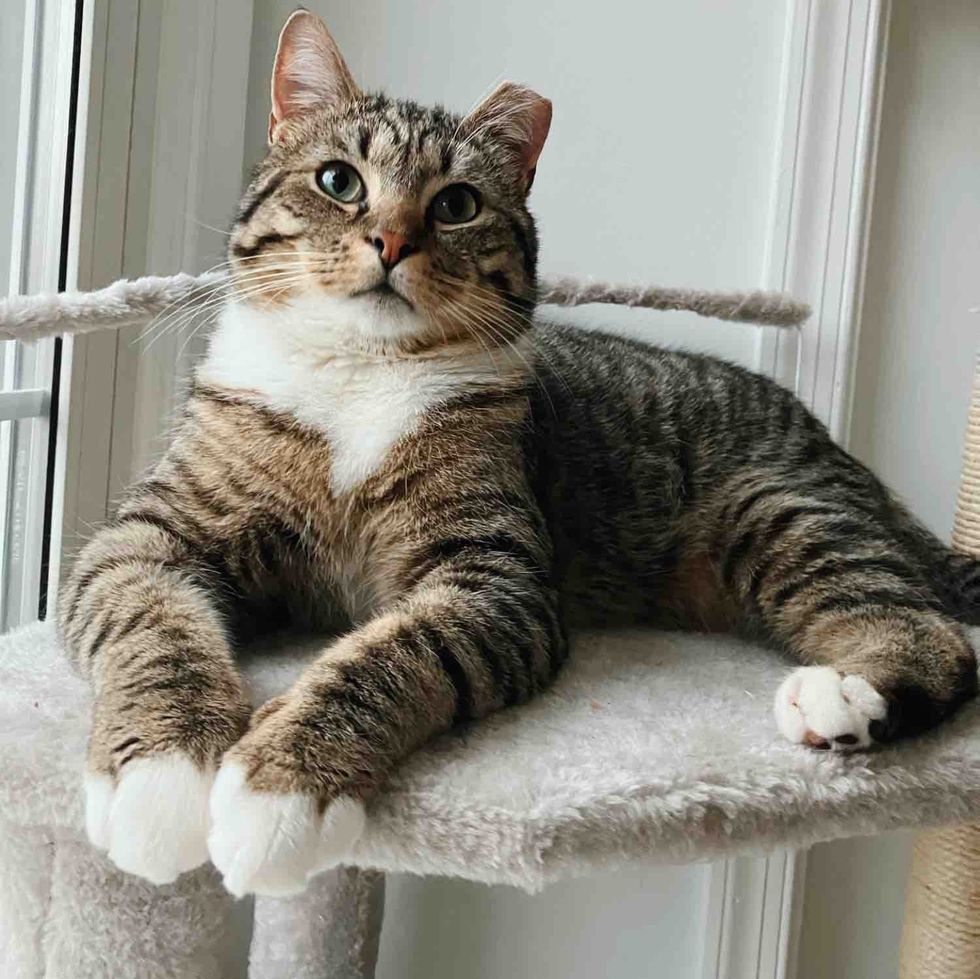
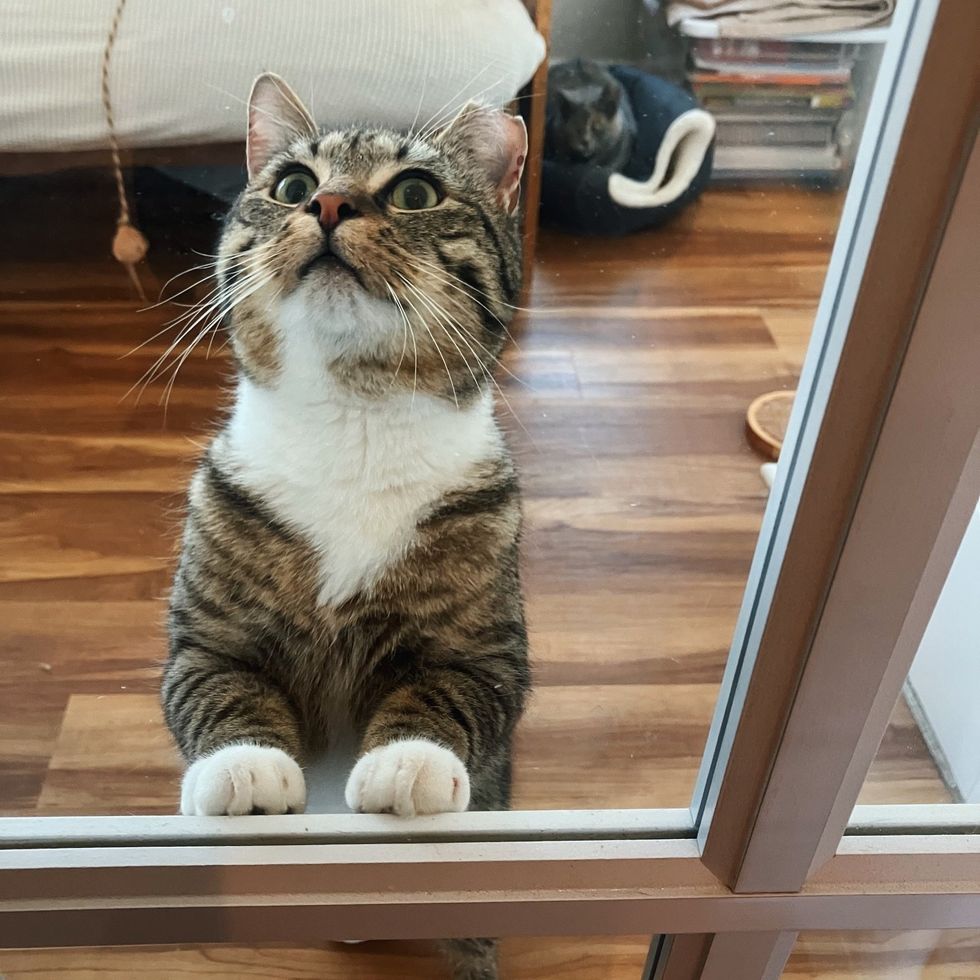
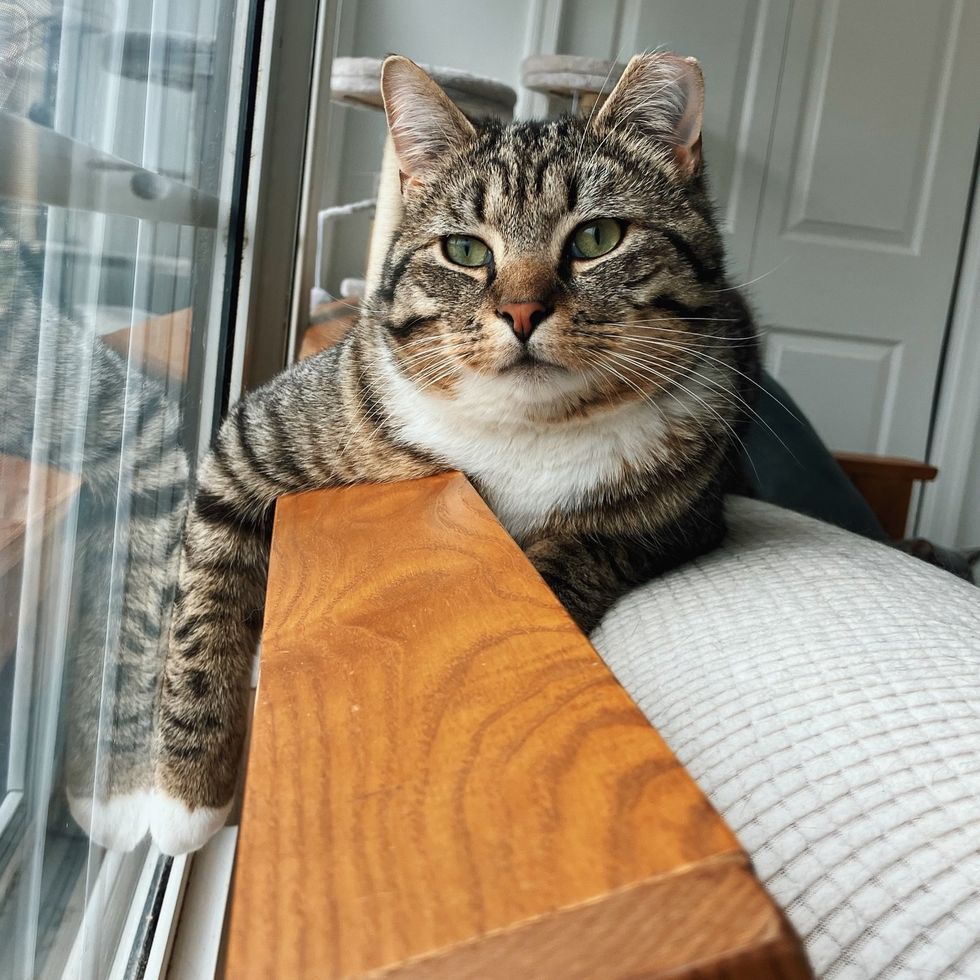
A tabby named Wilbur was found wandering the streets of a neighborhood in DC. From the beginning, it was clear he was never meant for life outdoors.

The team at Tails High, an all-volunteer rescue, saw just how friendly and gentle he was and knew he deserved a loving home. “This sweet, affectionate boy belonged somewhere soft, safe, and surrounded by love,” the rescue shared.

A volunteer who lived a few blocks from where Wilbur was rescued offered to foster him.

snuggly tabby cat @poohlovestigger

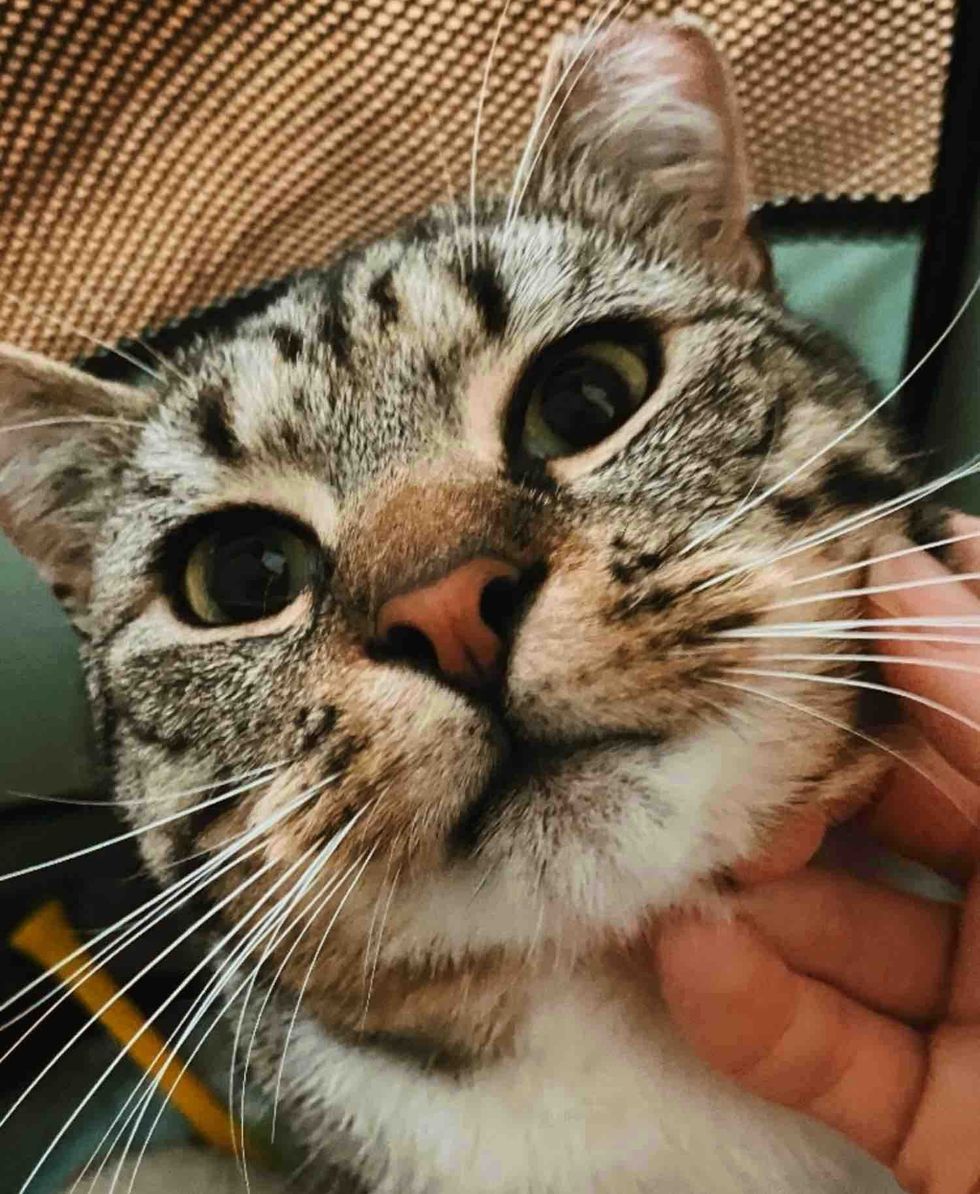
While Wilbur waited for his test results, his foster mom set up a cozy playpen for him in the foster room. He quickly settled in, purring nonstop as he soaked up every bit of affection she gave him. “Wilbur is a total sweetie pie, and he loves being pet,” she said.

Not far from his setup was another foster cat who was curious and eager to meet him.

cuddly tabby cat @poohlovestigger

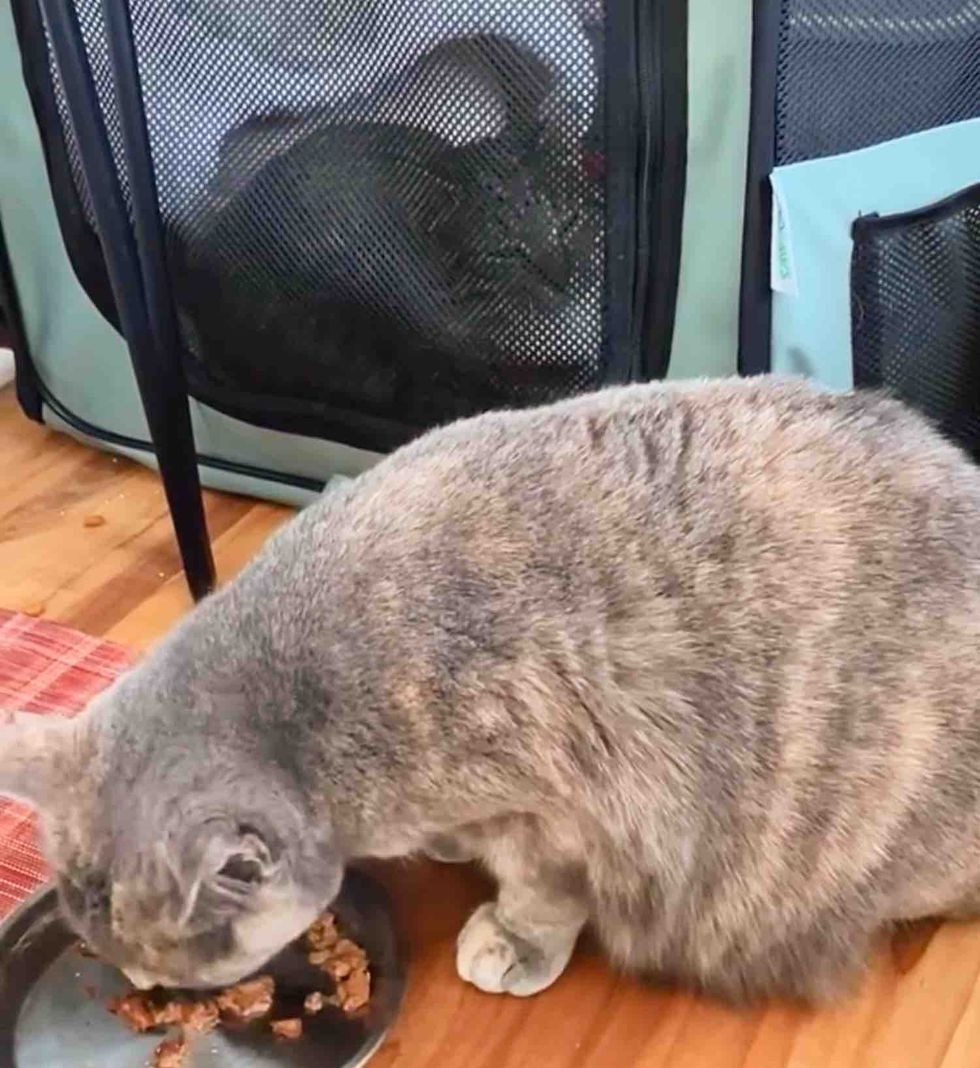
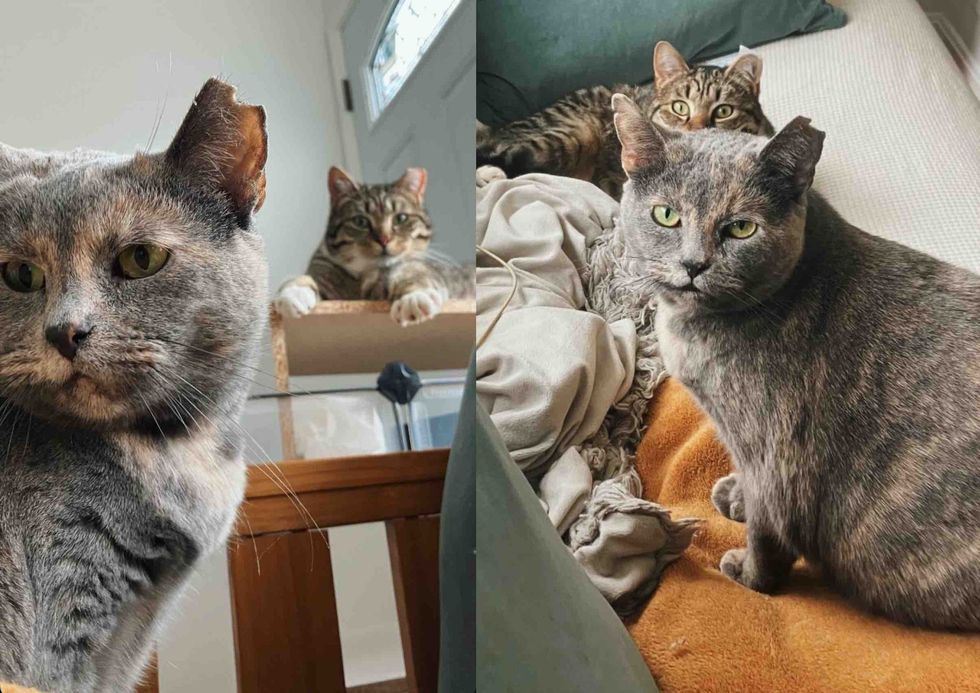
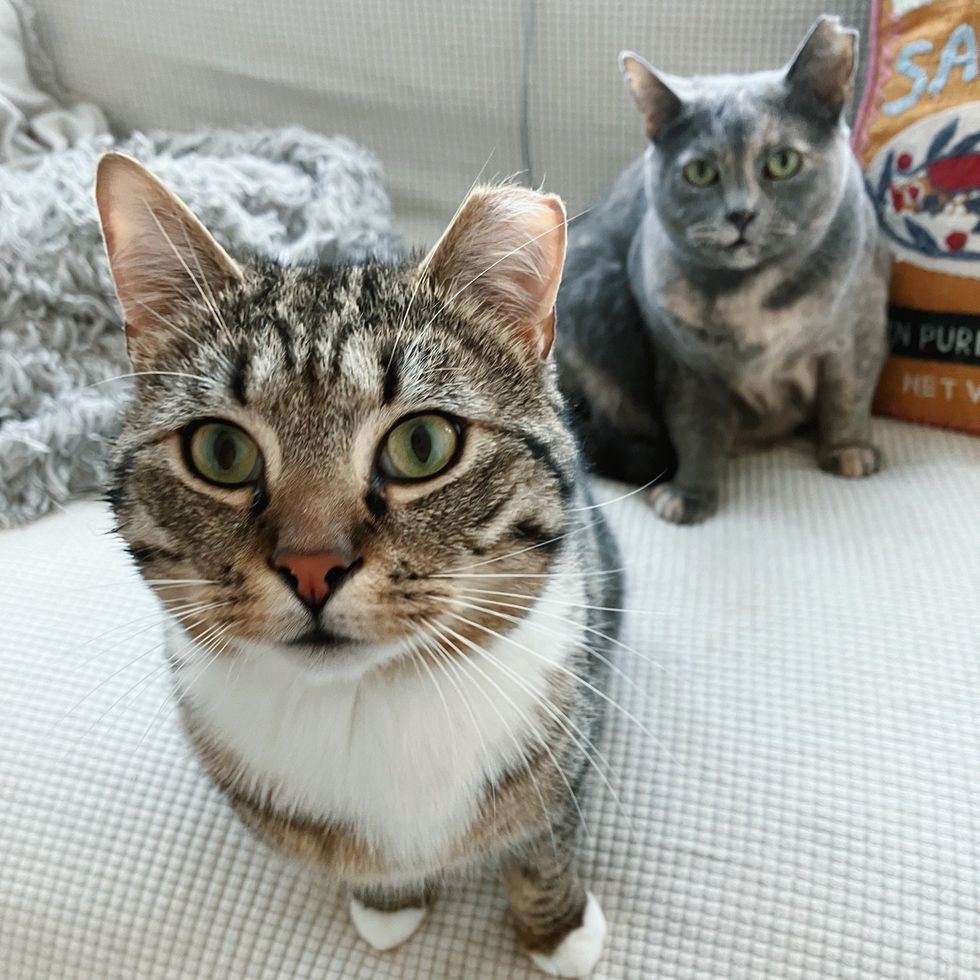
Wanda, a dilute tortie, had recently arrived after raising a litter of kittens. Although all of her babies had found homes, Wanda remained in foster care, still learning to trust people.

She was shy around humans, but she adored other cats. Wanda greeted Wilbur through the playpen and even ate her meals nearby, as if the two had known each other forever.

cat friends foster room @poohlovestigger

Wilbur was thrilled to have another cat around. Once he was medically cleared, he wasted no time befriending Wanda, and the two quickly became roommates.

Wanda watched as he played with bursts of kitten-like energy. “She keeps him in check when his playful energy gets a little over the top, and he absolutely adores her for it,” the rescue shared.

curious playful tabby cat @poohlovestigger

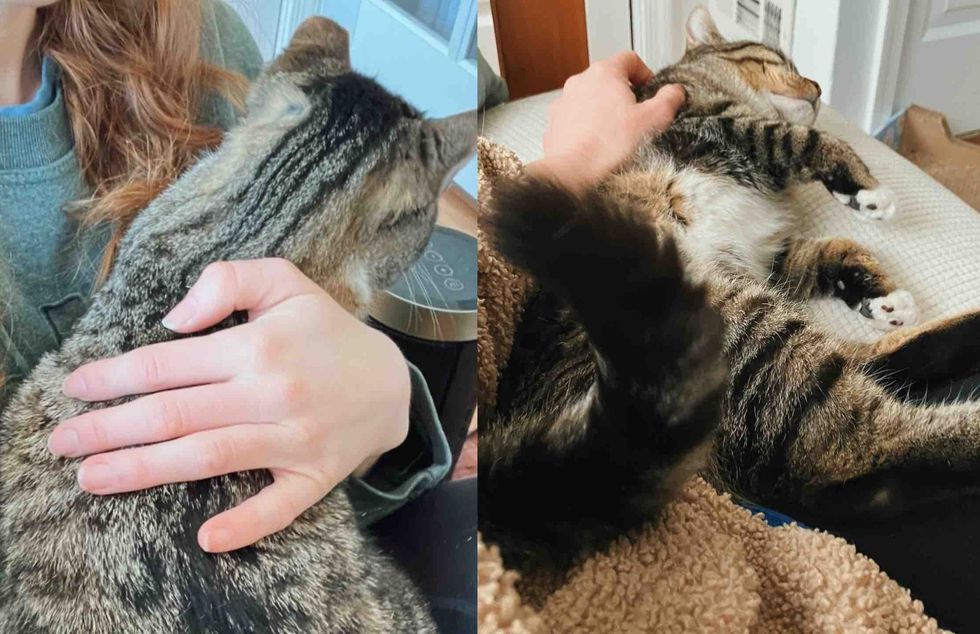
Once Wilbur was fully integrated into the foster room, he rolled around beside his foster mom in pure delight.

He embraced indoor life like he’d been waiting for it all along. “He is equal parts playful and snuggly. He’ll carry his toys around like prized possessions, leave you little ‘gifts,’ and then melt into your arms like he’s been yours forever.”

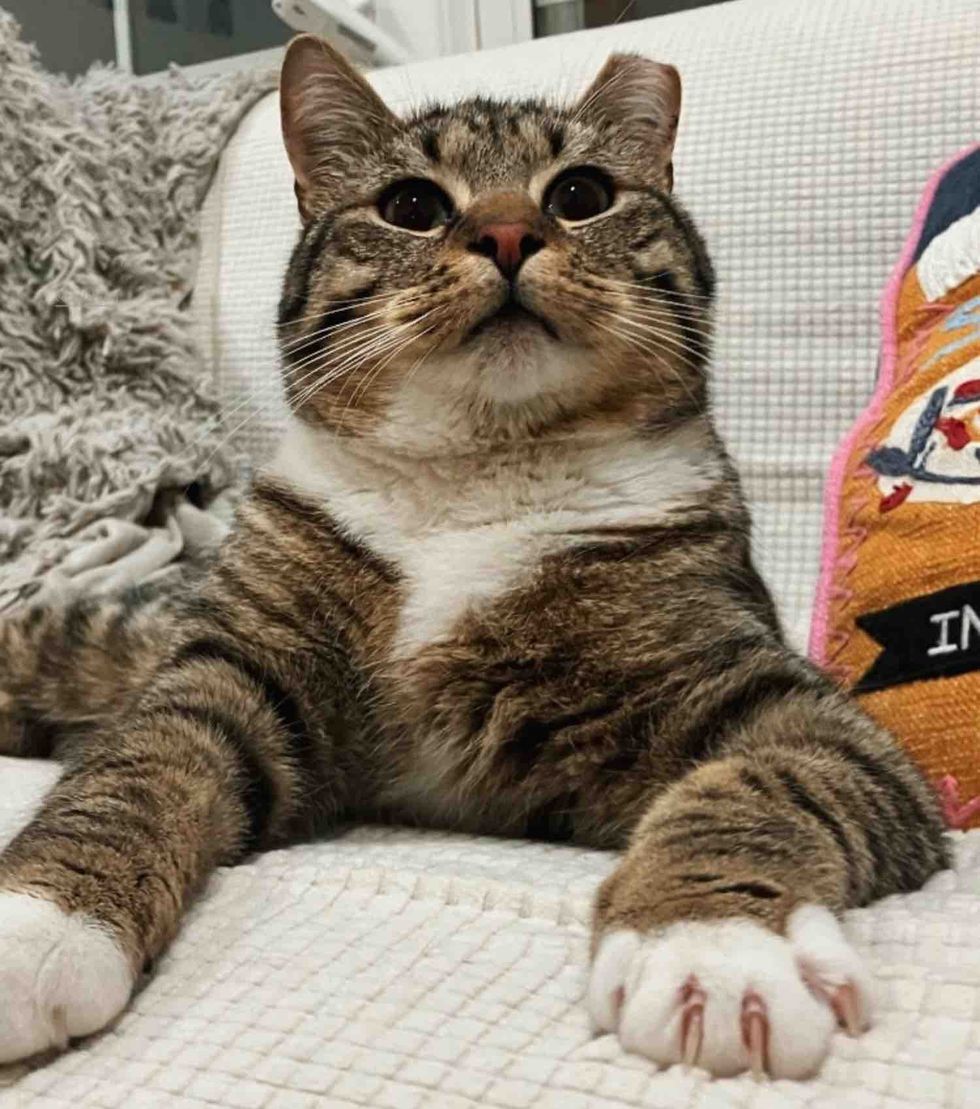
couch tabby cat @poohlovestigger

As time went on, Wilbur and Wanda’s friendship grew sweeter. They began sharing toys, taking turns at the window, and lounging side by side on the couch like old pals. Along the way, Wilbur seemed to help Wanda realize just how comforting human affection could be.

Little by little, Wanda started leaning into pets and snuggles, even climbing into her foster mom’s lap for the first time.

cat friends roommates Wanda and Wilbur@poohlovestigger

“Whether they’re chasing toys, sharing window-watching duties, or just hanging out together, Wilbur thrives with a feline friend.”

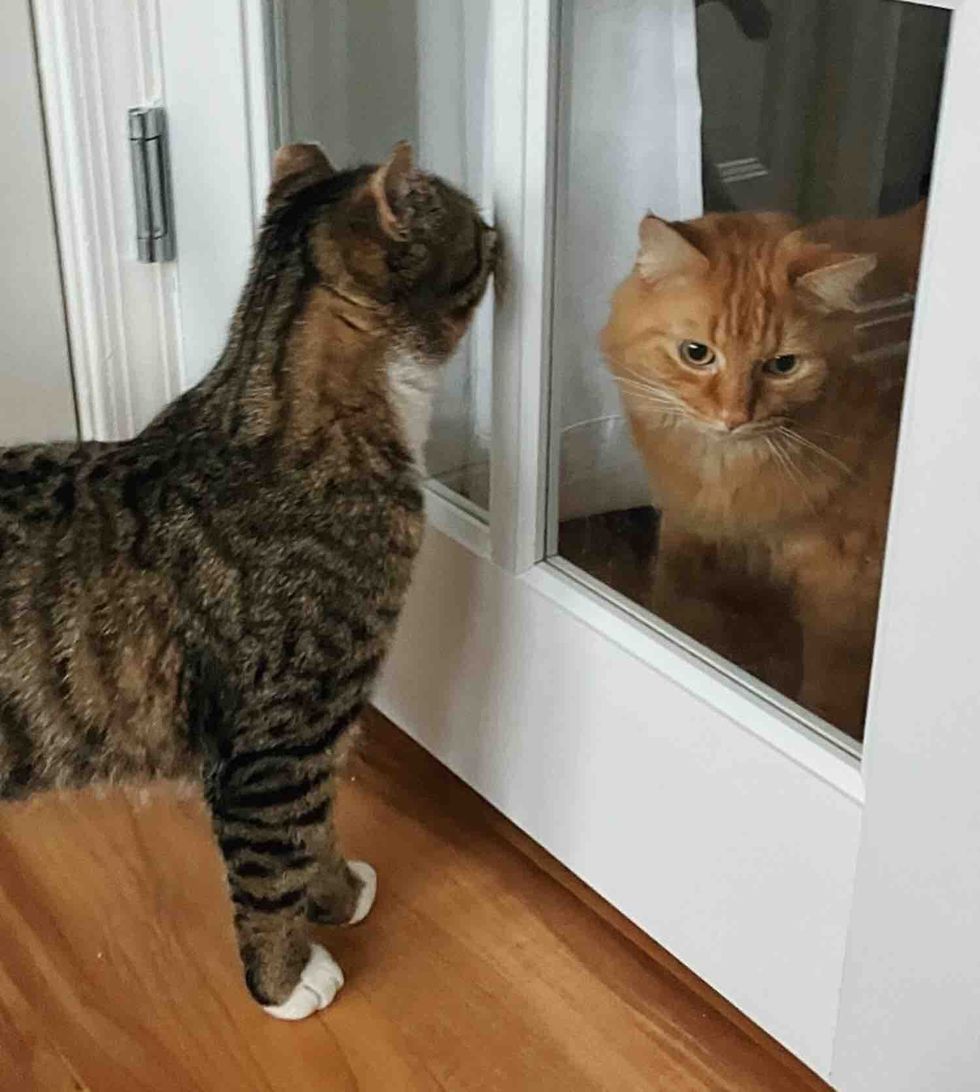
In just a few weeks, Wilbur has blossomed into a lovable social butterfly. He adores the resident cats and happily offers them cheek rubs through the door. “He thinks he’s ready to join the big boys club.”

cat friends meeting Wilbur and Tigger@poohlovestigger

Whenever his foster mom sits down, Wilbur comes over for a cuddle. Sometimes, he even drops toys into the food bowls—his own charming way of saying thank you. “He’s the kind of cat who wants to be part of everything you’re doing, whether that’s lounging on the couch or watching the world go by outside the window.”

“Wilbur is ready for adoption and waiting for someone to see just how special he is.”

tabby cat window watching @poohlovestigger

After spending so long wandering the streets, Wilbur is overjoyed to be safe indoors, to have a feline friend by his side, and to finally enjoy the cushy life he was always meant to have.

cat foster friends @poohlovestigger

Share this story with your friends. More on Wilbur, Wanda (in the DC area), and Tails High on Instagram @tailshigh and Facebook. Thanks to the foster mom @poohlovestigger.

Related story: Cat Follows His New Family from Room to Room, Guarding Them After Many Lonely Years Outside


Neakasa AirStep Odor-Eliminating Cat Litter Box Step Review 2026: Our Expert’s Opinion – Catster


This review was created in partnership with Neakasa, who compensated us for our time and editorial work. However, our opinions and ratings remain entirely our own—we only recommend products we genuinely believe in, and all assessments reflect our honest experience and testing.

Our Final Verdict

We give Neakasa AirStep Odor-Eliminating Cat Litter Box Step a rating of 4.9 out of 5 stars.

Effectiveness: 4.9/5

Features: 4.7/5

Build Quality: 4.8/5

Value: 5/5

For most cat owners, the battle against litter box odors is an endless one. It doesn’t seem to matter how good your litter is at absorbing odors, how often you scoop, or how much you spend on the newest automatic litter box; those odors always seem to find their way back.
This battle is precisely what Neakasa’s new AirStep Odor-Eliminating Cat Litter Box Step was created to put an end to, once and for all.

This multi-purpose cat box step not only catches litter to prevent tracking, but it also features a powerful built-in air purifier to trap odors before they wage war against the air in your home. With a high-density activated carbon filter, multiple fan settings, and an incredibly useful design, this litter box step goes beyond functional.

My cat, Makoa, and I had a chance to put this revolutionary purifying litter box step to the test. Keep reading for my full Neakasa AirStep review and find out if this really is the secret weapon you need to win the war against litter box odors.

Neakasa AirStep Odor-Eliminating Cat Litter Box Step Review 2026: Our Expert’s Opinion – Catster

Why Litter Box Odors Are so Hard to Defeat

If your litter box leaves a lingering (and embarrassing) “catty” odor in your home, don’t blame yourself. You, like every other cat owner out there, were set up for failure from the start. Why? Because cat excrement odor is notoriously hard to deal with.

It starts with the concentration. Domestic cats are descended from desert felines that had to conserve every nutrient and drop of water, which means their urine and feces are highly concentrated. Translation: your cat’s pee and poop are much smellier than those of the average animal.
Worse still, that smell only grows after your cat goes to the bathroom. Urea in cat urine breaks down into ammonia due to bacterial activity. This is the compound that makes your eyes water when you scoop the litter box. And no matter how good your litter is at clumping and absorbing moisture, this potent stink will escape into the air as a gas.

Cat urine also contains uric acid, which, over time, crystallizes. These microscopic crystals bind to surfaces and are difficult to remove. They are especially prone to making their way into the porous surface of plastic (hello, every litter box ever made!) and into the scratch marks your cat leaves behind.

All this is to say that, unless you dump your litter box and clean it with an effective enzymatic cleaner after every use, you will have lingering odors that will escape into the air. You can invest in all the best auto-boxes and odor-absorbing litters you want, but unless you clean the air, those odors will prevail.

divider cats oct 2024

About the Neakasa AirStep Odor-Eliminating Cat Litter Box Step

Neakasa AirStep Odor-Eliminating Cat Litter Box Step Review 2

Cleaning the air around your litter box is exactly what the Neakasa AirStep was created to do. The high-iodine activated carbon filter absorbs 95% of ammonia, 99% of acetic acid, and 98% of hydrogen sulfide (the rotten eggs stench common to cat feces).

Unlike traditional home air purifiers, this one is designed for use with cat litter boxes. The step shape makes it functional and easy to place right next to the source of the problem, while additional features—like the litter catching grate—make it far more useful than other purifiers.
This highly useful litter box step is compatible with almost all automatic and manual litter boxes. It features three fan settings for continual use and targeted purification. Most impressive of all, it doesn’t cost much more than most litter-catching cat steps, but it does so much more.

Who Makes the Neakasa AirStep and Where Is it Produced?

Neakasa is a smart home accessories company with a focus on pet products and cleaning solutions. They are based in Shenzhen, with offices around the world.

Which Type of Cats Is the AirStep Best Suited For?

The AirStep works with almost all types of litter boxes, including automatic models.

The air-purifying features are effective regardless of whether your cat uses the step to get into their litter box. However, the litter catching component only works if your cat steps down onto the AirStep after doing their business. In other words, if you have an open litter box that your cat can jump out of in all directions, don’t expect this feature to live up to expectations.

Owners of cats of all types and ages will benefit from the purifying component, as all cats, whether we admit it or not, are stinky when they do their business.

divider cat faces 2 oct 2024

Neakasa AirStep Odor-Eliminating Cat Litter Box Step Product Specs (the boring bits)

Odor-Fighting Filter

The Neakasa AirStep features a large filter to help capture odors, dust, and hair.

The filter is encased in a fine mesh to catch larger particles and features 230 grams of high-iodine activated carbon to capture odors. High-iodine carbon has extra pores that increase its surface area and help it grab onto more odor-causing gases.
Rather than “absorbing” odors like litters do (a process that allows much of the gaseous odors to escape), activated carbon “adsorbs” odors. That “d” is an important distinction. It means the carbon grabs and holds onto gaseous odors via chemical bonding, preventing them from escaping.

This filter lasts up to three months under most conditions, though multi-cat households may need to replace it every two months.

Features

The AirStep features a relatively simple interface. The front control panel has two buttons: a power button and a fan speed control.

There are three fan speeds for the purifier: low, medium, and high. There are no timers, movement sensors, or automatic functions. Rather, this device is meant to be used as a set-and-forget accessory with the option to crank up the purifying power manually when needed.
In addition to the purifier, the step also features a grate that helps capture stray litter particles stuck to your cat’s paws before they get transferred to the floor. This grate is easy to remove, and the surface below features a removable catch cup to make disposing of the wandering litter a breeze.

Lastly, this cat box step also does what all cat box steps do: make it easier for your cat to get in and out of the litter box. This is especially helpful if you have a tall automatic litter box (like the Neakasa M1) or have a kitten or older cat who needs a little help.

Size, Noise Output, and Energy Use

The AirStep is 17 inches end-to-end, 12 inches across, and 6 inches tall.

The marketing material for this product claims a noise output of 40 dB. According to my measurements, the low setting averages around 35 dB, while the highest fan setting peaks at just over 50 dB. On low, the hum is noticeable in silence, but quickly fades into the background when any additional noise is present.

According to my tests, at low speed, the AirStep uses about 1.09 watts, which equates to an average monthly energy cost of about 12 cents if you leave it running continuously. Even if left on high continuously, this purifier is fairly cheap to operate. At the highest setting, it uses about 3.64 watts on average, which equates to about 40 cents extra on your energy bill per month.

Comparison

Not surprisingly, this innovative product currently stands alone in the market. With no other purifying cat litter box steps to compare it to, here is how the AirStep stands up to the leading pet air purifier and the leading litter box step.

Neakasa AirStep Leading Litter Box Step Leading Litter Box Air Purifier
Price: $$ $$ $$$$
Features: High-iodine activated carbon filter, stray litter catch with removable grate, 6-inch step Stray litter catch, 4.5-inch step Professional modified activated carbon H13 filter
Compatibility: Works with all litter box types Works with most litter box types On-floor design to sit next to all litter box types

divider cat faces 2 oct 2024Our Experience with the Neakasa AirStep

Neakasa AirStep Odor-Eliminating Cat Litter Box Step Review 7

I had never heard of such a thing as a purifying cat litter box step before this one arrived on my doorstep. Now, after having used the Airscape for over a week, my only question is: Why didn’t someone think of this sooner!

It is such a brilliant, functional, and effective product. But before I get ahead of myself, let me tell you how I tested and used the Airscape to come to this conclusion.

When the AirStep arrived, my cat, Makoa, was immediately curious. Luckily, it was incredibly easy to set up and get working. No assembly was required, and one of the biggest complaints in other reviews—threading the cord under the step—had already been taken care of for me.
I set it in front of Makoa’s automatic litter box and plugged it in.

At low speed, the purifier emits a quiet, consistent hum that fades quickly into the background. I left it running at this speed for the duration of the week, except for one ten-minute episode after an especially stinking bathroom trip by my otherwise perfectly gentlemanly cat.
The AirStep “disposed” of that odorous evidence quickly—much more quickly, in fact, than the exhaust fan in the room typically does.

Outside of that moment, I didn’t notice a single foul odor coming from the litter box the entire week. That lingering, stale, urine smell that my litter box has developed after way too long between deep cleans? Gone. In fact, the litter box room may now be the freshest-smelling room in my house!

Makoa had no problem using the step to get into his litter box, and the amount of litter caught in the grate after a week tells me he happily used it to get out as well. However, it is worth noting that when he isn’t using the litter box, he goes out of his way to avoid stepping on the step. I think the grate is not quite as soft and cushy as his little paws prefer.

The step seemed to do a good job catching the litter, as I didn’t notice nearly as many stray granules on the floor as usual.

Under the removable grate is a flat surface with a removable cup in the center of one end. When I first saw this, I wondered whether the purifier’s vibrations might scatter the litter into the cup over time. After a week, I can tell you this is not the case.

Rather, I believe the cup is there so you can sweep the scattered litter into it and then dispose of it. If only the AirStep came with a tiny broom!

But overall, I am very happy with this product.

The step/litter catch function works well enough as long as your cat actually uses it instead of jumping straight out of the litter box onto the floor (as noted in some other reviews). But the real reason to get this is for the air-purifying effects.

The purifier works exceptionally well, uses very little energy, and, unlike other purifier options, can be placed right up next to the litter box opening for maximum effectiveness. Best of all, it integrates seamlessly into the litter box setup, providing a functional step without taking up extra floor space.

I highly recommend this product for anyone who is sick of battling litter box odors.

divider cat faces 2 oct 2024

Frequently Asked Questions (FAQ)

Where should I place the AirStep?

Simply place the AirStep in front of the opening to your litter box. If you have an open box, it may be worth getting a guard or otherwise blocking off the sides to force your cat to use the step. Be sure the wall of your litter box does not block the intake vents at the back of the step (you may need to leave a slight gap between).

Should I leave the AirStep on at all times?

The AirStep is most effective when left on continuously. Most of the lingering odors from cat boxes come not from the waste itself, but from the breakdown of waste material, especially the traces left behind after scooping. The energy consumption of this product is incredibly low, even when left running continuously.

Neakasa AirStep Odor-Eliminating Cat Litter Box Step Review 8

divider cat faces 2 oct 2024

Conclusion 

If you’ve tried better litter, the best cat boxes, and all the odor absorbers on the market and are still battling lingering litter odors, the AirStep is for you.

This functional, effective, and well-designed litter box step with a powerful built-in purifier neutralizes lingering gaseous odors that other cat litter products fail to capture. Best of all, it is inexpensive to run, easy to integrate into your litter box setup, and doesn’t cost much more than the leading litter box step (which, for the record, has zero odor-eliminating features).


Two Adorable Eaglets Hatch Amid Battle To Save Their Moon Camp Habitat – World Animal News


Two Adorable Eaglets Hatch Amid Battle To Save Their Moon Camp Habitat – World Animal News


Exciting news for one of America’s most beloved bald eagle pairs, Jackie and Shadow. According to Friends of Big Bear Valley (FOBBV), on April 5 at 8:30:45 AM cam time, Chick #2 hatched, joining their sibling during the chick’s first feeding. Early feedings can be tricky for these tiny “bobbleheads,” but Jackie’s saliva, rich in electrolytes and antibodies, helps give the chicks a strong start. Shortly after, Shadow arrived to meet his two new eaglets and immediately jumped into daddy duty. Both chicks are thriving, looking healthy, and ready for the journey ahead.

While this joyful moment is being celebrated by fans around the world, Moon Camp, vital habitat located less than a mile from Jackie and Shadow’s nest, remains under threat from development. This area is essential for foraging and perching and is currently slated for potential housing and marina construction, which wildlife experts warn could cause significant harm to the bald eagles and the local ecosystem.

In response, Friends of Big Bear Valley (FOBBV) and San Bernardino Land Trust have launched one of their most ambitious efforts yet: a $10 million fundraiser to purchase nearly 63 acres of Moon Camp and permanently protect it as wildlife habitat. This land would be added to adjacent United States Forest Service property to ensure it remains wild and undisturbed.

The San Bernardino Land Trust now holds a limited Purchase Option Agreement, but time is running out. The full amount must be raised by July 31, 2026, or the property could be developed. Conservationists emphasize the urgency of acting now to secure this habitat, not only for Jackie and Shadow, but for countless other species that depend on the unique Big Bear Valley ecosystem.

Recent updates show meaningful progress. The campaign has raised almost $1.7 million toward its $10 million goal, but much more is needed in the coming months.

Jackie and Shadow’s two eaglets represent new hope and life in Big Bear Valley. But without protection of their foraging grounds and surrounding forests, their future and the future of this richly biodiverse area could be in jeopardy.

Please support the Save Moon Camp campaign today. Every donation helps safeguard critical habitat from development and ensures that this treasured landscape remains a protected home for wildlife.

Donate today at: SaveMoonCamp.org


Bark Brand Dog Toys: Everything You Need to Know About Keeping Your Pup Happy and Entertained


Let’s be real – dogs need toys. It’s not just about keeping them entertained while you’re binge-watching your favorite show (though that’s definitely a bonus). Dog toys are essential for your furry friend’s physical health, mental stimulation, and overall happiness. And when it comes to quality dog toys that actually deliver on their promises, Bark Brand stands out from the crowd. Whether you’ve got a tiny Chihuahua or a massive Great Dane, Bark Brand has something that’ll make your dog’s tail wag with pure joy.

In this comprehensive guide, we’re diving deep into everything you need to know about Bark Brand dog toys. We’ll explore what makes them special, the different types available, how to choose the right ones for your pup, and why so many dog owners swear by them. So grab a cup of coffee, get comfortable, and let’s talk about making your dog’s playtime absolutely amazing.

Why Dog Toys Matter More Than You Think

Before we jump into the specifics of Bark Brand, let’s talk about why dog toys are so important in the first place. Your dog isn’t just playing when they’re chewing on a toy or fetching a ball – they’re actually engaging in crucial developmental and behavioral activities.

Physical Exercise and Health Benefits

Dogs need physical activity to stay healthy, and toys are one of the best ways to encourage movement. When your dog is playing with toys, they’re burning calories, building muscle, and keeping their cardiovascular system in top shape. This is especially important for dogs that spend a lot of time indoors. A dog that gets regular playtime with toys is less likely to develop obesity, which can lead to serious health problems like diabetes and joint issues.

Interactive toys that require your dog to chase, fetch, or tug are particularly great for getting your pup moving. Even just 20-30 minutes of active play with toys can make a huge difference in your dog’s overall fitness level.

Mental Stimulation and Cognitive Development

Here’s something a lot of people don’t realize: dogs get bored. And a bored dog is often a destructive dog. When dogs don’t have enough mental stimulation, they might start chewing on your furniture, digging holes in your yard, or engaging in other destructive behaviors. Toys, especially puzzle toys and interactive ones, provide the mental challenge that dogs crave.

Puzzle toys that require your dog to figure out how to get treats out of them are fantastic for keeping their brain engaged. These toys can help prevent cognitive decline as your dog ages and can reduce anxiety and stress. It’s like giving your dog a workout for their mind, and a mentally tired dog is often a well-behaved dog.

Behavioral Benefits and Stress Relief

Playing with toys helps dogs manage stress and anxiety. If your dog gets anxious when you leave the house, a good toy can help ease that separation anxiety. Chewing, in particular, has a calming effect on dogs and can help them relax. Toys also give dogs an appropriate outlet for their natural instincts – like chewing and hunting – which helps prevent them from directing those instincts toward things you’d rather they didn’t chew on.

Bonding and Social Development

Playing with toys together is a great way to bond with your dog. Whether you’re playing fetch, tug-of-war, or just watching your pup enjoy a toy, you’re strengthening your relationship. Toys also help dogs learn important social skills, especially if you have multiple dogs in your household.

What Makes Bark Brand Stand Out

Now that we’ve established why toys are important, let’s talk about what makes Bark Brand such a popular choice among dog owners. There are literally thousands of dog toy brands out there, so what’s the deal with Bark Brand?

Quality and Durability

One of the biggest complaints about cheap dog toys is that they fall apart after a few days of play. You buy a toy, your dog plays with it for a week, and suddenly it’s in pieces. Not only is this wasteful, but it can also be dangerous if your dog ingests pieces of the toy. Bark Brand toys are built to last. They use high-quality materials that can withstand even aggressive chewers.

The construction of Bark Brand toys is thoughtful and durable. Whether it’s the stitching on a plush toy or the rubber on a chew toy, you can tell that quality was a priority during manufacturing. This means you’re getting better value for your money in the long run because you won’t need to replace toys constantly.

Safety Standards

When you’re buying toys for your dog, safety should be a top priority. Bark Brand takes this seriously. Their toys are designed with safety in mind, using non-toxic materials and avoiding small parts that could be choking hazards. They also conduct rigorous testing to ensure their toys meet safety standards.

If you have a dog that’s an aggressive chewer, you want to know that the toy they’re destroying isn’t going to harm them if they ingest small pieces. Bark Brand’s commitment to safety gives you peace of mind when your dog is playing.

Variety and Innovation

Bark Brand isn’t just making the same old tennis balls and rubber bones. They’re constantly innovating and creating new toys that appeal to different dogs and different play styles. Whether your dog likes to fetch, chew, tug, or solve puzzles, Bark Brand has something for them.

They also pay attention to what dog owners are asking for and respond with new products. This means they’re staying relevant and meeting the actual needs of dogs and their owners, rather than just churning out generic toys.

Affordability

Despite their high quality, Bark Brand toys are reasonably priced. You don’t have to break the bank to get quality toys for your dog. This makes it easier for dog owners to provide a variety of toys without feeling like they’re spending a fortune.

Types of Bark Brand Dog Toys

Bark Brand offers a wide range of toys designed for different play styles and preferences. Let’s break down the main categories.

Plush Toys

Plush toys are soft, cuddly toys that many dogs love. Bark Brand’s plush toys come in various shapes and sizes, from simple stuffed animals to more complex designs with squeakers and crinkle sounds. These toys are great for dogs that like to carry toys around, snuggle with them, or play gently.

The plush toys from Bark Brand are made with durable stitching and high-quality fabric that can withstand regular play. Many of them have reinforced seams to prevent them from falling apart. Some plush toys also have multiple squeakers or crinkle elements to keep dogs engaged.

One thing to note about plush toys is that they’re best for dogs that don’t aggressively destroy toys. If your dog is the type to tear apart a plush toy in minutes and swallow the stuffing, you might want to supervise playtime or choose a different type of toy.

Rubber and Chew Toys

For dogs that love to chew, rubber and chew toys are essential. Bark Brand offers a variety of these, from simple rubber bones to more complex designs with ridges and textures. These toys are designed to withstand heavy chewing and can help keep your dog’s teeth clean and healthy.

Rubber toys are also great for dogs with anxiety because the act of chewing can be very soothing. Many of these toys are also designed to be long-lasting, so you won’t need to replace them constantly. Some rubber toys can also be filled with treats or peanut butter, adding an extra layer of engagement.

Fetch and Ball Toys

If your dog loves to fetch, Bark Brand has plenty of options. From classic tennis balls to innovative fetch toys with unique shapes, there’s something for every fetch-loving pup. These toys are designed to be easy for dogs to pick up and carry, and they’re durable enough to handle repeated throwing and fetching.

Some of Bark Brand’s fetch toys have special features like squeakers or crinkle sounds that make them more engaging. Others are designed with aerodynamics in mind to fly through the air in interesting ways that keep dogs entertained.

Tug Toys

Tug toys are great for interactive play between you and your dog. Bark Brand offers a variety of tug toys in different sizes and materials. These toys are designed with strong handles so you can get a good grip, and they’re made from durable materials that can handle the pulling and tugging.

Playing tug-of-war with your dog is a great way to bond and provide physical exercise. It’s also a natural behavior for dogs, so tug toys give them an appropriate outlet for this instinct. Just make sure you’re using proper technique when playing tug – you want to let your dog win sometimes to keep them engaged and happy.

Puzzle and Interactive Toys

Puzzle toys are fantastic for mental stimulation. These toys require your dog to figure out how to get treats out of them, which engages their problem-solving skills. Bark Brand offers various puzzle toys with different difficulty levels, so you can choose one that’s appropriate for your dog’s intelligence level.

Interactive toys might include treat-dispensing balls, puzzle boards, or toys that require your dog to manipulate them in specific ways to access treats. These toys are particularly great for dogs that get bored easily or have anxiety issues.

Squeaky Toys

Many dogs love the sound of squeaky toys. Bark Brand offers a variety of squeaky toys in different shapes and sizes. The squeaking sound mimics the sound of prey, which appeals to dogs’ natural hunting instincts. These toys are great for dogs that like auditory stimulation during play.

Squeaky toys from Bark Brand are designed with durable squeakers that won’t break easily, and the toys themselves are made from tough materials that can handle the repeated squeezing that comes with play.

Choosing the Right Bark Brand Toy for Your Dog

With so many options available, how do you choose the right toy for your specific dog? Here are some factors to consider.

Consider Your Dog’s Size

Size matters when it comes to dog toys. A toy that’s perfect for a large dog might be a choking hazard for a small dog, and a toy designed for a small dog might be too small to be interesting to a large dog. Bark Brand offers toys in various sizes, so make sure you’re choosing one that’s appropriate for your dog’s size.

As a general rule, the toy should be large enough that your dog can’t swallow it whole. If you can fit the entire toy in your dog’s mouth, it’s probably too small.

Think About Your Dog’s Play Style

Does your dog like to fetch? Chew? Tug? Solve puzzles? Understanding your dog’s preferred play style will help you choose toys they’ll actually enjoy. If your dog has never shown interest in fetch, buying a bunch of fetch toys probably isn’t the best use of your money.

Pay attention to what your dog naturally gravitates toward. Do they like to carry things around? Do they love to chew? Are they food motivated? These observations will help you choose toys that your dog will actually use and enjoy.

Consider Your Dog’s Chewing Habits

Some dogs are gentle with toys, while others are aggressive chewers that destroy toys in minutes. If you have an aggressive chewer, you’ll want to choose toys that are specifically designed to withstand heavy chewing. Bark Brand has options for both gentle players and aggressive chewers, so you can find something appropriate for your dog’s chewing style.

Aggressive chewers should probably avoid plush toys and stick with rubber or nylon chew toys. You should also supervise playtime with toys that could potentially be destroyed and ingested.

Think About Your Dog’s Age

Puppies have different toy needs than adult dogs, and senior dogs might have different preferences too. Puppies are teething and need toys that are safe for their developing teeth. Adult dogs might prefer more challenging toys, while senior dogs might prefer softer, gentler toys that are easier on their aging joints and teeth.

Bark Brand offers toys suitable for different life stages, so consider your dog’s age when making your selection.

Consider Your Dog’s Personality and Preferences

Just like people, dogs have individual preferences. Some dogs are toy-obsessed, while others couldn’t care less about toys. Some dogs like toys with squeakers, while others find them annoying. Some dogs love plush toys, while others prefer rubber.

The best way to figure out what your dog likes is through trial and error. Start with a few different types of toys and see what your dog gravitates toward. Once you know their preferences, you can choose Bark Brand toys that match those preferences.

How to Introduce Your Dog to New Toys

Getting a new toy is exciting, but it’s important to introduce it properly to your dog. Here’s how to do it.

Start with Supervised Play

When you first give your dog a new toy, supervise their play. This allows you to make sure the toy is safe and that your dog isn’t trying to destroy it or ingest pieces of it. It also gives you a chance to see how your dog interacts with the toy and whether they actually like it.

Make It Exciting

Dogs are more likely to be interested in a toy if you make it exciting. Play with the toy yourself, throw it around, or use it in a game. Your enthusiasm will be contagious, and your dog will be more likely to want to play with it too.

Use Positive Reinforcement

If your dog shows interest in the toy, praise them and reward them. This positive reinforcement will help them associate the toy with good things and make them more likely to play with it in the future.

Rotate Toys

If you have multiple toys, rotate them. Put some away and bring out others. This keeps toys feeling fresh and exciting. A toy that your dog ignored last week might be their favorite this week if you bring it back out after a break.

Don’t Force It

If your dog doesn’t like a particular toy, that’s okay. Not every dog will like every toy. Don’t force your dog to play with a toy they’re not interested in. Instead, try a different type of toy.

Maintaining and Cleaning Bark Brand Toys

To keep your dog’s toys safe and hygienic, it’s important to maintain and clean them regularly.

Regular Inspection

Regularly inspect your dog’s toys for signs of damage. Look for tears, loose stitching, or pieces that are coming off. If a toy is damaged, remove it from your dog’s play area. A damaged toy can be a choking hazard or could cause intestinal blockages if your dog ingests pieces of it.

Cleaning Methods

Different types of toys require different cleaning methods. Plush toys can usually be machine washed on a gentle cycle or hand washed. Rubber toys can be washed with warm soapy water and a brush. Some toys might be dishwasher safe – check the manufacturer’s instructions.

Regular cleaning helps prevent the buildup of bacteria and keeps toys smelling fresh. It’s a good idea to clean toys at least once a week, or more frequently if your dog plays with them a lot.

Storage

Store toys in a clean, dry place. A toy box or basket works great. Make sure the storage area is away from direct sunlight and moisture, which can degrade the materials over time.

Replacement

Even with good care, toys will eventually wear out and need to be replaced. When a toy is no longer safe or is no longer engaging to your dog, it’s time to retire it and get a new one. This is actually a good thing because it means you can introduce new toys and keep your dog’s playtime fresh and exciting.

The Benefits of Rotating Toys

Speaking of rotating toys, let’s talk about why this is such a great strategy.

Keeps Toys Feeling Fresh

When your dog plays with the same toys every day, they eventually get bored with them. By rotating toys, you can make toys feel new and exciting again. A toy that your dog ignored last month might be their favorite toy this month if you bring it back out after a break.

Reduces Boredom and Destructive Behavior

A bored dog is more likely to engage in destructive behavior. By rotating toys, you’re constantly providing new stimulation, which helps prevent boredom and the destructive behaviors that come with it.

Extends the Life of Toys

When toys are constantly in use, they wear out faster. By rotating them, you’re giving each toy a break, which can extend its lifespan. This means you’ll need to replace toys less frequently, saving you money in the long run.

Helps You Identify Your Dog’s Favorites

By rotating toys, you’ll start to notice which toys your dog gravitates toward most. These are the toys you might want to prioritize when buying new ones, and they’re the toys you might want to have available more often.

Bark Brand Toys for Different Dog Breeds

Different dog breeds have different needs and preferences when it comes to toys. Let’s look at some recommendations for different types of dogs.

Large Breed Dogs

Large breed dogs need toys that are big enough to be interesting and durable enough to withstand their size and strength. Bark Brand offers large toys that are perfect for big dogs. Look for toys made from tough rubber or nylon that can handle aggressive chewing. Fetch toys should also be appropriately sized so they’re not too small for your large dog to carry.

Small Breed Dogs

Small breed dogs need toys that are appropriately sized so they’re not choking hazards. Bark Brand offers smaller toys that are perfect for tiny pups. These toys should still be durable, but they don’t need to be as heavy-duty as toys for large dogs. Small dogs often enjoy plush toys and toys with squeakers.

High-Energy Dogs

High-energy dogs need toys that provide plenty of stimulation and activity


Two Forgotten Puppies Cling to the Only Human They Trust | The Animal Rescue Site


This story was originally shared on The Animal Rescue Site. Submit your own rescue story here. Your story just might be the next to be featured on our blog!

Brook and Sarah’s story is one of survival, fear, and deep love.

Two Forgotten Puppies Cling to the Only Human They Trust | The Animal Rescue Site

Ferchichi Olfa

They were part of a litter of five abandoned puppies during the summer of 2025, in extreme heat that reached nearly 50°C (122°F). They were left near a trash area, surrounded by waste, while people threw random food like milk and scraps—nothing suitable for fragile puppies.

One by one, their siblings died until only Brook and Sarah were left.

I could not leave them behind.

Two light-colored puppies stand on a veterinary exam table in a clinic room, looking alert toward the camera.

Ferchichi Olfa

I took them into the house I rent for my rescued cats. For seven months, they lived in a safe environment, surrounded by animals and care. I vaccinated them, sterilized them, and gave them the chance to grow up with love. They bonded with cats, with a small poodle, and became deeply attached to me.

Everything changed when I was threatened by a neighbor because of my animals. Brook and Sarah witnessed that moment. Since then, they have been deeply affected.

Two cream-colored puppies stand on a purple patterned blanket in a car seat, one looking toward the camera with its tongue out.

Ferchichi Olfa

They are not aggressive. They are protective and afraid. When someone approaches me, they bark because they believe I am in danger.

For their safety, I had to move them to a boarding place with my other dogs. This transition has been very difficult for them. They were used to a home, to closeness, to feeling safe, and now they are trying to adapt.

Despite everything, they remain incredibly loyal and full of love.

Three dogs stand together in a leafy yard, including two light-colored dogs and one small shaggy white dog in the foreground.

Ferchichi Olfa

Brook and Sarah are ready to travel and can be adopted abroad. They need a patient and understanding family willing to give them time to feel safe again.

They may also benefit from guidance from a behaviorist to help them overcome their trauma. Any experienced support would mean a lot.

Two light-colored dogs wearing harnesses walk through a sunny grassy orchard with trees in the background.

Ferchichi Olfa

Today, I am caring for around 70 animals—cats and dogs—completely on my own. Every day is about making sure they are fed, safe, and cared for.

The financial pressure is constant, with ongoing costs for food, boarding, and veterinary care. I am doing everything I can to continue, but I cannot do it without support.


I have created a fundraiser to help me keep going and to continue protecting animals like Brook and Sarah.

Any help, no matter how small, truly makes a difference.

Brook and Sarah are survivors who learned to protect the only person they trust.

They deserve a safe place and a future.


SHARE YOUR OWN RESCUE STORY


Story submitted by Ferchichi Olfa.

This story was originally shared on The Animal Rescue Site. Share your very own rescue story here!


The Complete Beginner's Guide to Autofocus: Single, Continuous, and AI Tracking Explained


The Complete Beginner's Guide to Autofocus: Single, Continuous, and AI Tracking Explained

Your camera’s autofocus system is doing more work than you probably realize. Every time you half-press the shutter button, a processor analyzes contrast patterns or phase differences across hundreds of points on the sensor, calculates the distance to your subject, and drives a motor inside the lens to bring that subject into focus. On a modern mirrorless camera, this happens in a fraction of a second. It is, by any reasonable measure, the most sophisticated thing your camera does on a shot-by-shot basis. 

[Read More]


Everyone Bare Nekkid


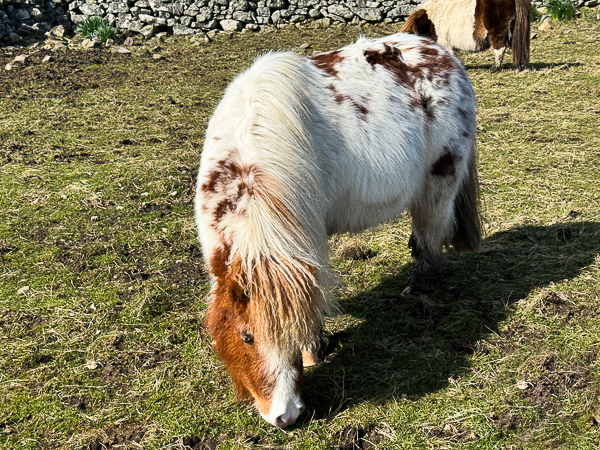
It seems odd that not 36 hours ago it was blowing a hoolie and snowing but now everyone’s rugs are off and they’re all bare nekkid.

Everyone Bare Nekkid

The nicest bit of taking rugs off is seeing just how clean and beautiful they are underneath.

No one looks too thin, which is my main worry this time of year – with rugs on, you don’t know what is going on underneath.

Everyone had a lovely sleep lying flat out in the sunshine too.  I could almost hear them snoring.

And also they told me spring is here by starting to lose their winter coats.

I am lazy and don’t brush anyone until it gets until mid May/June as their winter coats might still be needed.  It could get cold again still.  You just never know.

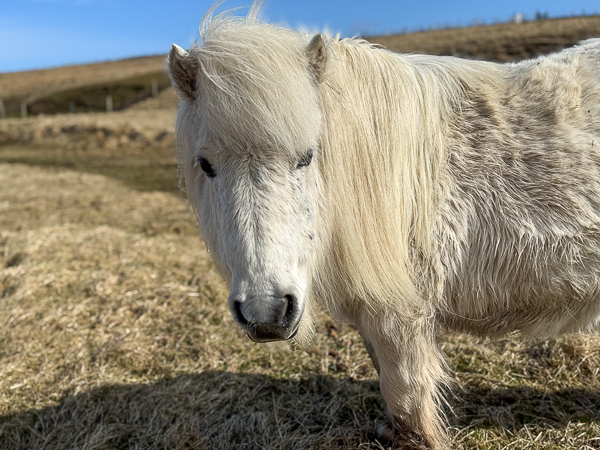
I am particularly pleased with Vitamoobag.  She looks glorious for such an old lady (32yo) but it doesn’t take much for her to look like a hat-rack, I know that.  At this age, we all just go day to day with absolutely no expectations.

I climbed up the hill back to the house to find we had company!


Discover more from My Shetland

Subscribe to get the latest posts sent to your email.


Best Reptile Bedding Guide: Top Safe Substrate Choices


Understanding Reptile Substrate Fundamentals

Selecting appropriate bedding for your reptilian companions represents one of the most crucial decisions in terrarium management. The substrate serves as more than mere flooring—it functions as a microenvironmental foundation that influences humidity retention, thermal regulation, and behavioral expression. Quality bedding materials facilitate natural digging behaviors while preventing impaction risks that could compromise your pet’s digestive health.

Premium substrates must balance absorbency with drainage capabilities. Excessive moisture retention fosters pathogenic bacterial proliferation, while inadequate humidity maintenance can lead to dysecdysis—problematic shedding that affects reptilian health. Understanding these fundamental principles ensures your substrate choice supports optimal physiological conditions.

Natural Substrate Options for Different Species

Coconut Coir and Fiber Blends

Coconut coir emerges as an exceptional choice for tropical species requiring elevated humidity levels. This fibrous material, derived from coconut husks, demonstrates remarkable moisture retention while maintaining proper aeration. The organic composition supports beneficial microorganism development, creating a naturalistic environment that encourages instinctive behaviors.

For bearded dragons and other arid-dwelling species, pure coir may retain excessive moisture. However, blending coir with sand or other drainage-enhancing materials creates an optimal substrate mixture. This combination prevents impaction while supporting natural thermoregulation through varied texture zones.

Cypress Mulch and Hardwood Options

Cypress mulch provides excellent humidity regulation for forest-dwelling species like ball pythons and rainbow boas. The natural antifungal properties inherent in cypress wood help prevent mold development in high-humidity environments. Additionally, the irregular particle sizes create hiding opportunities while facilitating natural burrowing behaviors.

“The substrate you choose directly impacts your reptile’s ability to express natural behaviors and maintain proper physiological functions. Never underestimate this foundational element of habitat design.”

Hardwood mulches, particularly those from deciduous trees, offer similar benefits with enhanced durability. These substrates resist decomposition while providing stable footing for larger species. However, ensure any wood products are pesticide-free and specifically processed for reptilian use.

Synthetic and Processed Bedding Materials

Paper-Based Substrates

Paper towels and processed paper substrates excel for quarantine situations and hatchling enclosures. These materials offer superior hygiene maintenance while eliminating impaction risks entirely. The neutral pH prevents chemical interactions that might affect sensitive species or recovering animals.

CareFresh and similar processed paper products provide enhanced absorbency compared to standard paper towels. These substrates expand upon contact with moisture, creating comfortable cushioning while facilitating easy spot-cleaning procedures.

Reptile Carpet and Astroturf

Synthetic carpet materials offer reusable solutions for species prone to substrate ingestion. These products facilitate thorough sanitization between uses while providing textural variation for tactile stimulation. However, loose fibers can occasionally entangle claws or cause dental issues if ingested.

Astroturf provides similar benefits with enhanced durability. The consistent texture supports easy maintenance while preventing bacterial accumulation in substrate depths. Consider rotating between multiple carpet pieces to ensure continuous availability during washing cycles.

Species-Specific Bedding Recommendations

Desert Species Requirements

Arid-climate reptiles demand substrates that replicate their natural habitat conditions. A carefully formulated sand mixture, combining play sand with clay components, creates optimal burrowing opportunities while maintaining structural integrity. Avoid calcium-based sands that may cause metabolic complications if ingested frequently.

Species Type Recommended Substrate Depth Requirements
Bearded Dragons Sand/clay blend or tile 1-2 inches
Leopard Geckos Paper towels or reptile carpet Minimal coverage
Blue-tongued Skinks Cypress mulch blend 2-3 inches

Tropical and Semi-Arboreal Species

Rainforest-dwelling reptiles require substrates that maintain consistent moisture levels without becoming waterlogged. ABG mix—a specialized blend of tree fern fiber, peat moss, charcoal, and orchid bark—provides exceptional drainage while supporting live plant cultivation within bioactive setups.

This substrate composition encourages beneficial microfauna development, creating self-sustaining ecosystems that reduce maintenance requirements. The varied particle sizes accommodate different species’ needs while promoting natural foraging behaviors.

Safety Considerations and Red Flags

Several commonly available substrates pose significant health risks and should be avoided entirely. Cedar and pine shavings contain aromatic oils that can cause respiratory irritation and liver damage in reptiles. These volatile compounds accumulate in enclosed environments, creating toxic conditions over time.

  • Avoid substrates with artificial dyes or fragrances
  • Never use substrates containing fertilizers or pest control chemicals
  • Reject materials with sharp edges that could cause injuries
  • Eliminate substrates prone to mold development in humid conditions

Particulate substrates like fine sand or crushed walnut shells present impaction hazards, particularly for juvenile animals or species with indiscriminate feeding behaviors. Monitor feeding behaviors closely when using any loose substrate materials.

Maintenance and Substrate Management

Proper substrate maintenance extends beyond simple spot-cleaning procedures. Establish rotating replacement schedules based on substrate type and enclosure bioload. Natural materials typically require monthly complete changes, while synthetic options may last longer with proper sanitization.

Implement layered substrate systems for enhanced functionality. A drainage layer of hydro balls or gravel prevents stagnant water accumulation, while barrier fabric separates drainage from the primary substrate layer. This configuration prevents anaerobic conditions that foster harmful bacterial growth.

Regular substrate testing ensures optimal conditions persist throughout the replacement cycle. pH monitoring, moisture level assessment, and visual inspection for contamination help identify issues before they impact reptilian health. Document substrate performance to refine future selections based on species-specific responses.

Temperature gradients within substrate layers influence thermoregulation success. Deeper substrates provide thermal buffering, while shallow applications respond quickly to heating element adjustments. Consider your species’ behavioral thermoregulation patterns when determining appropriate substrate depths for optimal comfort and health maintenance.


BLM Faces Questions Over Missing Records For Dead Foals | The Animal Rescue Site


Split image showing a foal behind metal fencing on one side and a young foal standing near an adult horse in a pasture on the other.

Wild horses and burros are not ordinary livestock in federal hands. Congress declared them living symbols of the West and said they must be protected from harassment and death under the Wild Free-Roaming Horses and Burros Act. The Bureau of Land Management manages them on and off the range, including in holding facilities after removals. BLM’s compiled text of the law and the agency’s program data page both make clear that off-range animals remain under federal protection and care.

That is why new allegations about foals born in BLM holding facilities are so disturbing. According to Animals’ Angels, records tied to dead foals at several off-range facilities do not appear to line up with what the public can easily find in agency reporting. The concern is simple and serious: foals may be born, die, and be disposed of without a full public accounting of how many lived or were lost.

Brown foal with a white blaze stands in front of a dark horse, with strands of hay hanging from its mouth.

Every foal birth in BLM care should be documented.

Pregnant Mares Enter A System That Must Track Every Outcome

The problem starts before birth. Mares are captured during gathers and sent into short-term or off-range facilities, sometimes while pregnant. Once that happens, the federal government has total control over the conditions those mares and foals face. If a mare gives birth in holding, that foal should enter a documented chain of care. If a foal is stillborn or dies later, the loss should be recorded in a way the public can verify.

That expectation is not extreme. It follows from the government’s own role. BLM program materials state that off-range horses and burros remain protected. The agency’s Wild Horses and Burros Management Handbook also recognizes how vulnerable foals are, noting that helicopter capture of wild horses is generally prohibited during the foaling period so young foals are mature enough to remain with their band.

Small foal wearing a halter stands behind metal fencing in a holding pen, looking toward the camera.

Incomplete records block accountability.


Transparency Is The Minimum The Public Should Expect

Without a clear count of pregnant mares captured, foals born, stillborn foals, and foal deaths, the public cannot measure welfare outcomes inside these facilities. It cannot compare mortality records with rendering or disposal records. It cannot know whether losses were isolated, systemic, or preventable.

This is why the demand now should be direct. The BLM and the Department of the Interior must publicly report how many pregnant mares enter holding, consistently document every foal birth and stillbirth, and maintain mortality records that can be independently verified. Wild horses in federal custody should not disappear into administrative silence. Sign the petition and demand a full accounting for every foal.

Click below to make a difference!

Matthew RussellMatthew Russell

Matthew Russell is a West Michigan native and with a background in journalism, data analysis, cartography and design thinking. He likes to learn new things and solve old problems whenever possible, and enjoys bicycling, spending time with his daughters, and coffee.

Read more articles by Matthew Russell.