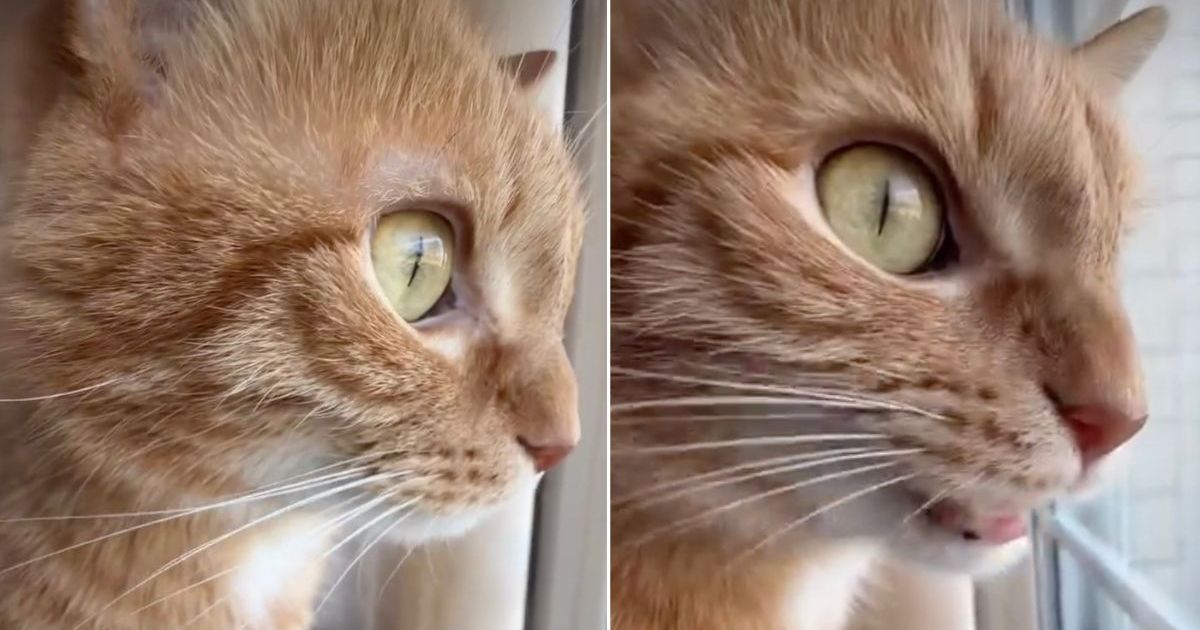
A pet’s reaction to other animals and birds is often unpredictable. To provide an apt example, this Instagram video shows how an orange cat named Kurt reacts to his bird-watching activity. He seems to take it very seriously as he responds to his owner, who chats about the sighting. In the caption, the uploader writes, “Kurt never misses a bird.” Meanwhile, the clip features the feline making adorable sounds, trying to express his thoughts on what he’s seeing. Viewers have also loved the video and dropped heart emojis while calling Kurt “adorable.”
Cat never misses a bird in funny video
In an adorable and funny video on Instagram, a cat named Kurt seemingly never misses a bird on his watch. It begins with the fur baby looking outside a glass window with full concentration. Soon, the owner approaches him and asks in a rush voice, “What was it?” It seems the pet parent understands their feline and confirms if it’s a bird.
Kurt appears to communicate by making cute sounds (more like teeth almost clattering), which makes the owner continue their conversation. “I saw it too, buddy,” the man said, and received a gentle reply from the cat. When Kurt’s expression and sound changes, the owner plays along and gasps, understanding that the fur baby has spotted another bird. It looks like the pet parent is having fun with the feline’s bird-watching job.
Meanwhile, viewers have enjoyed watching the cat bird video, especially Kurt’s “adorable cat noise.” A user wrote, “I’ve never seen him chirp before. So adorable. He really is a sweet cat.” Another commented, “The way his lil nose scrunches up, so cute!!!” Many found it lovely, while some dropped laughing emojis in the comments. One individual also mentioned, “The bird is lucky the window was there. Kurt was ready.” Furthermore, the cat bird video has garnered over 31K likes at the time of writing.
Canon May Reinvent Tilt-Shift Photography With New Lens
Subscribe here for an ad-free experience!
We use cookies to ensure that we give you the best experience on our website. If you continue to use this site we will assume that you are happy with it.
It is exciting to meet a new family member. But of course, one has to be introduced to the new family member to avoid the element of surprise. For pets, seeing a new person in the house is a huge moment. The same moment is shown in a cute and hilarious way in this video. In the clip, viewers are treated to a funny first encounter between a curious rescue cat and her niece, who is the newest addition to the household.
Cat can barely look away after seeing her new niece using the couch
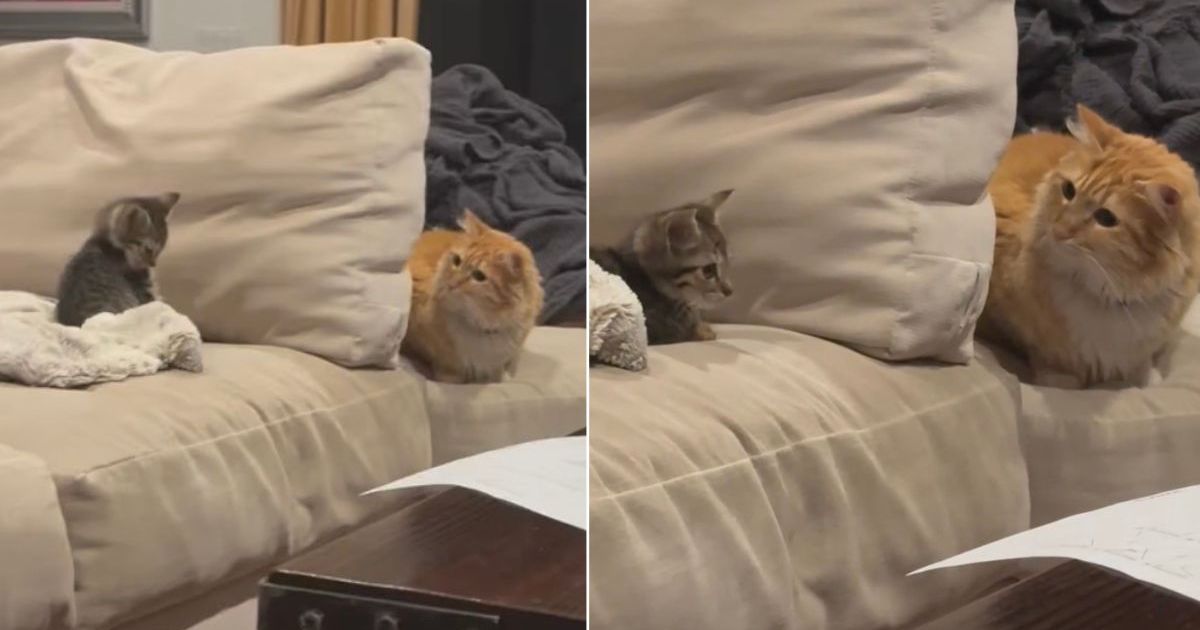
This orange cat is definitely startled upon seeing her new niece in the house. The clip was shared by @beans_the_cattt on Instagram. It shows the cat sitting on the couch with her ears perked up and eyes wide. A big pillow is placed between the two cats, almost like a small wall to help them introduce themselves from a safe distance.
The older cat instantly notices something unfamiliar. A little kitty is sitting nearby. Her “new niece” is resting comfortably on the couch, almost as if she’s already marking her territory. The cat immediately senses that something has changed in her environment. The big couch, which once belonged entirely to her, is now being claimed by someone else.
As the little kitty edges closer and lies down, the older cat’s body language becomes even more curious. She keeps staring at her new niece, surprised by the kitten’s tiny movements. She doesn’t run away or startle her. Instead, she continues watching, clearly interested in getting a better look at the newcomer.
The cat’s mom can be heard laughing softly in the background. The video quickly won hearts online, with many viewers finding the cat’s curious and cautious reaction relatable. People flooded the comments section with heart emojis, while others couldn’t stop talking about the cat’s priceless expression.
If you recall, I didn’t have the best Valentine’s Day ever! On the other hand, my human got roses, chocolates and a dinner date with her boyfriend.
The roses were nice, I guess, but I was wondering if there was anything for me.
It turned out there was! On the way back to the car from the restaurant, the humans passed a little boutique pet store that was open. So my human insisted they go inside and browse, and they came back with something.
I couldn’t wait to see what it was!
It was a Yeowww! catnip heart! How cool is that?
So it was a pretty nice Valentine’s Day after all.
We love our pets for their companionship, loyalty, and unconditional love. But sometimes, that affection is tested by a less-than-pleasant aspect of pet ownership: bad breath. While a little “pet breath” might seem normal, persistent or foul odor could be a sign of a much larger problem lurking beneath the surface. Understanding the importance of pet dental care can drastically improve your pet’s quality of life and even extend their lifespan.
At Talis Us, we believe in providing pet owners with the resources they need to ensure the well-being of their furry, feathered, or scaly companions. This guide will help you recognize dental problems in your pet, understand the importance of preventative care, and equip you with the knowledge to choose the right dental products from our store and elsewhere.
Is Your Pet’s Bad Breath More Than Just ‘Pet Breath’?
Understanding the Link Between Breath and Dental Health
Halitosis, or bad breath, in pets isn’t just a superficial issue. It’s often a key indicator of underlying dental problems, particularly periodontal disease. The bacteria that cause periodontal disease release volatile sulfur compounds, which are responsible for the unpleasant odor. These bacteria thrive in the plaque and tartar that accumulate on your pet’s teeth. While occasional bad breath might be due to something they ate, persistent bad breath almost always signals a dental issue requiring attention. Think of it as your pet’s way of telling you something is wrong – they just can’t use words!
Why Ignoring Bad Breath Can Lead to Serious Health Problems
Ignoring bad breath in your pet isn’t just about tolerating an unpleasant smell. Untreated dental disease can have serious consequences for your pet’s overall health. The bacteria from the mouth can enter the bloodstream and affect major organs, including the heart, liver, and kidneys. This can lead to systemic infections and potentially shorten your pet’s lifespan. Furthermore, dental disease is painful! Your pet might not show obvious signs of pain, but they could be experiencing chronic discomfort that affects their appetite, behavior, and overall well-being. Read up on “Is My Pet Sick? Early Warning Signs You Should Know” on our blog to learn more about subtle signs of discomfort in pets.
Why Dental Care is Crucial for Your Pet’s Overall Well-being
The Systemic Impact of Periodontal Disease
As mentioned above, periodontal disease isn’t just a problem in the mouth; it has systemic implications. Bacteria entering the bloodstream can trigger inflammatory responses throughout the body. Chronic inflammation has been linked to a higher risk of heart disease, kidney damage, and liver problems in pets. Studies have shown a correlation between the severity of periodontal disease and the progression of these other health issues. Proactive dental care helps to prevent the spread of these harmful bacteria, thereby protecting your pet’s vital organs. According to the American Veterinary Medical Association, 80% of dogs and 70% of cats show signs of oral disease by age three. [External Link: Consider linking to a page on the AVMA website about pet dental health.]
Pain and Discomfort: What’s Your Pet Trying to Tell You?
Pets are masters at masking pain. They often won’t whine or yelp, even when experiencing significant discomfort. Instead, they might exhibit subtle changes in behavior, such as decreased appetite, reluctance to chew on toys, or increased irritability. They may also paw at their mouth, drool excessively, or have difficulty swallowing. If you notice any of these signs, it’s crucial to have your pet examined by a veterinarian to rule out dental disease or other underlying health problems. Don’t assume that because your pet is still eating, they’re not in pain. Even with significant dental issues, animals will often continue to eat, driven by instinct, despite the discomfort.
Extending Your Pet’s Lifespan Through Proactive Dental Care
By preventing and managing dental disease, you can significantly contribute to your pet’s overall health and longevity. Regular dental checkups and professional cleanings can remove plaque and tartar buildup, preventing the progression of periodontal disease. At-home dental care, such as brushing your pet’s teeth, can further reduce the risk of dental problems. A healthy mouth translates to a healthier body, reducing the risk of systemic infections and allowing your pet to live a longer, happier life. Consider factors such as breed predisposition to dental issues when setting up a dental care plan with your vet. Some breeds, like small-breed dogs, are more prone to dental problems than others. Also, depending on the issue, you may want to look into “Choosing the Right Pet Health Insurance” to help reduce the costs of major dental issues.
Spotting the Signs: Common Dental Problems in Dogs & Cats
Tartar Buildup: A Visual Guide
Tartar is the hardened form of plaque, a sticky film of bacteria that constantly forms on teeth. Tartar appears as a brown or yellow buildup, often starting near the gumline. In early stages, it can be removed with professional cleaning. However, if left untreated, it hardens and becomes more difficult to remove, contributing to gum inflammation and periodontal disease. Regularly inspecting your pet’s teeth for tartar buildup is crucial. Lift their lips and examine their teeth, paying particular attention to the molars and premolars, as these are often the most affected areas. If you notice significant tartar buildup, schedule a dental cleaning with your veterinarian.
Gum Inflammation (Gingivitis) and Bleeding
Gingivitis is the inflammation of the gums, often caused by plaque and tartar buildup. Signs of gingivitis include red, swollen, and bleeding gums. Healthy gums should be pink and firm. If you notice any redness or swelling along the gumline, or if your pet’s gums bleed when you brush their teeth or when they chew on toys, this could indicate gingivitis. Early detection and treatment of gingivitis are essential to prevent its progression to periodontitis, a more severe form of dental disease that involves damage to the supporting structures of the teeth.
Loose or Missing Teeth: What to Do Next
Loose or missing teeth are a serious sign of advanced periodontal disease. When the supporting structures of the teeth are damaged by inflammation and infection, the teeth can become unstable and eventually fall out. If you notice any loose or missing teeth in your pet’s mouth, it’s crucial to seek veterinary attention immediately. Your veterinarian will assess the extent of the damage and recommend the appropriate treatment, which may include extraction of the affected teeth. Delaying treatment can lead to further bone loss and infection, impacting your pet’s ability to eat and their overall well-being.
Your At-Home Dental Care Toolkit: Essential Supplies from Talis Us
Choosing the Right Toothbrush and Toothpaste (Pet-Specific!)
Brushing your pet’s teeth is the gold standard for at-home dental care. However, it’s crucial to use the right tools. Never use human toothpaste on your pet, as it contains ingredients that can be toxic to them. Instead, opt for a pet-specific toothpaste that is formulated to be safe and palatable for animals. Choose a soft-bristled toothbrush designed for pets, or a finger brush if your pet is more comfortable with that. The size and shape of the toothbrush should be appropriate for your pet’s mouth size. The enzymatic action of pet toothpaste is what helps break down plaque and tartar as you brush.
Dental Chews and Toys: What Makes a Good Option?
Dental chews and toys can be a valuable addition to your pet’s dental care routine. Chewing helps to remove plaque and tartar buildup through mechanical action. Look for chews and toys that are specifically designed for dental health. These products often have a textured surface or contain enzymes that help to break down plaque. Avoid hard chews that could damage your pet’s teeth. The ideal chew should be pliable enough to conform to the teeth and gums, providing a gentle scrubbing action without posing a risk of fractures. Always supervise your pet while they are chewing on dental chews or toys.
Water Additives: A Convenient Way to Fight Plaque
Water additives are a convenient option for pet owners who struggle to brush their pet’s teeth regularly. These additives contain ingredients that help to control plaque and tartar buildup, freshen breath, and promote healthy gums. Simply add the recommended amount of additive to your pet’s water bowl each day. Look for water additives that contain ingredients like chlorhexidine or zinc, which have antimicrobial properties. While water additives can be a helpful supplement to your pet’s dental care routine, they should not be used as a replacement for brushing. Check the reviews and ensure that the water additive is palatable and safe before adding it to your pet’s water supply.
Step-by-Step Guide to Brushing Your Pet’s Teeth (Without the Struggle!)
Gradual Introduction: Making Brushing a Positive Experience
The key to successful tooth brushing lies in a gradual, positive introduction. Start by simply getting your pet used to having your fingers near their mouth. Gently rub their cheeks and lips for a few days, offering praise and treats. Next, introduce pet-specific toothpaste (never use human toothpaste, as it can be harmful to animals). Let your pet lick the toothpaste from your finger, associating it with a pleasant experience. The “brush” itself is the last step.
Decision Criteria: If your pet shows extreme anxiety (hiding, trembling, aggression), slow down the process. It might take weeks, not days, to reach the brushing stage. Some pets never fully accept brushing, and that’s okay. Focus on other dental health strategies in those cases.
Example: Max, a rescue dog, was initially terrified of anything near his mouth. His owner started by placing a small amount of peanut butter (xylitol-free!) on her finger and letting him lick it off while she gently touched his muzzle. Over two weeks, she gradually introduced pet toothpaste and then a finger brush. It took a month before she could brush even a few teeth, but now, two years later, he tolerates a full brushing session because of the initial patient approach.
The Correct Brushing Technique: Gentle Circles are Key
Once your pet tolerates the toothbrush, use gentle, circular motions to clean the outer surfaces of their teeth, focusing on the gum line. The gum line is where plaque and tartar accumulate most readily, leading to periodontal disease. Angle the brush at 45 degrees toward the gums. Don’t worry too much about the inner surfaces, as your pet’s tongue will help clean those.
Pitfall: Avoid using too much pressure, as this can irritate the gums and cause discomfort. Aim for about two minutes of brushing, focusing on the most accessible teeth first. Reward your pet with praise and a treat after each session.
Actionable Step: Purchase a pet-specific toothbrush and toothpaste. Human toothbrushes are often too large and stiff, and human toothpaste contains ingredients toxic to animals. Look for enzymatic toothpaste, which helps break down plaque and tartar.
Troubleshooting: What to Do if Your Pet Resists
Resistance is common, especially in the beginning. If your pet resists, don’t force it. Stop the brushing session and try again later. Break the session into smaller increments – brush a few teeth one day, then a few more the next. You can also try using a finger brush instead of a toothbrush, as some pets find it less intimidating. If your pet bites or becomes aggressive, consult with your veterinarian or a veterinary behaviorist.
Pitfall: Never punish your pet for resisting. This will create a negative association with brushing and make it even harder in the future.
Actionable Step: If your pet associates the toothbrush with something negative (like nail trims), try desensitizing them by associating the toothbrush with treats and praise, without even attempting to brush their teeth initially. You can also try distracting your pet with a lickable mat while you brush.
Beyond Brushing: Other Ways to Support Your Pet’s Dental Health
Dental Diets: Formulated for Oral Hygiene
Dental diets are specially formulated to promote oral hygiene. They often contain larger kibble sizes that encourage chewing, helping to scrape away plaque and tartar. Some also contain ingredients that help prevent tartar buildup. Consider switching to a dental diet if brushing is difficult or impossible. Hill’s Science Diet, Royal Canin, and Purina Pro Plan all offer veterinary-approved dental diets.
Decision Criteria: Look for dental diets that have been clinically proven to reduce plaque and tartar. The Veterinary Oral Health Council (VOHC) provides a list of accepted products on their website, which is a reliable source of information. Consider the ingredients carefully, especially if your pet has allergies or sensitivities.
Regular Checkups: The Importance of Professional Cleanings
Even with regular brushing and a dental diet, professional dental cleanings are essential. Veterinarians can identify and treat dental problems that are not visible to the naked eye, such as infections below the gum line or fractured teeth. Regular checkups also allow your veterinarian to monitor the overall health of your pet and catch any potential problems early. Consider purchasing pet insurance, like the options we offer at Talis Us, to help cover the cost of these potentially expensive veterinary visits. Consider the cost of your pet’s health insurance plan when Choosing the Right Pet Health Insurance.
Actionable Step: Schedule a dental checkup for your pet at least once a year, or more often if recommended by your veterinarian. Discuss your pet’s dental health with your veterinarian and ask for recommendations on how to improve their oral hygiene. Regular dental checkups can prevent costly treatments later. If you think that your pet may be sick, be on the lookout for some Early Warning Signs You Should Know.
Decoding Dental Chews: What to Look For (and What to Avoid)
When selecting dental chews, prioritize those with natural, digestible ingredients. Avoid chews with artificial colors, flavors, and preservatives. Xylitol, a sugar alcohol found in some human products, is highly toxic to dogs and should be strictly avoided. Read labels carefully to ensure the chew is safe for your pet. Consider any allergies or sensitivities your pet may have when choosing a chew.
Pitfall: Marketing claims can be misleading. Just because a chew is advertised as “dental” doesn’t mean it’s effective or safe. Always check the ingredient list and look for products that have been tested and proven to reduce plaque and tartar.
Size and Texture: Matching Chews to Your Pet’s Needs
Choose a chew that is appropriately sized for your pet. A chew that is too small can be a choking hazard, while a chew that is too large may be too difficult for your pet to manage. The texture of the chew is also important. Some pets prefer hard, crunchy chews, while others prefer softer, more pliable ones. Experiment to find what your pet enjoys and can safely chew.
Example: A small Chihuahua should never be given a large beef bone intended for a Great Dane. The Chihuahua could choke on small pieces or damage their teeth trying to chew something too hard. Opt for a smaller, more flexible chew designed for small breeds.
Monitoring Chew Time: Preventing Choking Hazards
Always supervise your pet while they are chewing on a dental chew. This allows you to monitor their chewing habits and intervene if they are trying to swallow large pieces or if the chew becomes too small and poses a choking hazard. Discard the chew once it becomes small enough to swallow whole.
Actionable Step: Limit chew time to 15-30 minutes per day. This allows your pet to benefit from the chewing action without overdoing it and potentially causing digestive upset or dental damage.
Professional Dental Cleanings: What to Expect at the Vet
Anesthesia: Why it’s Necessary for a Thorough Cleaning
Professional dental cleanings for pets require anesthesia for a simple reason: safety and thoroughness. Anesthesia allows the veterinarian to thoroughly examine and clean every surface of every tooth, including below the gum line, without causing the pet stress or pain. Imagine trying to clean the teeth of a squirming, anxious animal – it’s simply not possible to do a good job, and it could be dangerous for both the pet and the veterinarian. While anesthesia always carries some risk, modern veterinary anesthesia is very safe, and the benefits of a thorough dental cleaning far outweigh the risks.
Pitfall: Some pet owners are hesitant about anesthesia. Discuss your concerns with your veterinarian. They can explain the anesthetic protocol they use, which should include pre-anesthetic bloodwork to assess your pet’s organ function and monitoring throughout the procedure.
Scaling and Polishing: Removing Tartar Above and Below the Gumline
Scaling involves using specialized instruments to remove plaque and tartar from the teeth, both above and below the gum line. This is crucial because tartar below the gum line is a major contributor to periodontal disease. Polishing smooths the surface of the teeth after scaling, making it more difficult for plaque to adhere. The veterinarian will use an ultrasonic scaler and hand instruments to remove the plaque and tartar.
Actionable Step: Ask your veterinarian about the specific scaling and polishing techniques they use. Ensuring they use both ultrasonic and hand scaling, along with proper polishing, indicates a comprehensive approach.
Dental X-rays: Detecting Hidden Problems
Dental X-rays are an essential part of a professional dental cleaning. They allow the veterinarian to see what’s happening below the gum line, where many dental problems occur. X-rays can reveal hidden infections, bone loss, fractured roots, and other abnormalities that are not visible during a visual examination. Without X-rays, your veterinarian is only seeing a small portion of the overall picture. Dental X-rays are a part of ensuring Bird Health Checklist: Signs of a Happy Bird, as well as the health of other animals.
Decision Criteria: A veterinary practice that does not include dental X-rays as part of their dental cleaning protocol is not providing the highest standard of care. Be sure to ask if they offer dental X-rays before scheduling a cleaning.
How Age Affects Your Pet’s Dental Needs (Senior Pet Considerations)
Increased Risk of Dental Disease in Older Pets
As pets age, their risk of developing dental diseases increases significantly. This is due to a combination of factors, including a lifetime of plaque and tartar buildup, decreased saliva production, and a potentially weakened immune system. Older pets may also have underlying health conditions, such as kidney or heart disease, that can exacerbate dental problems. For example, a dog with kidney disease may be more prone to developing stomatitis (inflammation of the mouth). It’s important to note that the rate of dental disease progression varies by species and breed. Smaller breeds of dogs, for example, are often predisposed to dental issues. Regular dental checkups become even more critical for senior pets. A veterinarian can detect early signs of dental disease and recommend appropriate treatment options. This might include professional cleanings, extractions, or medications.
Adjusting Your Dental Care Routine for Senior Pets
Adjusting your pet’s dental care routine as they age is crucial. Consider switching to a softer food if they have difficulty chewing hard kibble. Gentle brushing is still important, but you may need to use a softer toothbrush or a finger brush to avoid irritating sensitive gums. Dental chews designed for senior pets can also be helpful, but always supervise your pet to ensure they don’t swallow large pieces. Be particularly vigilant about looking for signs of discomfort during brushing, such as flinching or pulling away. This may indicate an underlying dental problem that needs veterinary attention. You might need to break brushing into shorter sessions if your pet gets tired easily. Regular dental exams are recommended, possibly more frequently than annually, depending on your vet’s advice.
Pain Management Options for Dental Issues
Pain management is a critical consideration for senior pets with dental issues. Dental disease can cause significant pain and discomfort, impacting their quality of life. Your veterinarian can prescribe pain medication to help manage pain and inflammation. In some cases, dental surgery, such as extractions, may be necessary to eliminate the source of pain. There are many pain medications for pets, and your vet will choose the best option for your pet’s specific needs and any other health conditions they may have. Do NOT give human pain medication to pets. This can be very dangerous and even fatal. Some alternative therapies, such as acupuncture, may also provide pain relief. Be sure to discuss all pain management options with your veterinarian to determine the best approach for your senior pet.
Common Mistakes Pet Owners Make with Dental Care (and How to Avoid Them)
Using Human Toothpaste: A Big No-No!
One of the most common mistakes pet owners make is using human toothpaste on their pets. Human toothpaste contains ingredients like fluoride and xylitol that are toxic to animals. If ingested, these ingredients can cause serious health problems, including vomiting, diarrhea, seizures, and even death. Always use toothpaste specifically formulated for pets. These toothpastes are designed to be safe for ingestion and often come in flavors that pets enjoy, such as poultry or beef. These products do not contain the toxic elements of human toothpaste, making them a safer and more palatable option for your furry friend. Read labels carefully and consult with your veterinarian if you have any questions about the safety of a particular toothpaste.
Neglecting the Back Teeth: Where Tartar Often Accumulates
Pet owners often focus on brushing the front teeth, neglecting the back teeth where tartar tends to accumulate most. The molars and premolars in the back of the mouth are more difficult to reach and are more prone to plaque and tartar buildup due to their location and function in grinding food. Make a conscious effort to reach the back teeth during brushing. Use a toothbrush with a long handle or a finger brush to access these areas. Your vet can show you the best techniques to get at those hard-to-reach molars. Regular professional cleanings are also essential to remove tartar from these areas, especially in pets prone to dental disease.
Ignoring Signs of Pain: Early Detection is Crucial
Pets are masters at hiding pain, so it’s easy to miss early signs of dental problems. Ignoring these signs can lead to more serious and costly issues down the road. Look for subtle changes in your pet’s behavior, such as decreased appetite, reluctance to chew on toys, excessive drooling, pawing at the mouth, or bad breath. You may also notice red, swollen, or bleeding gums. If you observe any of these signs, schedule a veterinary appointment immediately. Early detection and treatment can prevent the progression of dental disease and improve your pet’s quality of life. Remember, dental issues can be deceptively painful, even when the pet isn’t outwardly showing extreme distress. A proactive approach is always best; refer to “Is My Pet Sick? Early Warning Signs You Should Know” for general advice on spotting subtle changes in your pet’s health.
Talis Us: Your Partner in Pet Dental Health in 2026
Featured Products: Top-Rated Dental Care Items Available Now
At Talis Us, we offer a wide selection of top-rated dental care products to help you keep your pet’s teeth and gums healthy. Our featured products include enzymatic toothpastes, dental chews, oral rinses, and dental wipes. We carefully select products from trusted brands known for their efficacy and safety. Our enzymatic toothpastes contain enzymes that help break down plaque and tartar. Our dental chews are designed to promote chewing and help remove plaque and tartar mechanically. Our oral rinses can help freshen breath and reduce bacteria in the mouth. And our dental wipes offer a convenient way to clean your pet’s teeth, especially for pets that resist brushing. Check back frequently as new products are added to our inventory.
Expert Advice: Contact Us for Personalized Recommendations
Need help choosing the right dental care products for your pet? Our team of pet care experts is here to provide personalized recommendations. We can assess your pet’s specific needs and recommend products that are most appropriate for their age, breed, and dental condition. Contact us via phone, email, or live chat to speak with one of our knowledgeable representatives. We can answer your questions about dental care, provide tips on how to brush your pet’s teeth, and help you create a dental care routine that works for you and your pet.
Special Offers: Keep an Eye Out for Dental Care Promotions
We frequently offer special promotions on our dental care products. Sign up for our email newsletter to receive exclusive discounts, coupons, and updates on new products. Follow us on social media to stay informed about our latest sales and promotions. We also offer loyalty rewards for our regular customers. With Talis Us, taking care of your pet’s dental health doesn’t have to break the bank. We’re committed to providing affordable and effective dental care solutions for all pets. Keep an eye out for bundle deals and seasonal promotions to maximize your savings.
Building a Lifetime of Healthy Smiles: Commit to Your Pet’s Dental Care Today
Commitment to your pet’s dental health is a commitment to their overall well-being. By establishing a consistent dental care routine and working closely with your veterinarian, you can help prevent dental disease and ensure your pet enjoys a lifetime of healthy smiles. Remember that prevention is always better than cure. Early detection and treatment of dental problems can save you money and prevent your pet from experiencing unnecessary pain and suffering. Make dental care a priority, and your pet will thank you for it with a happy, healthy life.
Prioritizing your pet’s dental care is an investment in their overall health and happiness. A consistent routine, paired with professional veterinary checkups, sets the foundation for a lifetime of healthy smiles.
For all your pet dental care needs, including toothpastes, brushes, and chews, be sure to visit talis-us.myshopify.com. We have everything you need to keep your furry friend smiling!
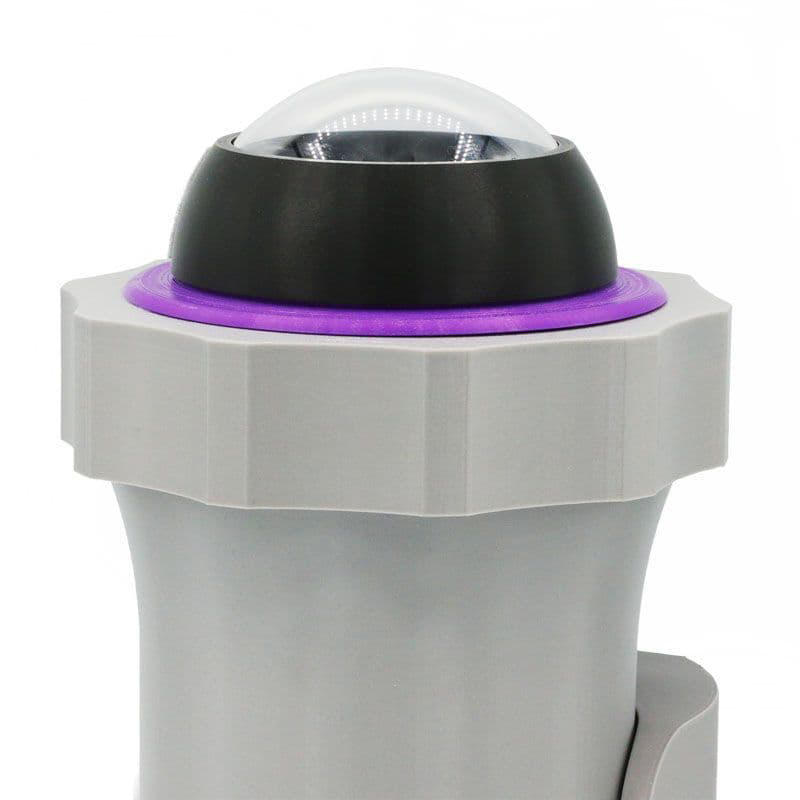
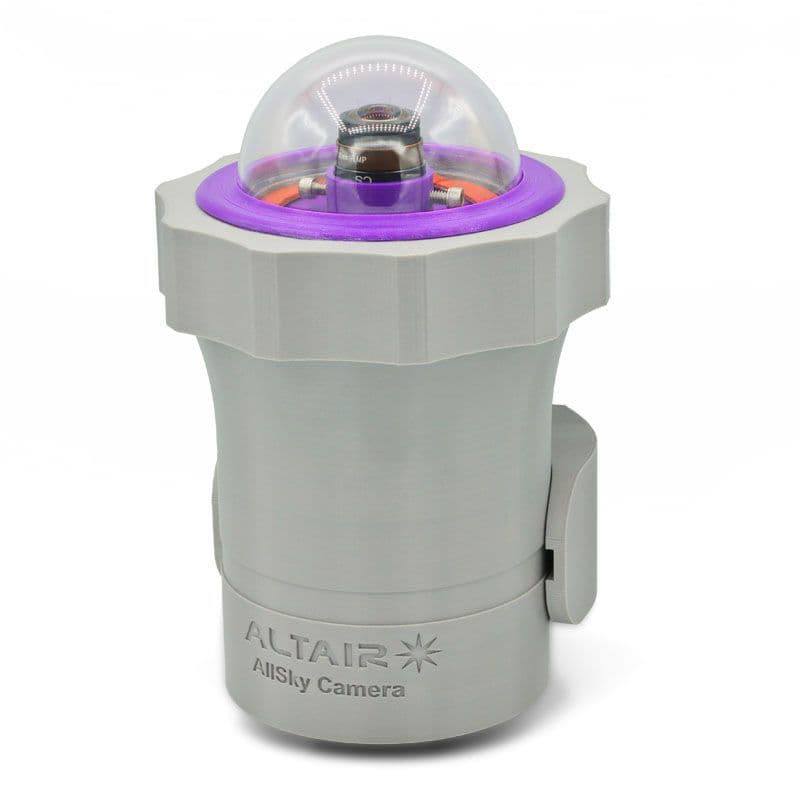
All-sky imaging has become a standard tool in serious amateur astronomy. Observers now run permanent sky monitors to track clouds, capture meteors, and create long-term time-lapse records. As these systems move outdoors full-time, the enclosure becomes just as important as the camera itself. Altair Astro has responded to this growing need with the Sentinus AllSky Camera Dome Housing, a dedicated outdoor enclosure designed specifically for all-sky imaging workflows.
The Sentinus is not a camera, and it is not sold as a complete system. It provides the mechanical and environmental framework for building a reliable all-sky unit. Altair developed the housing through several design revisions and field-testing cycles before releasing the final version. The result is a compact but thoughtfully engineered enclosure that fits well into Raspberry Pi-based and other imaging setups.
An all-sky enclosure
Many amateur astronomers still rely on modified electrical boxes or improvised domes. Those solutions often work at first, but they tend to show weaknesses after long exposure to heat, UV light, and moisture. Altair designed the Sentinus to avoid those common problems and to simplify installation for permanent outdoor use.
The housing serves three main roles: It protects the camera and electronics from the weather. It maintains optical clarity through a dedicated dome. And, it provides structured mounting space for the control hardware that most all-sky systems require. Altair spent considerable effort refining the mechanical layout so users can install and service the system without frustration.
From the beginning, the company aimed this enclosure at users who plan to leave their all-sky cameras outdoors for months or years at a time. That focus shows clearly in the material choices and internal layout. The Sentinus enclosure uses UV-stable PETG plastic.
According to Altair Astro, the material underwent extended outdoor testing and remained stable through multiple seasonal cycles. That type of testing is important because all-sky systems rarely operate in controlled environments. They sit on rooftops, poles, and observatory walls where they face direct sunlight and temperature swings. PETG offers a good balance between strength and weather resistance. It handles moderate heat well and resists cracking better than many brittle plastics.
The camera enclosure uses weather-resistant PETG plastic
Optical dome and imaging considerations
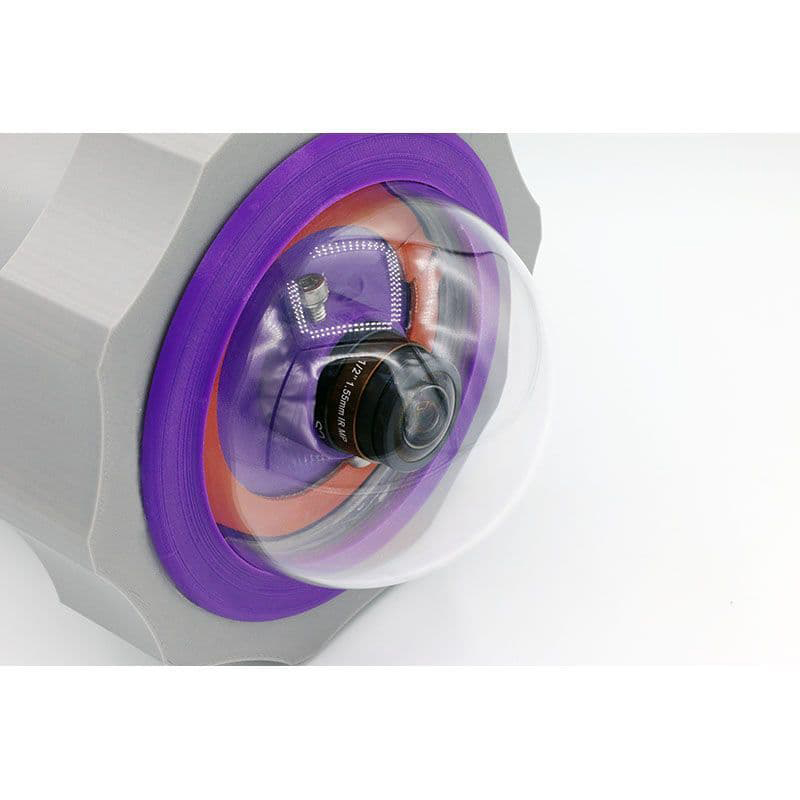
In any all-sky system, the dome determines the quality of the final sky image. Uneven or low-grade domes can introduce distortions, internal reflections, and gradual yellowing. Altair equips the Sentinus with a UV-resistant acrylic dome that aims to maintain clarity over extended outdoor use.
The company notes that the dome thickness is more uniform than many low-cost alternatives. Uniform thickness helps reduce refraction inconsistencies across the wide field. That becomes especially important when users run meteor detection software or perform sky brightness measurements.
The dome integrates cleanly into the upper housing. This reduces gaps and helps maintain a controlled internal environment. The smooth curvature also supports very wide lenses, including fisheye optics that approach full-sky coverage. For astrophotographers who plan long-term monitoring projects, dome stability often determines how frequently maintenance becomes necessary. A well-made dome can save significant effort over time.
Altair notes that the dome thickness is more uniform than many low-cost alternatives
Internal layout and mounting flexibility
One of the most practical aspects of the Sentinus design is its internal mounting system. Altair clearly expects users to pair the enclosure with small astronomy cameras and compact control computers. Inside the housing, a height-adjustable camera bracket allows the imaging sensor to sit at the correct position relative to the dome.
The bracket can be unclipped quickly when the user needs to remove or replace the camera. That feature may sound simple, but it becomes very valuable during rooftop servicing sessions. Fast access reduces the risk of accidental drops and shortens maintenance time.
Below the camera area, the enclosure includes a flat mounting plate sized for a Raspberry Pi or similar mini computer. Many all-sky workflows now rely on a small single-board computer running capture and upload software. By providing dedicated space for this hardware, Altair simplifies cable routing and keeps the installation tidy.
Users who prefer an external control computer can still route cables out of the base. The design does not force a single workflow. Instead, it supports several common configurations used in the amateur community.
The Altair Sentinus Allsky camera dome housing
Mounting hardware and field handling
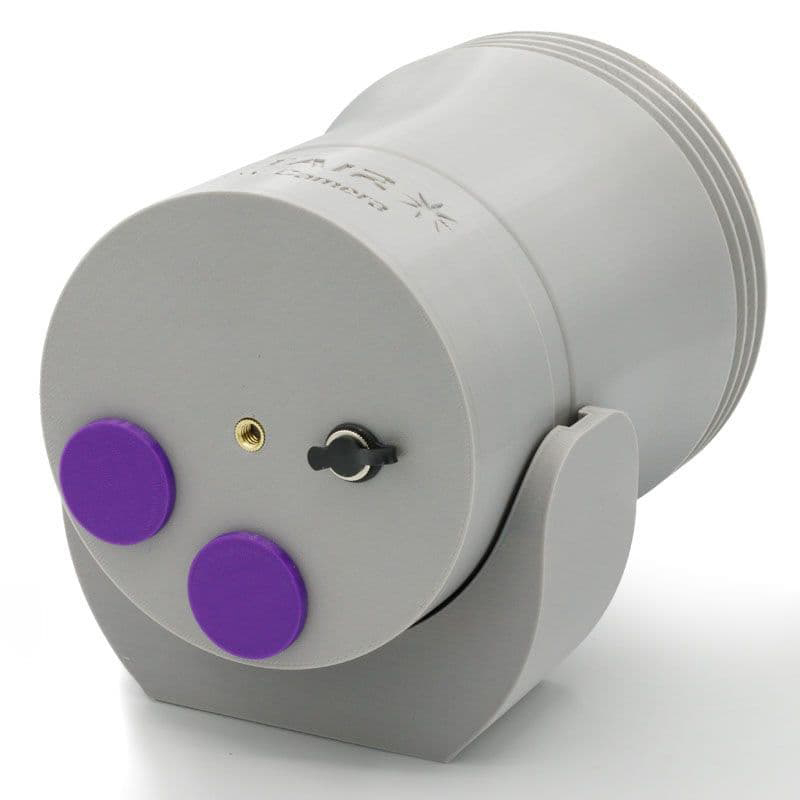
Altair ships the Sentinus with a dedicated wall bracket. The bracket allows the enclosure to be mounted using one hand, which improves safety when working on ladders or rooftops. Once in place, the housing can be secured firmly with screws.
There is also a recessed area for a cable tie to add another level of retention. While simple, this feature shows that the designers considered real-world installation scenarios. Many observers install all-sky cameras in awkward locations where secure handling becomes critical.
The enclosure can be opened without tools, which simplifies routine cleaning and inspection. All-sky domes require occasional wiping to remove dust and water marks. Quick access encourages proper maintenance.
The wall mounting bracket
Optional accessories for environmental control
Altair offers several accessories that expand the enclosure’s capabilities. One of the most relevant is the sealed silicone dew heater ring. Condensation is a common issue for all-sky systems, especially in humid climates. The heater helps keep the dome slightly warmer than the ambient air, which reduces moisture buildup.
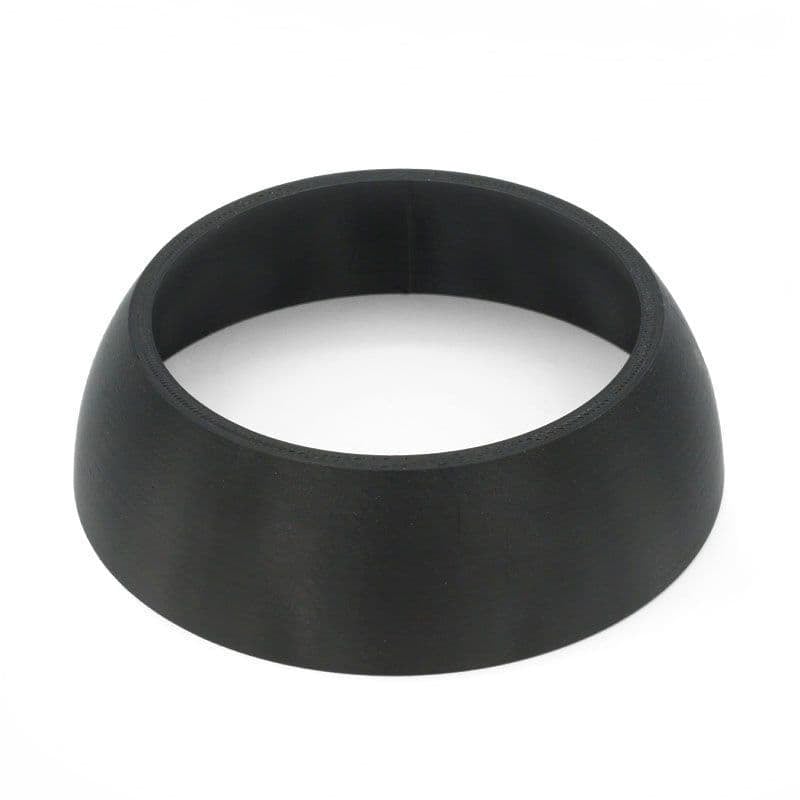
Another accessory is the street light shroud. This component helps block stray light entering from low angles near the horizon. In suburban locations with nearby lighting, the shroud may improve image contrast and reduce internal reflections.
Altair also offers a dedicated 180-degree C-mount lens designed for small CMOS sensors. While users can choose other optics, this lens forms part of a complete ecosystem for those who prefer a matched setup. These accessories allow the Sentinus platform to adapt to different observing environments.
The optional street light shroud
Price and availability
The Altair Sentinus Allsky Camera Dome Housing is priced at $130 (for the housing only). With the optional street light shroud, it is priced at $147. With the optional dew heater ring, it is priced at $159. Finally, with both the optional accessories (street light shroud and dew heater ring), it is priced at $176. All of these variations are available for ordering via the official Altair website. The housing is available with three camera mounting options: Altair, ZWO, and Pi HQ camera.
The Sentinus arrives at a time when many amateur astronomers are expanding into permanent monitoring projects. Remote observatories, meteor networks, and automated weather-sky stations all depend on reliable outdoor enclosures. This housing fits into setups such as:
continuous cloud monitoring for imaging rigs
meteor detection stations
long-term sky timelapse projects
educational observatory installations
remote site condition monitoring
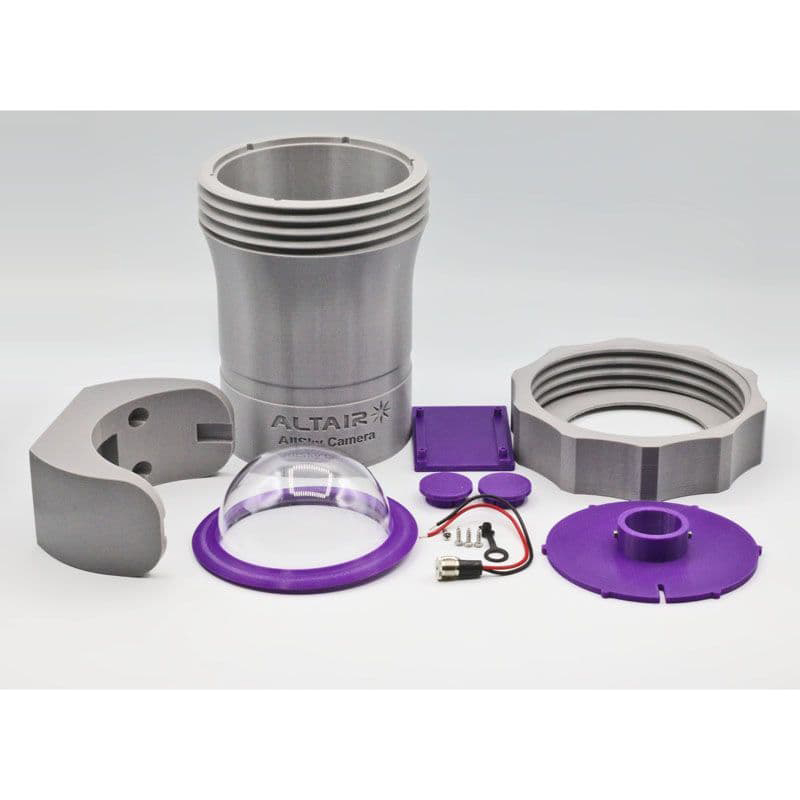
Package contents of Altair Sentinus AllSky Camera Dome Housing
The design of the housing emphasizes durability, clean internal layout, and flexible installation. The accessory range supports humid or light-polluted locations. Most importantly, the Sentinus focuses on the mechanical and environmental side of all-sky imaging. By addressing common weak points such as cable routing, dome quality, and service access, it provides a stable platform for long-term projects.
We use cookies to ensure that we give you the best experience on our website. If you continue to use this site we will assume that you are happy with it.
A cat left outside tried to get back indoors. Once a family welcomed him in, he was determined to win them over.
EmmanuelLittleWanderersNYC
About two months ago, Little Wanderers NYC, an all-volunteer rescue, received a request for help about a cat who had been left to fend for himself on the streets.
A concerned neighbor reported hearing him cry night after night and watching him attempt to climb a brick wall, trying to get inside. He eagerly accepted affection from strangers, making it clear that he didn’t belong outdoors.
“Friendly cats on the street don’t have the skills to survive,” Little Wanderers NYC shared.
He was left to fend for himself on the streetsLittleWanderersNYC
Volunteers sprang into action, determined to change the fate of this abandoned cat. While rescue efforts were underway, the team put out an urgent call for a foster family who could offer him a safe, warm place to stay while he waited for a forever home.
One volunteer saw the post and responded immediately. “I knew I could make his life better, so I decided to foster.”
He tried to get back indoors every dayLittleWanderersNYC
In less than ten hours, the cat, named Emmanuel, was brought to safety thanks to the tireless efforts of many volunteers. “Thousands of cats have been helped over the years, and Emmanuel is one of them,” the rescue said.
“He is super friendly and was so grateful to be rescued.”
He was finally safeLittleWanderersNYC
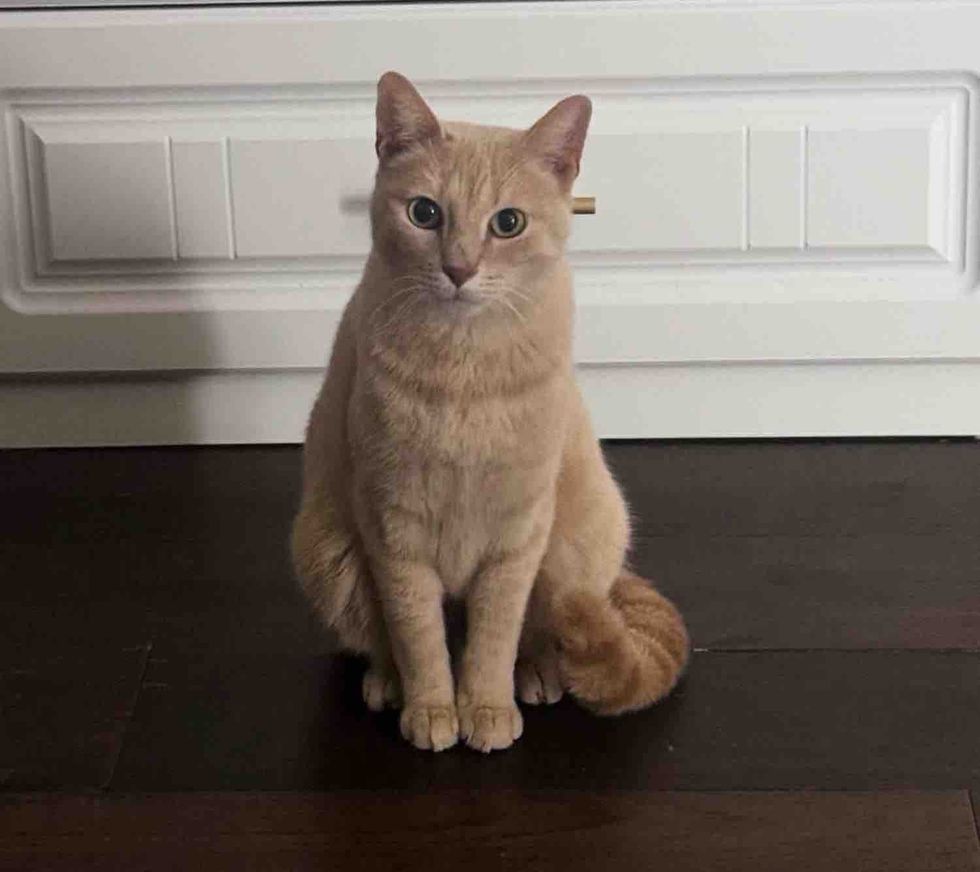
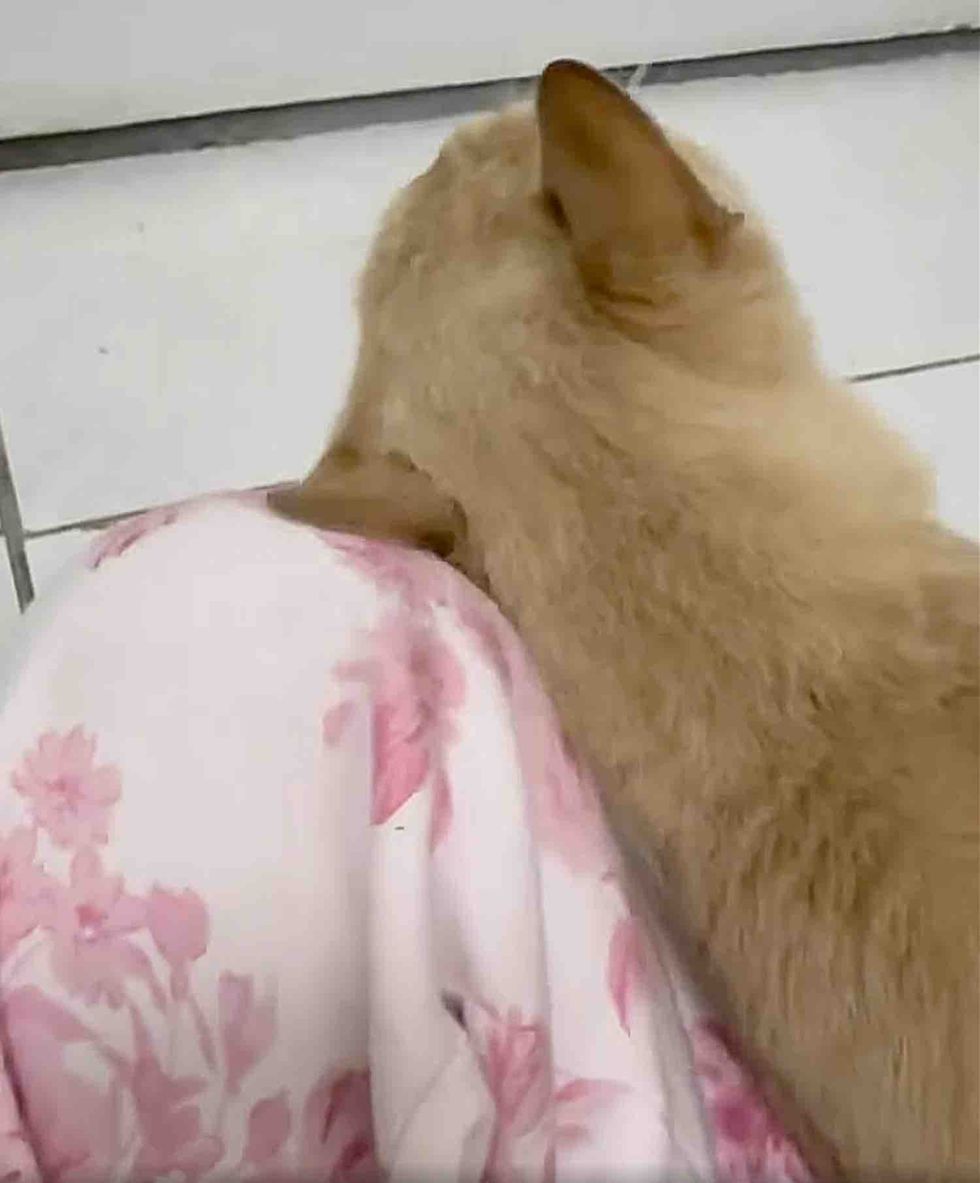
Once Emmanuel realized he was no longer outside, he stepped out of his carrier and went straight to his people, rubbing against them as if to say thank you. After months of pleading to be let back indoors, his wish had finally come true.
He explored his new surroundings, then curled up beside his human and purred, making himself right at home.
He rubbed against his foster family as if to say thank youLittleWanderersNYC
As the foster family spent more time caring for him and taking him to vet appointments, they realized they were in this together.
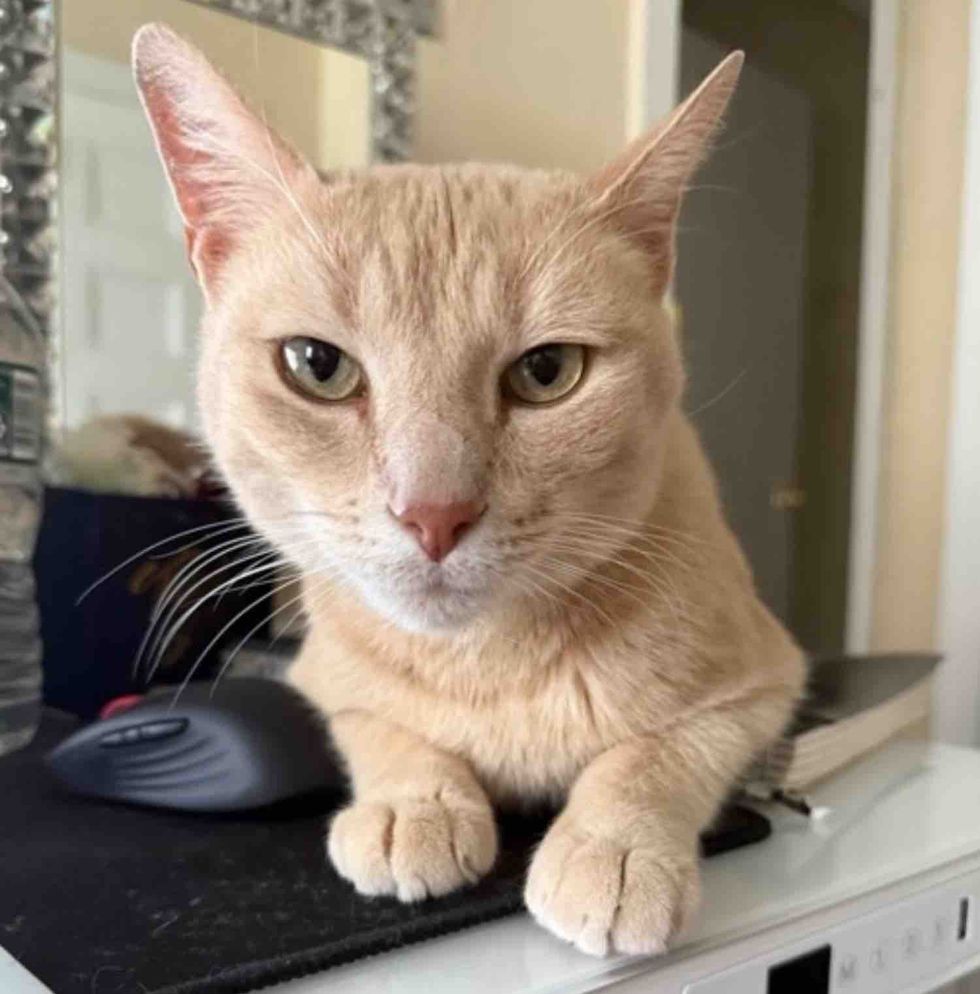
Emmanuel followed them from room to room, supervising their work in the office and offering a “helping paw” during chores. He became the perfect companion, always nearby and always ready to jump in whenever someone needed a cuddle.
He followed his people everywhere, wriggling his way into their heartsLittleWanderersNYC
“His melodic meows melted my heart, his calm demeanor brought peace, and he got along beautifully with my other cats,” the foster family shared. That’s when it hit them: they couldn’t let him go. Emmanuel was already home.
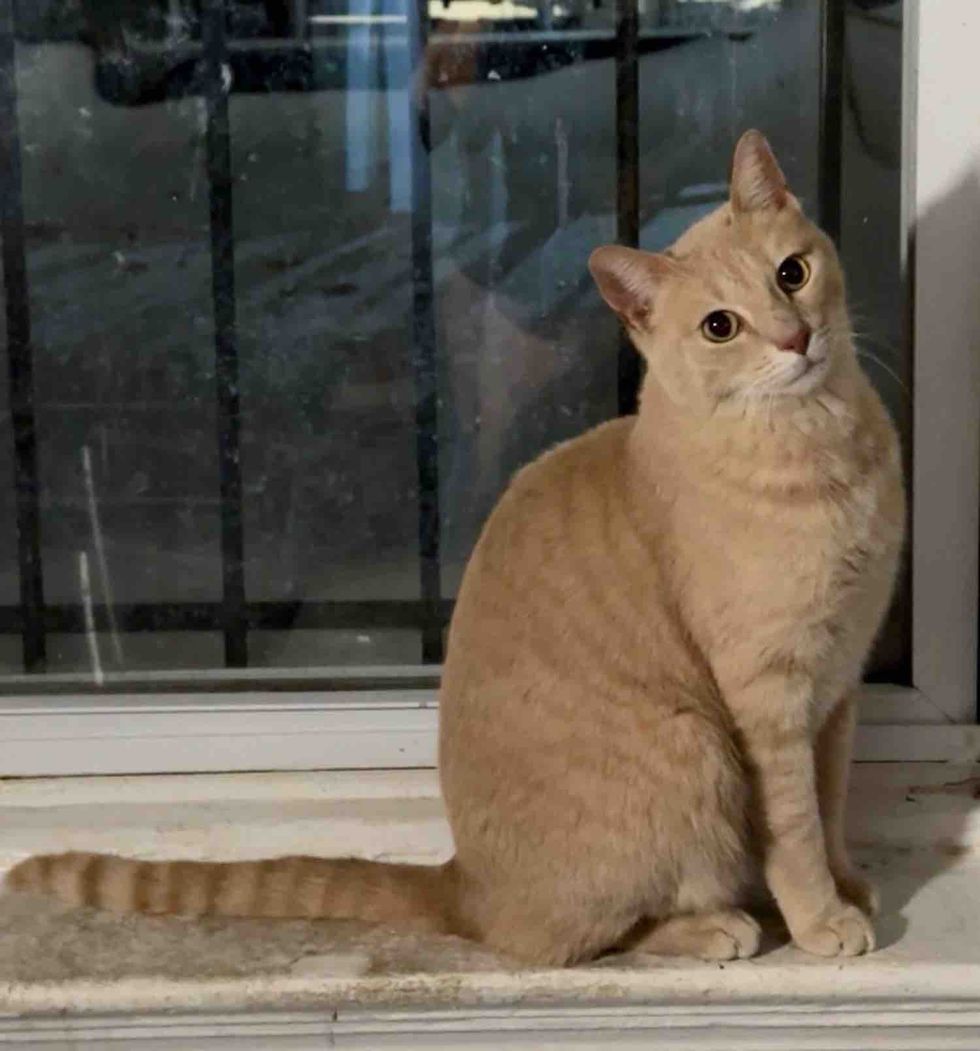
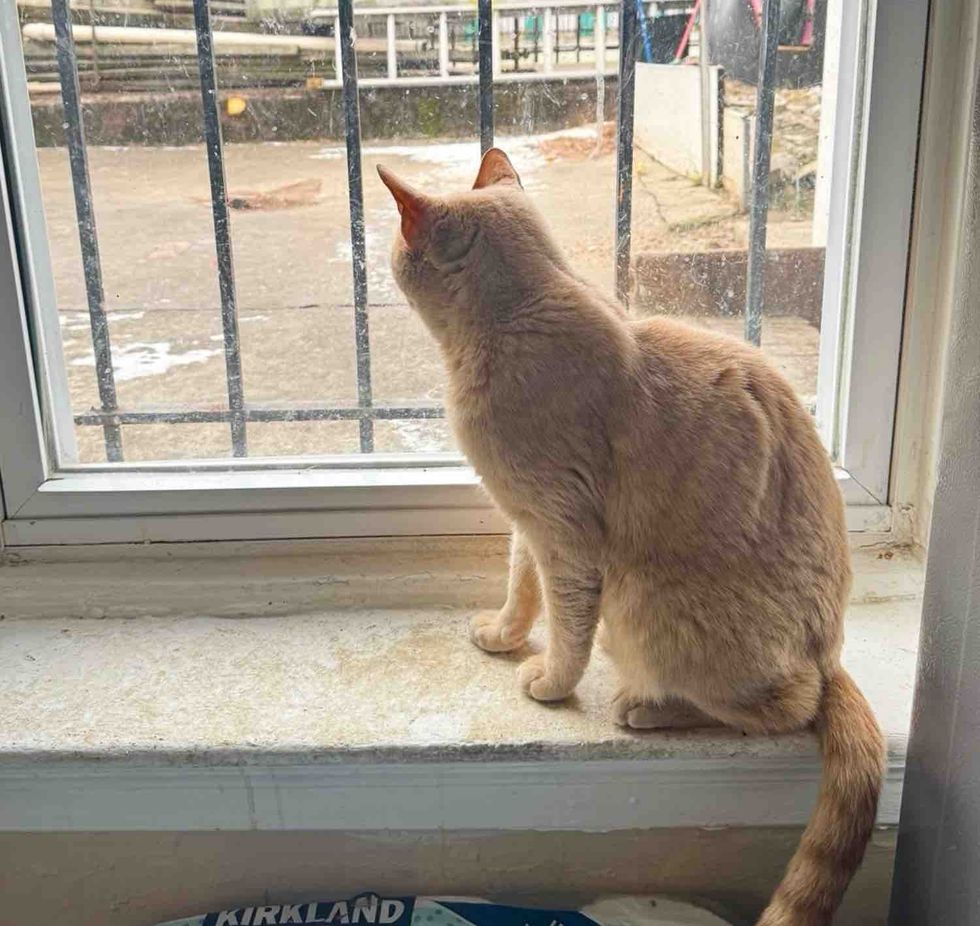
He claimed his favorite spot by the window, watching birds and small critters from the comfort and safety of his home.
He never left his foster home, now his forever homeLittleWanderersNYC
After everything he’d endured, Emmanuel finally found stability and endless love. “I wanted to give him that, not just temporarily, but for the rest of his life.”
He no longer cries at night, trying to climb into someone’s apartment, or faces another day without food. He has full bowls, cozy beds, and people who adore him deeply.
LittleWanderersNYC
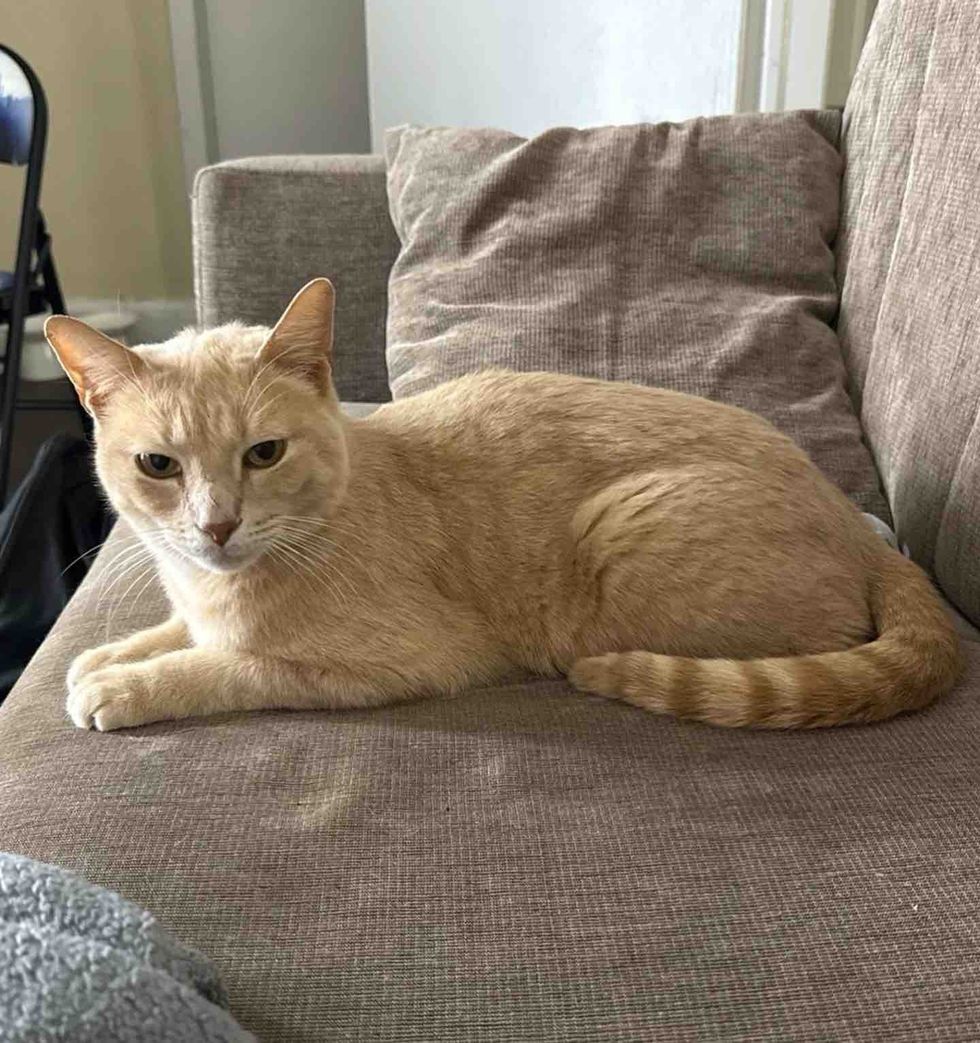
What began as a foster placement turned into a forever home. Emmanuel now lives happily with his family, far from the cold, unforgiving streets he once knew.
“I may not be able to save every cat in the world, but I can change one cat’s world, and I’m so glad I changed Emmanuel’s. Fostering saves lives, but adopting? That’s even better.”
LittleWanderersNYC
Share this story with your friends. If you’d like to foster or adopt, message Little Wanderers NYC on Instagram @littlewanderersnyc and Facebook, or email adopt.littlewanderersnyc@gmail.com
Related story: After Years Outside Gentle Tom Cat Stumbled Upon Person Who Let Him in and Showed Him Good Life
The entry-level camera market has withered. Companies that once competed fiercely for first-time buyers have largely abandoned the sub-$1,000 segment, preferring to chase higher margins on enthusiast and professional equipment. But slim pickings isn’t zero pickings.
Photography in 2025 looks different from what it did even five years ago, and not just because of sensors, codecs, or computational tricks. I think the biggest shift has been economic. For the first time in decades, access to truly capable photographic tools is no longer reserved for people with disposable income or institutional backing.





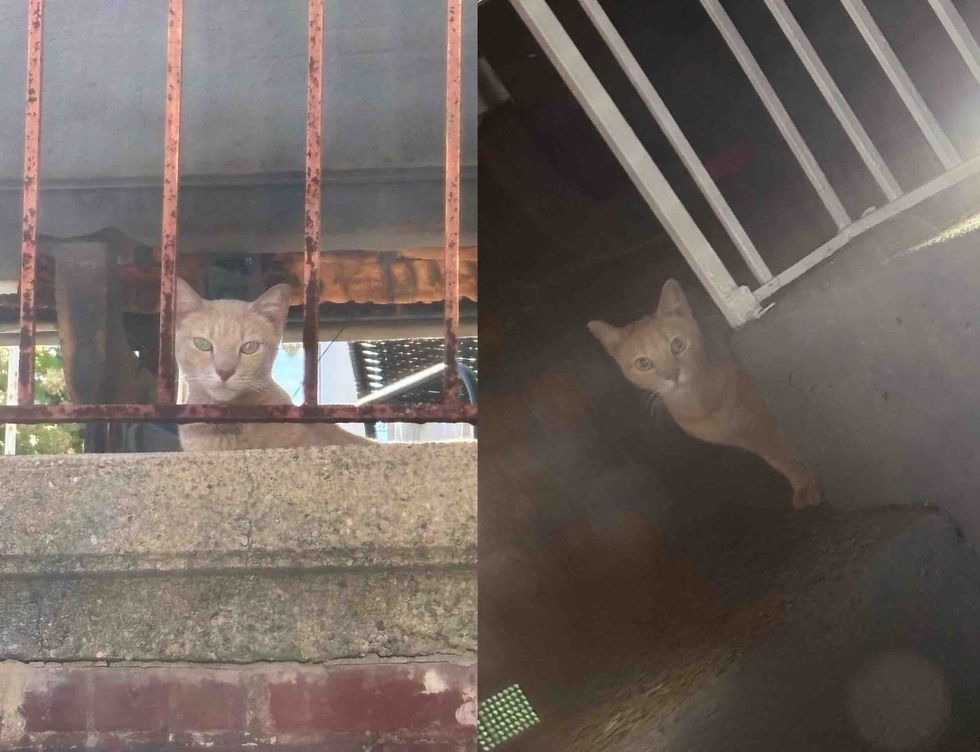 He was left to fend for himself on the streetsLittleWanderersNYC
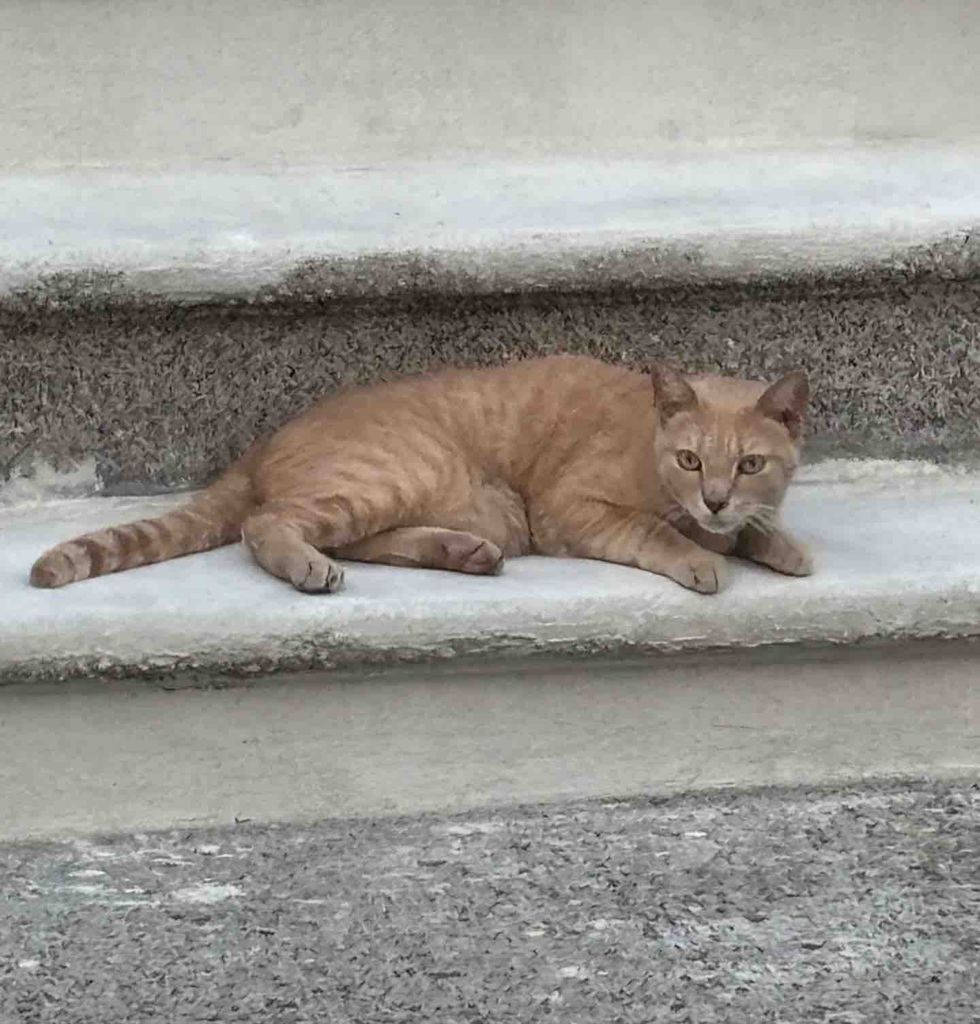 He tried to get back indoors every dayLittleWanderersNYC
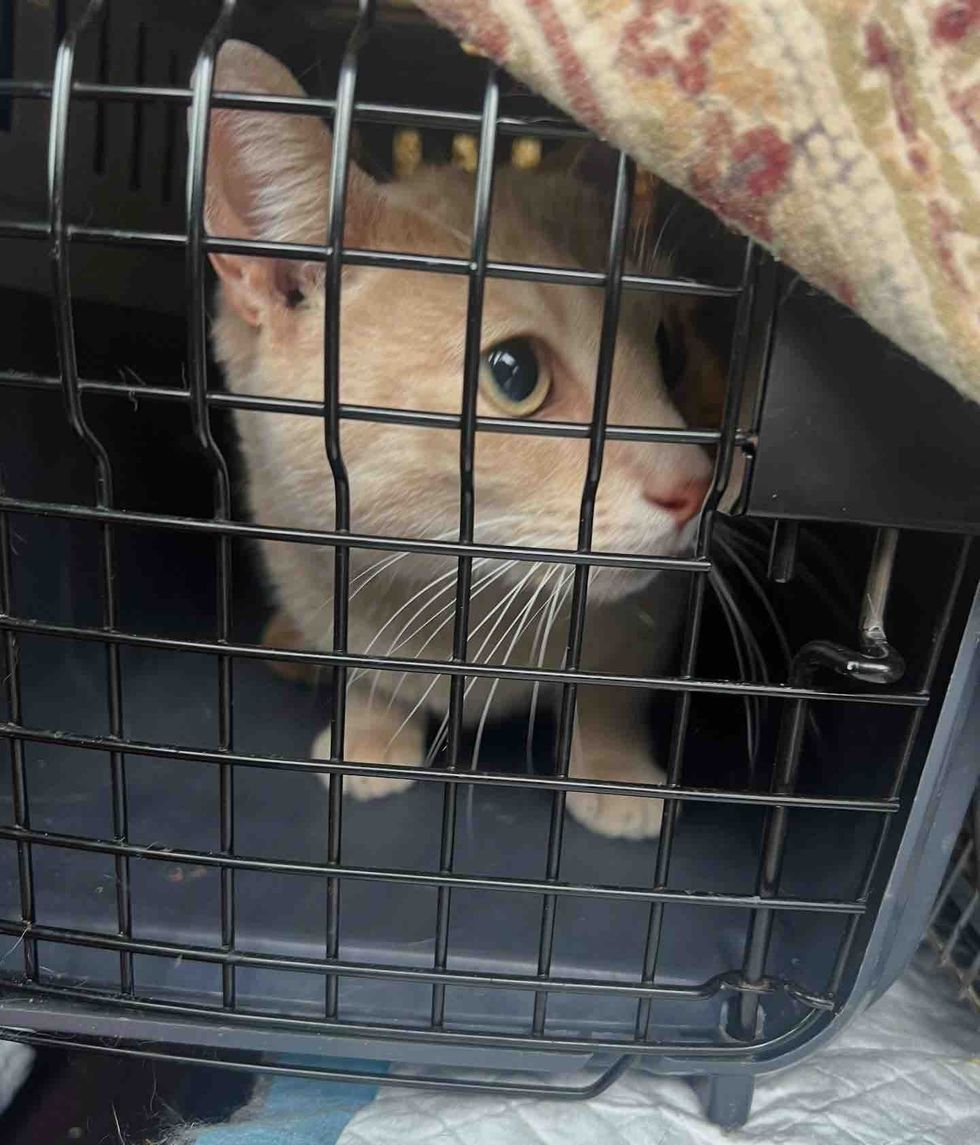 He was finally safeLittleWanderersNYC
 He rubbed against his foster family as if to say thank youLittleWanderersNYC
 He followed his people everywhere, wriggling his way into their heartsLittleWanderersNYC
 He never left his foster home, now his forever homeLittleWanderersNYC
 LittleWanderersNYC
 LittleWanderersNYC