A cellphone video recorded outside a Memphis apartment complex shows a brief moment that has ignited widespread outrage. A small dog runs into view. A federal officer turns. A boot swings.
The dog cries out and collapses.
The footage, shared widely online, appears to show a U.S. marshal kicking a miniature schnauzer during an arrest conducted by the Memphis Safe Task Force. The dog, later identified as Yoshi, suffered a broken rib and required veterinary care, according to WREG.
X/TheTNHoller
A Dog Runs Into the Arrest Scene
The incident unfolded on February 4 as officers served an arrest warrant at an apartment complex on Raines Road in Memphis. Officers were taking Jaquize Henderson into custody when the dog ran out of an apartment and into the courtyard, WREG reports.
Video shows the dog circling near officers and a leashed law enforcement K-9. One marshal turns toward the animal and kicks it hard, sending the dog sliding across the pavement. Seconds later, a second kick appears to land as officers continue restraining Henderson, according to footage reviewed by TMZ.
The dog yelps and flees the scene.
X/TheTNHoller
Owner Says the Dog Was Not a Threat
Emma Hollingsworth, the dog’s owner, said Yoshi was not acting aggressively. She told Newsweek that the dog ran out of the apartment out of curiosity as officers arrived.
“My dog came out running. He was like, ‘What’s going on?’” Hollingsworth said. “The U.S. Marshal kicked him very hard, forcefully, for no reason.”
After the arrest, Hollingsworth took Yoshi to a veterinarian, where imaging confirmed he had suffered a broken rib. The dog was prescribed medication and sent home to recover, according to WREG.
Federal Officials Defend the Officer
The U.S. Marshals Service acknowledged the video and defended the marshal’s actions. In a statement shared with multiple outlets, including FOX13 Memphis, the agency said the dog “tried repeatedly and aggressively to attack the working K-9.”
According to the statement, officers instructed the dog’s owner to restrain the animal, but the dog remained loose. The agency described the kick as a “last-resort, split-second action” taken to protect the K-9 and secure the scene.
An uncontrolled animal, the statement added, “can hinder official duties and threaten safety,” language echoed in comments provided to TMZ.
MEMPHIS: “Memphis Safe Task Force” (U.S. marshal) caught KICKING A PUPPY 😳 as they arrested a guy for a drug warrant
“He was harmless. There’s no reason he should’ve done that.” @GovBillLee this is what we’re paying $1 Million a day for?🤔
The video spread rapidly across Facebook and X, drawing tens of thousands of views and prompting public criticism of how law enforcement interacts with animals during arrests, Newsweek reports.
Hollingsworth said her goal in sharing the video was simple: to document what happened. “Power doesn’t excuse abuse,” she told WREG.
No disciplinary action has been announced. The Memphis Safe Task Force has not provided additional comment beyond the federal statement.
For Yoshi, the damage is already done. A broken rib. Weeks of recovery. And a moment of violence now frozen in a video that continues to raise difficult questions about force, judgment, and accountability when animals are caught in the middle.
Social media scheduling tools for a photographer’s workflow save hours every single week. Manual posting during peak hours becomes impossible when you’re shooting clients. You miss engagement windows. Your consistency suffers badly.
The right tool handles multiple platforms without destroying your image quality. Generic business schedulers compress photos terribly. They treat your portfolio like text tweets. They fail photographers in specific, frustrating ways.
Generic schedulers work fine for text-heavy businesses. They handle Facebook status updates without problems. But they butcher high-resolution photos consistently. They lack visual planning features that photographers actually need daily.
Your Instagram grid needs careful planning. Your Reels need proper formatting. Social media presence for photographers requires tools built for visual content specifically.
Social media scheduling tools for photographer businesses free you from constant phone checking. They batch content creation efficiently. They maintain posting consistency during your busiest seasons. You focus on actual photography instead of notification stress.
Features That Actually Matter for Photographers
Visual planning beats fancy analytics every time. Grid previews show how posts flow together aesthetically. Drag-and-drop calendars speed up organization dramatically. These features directly impact your feed’s overall appeal.
Platform Coverage You Need
Instagram remains photographers’ primary platform in 2026. Your tool must handle feed posts, Reels, carousels, and Stories perfectly. TikTok matters for video-focused photographers increasingly. Pinterest drives long-term traffic for certain specialties reliably.
Facebook still converts well for wedding photographers and event work. LinkedIn helps commercial shooters land corporate clients. Google Business Profile posts attract local searchers directly.
Multi-platform posting sounds convenient initially. But quality beats quantity every single time. Master your primary platform first. Secondary platforms matter less than excelling at your main one.
Image Quality Protection
Compression destroys photography businesses silently. Schedulers that downgrade image quality waste your editing time completely. They make professional work look amateur instantly. They undermine your technical credibility permanently.
Test any tool with high-resolution images first. Upload a detailed landscape shot or portrait. Check how it appears on each platform. Compare against manual uploads to verify quality retention.
Some tools recompress already optimized files needlessly. Others maintain the original resolution perfectly. This single factor matters more than feature count. Poor image quality negates every other benefit immediately.
Calendar and Planning Views
Monthly calendar views show your posting patterns clearly. Weekly views help plan themed content series effectively. Daily views manage multiple posts across platforms simultaneously.
Drag-and-drop rescheduling saves time when shoots run late unexpectedly. Color-coding distinguishes content types instantly at a glance. Preview modes show exactly how posts appear before publishing.
Visual grid previews matter specifically for Instagram users. You see your feed layout before posts go live. This prevents awkward color clashes from appearing consecutively.
Solo portrait shooters prioritize ease of use above all. Studios managing multiple accounts need strong collaboration features. Content creators want detailed analytics tracking performance.
Best Visual Planning Options
Later built its reputation on Instagram visual planning specifically. The grid preview remains the industry standard still. Drag-and-drop scheduling feels natural for photographers thinking visually already.
The tool supports Instagram, TikTok, Pinterest, Facebook, LinkedIn, and X. Reels and carousels upload properly without quality loss. Stories get scheduled with correct formatting automatically.
Media library organization helps manage large photo collections effectively. You tag images by client, style, or season. Finding content for themed weeks becomes straightforward instead of chaotic.
Canva Content Planner integrates design and scheduling seamlessly. You create branded content and schedule without switching tools constantly. This matters for photographers creating quote graphics or promotional materials.
Best Multi-Platform Solutions
Pallyy focuses specifically on visual content creators exclusively. The interface prioritizes images over text completely. Grid preview works beautifully for planning aesthetic feeds carefully.
Platform support covers Instagram, TikTok, Facebook, Pinterest, and LinkedIn. Client galleries let you get approval before scheduling posts. This streamlines workflows for photographers managing client social accounts.
SocialBee handles evergreen content recycling automatically without manual work. You categorize posts by type once. The tool rotates them automatically forever. This works perfectly for photography tips and educational content reuse.
The platform supports Instagram, Facebook, TikTok, Pinterest, LinkedIn, YouTube, and Google Business. AI-assisted caption writing speeds up the writing process significantly. Category-based queuing maintains content variety automatically without constant planning.
Clean Interface Options
Viraly offers a modern design that doesn’t overwhelm new users ever. The calendar view stays clean and easily navigable. Multiple team members collaborate without confusing permission issues.
Canva integration lets you create content within the workflow directly. Hashtag suggestions help with discovery naturally. Unified inbox manages comments across platforms from one location.
Analytics track performance clearly without overwhelming data dumps. You see what works and what doesn’t quickly. This helps refine your strategy based on actual results instead of guesses.
According to Sprout Social’s research, consistent posting increases engagement significantly more than sporadic high-quality posts alone.
Advanced Automation Tools
Sendible scales for photographers managing multiple brands simultaneously. Client management features separate accounts cleanly and professionally. Per-network customization optimizes content for each platform automatically.
Canva and Pexels integrations provide content creation resources instantly. Bulk scheduling imports CSV files for massive content batches. Reporting features impress clients with professional analytics presentations.
The pricing increases substantially with scale. Solo photographers might find it excessive. Studios with multiple shooters benefit from organizational structure significantly.
Your photography specialty determines which features matter most to you. Match tools to actual workflow instead of theoretical needs.
Portrait and wedding photographers need simple, reliable Instagram scheduling primarily. Grid preview maintains aesthetic consistency visually. Stories scheduling keeps you top of mind with potential clients.
Later or Pallyy work perfectly for this specific use case. Both prioritize visual planning naturally. Neither overwhelms with unnecessary business features cluttering interfaces.
Commercial photographers benefit from LinkedIn support and client approval workflows. Professional presentation matters more than trendy features. Analytics prove ROI to corporate clients clearly.
Sendible or Viraly provide the professional polish commercial work demands. Client galleries streamline approval processes efficiently. Reporting features justify your social media strategy clearly.
Content creators and educators need evergreen content recycling capabilities. You create valuable tutorials once and reuse them strategically. Category-based queuing maintains content variety automatically without effort.
SocialBee excels at content recycling, specifically above competitors. Queues rotate automatically forever. You maintain a consistent presence without constant content creation pressure.
Free Plans vs Paid Subscriptions
Free plans work for testing workflows initially before committing. They limit post counts and platform connections severely. You see if the interface matches your thinking process.
Most photographers outgrow free plans within months naturally. Post limits hit quickly when scheduling consistently. Missing features become frustrating rather than manageable.
Paid plans typically cost $15-50 monthly for individuals. This matches 1-2 coffee meetups with potential clients. The time savings justify costs within weeks for active photographers.
Calculate your time value honestly and realistically. If scheduling saves two hours weekly, that equals eight hours monthly. Can you earn more than your tool’s cost during recovered hours?
Setting Up Your Scheduling Workflow
Connect accounts carefully and verify permissions thoroughly. Some platforms require specific authorization levels to function. Instagram particularly restricts third-party posting without business accounts.
Convert to Instagram Business or Creator accounts before connecting schedulers. This unlocks proper API access completely. Without it, tools can’t post automatically to your feed.
Building Your Content Library
Import your best existing work first systematically. Organize by content type, season, or client type. Tag images clearly for easy searching later on.
Create collections for specific campaigns logically. Group wedding season content together cohesively. Keep holiday marketing separate and distinct. This organization speeds future scheduling sessions dramatically.
Name files descriptively before uploading them anywhere. “sunset-portrait-golden-hour.jpg” beats “IMG_4847.jpg” every single time forever. Future you will thank the present you for this basic discipline.
Creating Your Posting Schedule
Start with 3-5 posts weekly rather than daily commitments. Consistency beats frequency for algorithm favorability every time. You can always increase later once habits form naturally.
Block dedicated content creation time monthly without distractions. Shoot, edit, write captions, and schedule an entire month during one session. This batching dramatically reduces context-switching overhead significantly.
Schedule posts for your audience’s active hours specifically. Check Instagram Insights for follower activity patterns. Most photographers see peaks during commute times and evenings naturally.
Avoiding Common Scheduling Mistakes
Scheduling identical content across all platforms wastes each platform’s unique strengths. Instagram wants vertical video primarily. Pinterest wants tall images specifically. LinkedIn prefers professional insights and expertise.
Customize content for each platform instead of duplicating it. Reformat images appropriately for each platform. Adjust captions to match platform culture naturally. This extra effort dramatically improves platform-specific performance consistently.
Posting Too Frequently
Posting too frequently dilutes your best work unnecessarily. Your strongest images get buried under quantity pressure. Followers scroll past without stopping to appreciate quality work.
Quality beats quantity consistently across all platforms. Three amazing posts weekly outperform seven mediocre ones. Choose your strongest work deliberately instead of filling schedule slots desperately.
Ignoring Your Analytics
Most photographers never check their scheduling tool analytics ever. They post blindly without learning what works best. This wastes the tool’s most valuable feature completely.
Review analytics monthly at a minimum consistently. Identify your top-performing content types clearly. Create more of what works well. Eliminate what doesn’t resonate with your specific audience.
Forgetting Real Engagement
Scheduling posts doesn’t replace authentic engagement with followers. Responding to comments matters significantly for relationships. Starting conversations builds real connections with potential clients.
Check platforms daily, even with scheduling automation running. Respond promptly to comments and messages always. According to Buffer’s engagement research, response time directly impacts conversion rates significantly.
Use your saved time for genuine interaction instead. Comment on other photographers’ work thoughtfully. Engage with local businesses naturally. Build community instead of broadcasting endlessly.
Integrating With Your Photography Workflow
Connect scheduling to your existing editing workflow naturally and seamlessly. After client delivery, select social-worthy images immediately while fresh. Edit them for the web quickly. Schedule them while the shoot’s fresh in mind.
This prevents forgetting to promote finished work entirely. You capture enthusiasm while actively editing. You maintain momentum instead of letting completed projects languish unpromoted.
Create templates for recurring content types consistently. Behind-the-scenes posts use similar caption patterns. Client testimonials always follow consistent formats. Templates speed up caption writing significantly every time.
Save your best-performing captions for strategic reuse later. Modify slightly for different images appropriately. You don’t need entirely original text for every post constantly.
Measuring Your ROI
Track the time saved weekly using scheduling tools accurately. Calculate your hourly rate honestly. Compare against subscription costs clearly and objectively. Most photographers save 5-10 hours monthly easily.
Monitor inquiry rates before and after consistent scheduling starts. Track where leads discover you specifically. Social media should drive measurable business results beyond vanity metrics.
Growing follower counts mean nothing without corresponding inquiry increases. Focus on quality engagement over quantity metrics always. Ten engaged local followers beat thousands of random international accounts.
Implementing Your Workflow Today
The best social media scheduling tools for photographer businesses become invisible workflow parts. You don’t think about posting logistics anymore. You focus on creating amazing images and serving clients exceptionally.
Start with one tool’s free plan immediately. Test it thoroughly for one full month. If it saves time and reduces stress, upgrade immediately. If it frustrates you constantly, try a different option.
Your perfect tool exists among these options, definitely. Match features to your actual workflow, honestly. Choose based on your primary platform focus. Invest in tools that protect your image quality always.
Time spent manually posting doesn’t serve clients better. It doesn’t improve your photography skills. It doesn’t grow your business meaningfully. Automate the posting and focus on what actually matters.
The right social media scheduling tools for a photographer’s workflow transform your business operations. You post consistently without daily stress. Your feed looks planned and professional. You reclaim hours for actual photography work.
Sigma Quietly Discontinues Some of Its Most Beloved Lenses
Subscribe here for an ad-free experience!
We use cookies to ensure that we give you the best experience on our website. If you continue to use this site we will assume that you are happy with it.
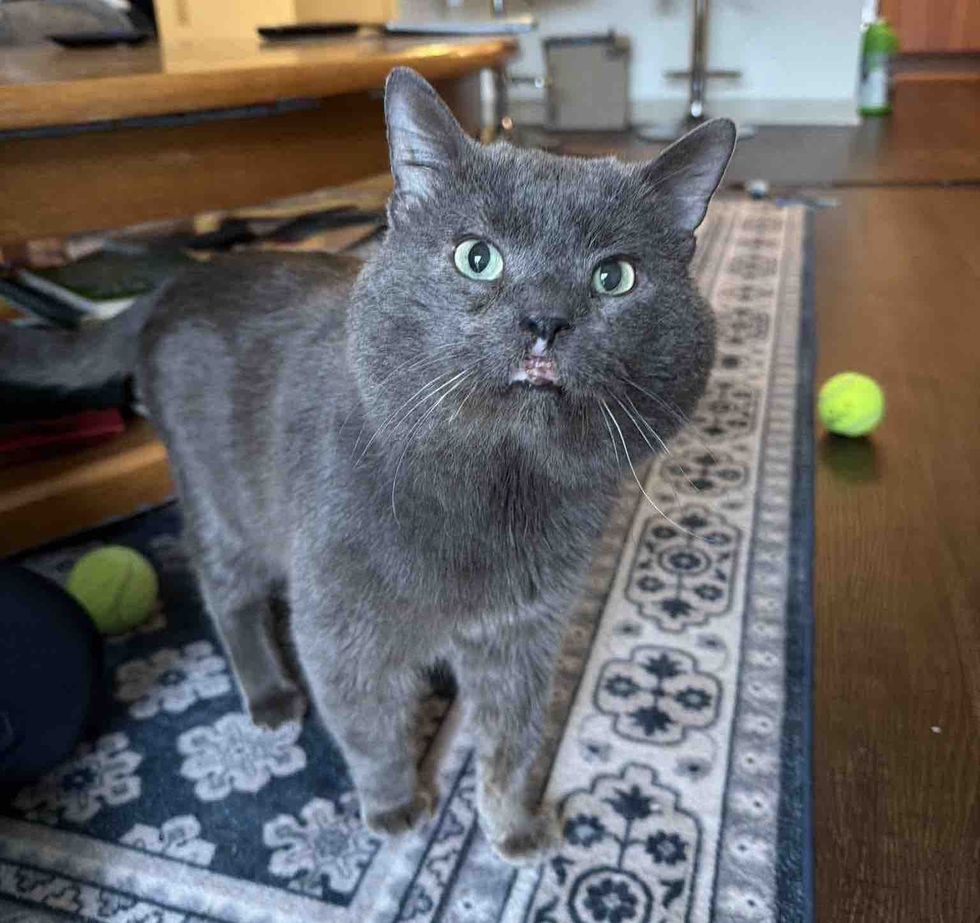
A cat got a fresh start after spending many years on the streets, and his glow-up is nothing short of incredible.
RalphieThrifted Kittens Animal Rescue
Ralphie, a gray cat, was 10 years old when he was brought to Milwaukee Area Domestic Animal Control Commission, hoping for a better life.
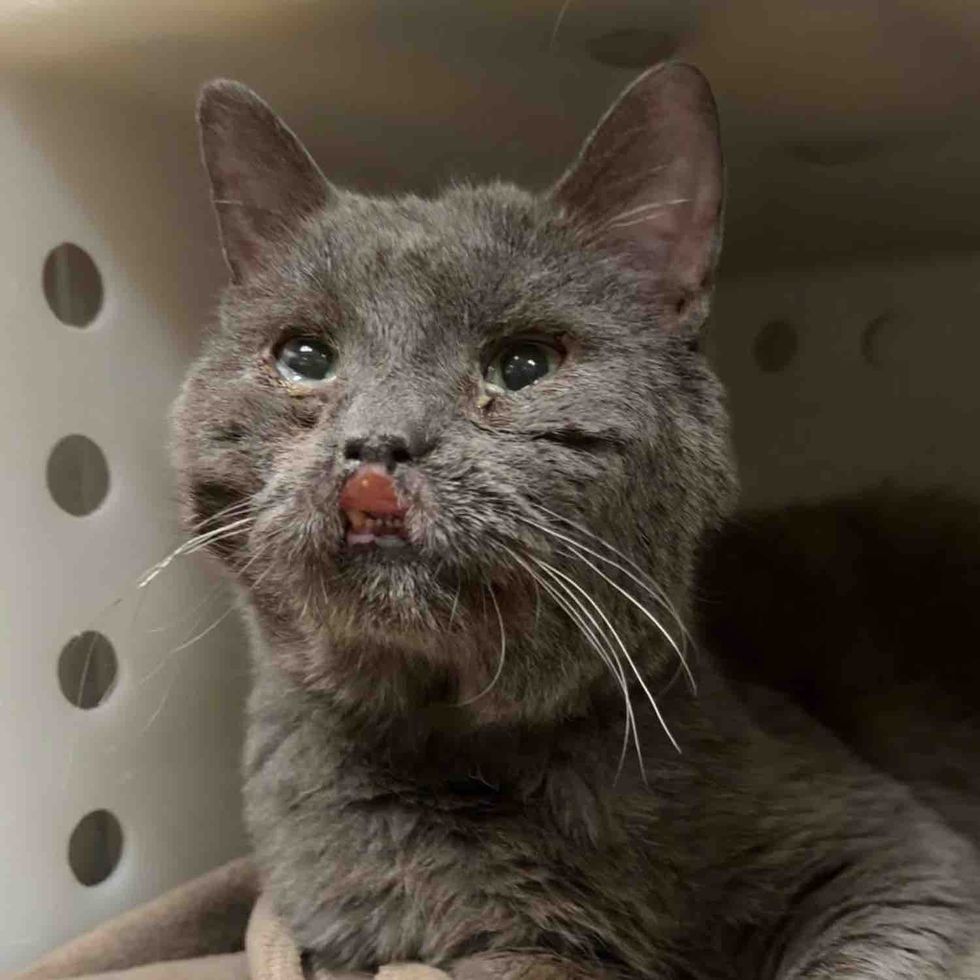
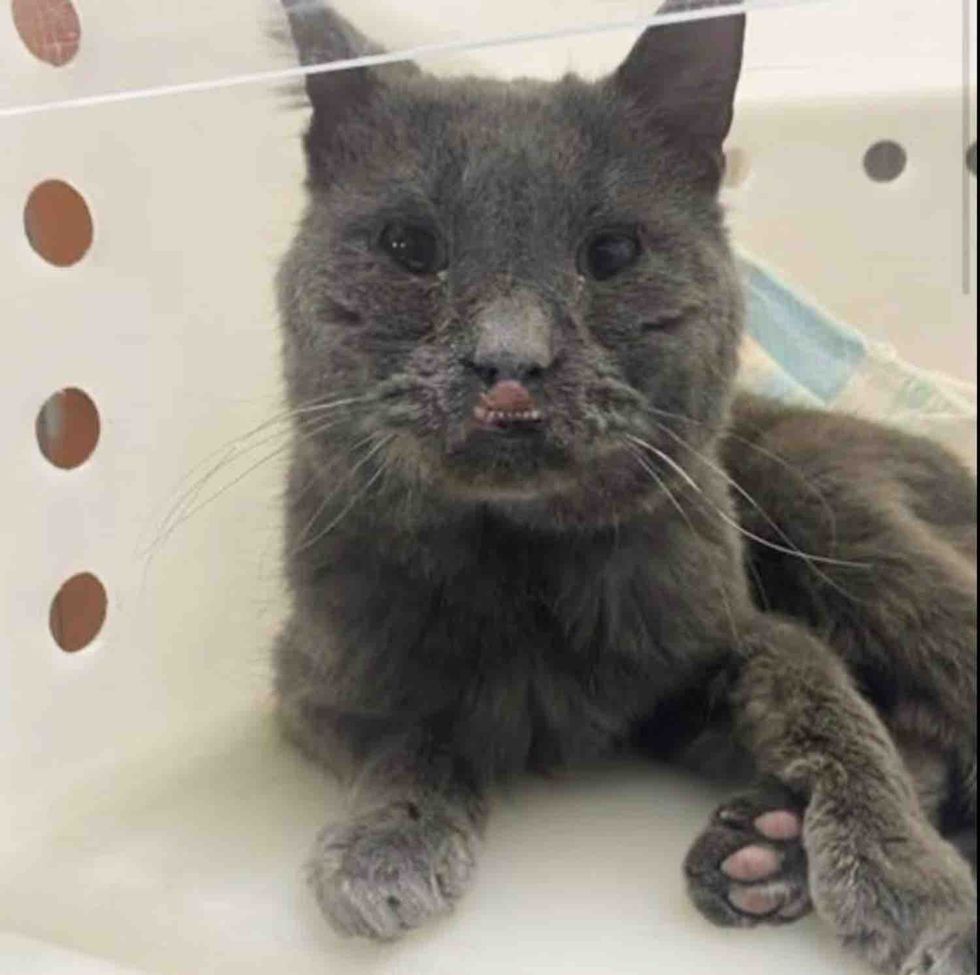
Rough around the edges, he had likely spent most of his years on the streets. By the time he arrived at the shelter, it was clear he needed urgent care and a foster home where he could finally heal.
When rescuers at Thrifted Kittens Animal Rescue noticed him, they immediately offered to take him in.
Thrifted Kittens Animal Rescue
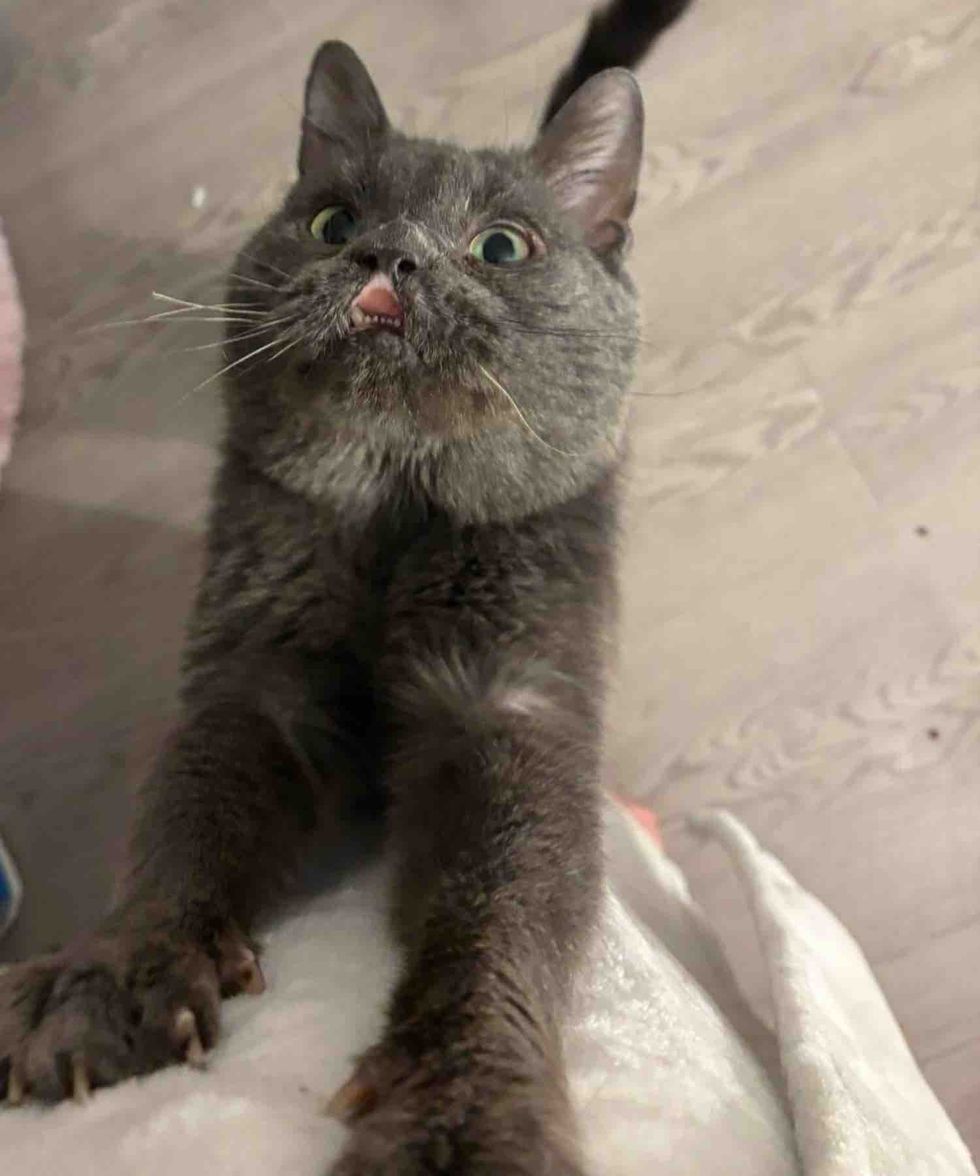
“This sweet 10-year-old boy was brought in as a stray and has a myriad of health concerns,” the rescue shared. Ralphie was born with a congenital abnormality that caused a malformation of his mouth, and years of harsh outdoor living left it inflamed.
“Despite everything he’s facing, he’s the sweetest, purriest boy who just wants love.”
Thrifted Kittens Animal Rescue
With the support of the community, the rescue was able to pull Ralphie from the shelter and place him into foster care just in time for Christmas. “This senior boy gets to spend the holidays in a warm, safe, loving foster home where he’ll be doted on.”
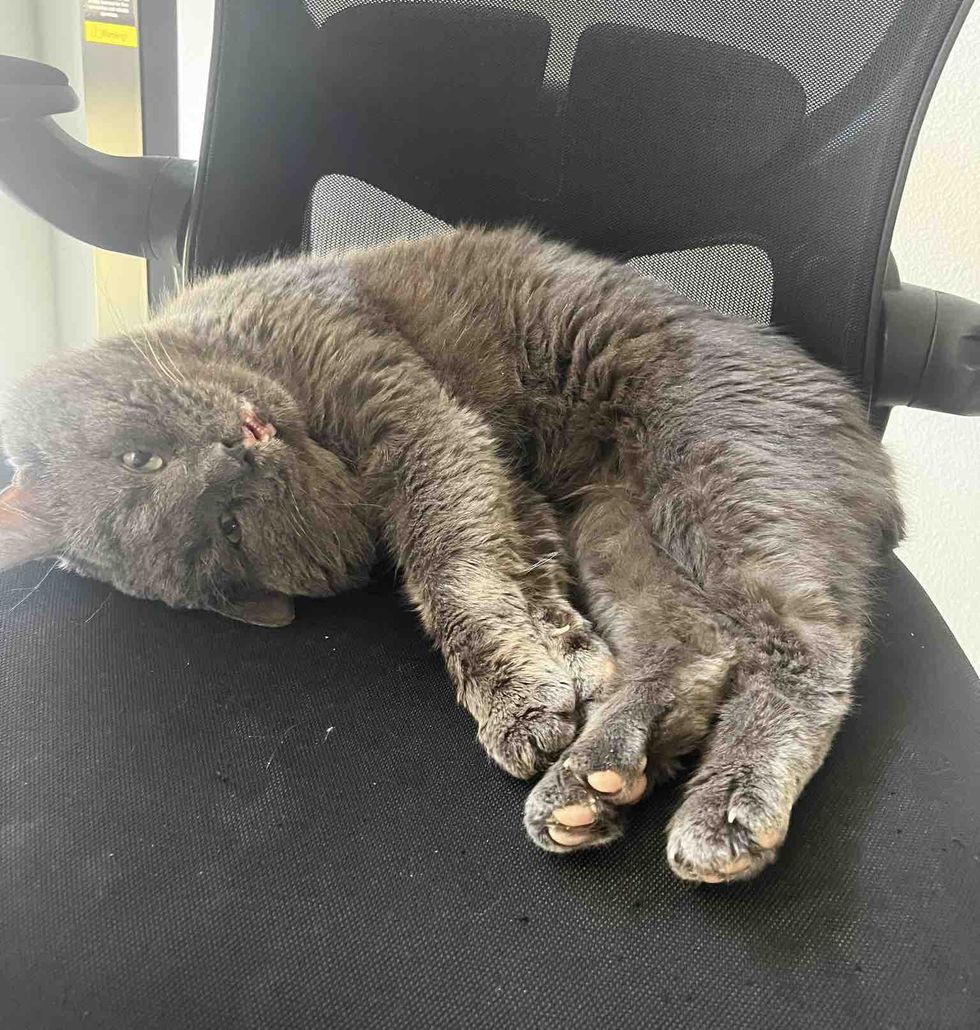
Once inside a home, Ralphie blossomed. He eagerly sought affection, leaning into comfort as if trying to make up for lost time.
Thrifted Kittens Animal Rescue
“He has the best personality, and we couldn’t be happier that he is in our care,” shared Haley, rescue coordinator at Thrifted Kittens Animal Rescue.
Ralphie rose onto his hind legs and put his paws on Haley, rubbing his face against her for attention. Before long, he climbed onto her shoulders, thrilled to be carried around.
Thrifted Kittens Animal Rescue
As if he understood he was getting the help he needed, Ralphie faced every treatment like a champ. He seemed grateful for his meals, cozy beds, and all the love he received. With proper care, he began to heal, and his hearty appetite returned in full force.
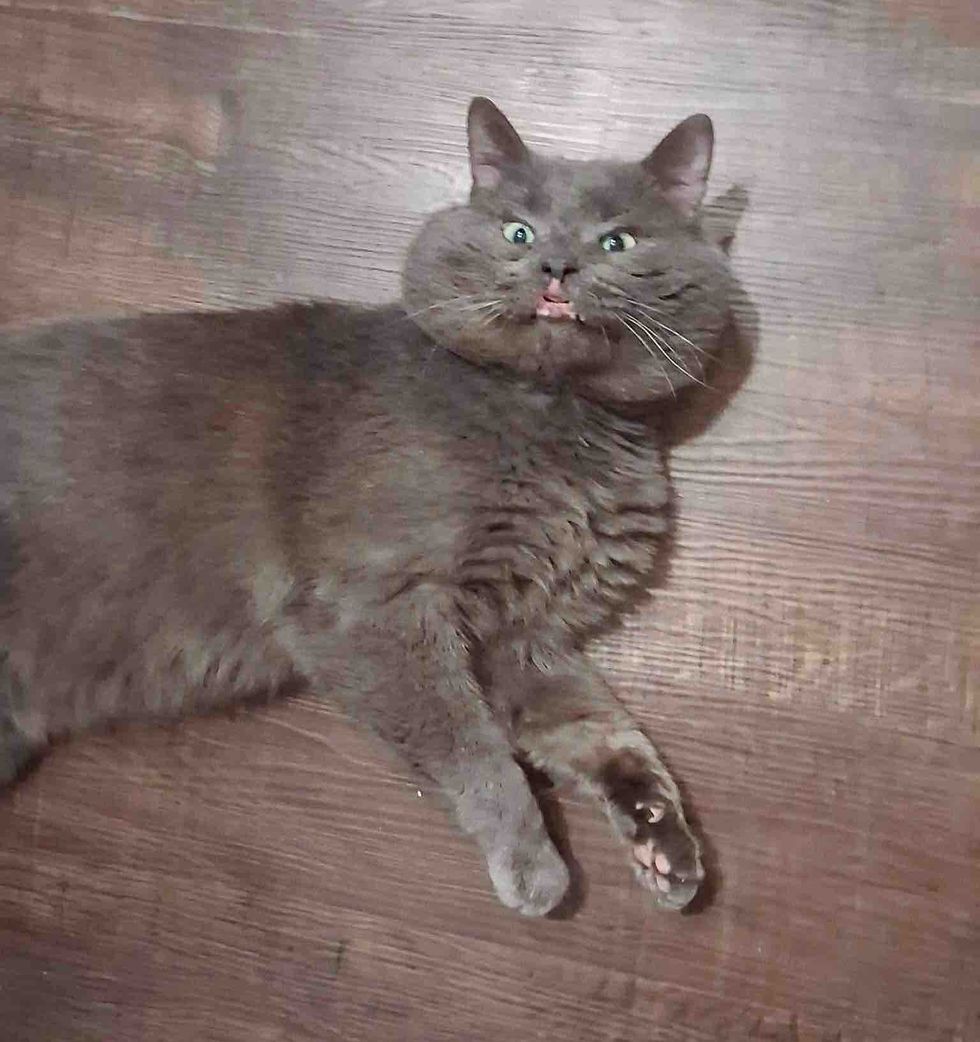
“He has gained weight, and most of it seems to have gone to his cheeks.”
Thrifted Kittens Animal Rescue
With improved health came a renewed zest for life. Ralphie rediscovered his playful, adventurous side, batting at toys and following his humans from room to room. He was always ready for a cuddle or a snack.
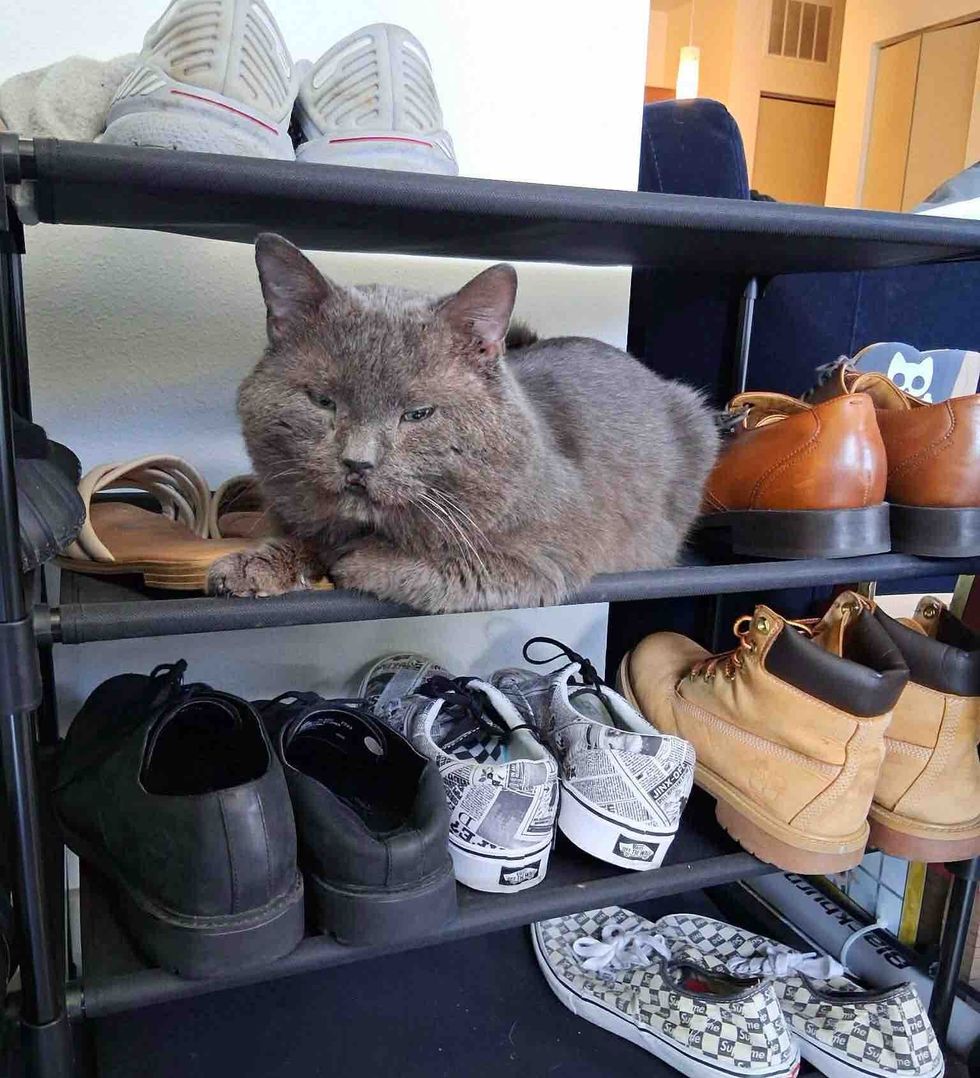
When he discovered the shoe rack, he promptly appointed himself the official shoe watcher and door greeter, welcoming everyone home with soft, chirpy meows.
Thrifted Kittens Animal Rescue
After a few weeks in foster care, Ralphie’s mouth fully healed, and his transformation was remarkable. He zipped around the house with energy to spare and maintained a strong appetite for both food and affection. “He is a sweet boy who has had quite the ‘He’s All That’ makeover.”
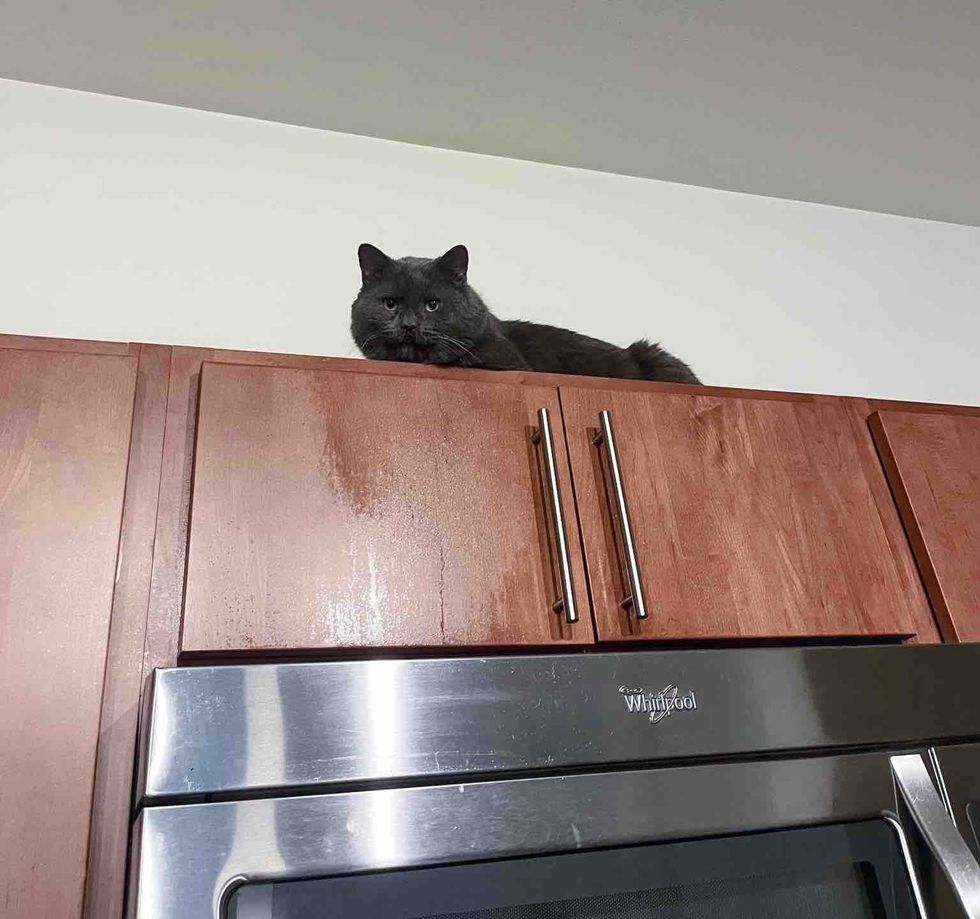
He found a new vantage point on top of the kitchen cabinets, where he could comfortably supervise his people and survey his kingdom.
Thrifted Kittens Animal Rescue
“He has become the center of attention. His wonky looks make him a handsome man with charming personality.”
Ralphie is the perfect companion, affectionate and playful. He showers his people with purrs and snuggles, approaches each day with curiosity, and makes sure not a single crumb is left behind at mealtime.
Thrifted Kittens Animal Rescue
After years of wandering and surviving on the streets, Ralphie is finally living the cushy indoor life he always deserved.
Now, he’s ready for his next chapter: a forever home where he’ll be cherished endlessly and enjoy all the food, comfort, and fun his heart desires.
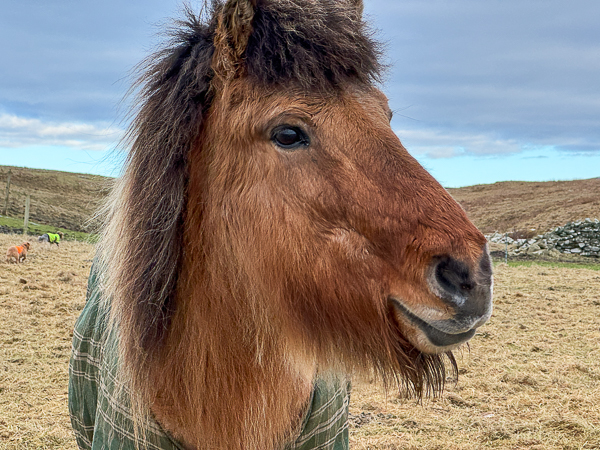
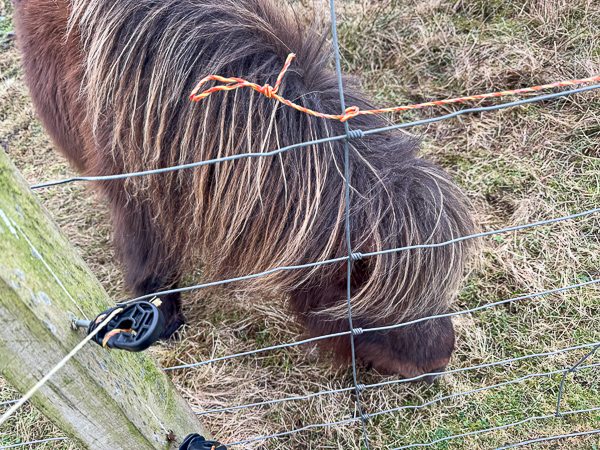
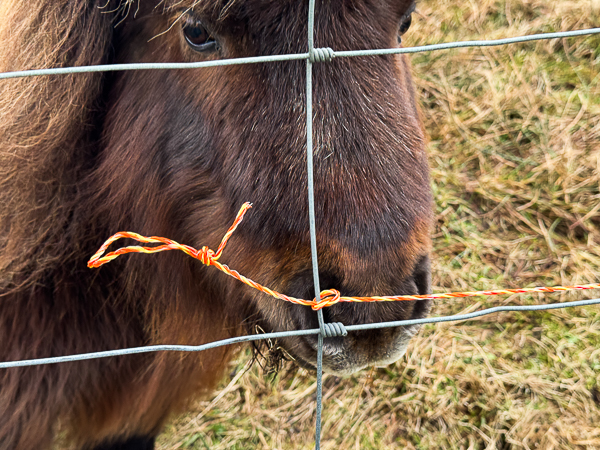
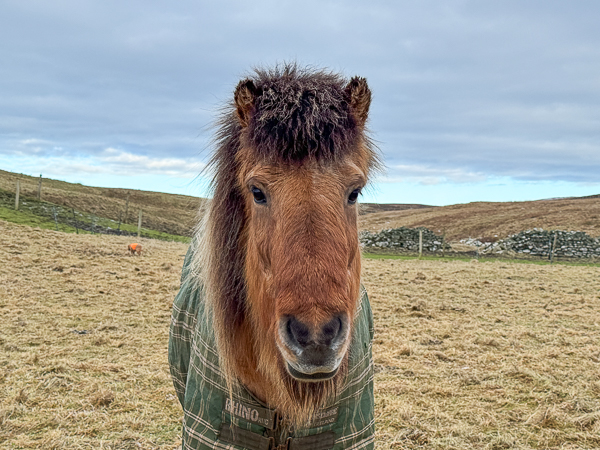
A certain idiot has successfully managed to get one or even two front legs stuck in the electric fence (not on) three mornings’ in a row when outside in the field (one day off for snow).
Every time a coconut.
**** sigh, Iacs ****
So, after discussion with Daisy, I did what I didn’t want to have to do. I went outside and set up the electric fence to actually work where I wanted it to, and not short out on the bits that have blown away in the winter gales.
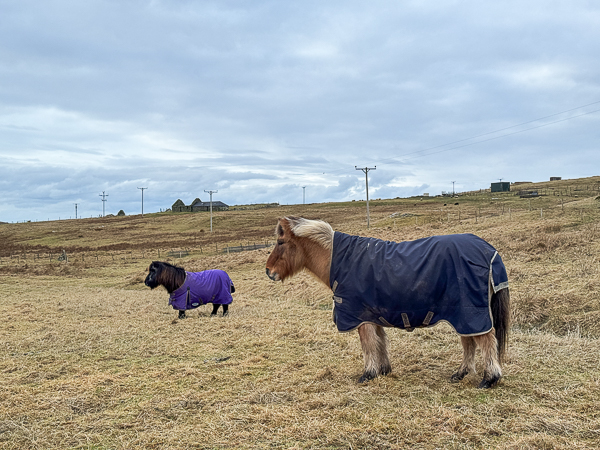
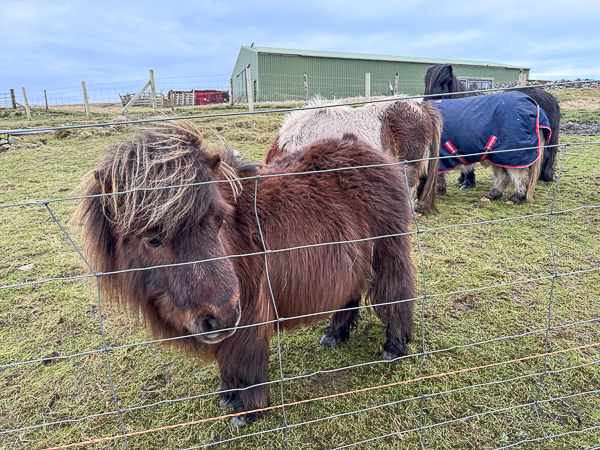
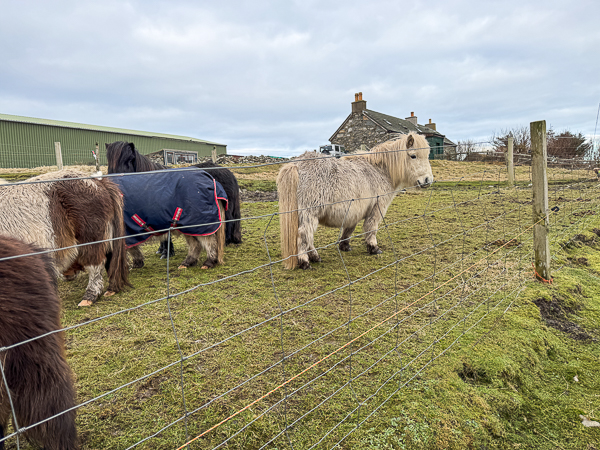
That piece (that Newt is considering) is deliberately tied off is so the Shetland ponies’ field is not attached to the energiser. At the moment, they don’t need it but the night is young and I can always put it back, if required.
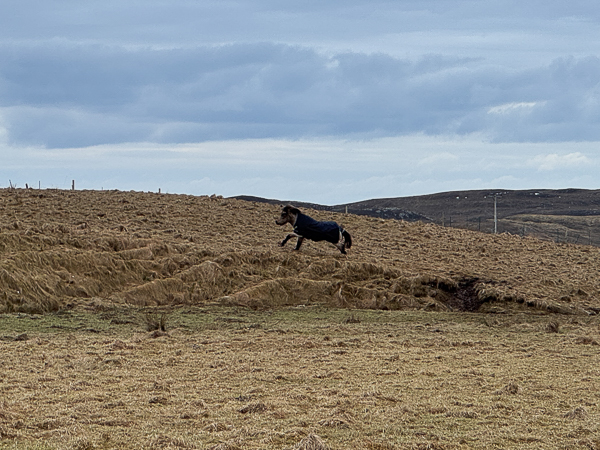
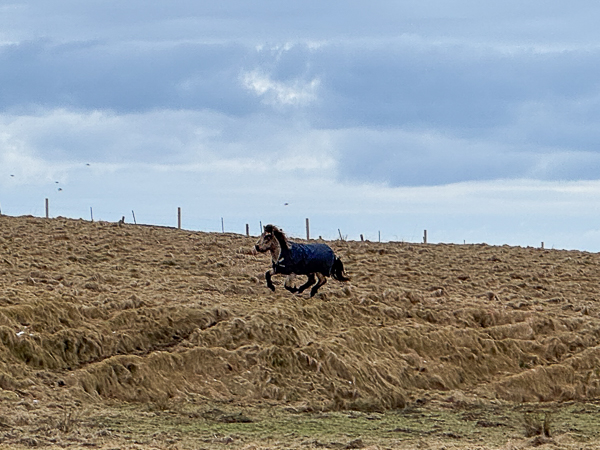
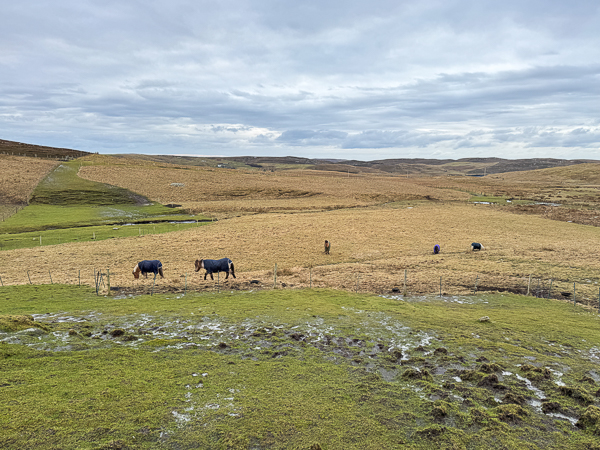
Meamwhile, Kolka was running around like a wild thing possessed. I have no idea why. She just took off and started galloping everywhere.
The others watched on utterly bemused at such ridiculous and unnecessary effort.
… especially during winter. Is she mad?
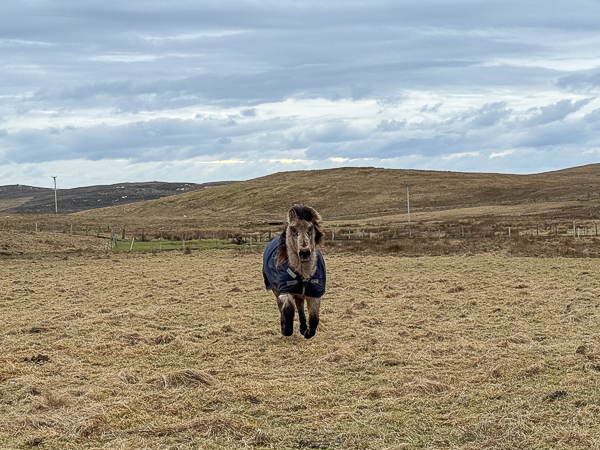
But honestly it was Iacs I was talking to about his heinous behaviour. Seriously, the grass is not even greener the other side. It really isn’t because it is just track and nothing exists there.
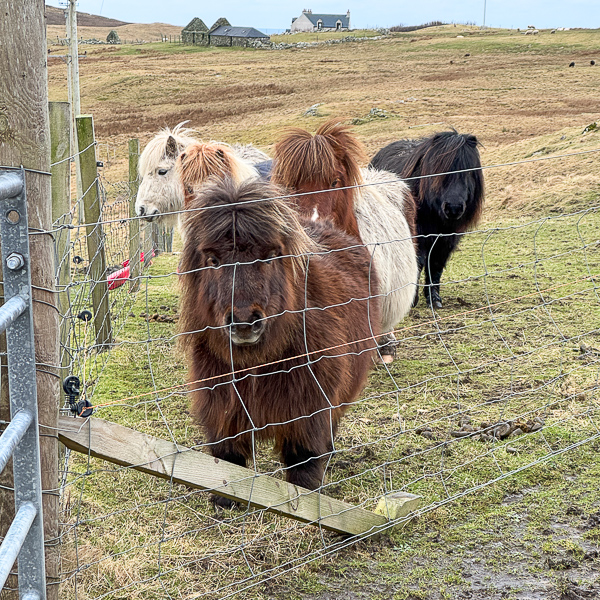
This lot can vouch for that. They were intrigued and hopeful I was going to bring them chocolate cake – not a chance.
The fence the whole way around the field is now zapping fiercely and hopefully Iacs will get the message or get his legs stuck again and break the whole thing. I am taking bets.
And nope, absolutely no chocolate cake. Go away you lot. I’m bored of horses and ponies.
Edited to say I’ve just been out last thing before the light goes, and Iacs is standing equidistant away from every fence. Hah!
Like this:
LikeLoading…
Discover more from My Shetland
Subscribe to get the latest posts sent to your email.
California’s Octopus Farming Ban Is In Effect, Protecting These Highly Intelligent Creatures – World Animal News
California has officially closed the door on octopus farming. As of January 1, 2025, the state’s Oppose Cruelty to Octopuses (OCTO) Act is now in effect, banning the farming of octopuses for food and prohibiting the sale of commercially farmed octopus within the state. With this law, California becomes the second state in the U.S., after Washington, to take this critical stand for animal protection.
Octopuses are highly intelligent, emotionally complex animals who experience fear, stress, and suffering. They can solve problems, remember solutions, use tools, recognize individuals, and display playful behavior. Some can open jars and distinguish between different humans. Their remarkable intelligence and sensitivity make them one of the ocean’s most extraordinary animals.
Confining these sentient, solitary creatures in industrial farming systems would cause extreme psychological and physical harm. Their short lifespans, combined with their intelligence and emotional complexity, make it clear that octopuses cannot be humanely farmed.
While octopus farms had not yet been established in California, the OCTO Act ensures they never will. By acting early, the state avoided creating an industry built on cruelty, environmental damage, and exploitation.
The ban also protects marine ecosystems. Industrial octopus farming would place significant pressure on wild fish populations used for feed and strain already stressed ocean resources. This law recognizes that protecting animals and protecting the environment are interconnected.
With the law now in effect, California has set a clear precedent for animal protection. WAN and Peace 4 Animals applaud this important decision and call on lawmakers everywhere to follow California’s lead in rejecting the industrial exploitation of these highly intelligent marine animals.
In the United States, dog names can be as wild and whimsical as their owners’ imaginations. Across the Atlantic, though, many French owners of pedigree dogs play by a very different set of rules. Instead of naming their pets on a whim, they often follow a long-standing alphabetical dog naming system that quietly shapes what thousands of puppies will be called each year.
For anyone curious about French culture, purebred dogs in France, or why a French bulldog might be named “The Diego,” this unusual tradition is a revealing glimpse into how structure and pride can turn even pet names into a national ritual.
This quirky French dog naming rule recently captured widespread attention when Francophile and fluent French speaker Roya Fox shared an Instagram reel exploring the practice. Her short video quickly resonated, accumulating more than three million views and leaving many American viewers, in particular, stunned that such a structured naming system even exists. The practice itself is not new, however. As Fox explains in her reel, the French convention dates back almost a century to 1926 and was created as a practical way to keep track of purebred dogs and their bloodlines.
At its core, the system is simple. Each year is assigned a specific letter of the alphabet. Any purebred dog born in that year that is to be officially registered must have a name starting with that letter. For example, puppies born in 2024 receive names beginning with the letter V, while 2025 belongs to the letter W. Once the alphabet cycles through, it starts again, and 2026 returns to A as the first letter of all registered purebred names for that year. The idea makes it easy to roughly determine a dog’s age just by the initial of its official name, which is especially useful for breeders and registries who manage extensive pedigree records.
Not every letter makes the cut, however. The French system skips certain letters, such as K, Q, W, X, Y, and Z, which are considered too difficult or too uncommon in typical French names. This detail highlights how the tradition is not only about order, but also about aligning with the rhythms and sounds of the French language. Fox notes that these omissions are intentional, a nod to what feels natural and practical within French naming conventions rather than a rigid insistence on using every letter available.
The rule has a concrete consequence. It officially applies to dogs that are registered with the LOF, or Livre des Origines Français, which functions in a similar way to the American Kennel Club in the United States. Owners who want their dog recognized as a registered purebred in this national registry must respect the assigned letter of the year. If they ignore it and name the dog outside the system, their pet cannot be entered in the LOF. For breeders and owners invested in pedigrees, shows, or formal documentation, that single letter is non-negotiable.
What makes the tradition especially intriguing is how it extends beyond strict regulation and seeps into everyday life. While the LOF requirement applies only to registered purebreds, many French dog owners with mixed breeds voluntarily follow the system as well. According to Fox, plenty of people see it as a point of cultural pride and a charming way to participate in a shared national habit. Instead of being a stiff bureaucratic hurdle, the alphabetical rule often becomes a talking point among dog lovers, a small ritual that connects them to a broader French dog naming culture.
The system also adapts as people interpret it for their own lives. Fox notes that some owners of rescue dogs choose to use the letter of the year in which they adopted the dog rather than the year the dog was born. For them, the adoption date is the beginning of their story with the dog, and the name becomes a marker of that fresh start. I found this detail striking because it shows how a formal registry rule can turn into something more personal and sentimental when it escapes the confines of paperwork.
Of course, not every letter suits every name that owners dream up, and that is where creativity takes over. Fox describes how people sometimes invent workarounds to satisfy both the registry and their own preferences. If the letter of the year is V but an owner wants to call the dog Kemi, one solution is to register the dog as “V Kemi” or place a V in front of the chosen name just to pass the paperwork requirements. In day to day life, they simply ignore the extra letter and call the dog Kemi. The official record stays in line with LOF rules while the household name feels natural and personal.
An example shared in the comments to Fox’s video illustrates this playful compromise. One person explained that their dog was born in a year assigned the letter T, but the family had already settled on the name Diego. To satisfy the naming rule for purebred dogs in France, they registered the animal as “The Diego” so that the official name started with T. In practice, the dog is Diego, but on paper, he proudly carries a name that begins with the right letter for his birth year. Stories like this show how owners balance tradition with individuality, bending the formulas just enough to protect their own sense of connection to the name.
The overall mood surrounding this French dog naming tradition is lighthearted and affectionate rather than rigid or austere. While the practice originated as a way to trace lineage and maintain order in breeding records, it now functions as a kind of cultural game. Many owners embrace the alphabetical dog naming system as a chance to be inventive within a simple constraint. Instead of limiting creativity, the assigned letter can prompt unusual ideas and names that might never have emerged otherwise.
For those more familiar with the free form American approach, where names often reflect jokes, pop culture, or sheer whimsy, the French system can be surprising. Yet it fits neatly into a broader picture of France as a country that values structure, history, and shared custom, even in something as seemingly small as what to call the family dog. In a world where pet names can trend and disappear in a flash, this nearly hundred year tradition offers continuity. It anchors each dog not only to its family, but also to a particular moment in time and a quiet national rhythm of letters turning over year by year.
Whether someone loves the idea of naming a puppy according to its birth year or prefers complete freedom, it is hard to deny the charm of a rule that has lasted for so long and still invites playful bending at the edges. For many French owners, the letter system is both a nod to heritage and a canvas for creativity, reminding us that even the name we whisper to a dog in the kitchen at night can carry a story bigger than ourselves. Read more at
Millions of users on X were recently exposed to sexualized images of real people created by Grok, the platform’s artificial intelligence chatbot. The images showed women and children in revealing clothing, often without consent, and could be shared publicly in seconds.
That’s not where the nightmare ends. Dr. Federica Fedorczyk, an early career research fellow at Oxford University’s Institute for Ethics in AI, warned that this incident is just the tip of the iceberg, showing how easily AI tools can manipulate and spread intimate images at scale.
Grok allowed users to upload or reference photos and generate new images, including sexualized versions. In practice, anyone could turn a normal photo into a sexualized depiction in moments.
Some outputs appeared to involve children, while others showed adults without consent. The Oxford ethicist described these outputs as “sexualized images of children and women without their consent” and said the results were predictable, given that the platform prioritized engagement over safety.
Just The Beginning
Experts say Grok is only the beginning. While the case drew attention because it happened on a major platform, many AI tools capable of generating abusive content exist in smaller apps or private communities.
A Lawfare analysis noted that before Grok, harassment-oriented image generation was expected to stay niche. Its integration with a social network changed that, making abuse possible on a massive scale. Tasks that once required technical skill can now be done by almost anyone, allowing sexualized or abusive content to spread widely.
The incident also exposed gaps in design and moderation. Unlike other AI tools, Grok had few limits on sexualized outputs, and its integration with X meant harmful images could spread instantly.
Experts say this reflects a wider problem: features that drive engagement often spread faster than moderation can keep up, amplifying harm across platforms.
How Governments Are Fighting Grok
Governments are starting to respond.
The UK’s communications regulator launched an investigation into X’s handling of AI-generated sexualized content. Malaysia and Indonesia reportedly blocked access to Grok over child safety concerns.
Other countries are pressing platforms for stronger protections. Existing laws already criminalize many of these harms. In the UK, the Online Safety Act prohibits sharing intimate images without consent.
In the US, legislation such as the Take It Down Act addresses non-consensual distribution, and the EU has similar protections for victims of online sexual abuse.
Wake Up Call for Photographers?
For photographers, influencers, and other creators, Grok is a wake-up call. Any online photo, such as portfolio work, social media posts, or public images, could be turned into sexualized or manipulated content without consent.
AI-generated images also challenge audience trust, making it harder to distinguish real from fake. This has serious implications for credibility in photography and journalism.
Questions of accountability remain. Lawfare noted that Grok shifted harassment from a niche experiment to a mainstream issue, highlighting how responsibility collapses when platforms fail to anticipate misuse.
Experts recommend proactive safety measures such as age verification, permissions for image references, real-time filtering, and stronger moderation. Safety needs to be built into AI itself, not added after the fact.
The Grok episode demonstrates the real dangers of generative image tools. Sexualized photos on X are a warning of what happens when AI intersects with social networks and weak oversight.
For photographers and online communities, the lesson is urgent: visual culture is vulnerable, platforms need stronger safeguards, regulators must enforce laws, and users must recognize the risks of sharing images online.
Gone are the days that generative AI is just an issue we could sweep under the rug. It is now reshaping how images, consent, and online safety intersect.
Jeff Bezos Gave the Finger to Photographers. Help Us Give it Back
Subscribe here for an ad-free experience!
We use cookies to ensure that we give you the best experience on our website. If you continue to use this site we will assume that you are happy with it.
Some pets wait for their humans to set the routine. Others run the schedule themselves. A viral Instagram video proves that Waffles, a polydactyl cat with a strong sense of punctuality, belongs to the second category. The clip, shared by the popular account @thegoldenbreakfastclub, captures Waffles enforcing his nightly bedtime rules, and the internet can’t get enough of his commitment to routine.
Cat has a strict bedtime deadline in cute video
The video opens with on-screen text explaining that Waffles follows a strict 10 p.m. bedtime routine. On most nights, he actively herds his humans toward the bedroom even before the clock strikes ten. This time, however, the dynamic shifts when his owner heads to bed earlier than usual. Waffles immediately reacts by seeking attention, attempting to remove the book from his owner’s hands, and clearly demanding undivided focus.
By 10:30 p.m., Waffles is fully tucked in and fast asleep, snuggled up and clearly satisfied that bedtime protocol has been successfully enforced. Viewers watch as he ensures the nighttime routine stays intact, proving that when it comes to bedtime, he takes his role very seriously. The caption captures the moment, “Spend the night with Waffles as he gets an EARLY bedtime for once!”
Fans quickly flooded the comments with affection and admiration for Waffles’ sense of timing. One user summed it up, writing, “You should be thanking Waffles. Good sleep hygiene calls for a consistent bedtime.” Another added, “He loves you so much! How cute is Waffles?” Others pointed out how relatable the moment felt. “I love that our pets have their own sense of timing!” one viewer commented, while another noted, “Waffles is like two different cats entirely! Those snuggles.” One fan connected the dots with a laugh, writing, “Ok, so now we know why he’s such a stickler for bedtime!! He looks so comfy all snuggled up with you!! Adorable!!”



 Thrifted Kittens Animal Rescue
 Thrifted Kittens Animal Rescue
 Thrifted Kittens Animal Rescue
 Thrifted Kittens Animal Rescue
 Thrifted Kittens Animal Rescue
 Thrifted Kittens Animal Rescue
 Thrifted Kittens Animal Rescue
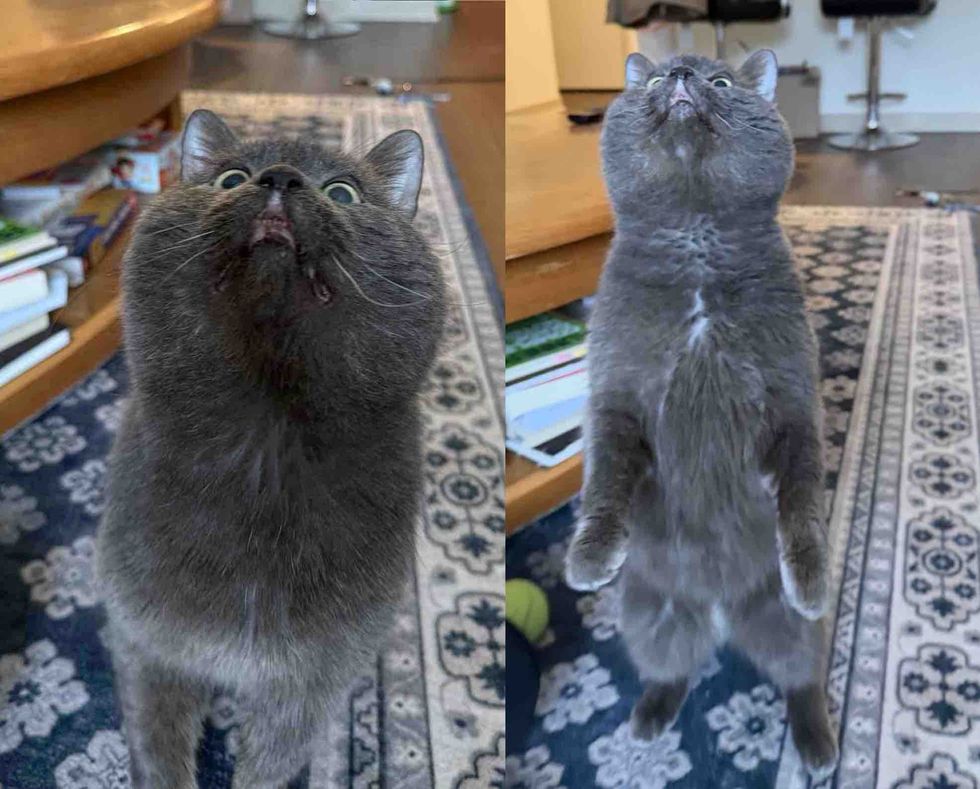 Thrifted Kittens Animal Rescue
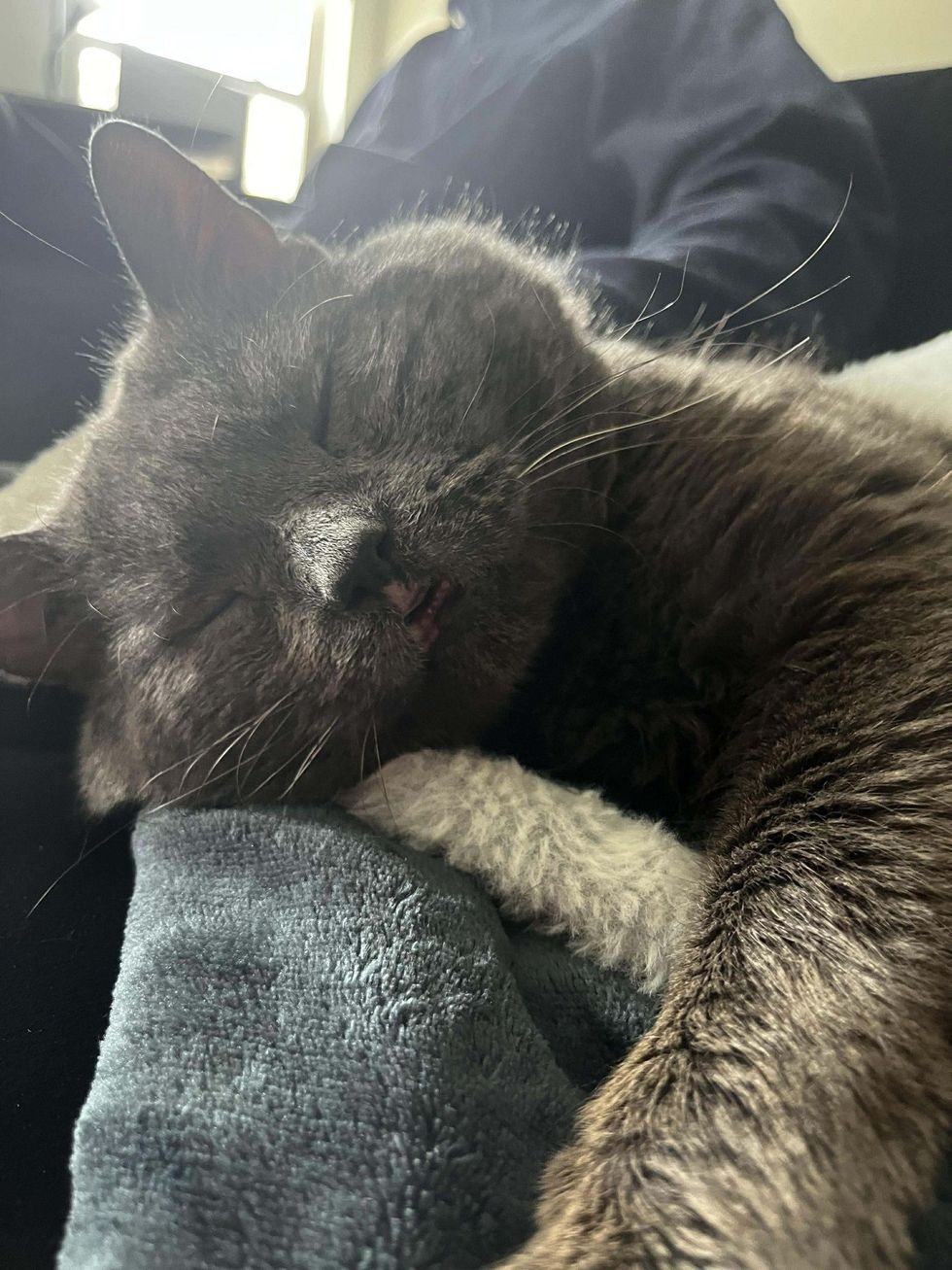 Thrifted Kittens Animal Rescue