
BBC Expert Says Trump’s Ceasefire With Iran Is ‘Fragile And Tattered’ After Israeli Strikes
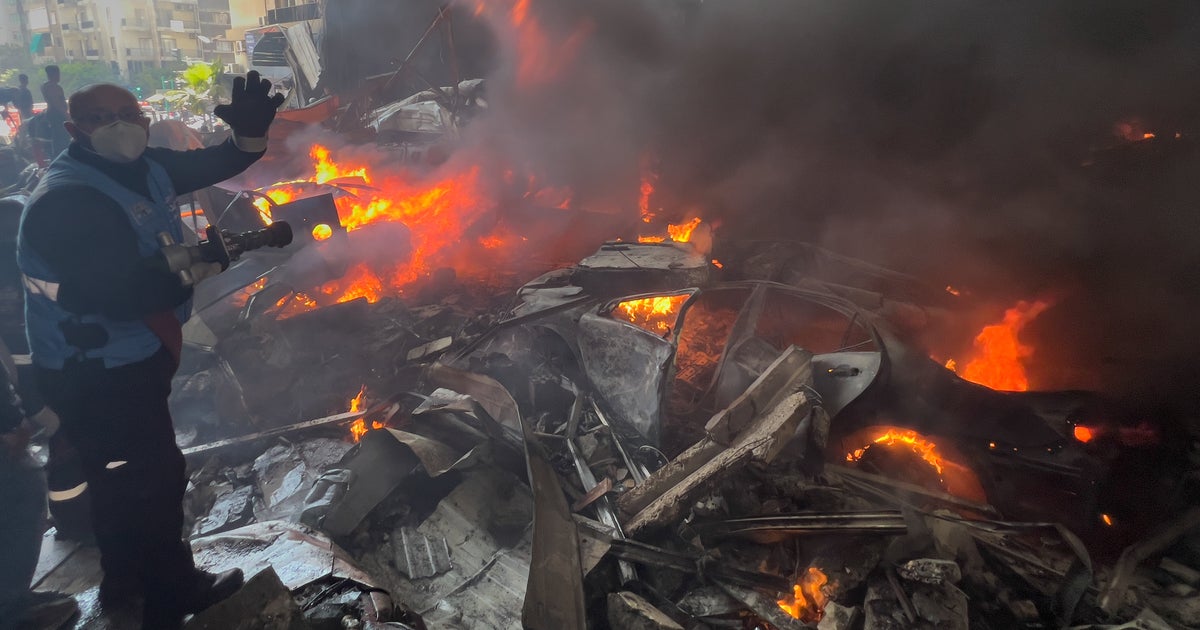
The BBC’s international editor warned that Donald Trump’s ceasefire deal with Iran is “fragile and tattered” after Israel launched strikes against Lebanon.
Tehran insists that its agreement with the US – and Israel – included an end to all attacks against allies in the region.
However, the White House is denying such a claim, with US vice-president JD Vance calling it a “misunderstanding” over the terms of their agreement.
Speaking on BBC Radio 4′s Today programme, the corporation’s international editor Jeremy Bowen said the ceasefire is “fragile and tattered” right now as a result.
He said: “I personally find it, having looked at the Middle East for many many years, Lebanon and Israel, I find it very hard to believe that that strike yesterday – hitting 100 targets in 10 minutes, causing massive damage and loss of life inside Lebanon – I find it hard to believe it is not connected to the fact that the Israelis want to continue the war against Iran.”
He also pointed out that the Pakistani prime minister Shehbaz Sharif, who mediated the ceasefire, posted on social media that Lebanon was part of the ceasefire when describing the original deal.
Bowen also noted that Israeli prime minister Benjamin Netanyahu has been insisting he will continue trying to “reshape the Middle East in Israel’s interest”.
The specialist took issue with Trump’s claim of “complete victory” over Iran, too.
He continued: “You can argue very strongly with the American characterisation that they’ve had scored a massive victory here because while they’ve had many tactical successes, they clearly strategically have not got that.
“But they have given [Iran] a hammering.”
Bowen said that, as a result, Tehran would not be willing to give up control of the major shipping lane, the Strait of Hormuz.
Iran effectively closed the waterway over the last five weeks in response to the US-Israel strikes, causing oil prices to shoot up around the world.
Bowen said: “So what Iran has now is the control of the Strait of Hormuz. They are aware of the power of that.
“And sure, they’re not going to give it up easily because without that, they give up their influence.”
Subscribe to Commons People, the podcast that makes politics easy. Every week, Kevin Schofield and Kate Nicholson unpack the week’s biggest stories to keep you informed. Join us for straightforward analysis of what’s going on at Westminster.