
All crops in Minecraft and how long they take to grow

Players can grow all kinds of crops in Minecraft. Some crops can be grown to get basic food items early in the game, while others can offer other resources like paper, sugar, and even become a fuel for the furnace. However, each crop takes a certain amount of time to fully grow. Furthermore, the time it takes to grow heavily depends on random game ticks and how players farm in general.
Here are all the crops in Minecraft and the estimated times they take to grow fully.
Crops in Minecraft: Growth times and mechanics
Here is the table for all the crops in Minecraft and how long each of them takes to grow:
As the table above shows, there is a vast difference in growth times between crops in Minecraft. This is mainly because each of them has different stages in which they grow. Furthermore, a particular crop can grow slowly or quickly depending on the way players farm them, and on random tick rates. Here is a more detailed explanation of how crop growth times vary in the game.
Also Read: Minecraft: How to grow crops faster using bees
Growth mechanics for crops in Minecraft
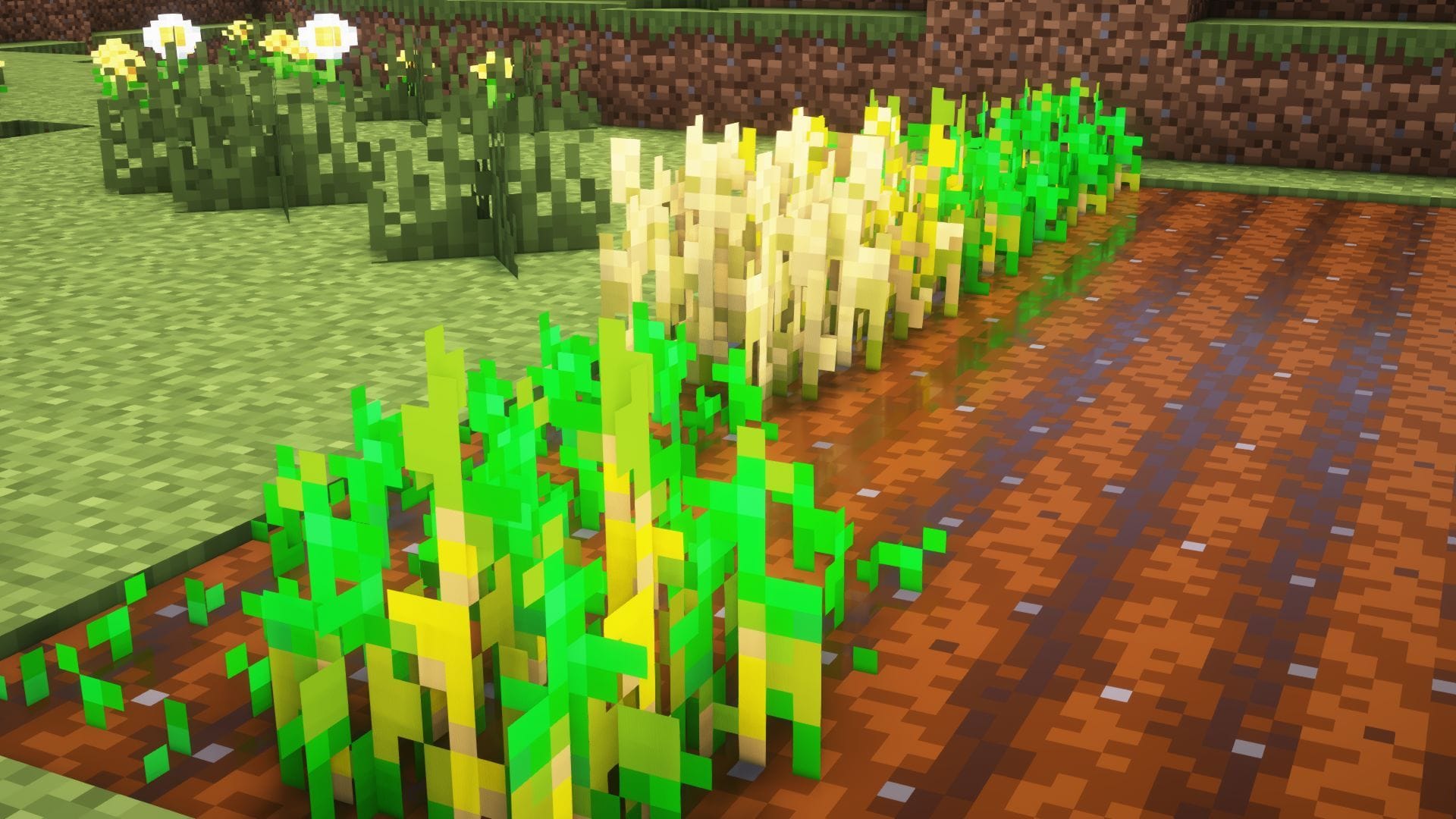
Crops in Minecraft grow based on random ticks rather than fixed timers. This means they do not grow at consistent intervals. On average, a crop receives a random tick update once every 68.27 seconds in Java Edition (204.8 seconds in Bedrock Edition). However, even this time can vary significantly.
A crop may grow immediately after being planted or progress to multiple stages in quick succession, but it is a rare occurrence. Every time a crop is updated, it has a chance to progress to the next growth stage, but its growth depends on several environmental factors.
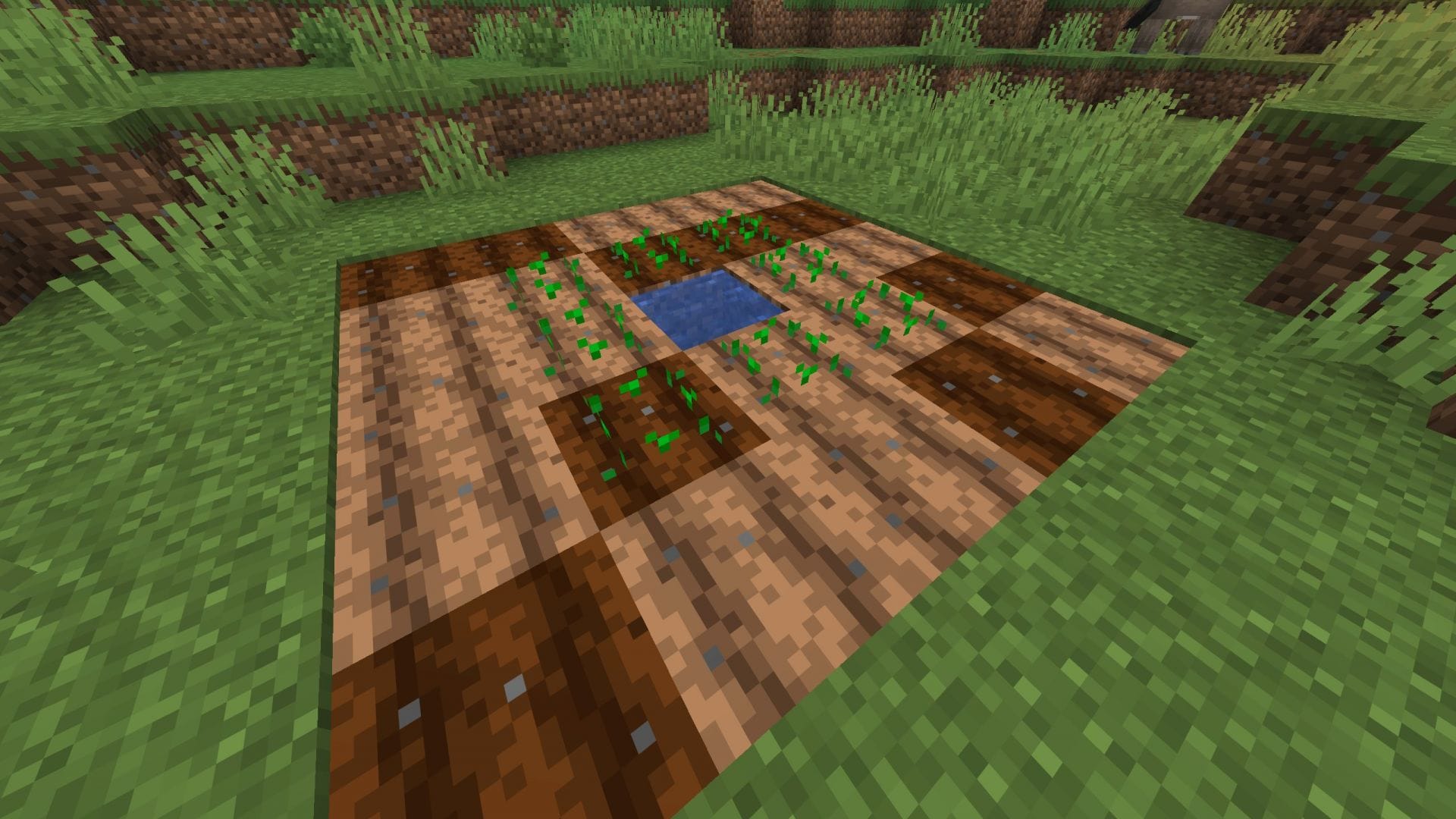
The growth probability of crops in Minecraft is determined using a formula based on a value called the speed level. It is influenced primarily by the farmland on which the crop is planted, along with its surrounding blocks. For example, a farmland block that is hydrated provides a much higher base speed level than dry farmland. This makes water one of the most important catalysts in farming.
Additionally, adjacent farmland blocks also contribute to growth speed. If they are hydrated, it significantly increases the speed level of the farmland block on which a crop is planted. If one farmland block is adjacent to non-farmland blocks, the neighboring blocks will contribute nothing.
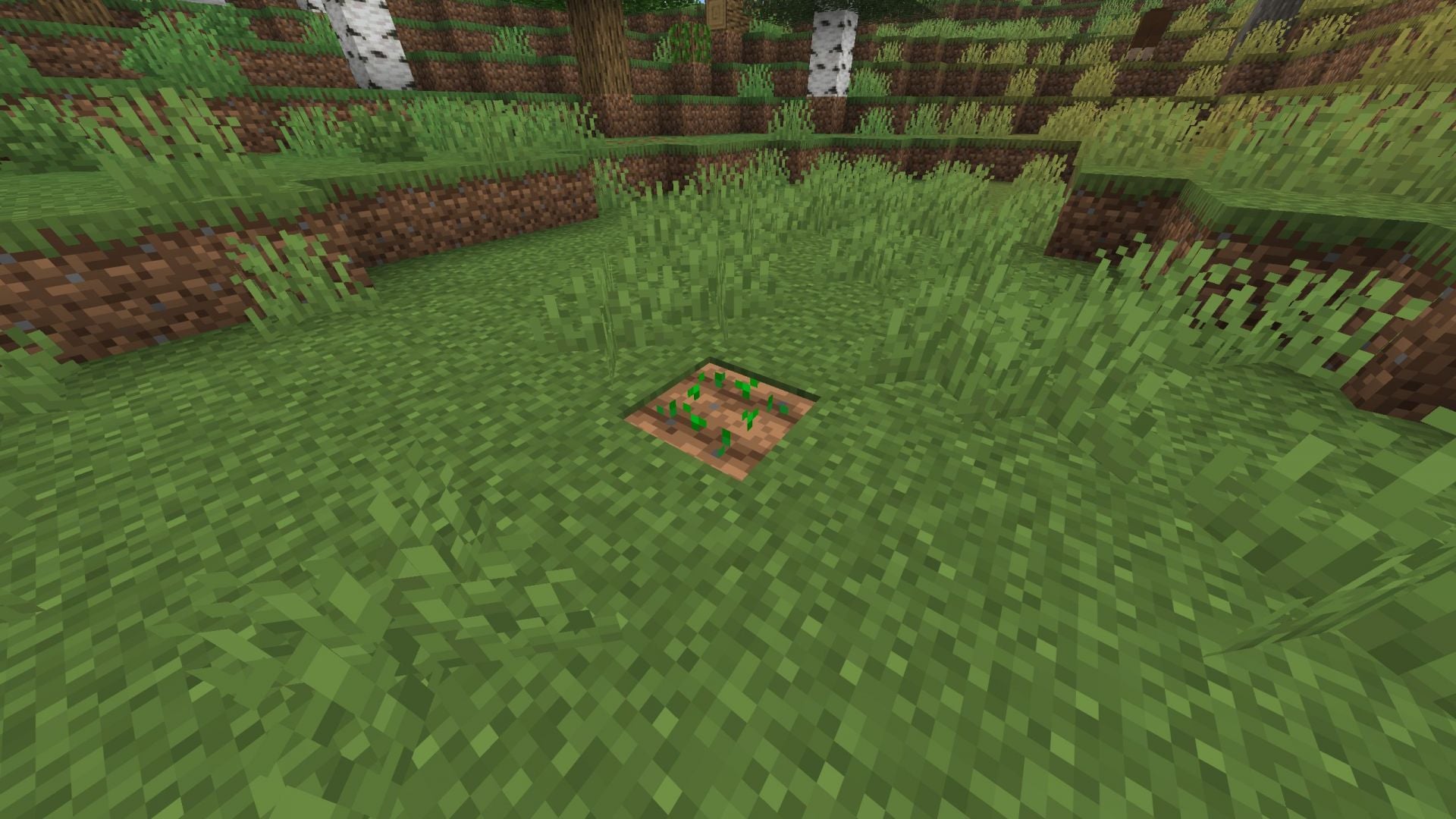
Planting crops too densely is also not recommended. If same type of crops are crammed together, the speed level and growth time of that crop will be reduced. Also, crops located at the edges of the farm grow slowly because they have non-farmland blocks adjacent to them.
In conclusion, crops’ growth times heavily depend on layout, hydration, and spacing.
Check out our latest articles on Minecraft:
Edited by Akshat Kabra