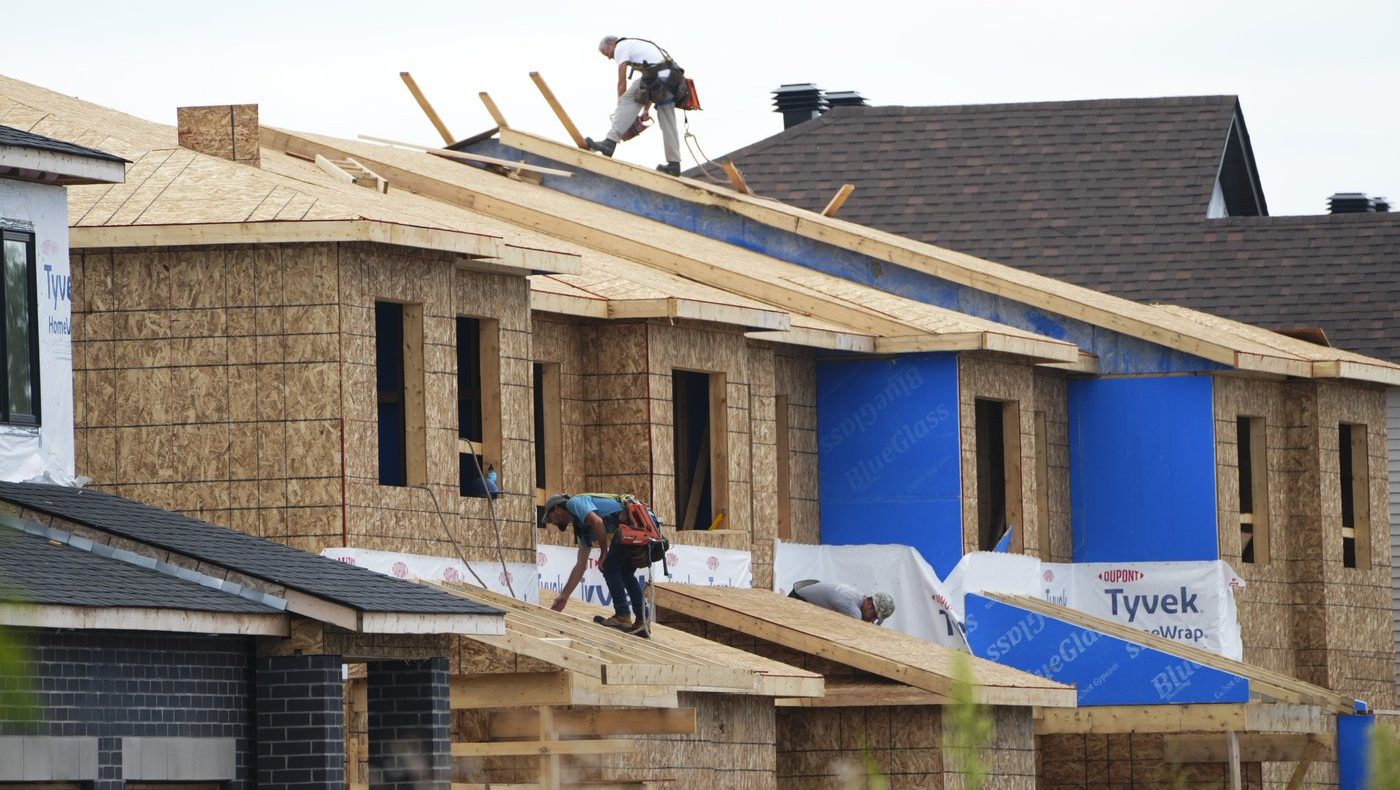

Ford government, feds to cut development charges on new homes in half to stimulate new builds
Prime Minister Mark Carney and Ontario Premier Doug Ford are expected to announce a deal to cut municipal development charges on new homes across the province by up to 50 per cent in a bid to stimulate new building.
The agreement will be announced at an event in the Toronto area on Monday, according to a government source familiar with the deal. It follows another agreement announced by the federal and provincial governments last week to lift the 13 per cent HST on up to $1 million of the cost of a newly built home.
Development charges levied by municipalities can push up the expense of building a dwelling by tens of thousands of dollars. They are seen as major impediments to the federal government’s drive to cut housing prices, especially for those entering the market for the first time.
But municipalities depend on these charges, in part, to offset the cost of infrastructure like new roads, water mains, sewage lines and ongoing services, such as garbage collection and policing. Cutting these fees can force communities to find other ways, such as property tax increases, to make up the funding shortfall.
Prime Minister Carney is expected to announce that federal funding to reduce the charges will come through the Build Communities Strong Fund, announced in the federal budget last November, to direct $51 billion over 10 years towards local infrastructure. It includes a stream that provides matching funds to provinces and territories that help municipalities reduce development charges.
Premier Ford had aimed for Ontario to build 1.5 million homes over the next decade, but the pace of new home building starts in Ontario has frustrated both levels of government. Sluggish starts have forced the province to revise downward its projection for the coming year.
The Association of Municipalities of Ontario last year warned in a report that property taxes on homeowners would have to rise by 20 per cent, on average, to fully replace revenue from development charges.
“By eliminating DCs, the cost of building new infrastructure doesn’t disappear; it just shifts from new homeowners to existing taxpayers through higher property taxes,” the report said.