
Stefan Fischer: 500px Photographer Spotlight
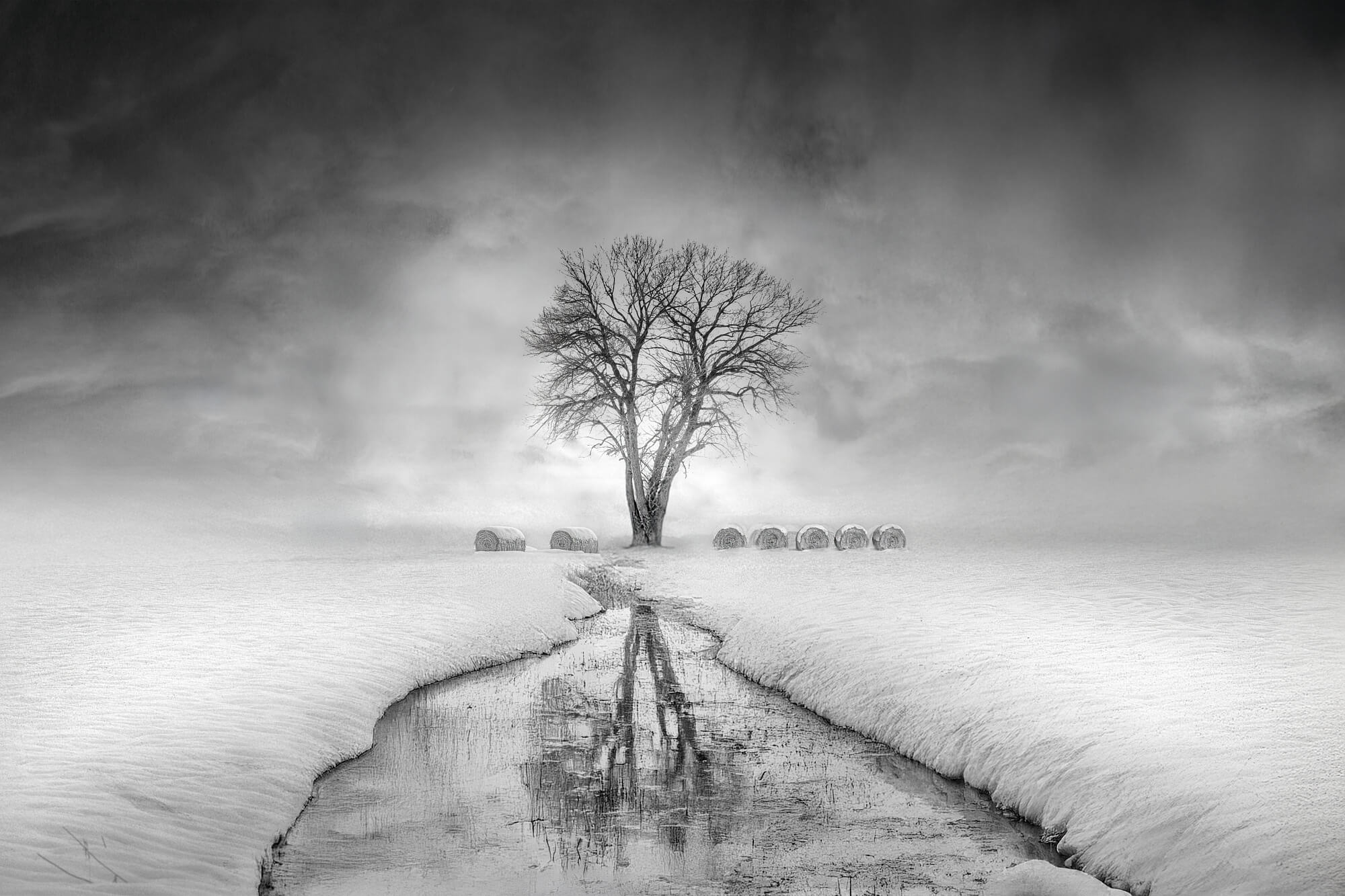
Stefan Fischer’s work feels like a series of windows into a world that exists just beyond the reach of our waking hours. His work steps into the surreal, where the gravity of a landscape is interrupted by the ethereal nature of a dream. Capturing nature and recontextualizing it through a creative and sometimes minimalist lens. Fischer’s work challenges the viewer to question where reality ends and the subconscious begins.
We sat down with Stefan to discuss the crossroads of design and the camera, the power of silence in an image, and the evolution of his dreamy visual language.
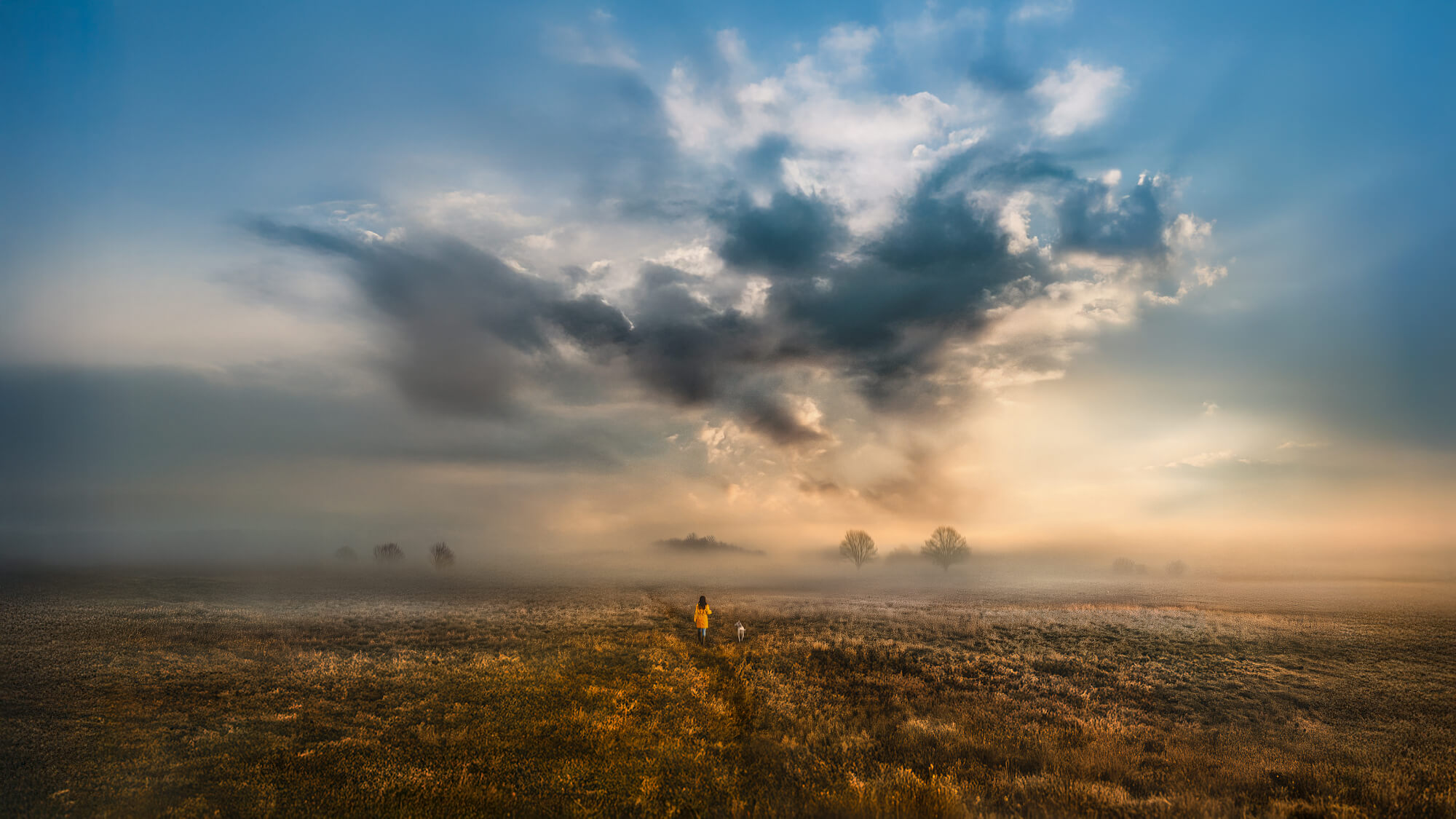
Stefan, thank you for joining us! As an Art Director with a strong foundation in the world of graphic and visual design. How did your experience with design influence your transition into photography?
The goal is to build a bridge between my strategic design thinking and my emotional photography, but I believe that my background in graphic design is the foundation of my photos.
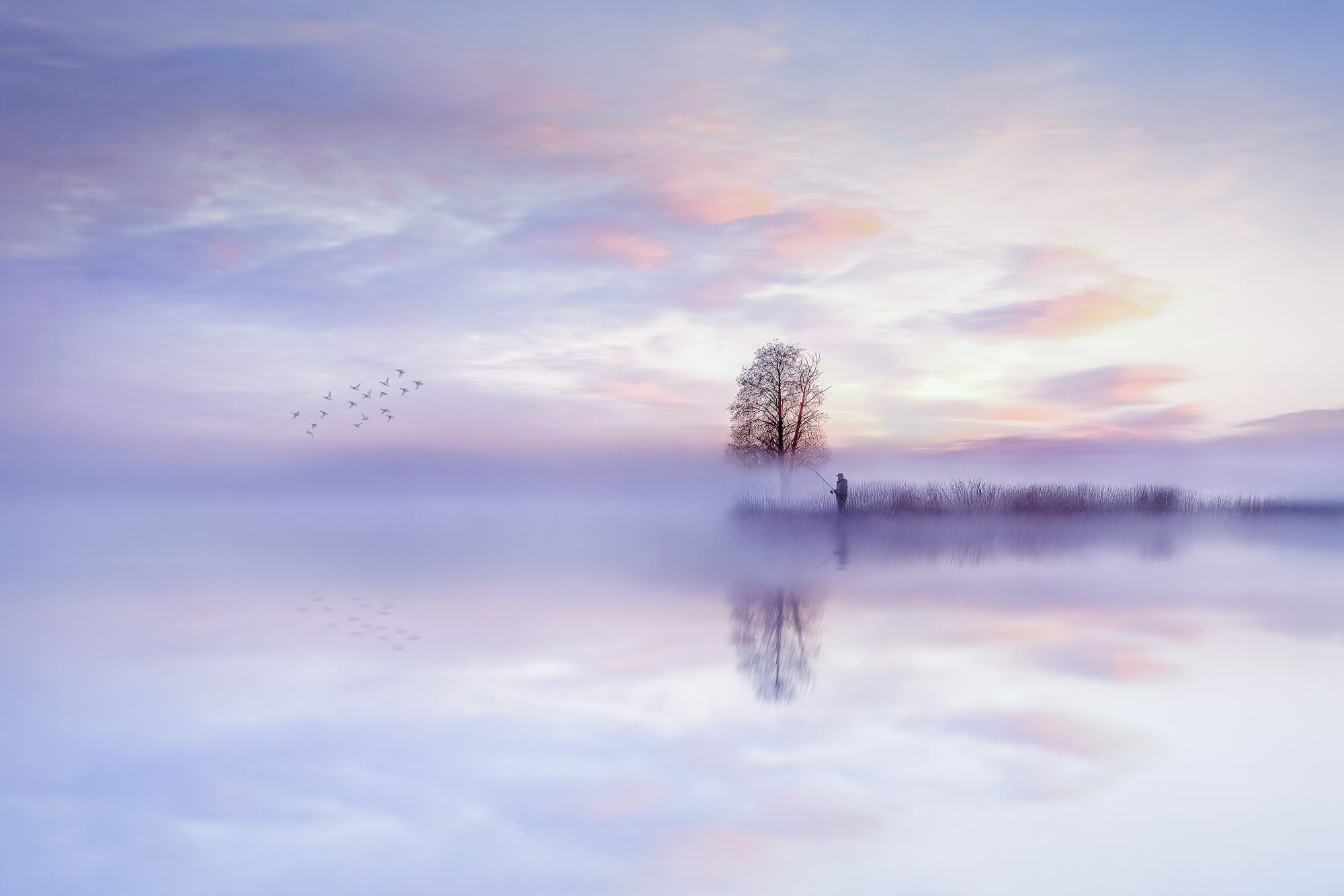
In design, you learn that every element on a page serves a purpose, and you think a lot about balance and visual guidance, and that’s exactly how I look through my camera’s viewfinder. I don’t just see a subject; I see visual hierarchies, lines, and negative space. I don’t have to think long; it’s more of an instinct, and it just happens.
A camera is a great tool for expressing emotions more directly, rather than just arranging typography and finished images on layouts. Photography allows me to capture the essence of a moment, and for me, that’s like real-time design when it comes to storytelling.
When you are conceptualizing a shoot, how much of it is preplanned, or do you take a more spontaneous approach?
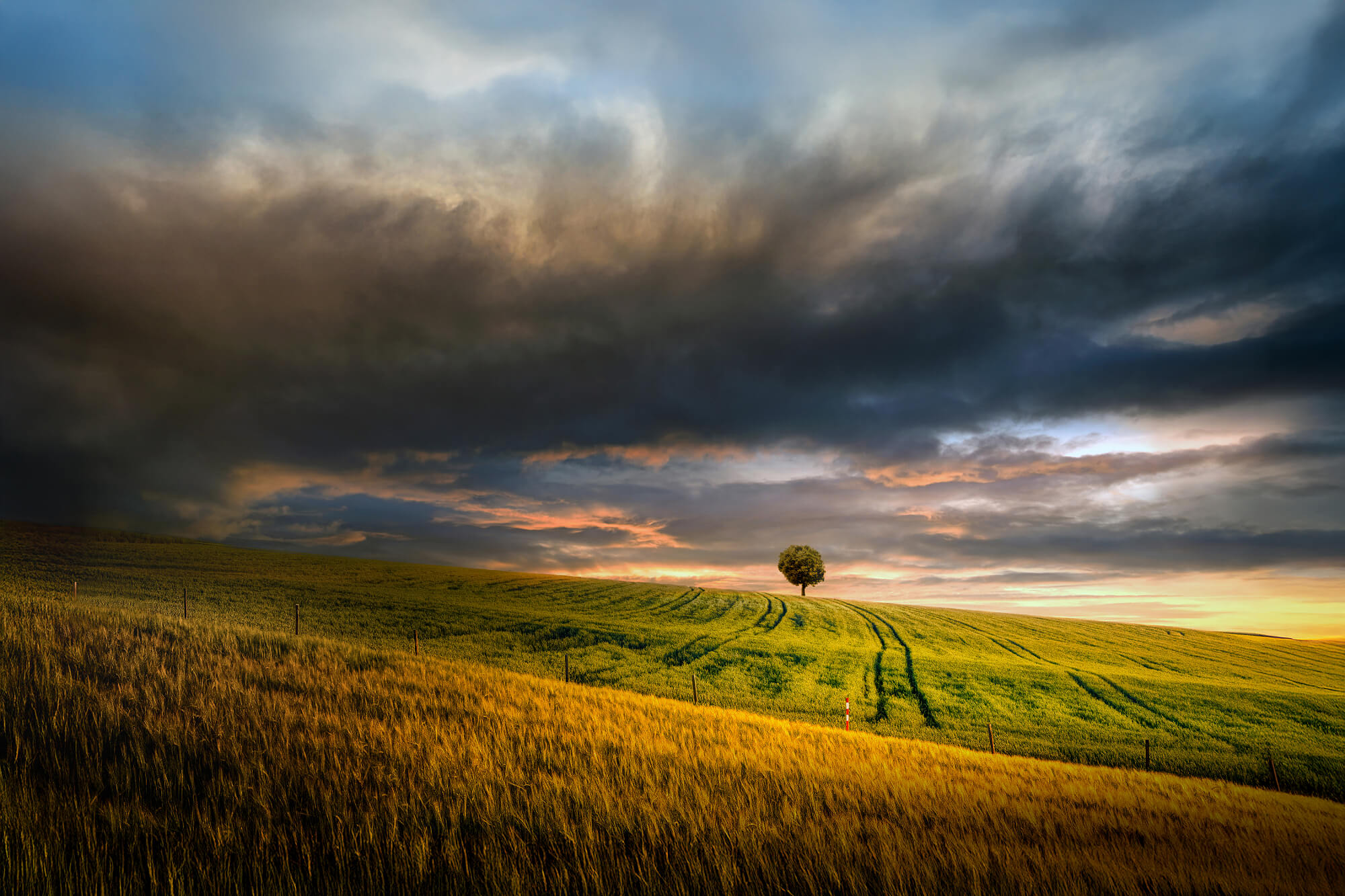
I’d say my process is a mix of 80% preparation and 20% chance. I often already have the ideal finished photo in my mind’s eye. For that to happen, I need to know the locations inside out, and I often keep visiting a place until the atmosphere there matches, at least roughly, the one in my mind’s eye, even though patience isn’t exactly my strong suit, and there’s nothing I hate more than driving home without any usable material.
There is a distinct quietness to your work that feels almost meditative. In an era where many creators are chasing maximum impact through visual noise and high contrast, why is it important for you to lean into minimalism and negative space?
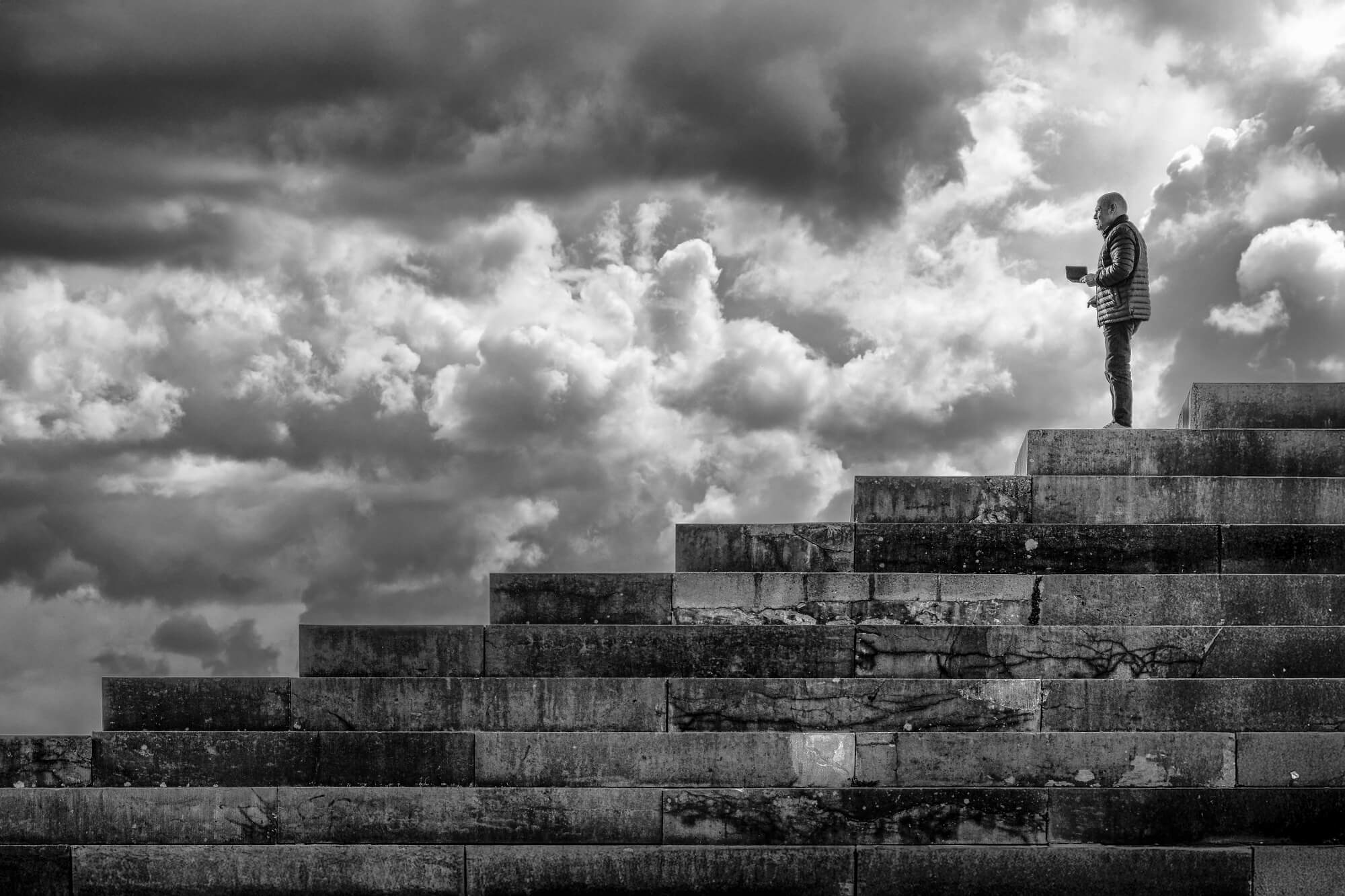
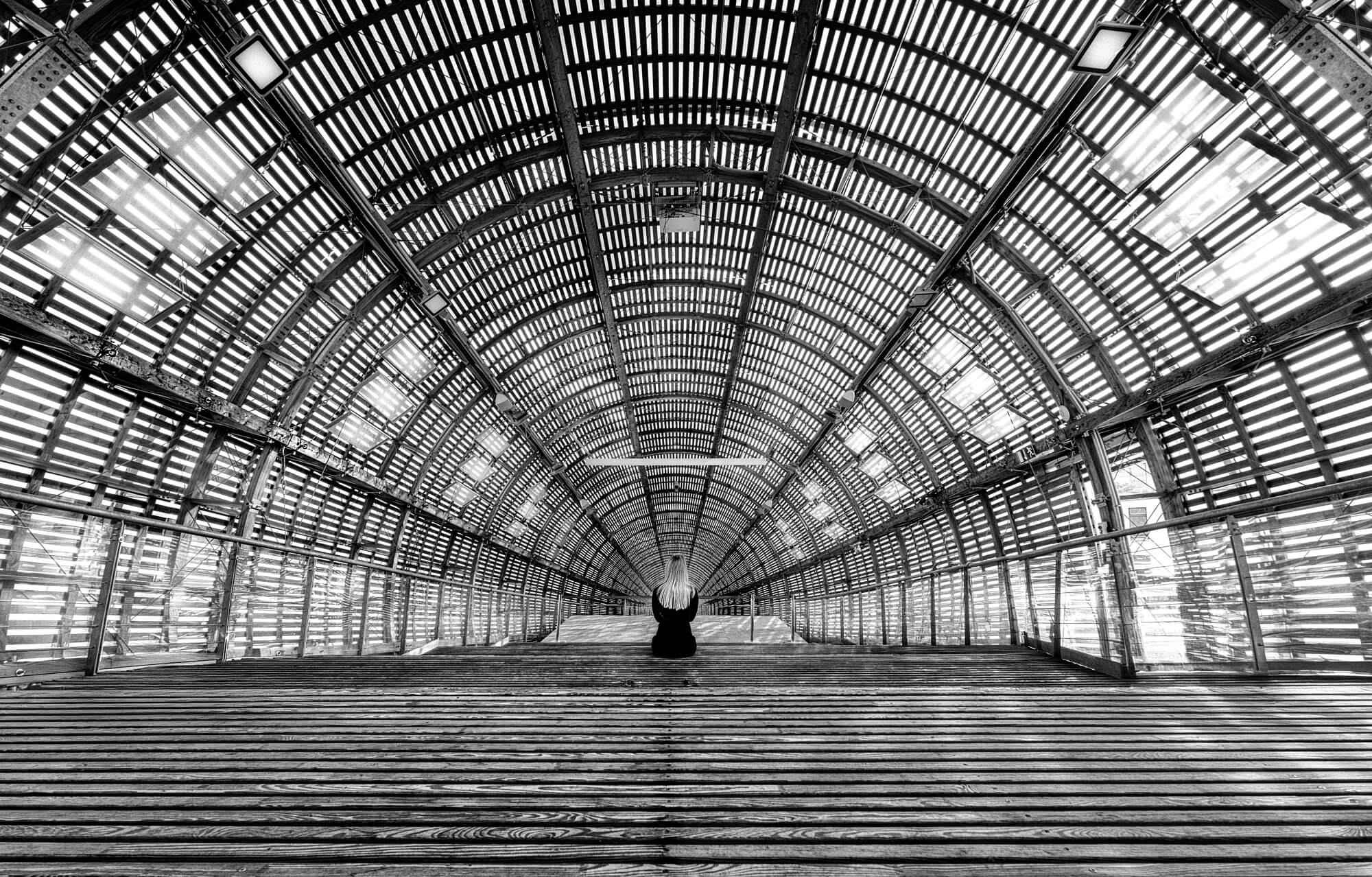
To me, clarity and minimalism are power, and negative space is not simply empty; it is the space where the viewer can breathe and bring their own thoughts into the picture. I believe that the most powerful stories are often told in silence, because they force us to look closely.
Perhaps my photos are also a kind of defiant reaction, because we live predominantly in a visual world that is constantly screaming. So why not just take a seat, look at the beautiful landscape, take a breath, and relax a little?
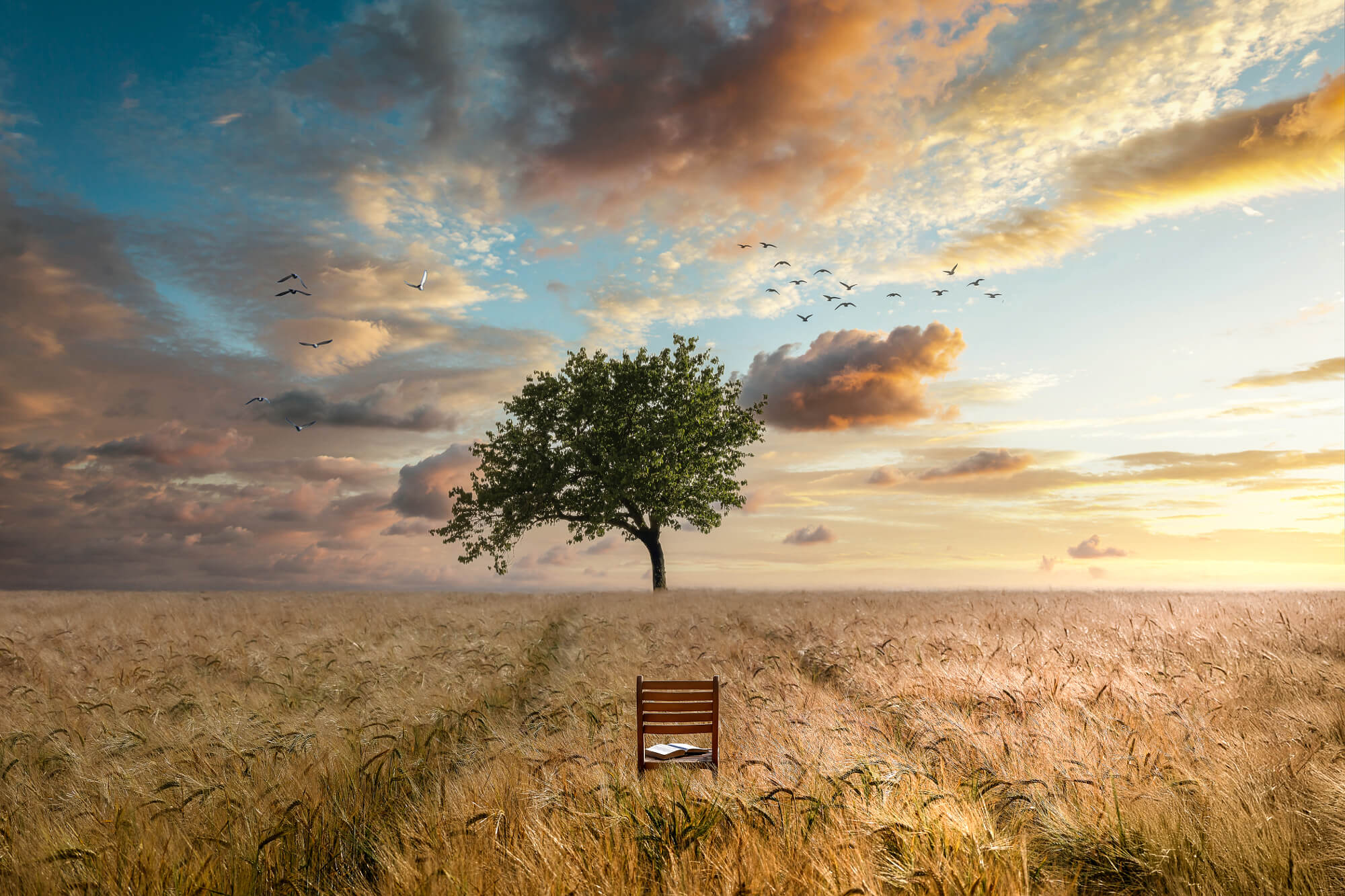
Many of your landscapes have a dreamy, almost surreal quality. What are your criteria for a location? Is it about the literal beauty of the terrain, or are you looking for a specific atmospheric blank canvas that you can later transform?
It’s something in between—between reality and vision. I actually often look for places that lose their details in the right light or under certain weather conditions (such as fog, haze, or extreme overexposure). My focus is on reducing things to the essentials, as few backgrounds as possible, or any elements that distract, and definitely not too many people. Even featuring a second person is sometimes almost too much for me. I sometimes achieve this through a specific perspective, such as choosing a vantage point as low as possible, which is why I love subjects situated on a slight elevation, so I can shoot from the bottom up and limit what we can see of the background landscape.
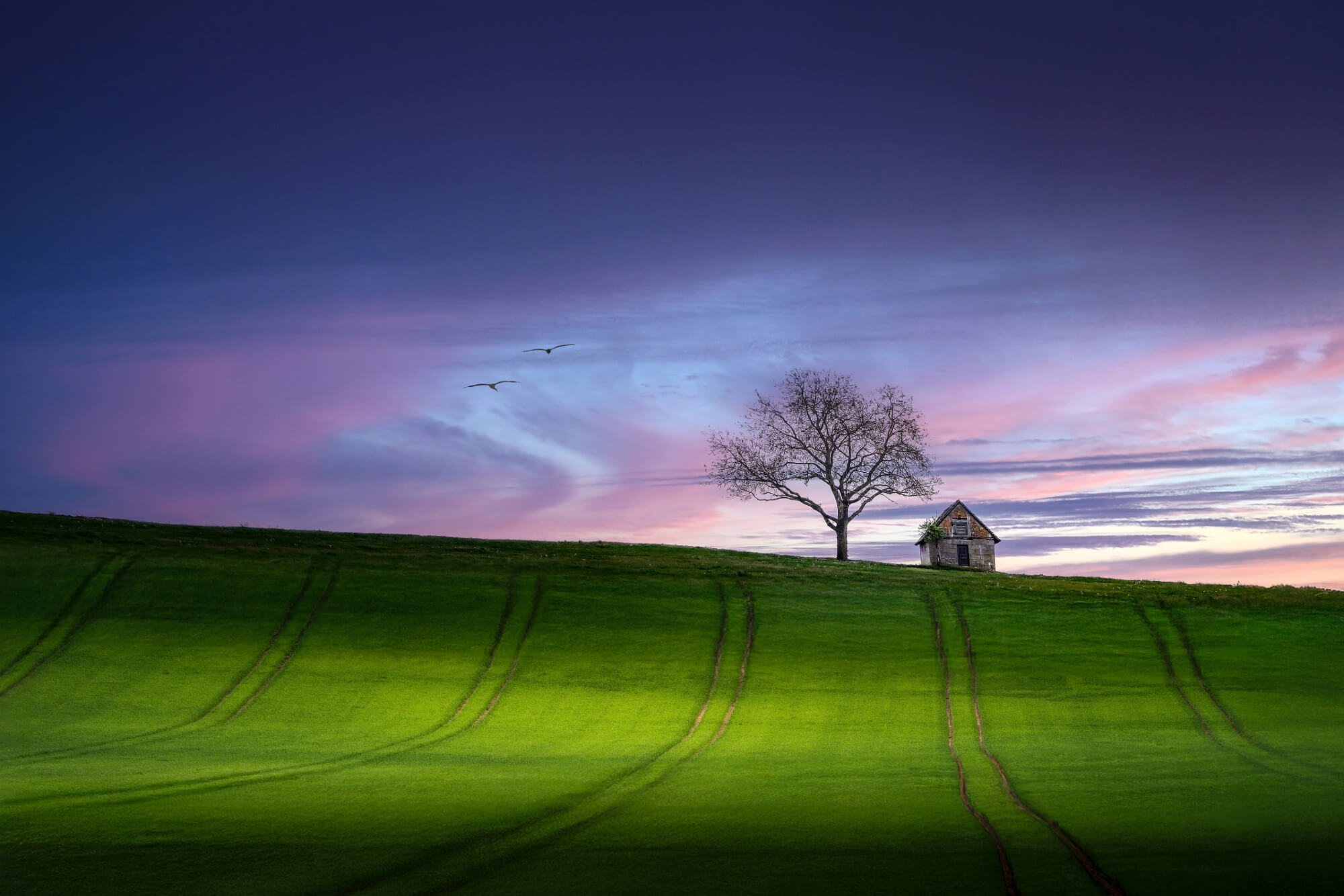
I then try to either enhance or tone down the existing atmosphere in Lightroom, but I never change the overall mood of the photo. You can achieve a somewhat surreal mood quite well through color grading, bringing out or softening shadows, and refining the sky. There are RAW files that have over 20 layers in Lightroom and end up in the trash because I realize they no longer have anything to do with the original mood I captured on location. I don’t consider myself a creator of new worlds, even though it’s certainly fun.
For a photographer who brings colorful visual elements into different settings, the technical challenge is making the final image feel cohesive. How do you approach the lighting and texture of your composites to ensure that the dream feels as tangible as the landscape?
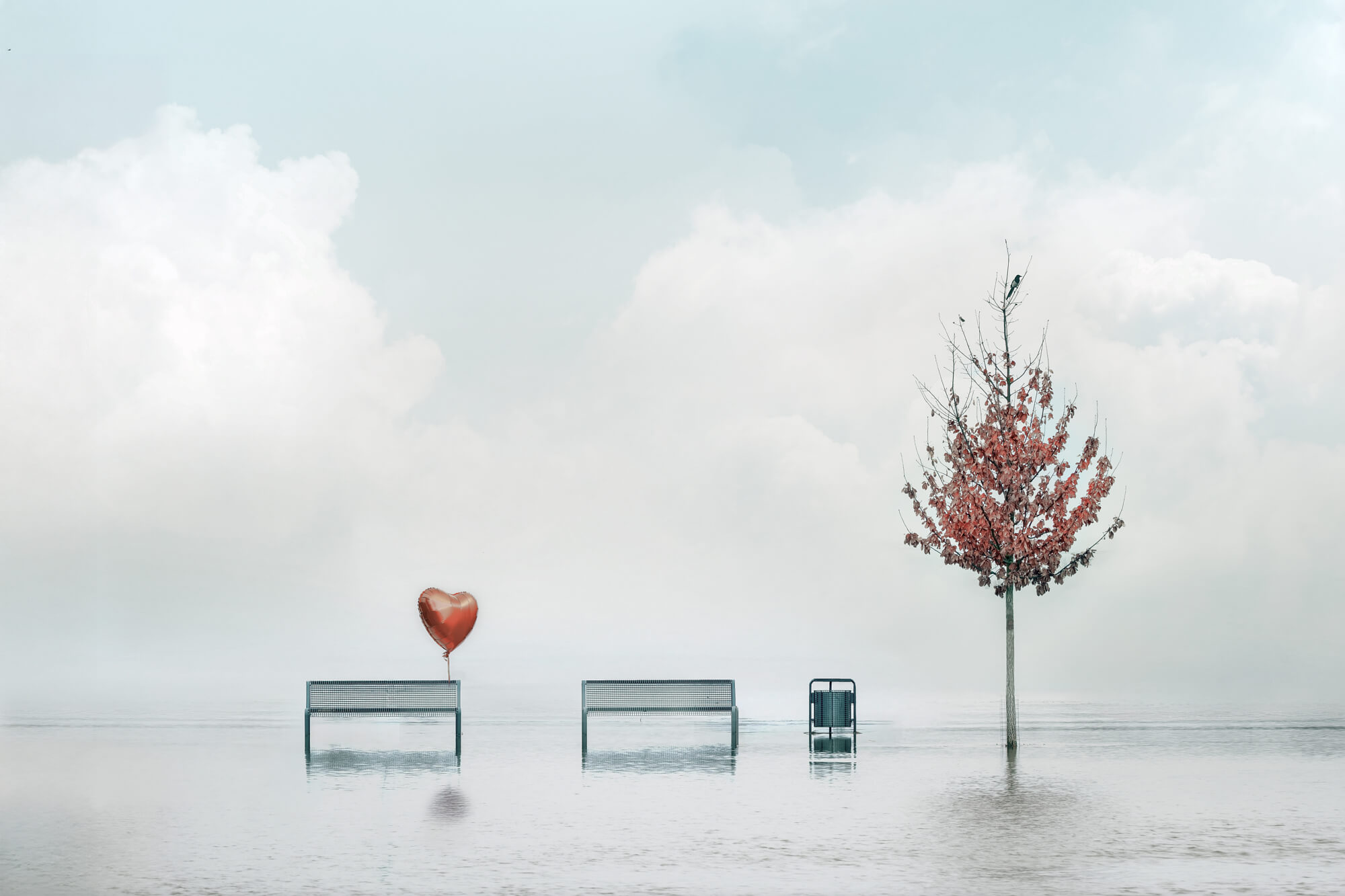
This consistent look is incredibly important in graphic design. I’ve had countless discussions about which color scheme to use. I think my own preferences often come into play here; I like pastel shades and warmer tones, though red can sometimes be a bit brighter. I work exclusively with RAW files because you simply have more control over the color grading in post-processing the image, and unlike JPEGs, the dynamic range is greater. So you can intentionally overexpose or underexpose your shots and then correct them in Lightroom. You can achieve amazing effects with overexposure if you experiment a bit.
In the end, I always manage to get something that works together, and of course, post-processing with tools like Lightroom and, to a lesser degree, Photoshop, is just part of the process for me.
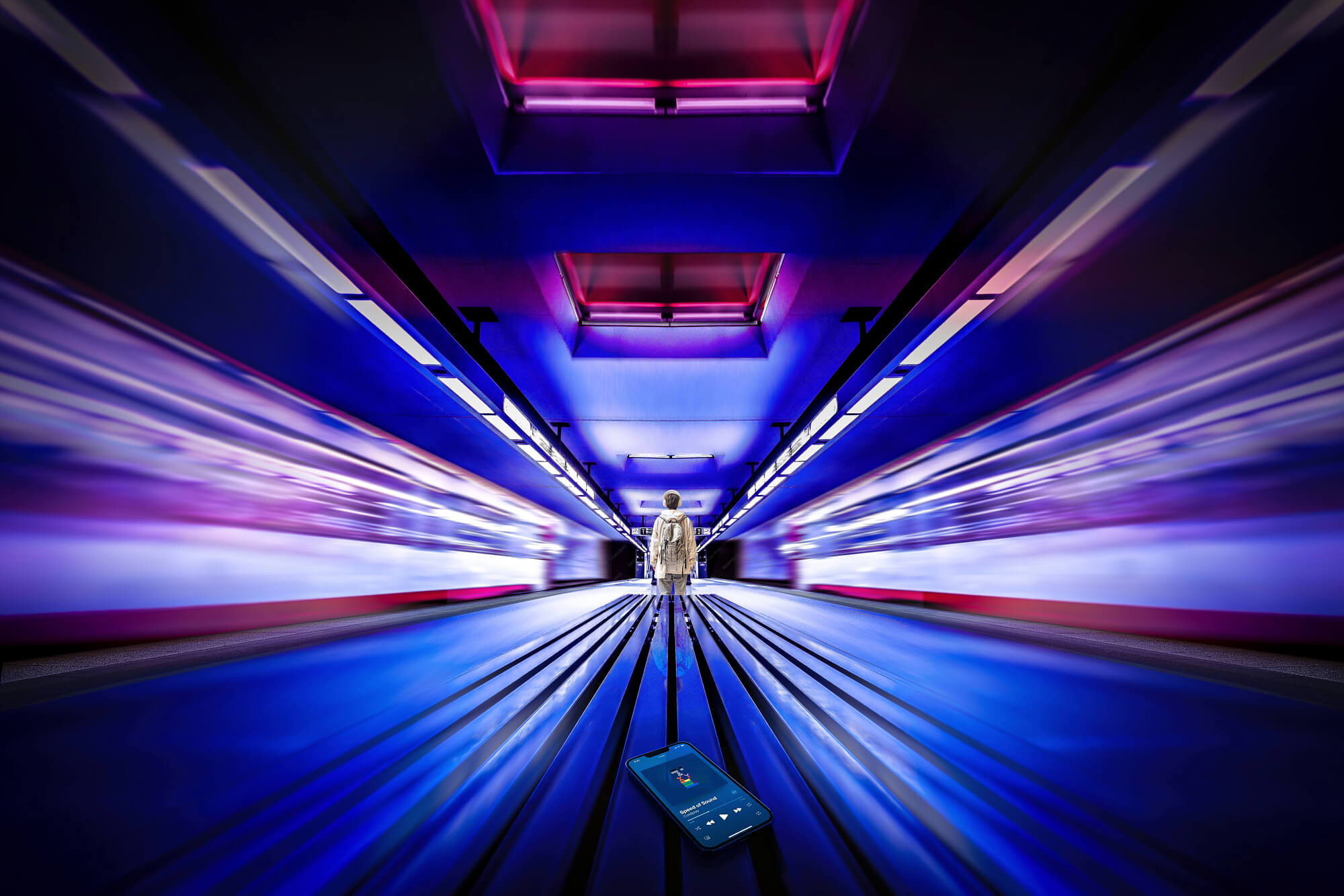
Surrealism is deeply tied to the subconscious. Are your more abstract works inspired by actual dreams you have had, or are they more of a conscious exercise in challenging the viewer’s perception of reality? If not, what inspires you?
My aim is less to depict a specific dream and more to create that fleeting state in which one asks oneself, “What am I actually seeing here?” I want to delay the moment when the brain categorizes the image into a familiar box.
I would also describe it as a deconstruction of reality. I use surreal elements to disrupt the viewer’s familiar visual habits. It’s almost like a concrete invitation to daydream. I feel these elements also often help prevent a photo from looking too cheesy. Although, of course, you can make a photo so cheesy that it ends up looking surreal, there are really endless possibilities.
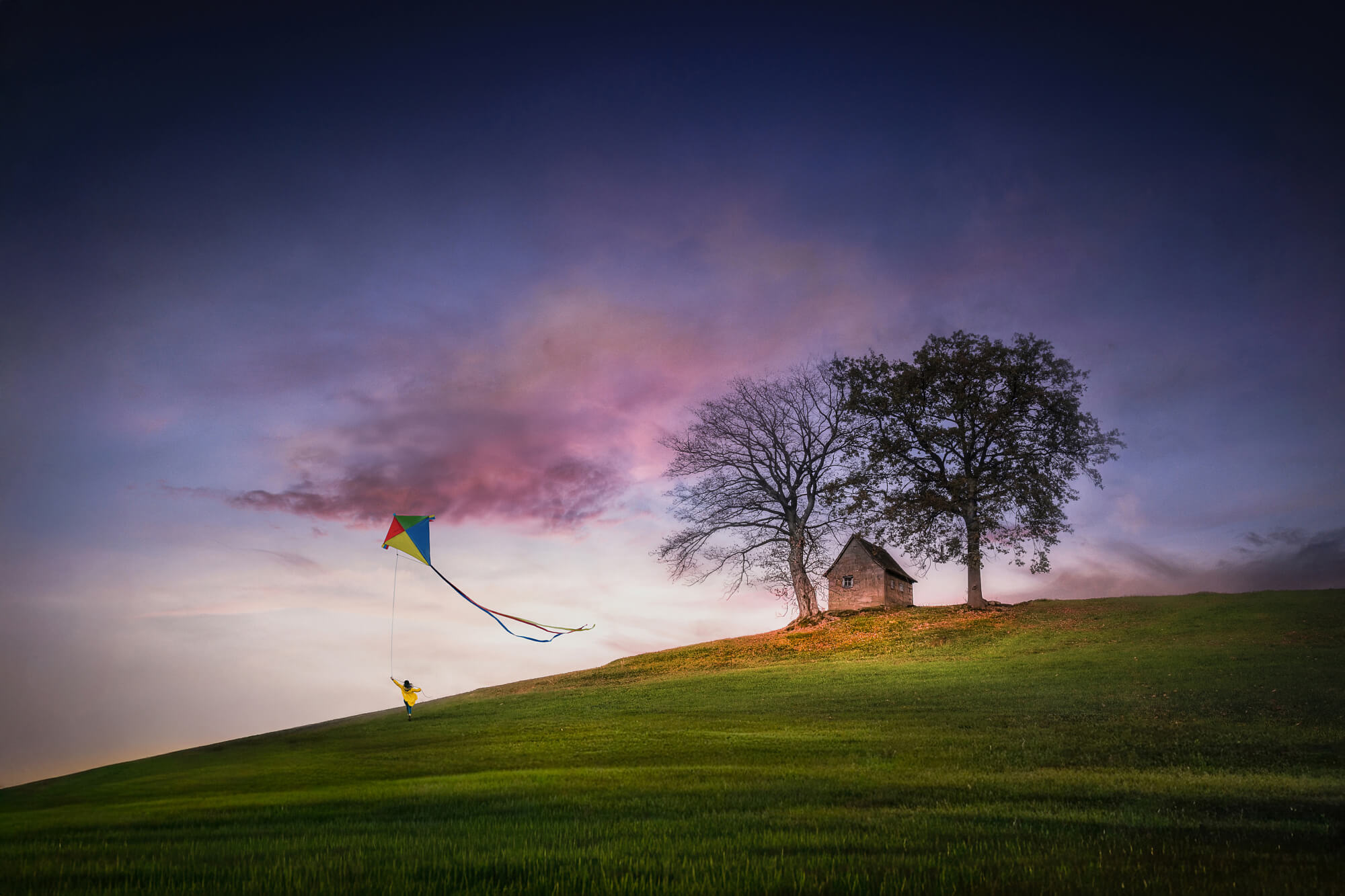
There is a soft, ethereal quality to your color palettes and lighting that feels very intentional. Does this aesthetic reflect your own personal temperament, or is it a deliberate choice to provide a sense of comfort within your themes?

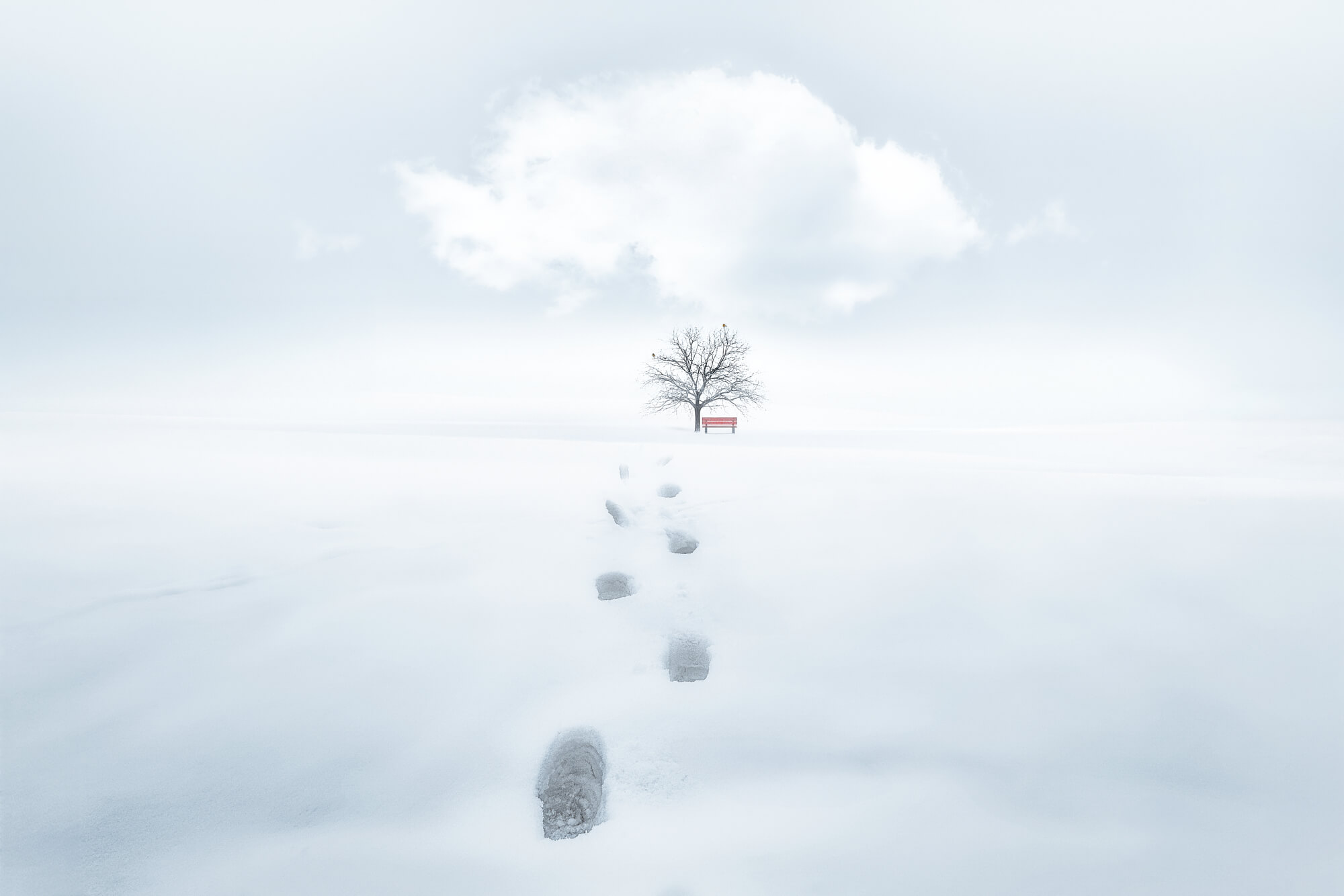
I think I’m more of an extrovert, but now I find I’m starting to enjoy the quiet more and more.
Photography is like an escape from everyday life, which for me tends to be noisy and full of appointments and meetings. It’s also the desire for peace and serenity that’s reflected in many of my photos. And when I’m out and about with my camera, I like to forget about everyday life and lose track of time. That’s good for me, and I hope it stays that way. So, when you look at one of my photos, you can assume it was taken during a relaxed and rather quiet moment.
…and maybe that feeling will rub off on you a little, because that’s my intention.
You’ve evolved significantly as a creative. When you review your first uploads, how do you see the concept of a “successful photo” differently now, given your growth and experience?
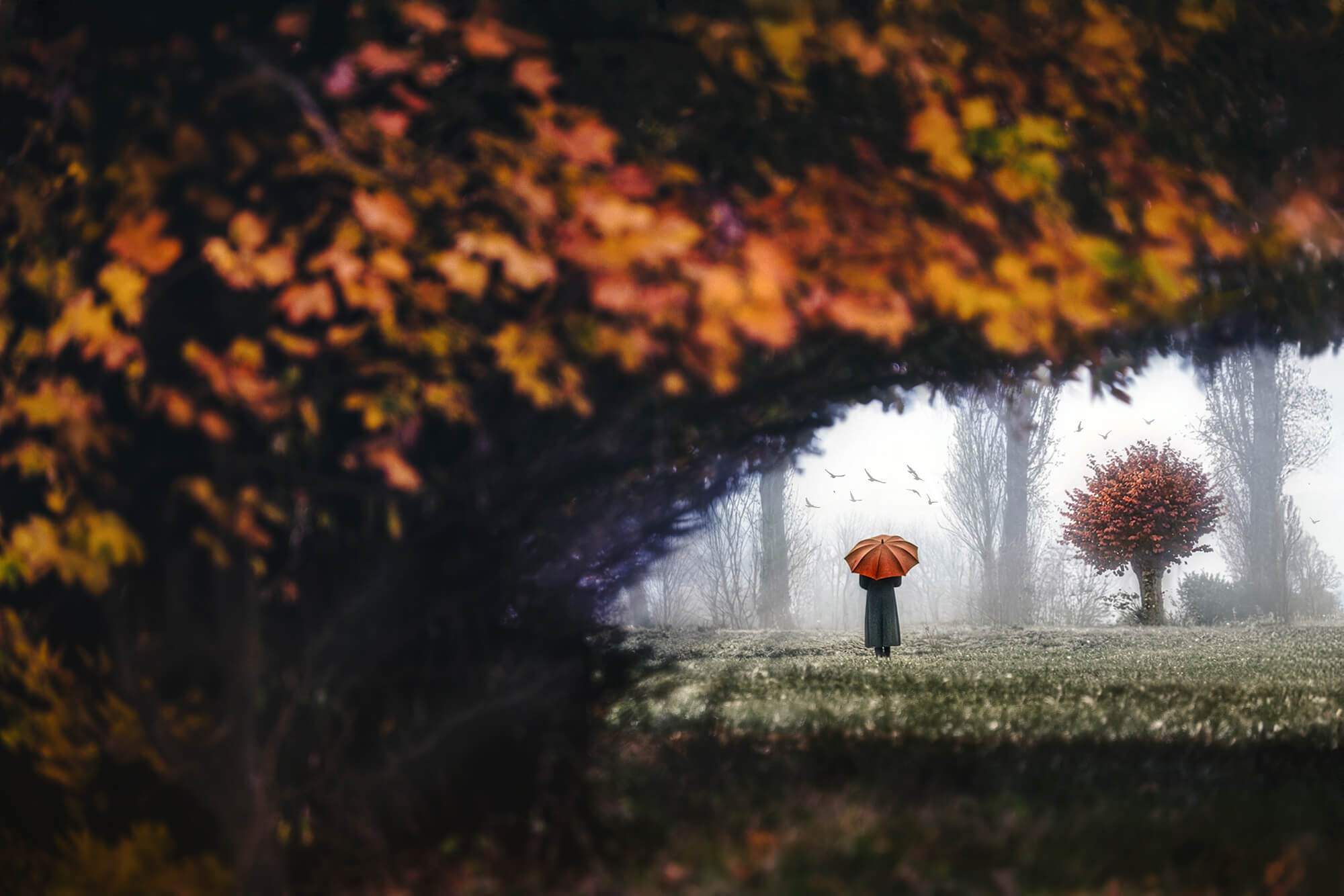
For me, photography is a constant process of growth. A platform like 500px, with its wealth of creativity, perspectives, inspiration, and techniques from other photographers, really helps with that.
It’s interesting for me to look back at my journey and my first uploads to 500px. After a very long break with absolutely no photography of my own, I honestly had no idea where the journey was headed. In any case, I didn’t want to pick up where I left off 15 years ago and go back to taking landscape photos. That plan backfired completely. I’m now photographing again, just like I did 15 years ago, because in retrospect I’d probably already found my style back then, and now I’m also shooting in black and white.
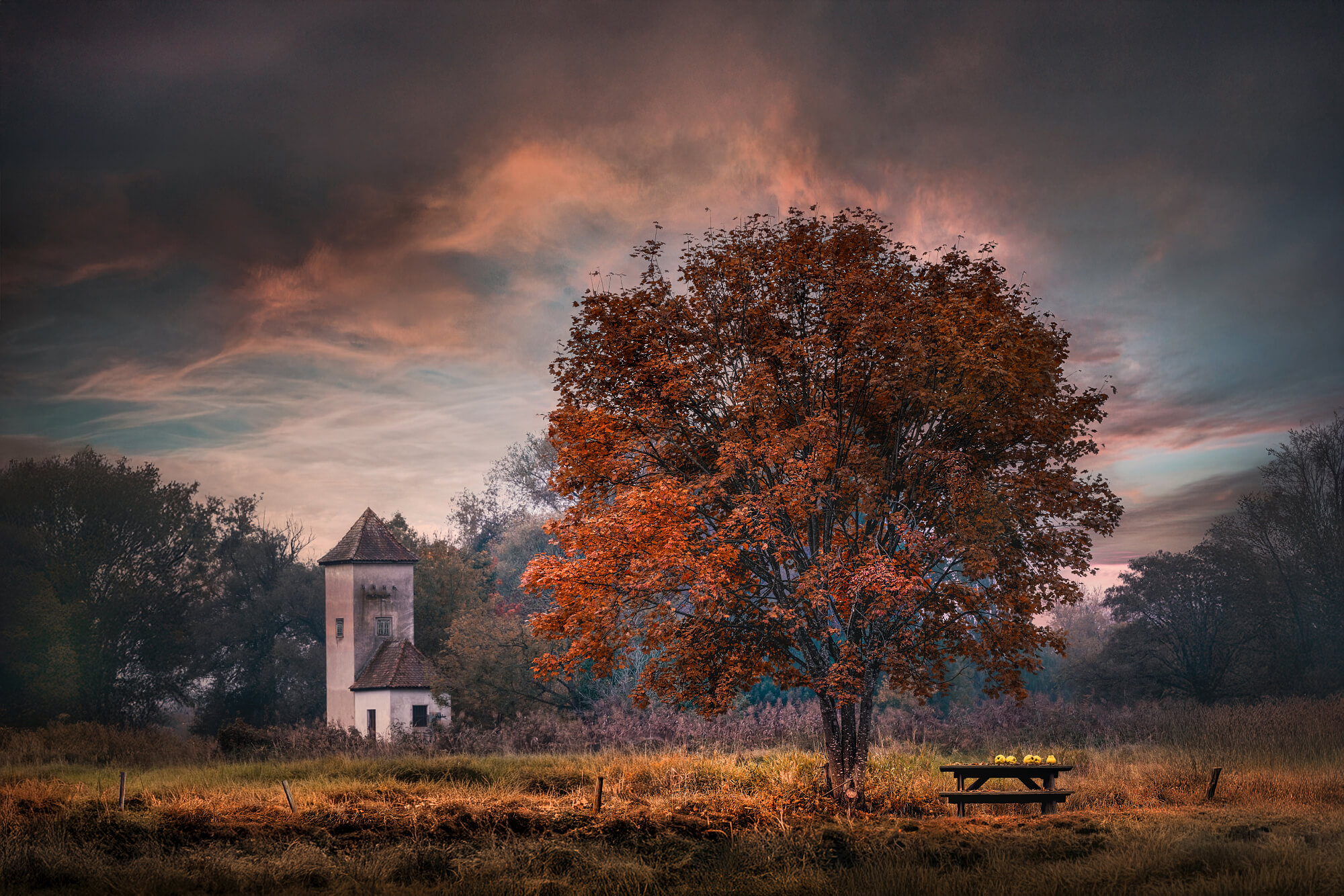
These days, I’m no longer searching for the perfect image, but rather for the perfect visual message. I don’t equate a perfect and successful photo with flawless technical execution. What matters much more to me is whether it speaks to the viewer and evokes emotions, whether it makes the viewer pause for a moment, and tells a story that goes beyond the frame. A slightly out-of-focus or grainy photo can be far more successful if it perfectly captures the mood of a moment than a clinically perfect but “lifeless” image.
I might be a bad example here, because my job makes me think too much in terms of fixed patterns. There are so many rules in photography, and as we all know, rules are meant to be broken. Be bold and focus on telling your story, even if the horizon is crooked and not everything is in the golden ratio, and with a little luck, you’ll end up with a truly successful photo.
We have a question from a previous featured photographer, Olena Leliuk, who asked, “While the tools might be the same, do you consider professional photography and professional videography to be distinct talents, or can a professional photographer also be a professional videographer?”
You can be both. Absolutely. But I think it requires a conscious shift in mindset: A photographer captures the essence of a moment in a single, perfect frame. A videographer has to think in terms of continuity, movement, and sound.
I know people who are very good at both, but very few actually do both because the time commitment is too high for one person. You have to keep in mind: once you’ve finally finished editing the photos, you still have to edit and cut the video clips. All of this should also have a certain consistency in style and color palette. For a client project that usually takes too long unless you have a team or crew to assist in the production and post-production process.
Read more 500px Photographer Spotlight interviews: Olena Leliuk