
Nine Simple Ways to Get Protein from Plants
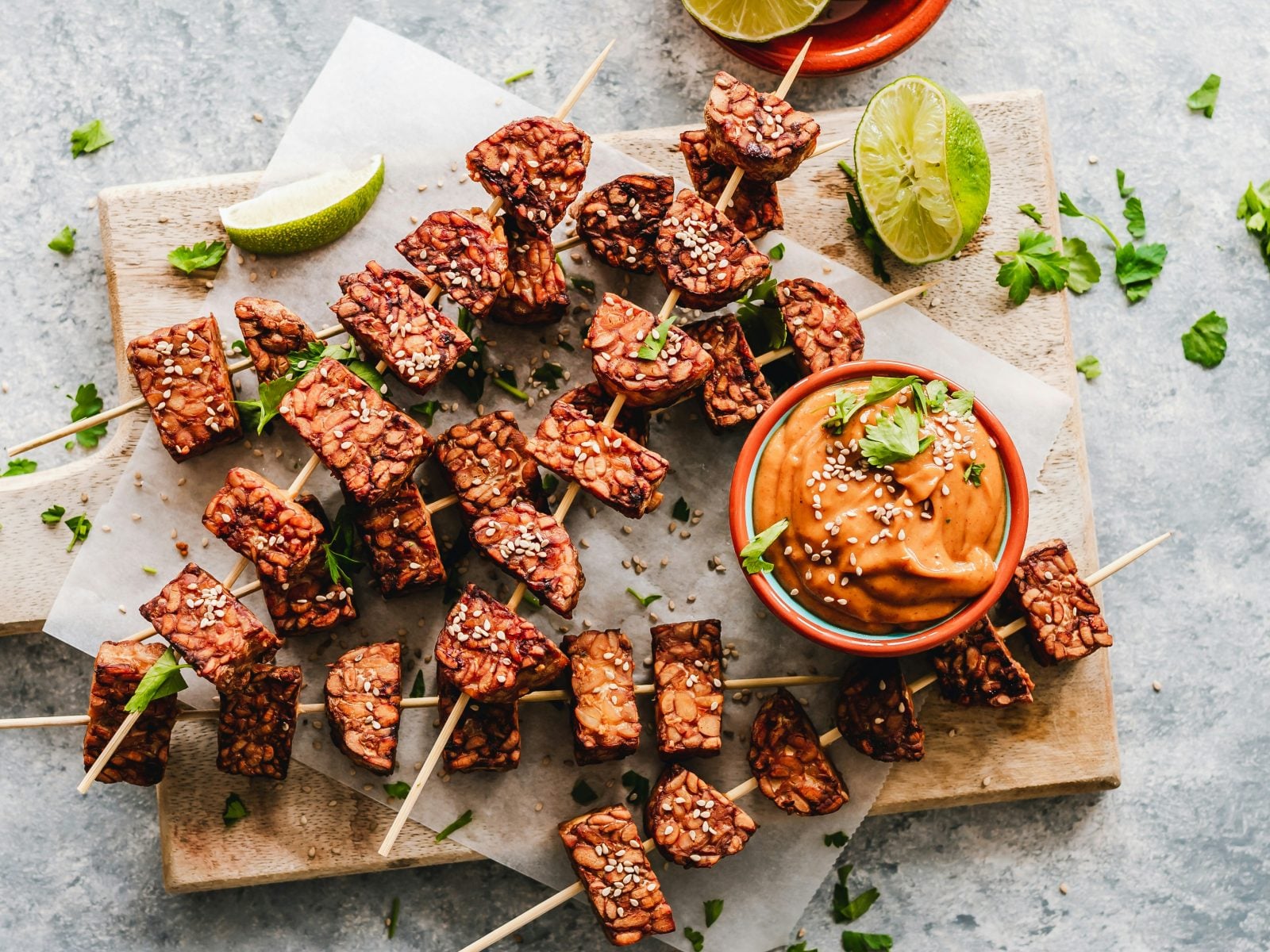
Getting plenty of protein on a vegan diet is easier—and more delicious—than you might think. Discover nine simple, satisfying ways to power your body with plants.
Protein plays a crucial role in our health. It helps build and repair muscle, skin, and bones; supports immune function; regulates blood sugar; produces enzymes and hormones; and contributes to a healthy metabolism.
Common myths may tell us we need to eat meat to get enough protein, but that couldn’t be further from the truth. Almost all plant foods contain some protein, making it easy to meet nutritional needs on a balanced vegan diet. And, unlike many animal-based protein sources, plant proteins come packaged with fiber and other nutrients that support health and longevity.
Explore these nine tips for getting your protein from plants. Next time someone asks where you get your protein, you can reply with confidence: “From plants, and I feel great!”
1. Consume enough calories
Humans need less protein than the marketing hype might lead us to believe. The Recommended Dietary Allowance (RDA) for protein is a modest 0.8 grams per kilogram (2.2 lbs.) of body weight. An adult weighing 150 lbs. needs about 54 grams of protein per day, with some variation based on sex, physical activity level, and health goals.
Most Americans consume far more protein than they need—an average of 81 grams per day. Meeting protein needs is often simply a matter of eating enough food overall. Rather than fixating on protein alone, focus on consuming enough calories to fuel your body.
2. Eat a variety of plant foods
You might remember from science class that proteins are made up of amino acids. While our bodies can produce some amino acids, others—called essential amino acids—must come from food.
All plant-based protein sources contain all of the essential amino acids, though some have more than others. By eating a variety of foods throughout the day, you can easily get all the nutrients your body needs. Fill your plate with fruits, veggies, grains, nuts, seeds, and legumes—which include edamame, peas, beans, lentils, tempeh, soy foods, soymilk, peanuts, and peanut butter.
3. Replace animal meat with vegan alternatives
Contrary to the problematic new Dietary Guidelines for Americans set by the Trump administration in January, health experts consistently caution against heavy consumption of meat and dairy. The saturated fat and cholesterol found in animal proteins raise LDL cholesterol and increase the risk of heart disease and stroke. Harvard Health warns, “Don’t read ‘get more protein’ as ‘eat more meat.’”
A diet based mainly on whole plant foods is best, but by choosing plant-based meat products in place of animal meats, you can boost your protein intake while reducing saturated fat and avoiding cholesterol. If you celebrate Taco Tuesdays, try a hearty filling of vegan meat crumbles spiced with store-bought or homemade taco seasoning. Use Gardein or Beyond meatballs in your Sunday spaghetti. Make a heart-healthy sandwich with Tofurky deli slices.
4. Add beans and lentils to your favorite meals
Alongside all the great vegan meat alternatives on the market, legumes like beans and lentils pack a big protein punch. These simple staples are affordable, versatile, and easy to prepare! Use them in place of meat in your favorite burritos, stuffed peppers, soups, stews, and casseroles. Mash black beans with sweet potatoes for a delicious quesadilla filling (with plant-based cheese, of course). Top baked potatoes with lentil chili, or toss kidney or pinto beans into salads and grain bowls for an easy protein boost.
5. Cook with tofu, tempeh, or seitan
Tofu has become almost synonymous with plant-based eating, and for good reason. High in protein and incredibly versatile, tofu takes on the flavors of the foods or spices it’s mixed with. You can fry it, bake it, or add it to a sauce, gravy, or even dessert. (If you’ve never had a chocolate pie made with silken tofu, you’re missing out—trust us!)
Try these recipes for tofu scramble and cozy chili with air-fried tofu.
Not a fan of tofu? If you’re concerned about how soy might affect your hormones, rest assured, you can enjoy it without worry. If you simply dislike the taste or consistency of tofu, try other soy foods like tempeh and seitan. Made from fermented soybeans, tempeh has a firmer texture and a nutty flavor. Seitan is made from vital wheat gluten, the main protein component of wheat. It offers a dense, chewy bite and is a good replacement for chicken or beef.
6. Swap in plant-based milk
Plant-based milk is a more health-conscious—not to mention animal-friendly—option for smoothies, cereal, baked goods, and coffee. Like dairy milk, many plant milks are fortified with calcium, vitamin B12, and vitamin D. Unlike cow’s milk, they contain little to no saturated fat and zero cholesterol.
You’ve probably heard about soymilk, almond milk, and oatmilk, but milk is also made from peas, coconuts, cashews, and more. With so many plant-based options on the market, you’ll easily find your favorites!
7. Choose protein-rich snacks
You can easily incorporate protein into any meal, but what about the snacks in between? High-protein snacks include edamame, roasted chickpeas, peanuts or peanut butter, pistachios, and pumpkin seeds. Eat them on their own or incorporate them into a recipe for energy balls, protein bars, or nut-filled brownies.
8. Get your “gains” from grains
Any rice or wheat pasta dish can be made with a high-protein grain like amaranth, quinoa, farro, spelt, or chickpea pasta. Increasingly, stores are stocking their shelves with high-protein versions of bagels and cereals, too.
For a bonus boost of protein, top your favorite meal with fortified nutritional yeast or mix in some edamame protein puffs.
9. Keep convenient protein options on hand
A varied vegan diet provides plenty of protein—but if you’re in a pinch and need a quick and easy protein boost, plant-based protein powders and protein bars are quite handy. Brands with vegan protein powders include Naked Nutrition, Garden of Life, and Orgain. For protein bars, try No Cow, Aloha, or Clif Bars, many of which are free of animal ingredients.
Learn More
Sign up for Farm Sanctuary emails to learn more about compassionate and sustainable plant-based living as well as the latest on our work for animals, people, and the planet.