[ad_1]
A visibly irate Pete Hegseth has compared Iran’s leaders to “rats” in hiding and urged a “patriotic press” to rewrite headlines about the deadly, costly and escalating war.
“The U.S. is decimating the radical Iranian regime’s military in a way the world has never seen before,” the defense secretary boasted at a Friday morning press briefing. “We said it would not be a fair fight, and it has not been.”
To date, more than 15,000 Iranian targets have been hit, obliterating the nation’s air defenses, air force, and navy, while its missile capabilities have plummeted by 90 percent, Hegseth said. He then warned Friday will be the most intense day of U.S. strikes on Iran to date.
“Iran’s leadership is in no better shape. Desperate and hiding, they’ve gone underground, cowering. That’s what rats do,” Hegseth said. The former Fox News host described Iran’s new leader, Mojtaba Khamenei, as the “so-called not-so-supreme leader” who is “wounded and likely disfigured.”
Hegseth’s comments came on the 13th day of the U.S. and Israeli strikes against Iran as the conflict engulfs the broader Middle East region. On Thursday, six crew members were killed on a refueling aircraft that went down in western Iraq, U.S. Central Command confirmed. At least 13 U.S. service members have died in the Iran war and 140 have been injured.
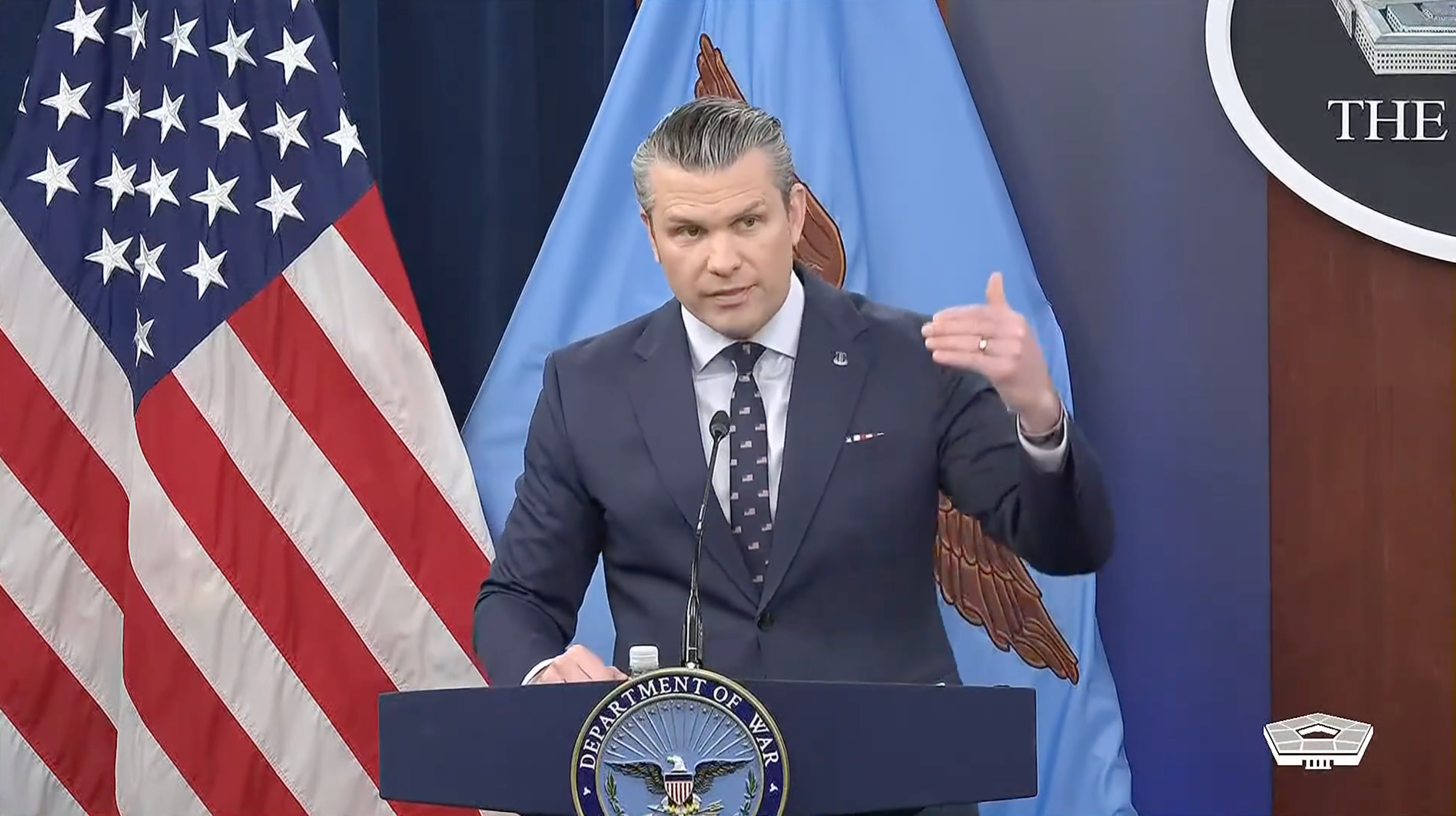
Hegseth began the Friday morning briefing by berating the press, specifically targeting ABC News and CNN, and maintained a tone of barely concealed contempt throughout.
“Another example of a fake headline I saw yesterday: ‘war widening,’” he said. “Here’s a real headline for you, for an actual patriotic press: ‘Iran shrinking, going underground.’”
Despite reporting to the contrary by multiple news outlets, Hegseth said there is no evidence that Iran has laid mines in the Strait of Hormuz — a vital artery of international trade through which 20 percent of the world’s oil passes. He then claimed Americans “don’t need to worry about it.”
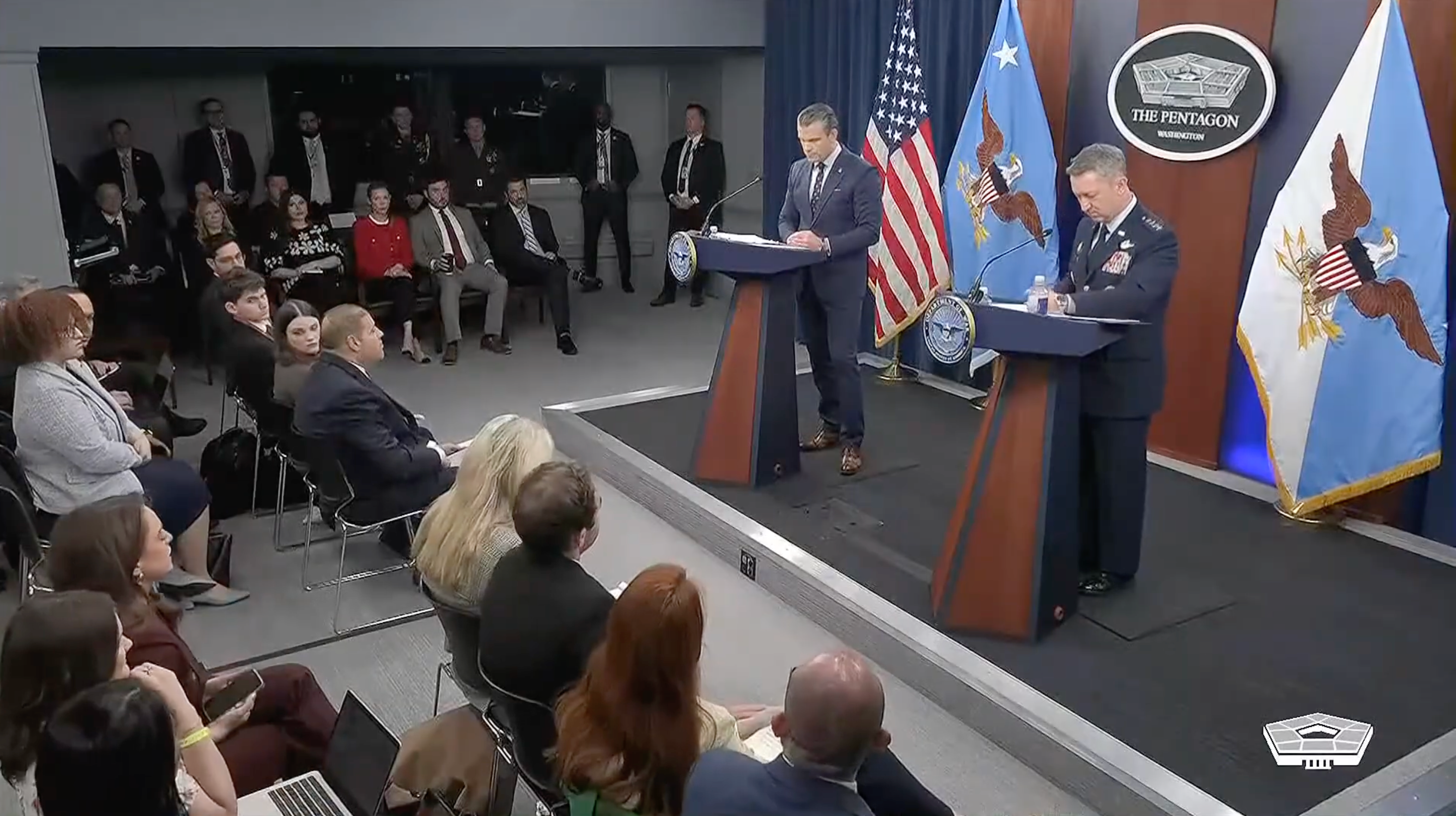
Joint Chiefs of Staff Chair General Dan Caine, who also attended the briefing, appeared more circumspect, calling the situation in the strait “complex.” On Thursday, Energy Secretary Chris Wright said that the U.S. is not ready to escort tankers through the waterway, following strikes on several vessels.
Oil prices have surged past $100-a-barrel multiple times in the past week. In order to ease prices, the Trump administration announced Thursday it will release 172 million barrels from the Strategic Petroleum Reserve over the next four months.
President Donald Trump has telegraphed little concern about oil prices, even as his energy secretary acknowledged this week that Americans could feel pain at the pump for “weeks.”
“The United States is the largest Oil Producer in the World, by far, so when oil prices go up, we make a lot of money,” Trump wrote on Truth Social Thursday. “BUT, of far greater interest and importance to me, as President, is stoping an evil Empire, Iran, from having Nuclear Weapons, and destroying the Middle East and, indeed, the World.”
Hegseth refrained from providing a clear timeline for the war’s completion. “President Trump holds the cards, he’ll determine the place, the tempo and the timing of this conflict,” he said Friday.
Later in the briefing, Caine provided more details on the KC-135 refueling aircraft that crashed in Iraq.
“The incident occurred in friendly territory in western Iraq while the crew was on a combat mission and again was not the result of hostile or friendly fire,” Caine said.
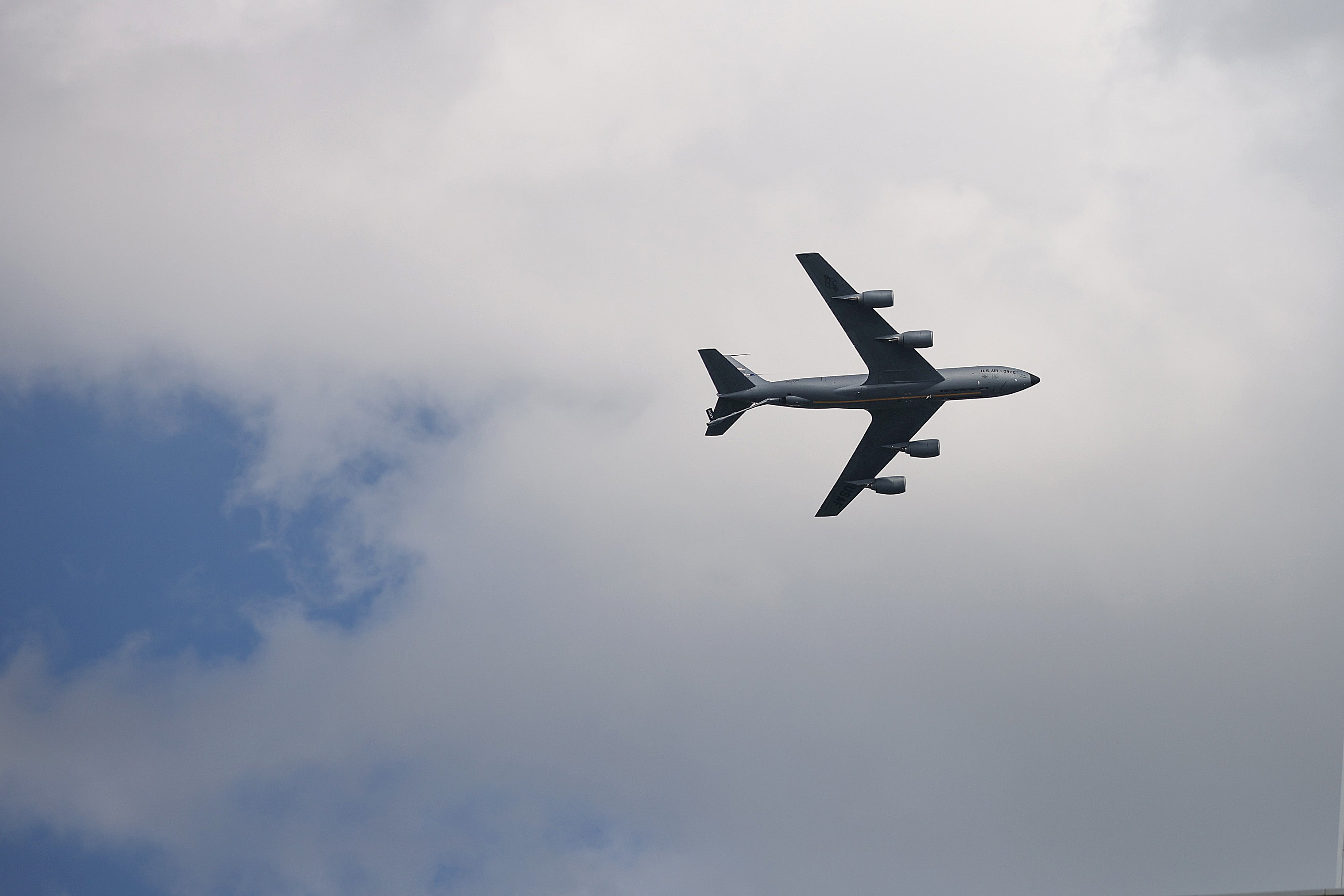
Officials said that the crash remains under investigation. The Islamic Resistance in Iraq, a group of armed Iran-backed factions, has said that it was responsible for downing the aircraft.
Hegseth was also asked by a reporter about the strike on a girl’s school last week, which killed at least 175 people in southern Iran, most of whom were children, according to Iranian officials. U.S. officials are investigating the incident, and a preliminary report indicates an American Tomahawk missile struck the school, sources familiar with the matter told The New York Times.
The defense secretary reiterated that the U.S. military “never targets civilians” and added that the investigation is being handled by a “general officer” from outside of U.S. Central Command.
The U.S. war with Iran, which began February 28, has led to the death of at least 1,940 Iranians, most of whom were civilians, Iran’s representative to the UN, Amir Saeed Iravani, said Wednesday.
The conflict has spread across the region, with Iranian retaliatory strikes targeting countries including Qatar, Kuwait, Iraq, Azerbaijan, and the United Arab Emirates.
Iran has condemned the U.S. and Israeli attacks as illegal and accused the countries of perpetrating war crimes. A number of other nations, including Russia, China and Brazil, have also come out against the war. Meanwhile, close U.S. allies like the U.K., have warned Tehran to refrain from retaliatory strikes.
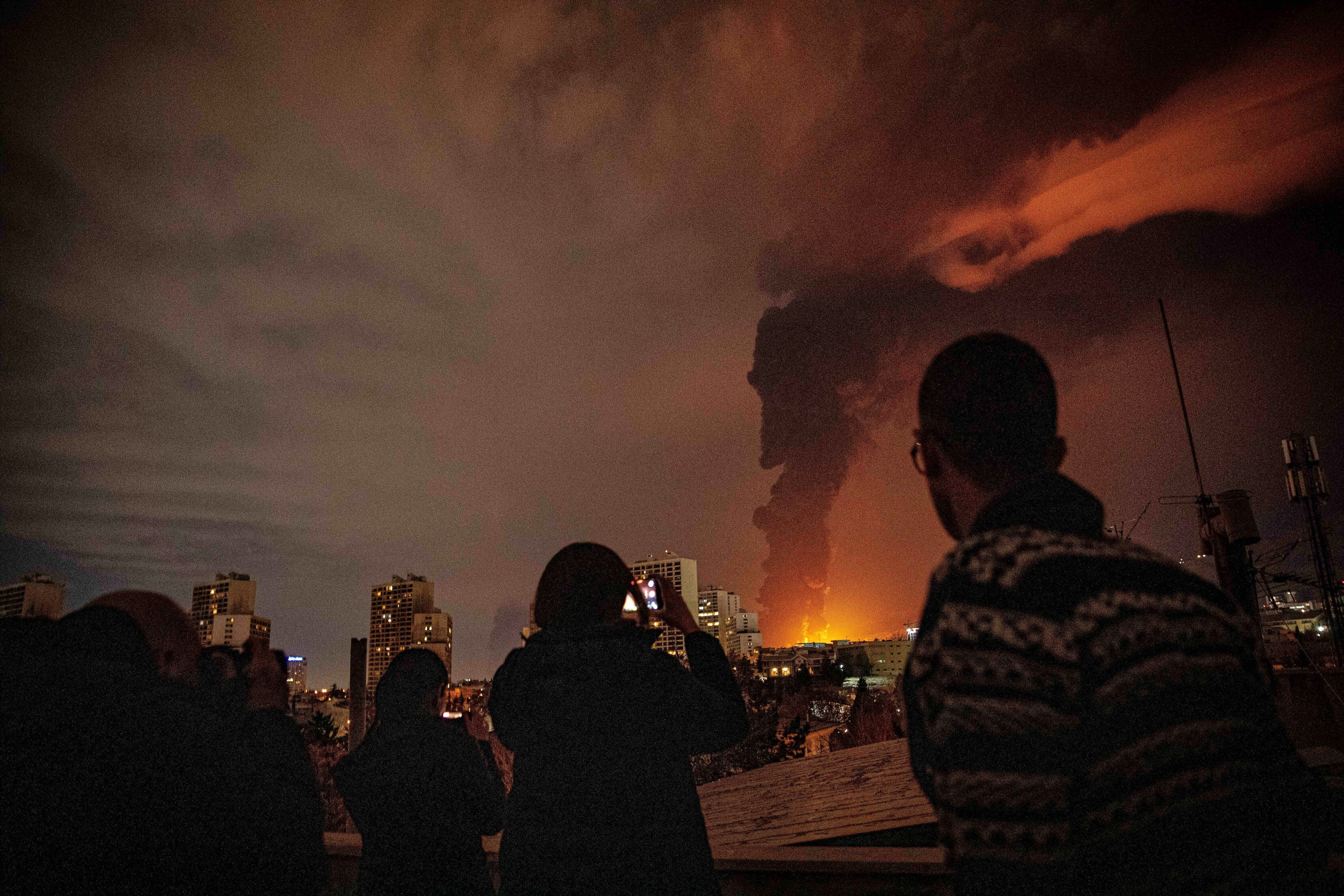
Many lawmakers have also voiced concerns over the Iran war’s mounting costs, with the Pentagon reporting $11 billion spent during the first six days alone. “While there is no money for 15 million Americans who lost their health care, there’s a billion dollars a day to spend on bombing Iran,” Sen. Elizabeth Warren, a Massachusetts Democrat, said Tuesday.
Recent polls show that Americans are broadly against the war. A majority of registered voters, 53 percent, oppose U.S. military action against Iran, according to a Quinnipiac Poll. And an Ipsos poll found more disapprove than approve of the campaign. Both polls were released on March 9.
[ad_2]