This is not a guide, but a way to think about abstraction as one way for photographers to regain control and meaning when technology learns every technique.
Photography has lived in a state of anxiety for several years. Once neural networks began generating realistic images and 3D graphics became the standard for commercial and product shoots, the boundary between photography and simulation finally dissolved. Today, even wedding photographers and sports reporters have no reason to feel safe.
Yet there are areas algorithms cannot reach for objective reasons. The problem is not processing speed or computing power. The issue lies in how AI models function: they cannot handle ambiguity and fail to analyze what has no clear boundaries or recognizable objects. This means that the less “reality” your image contains, the harder it becomes to analyze, codify, or clone.
What Abstract Photography Really Is
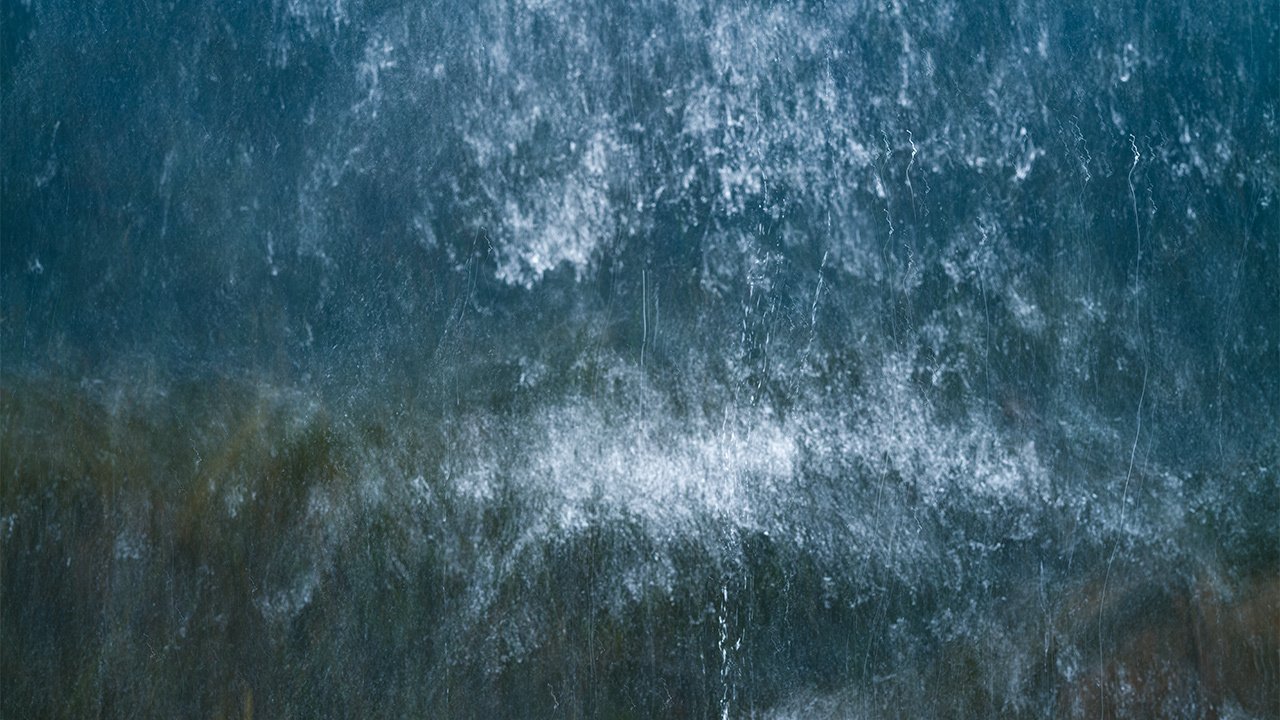
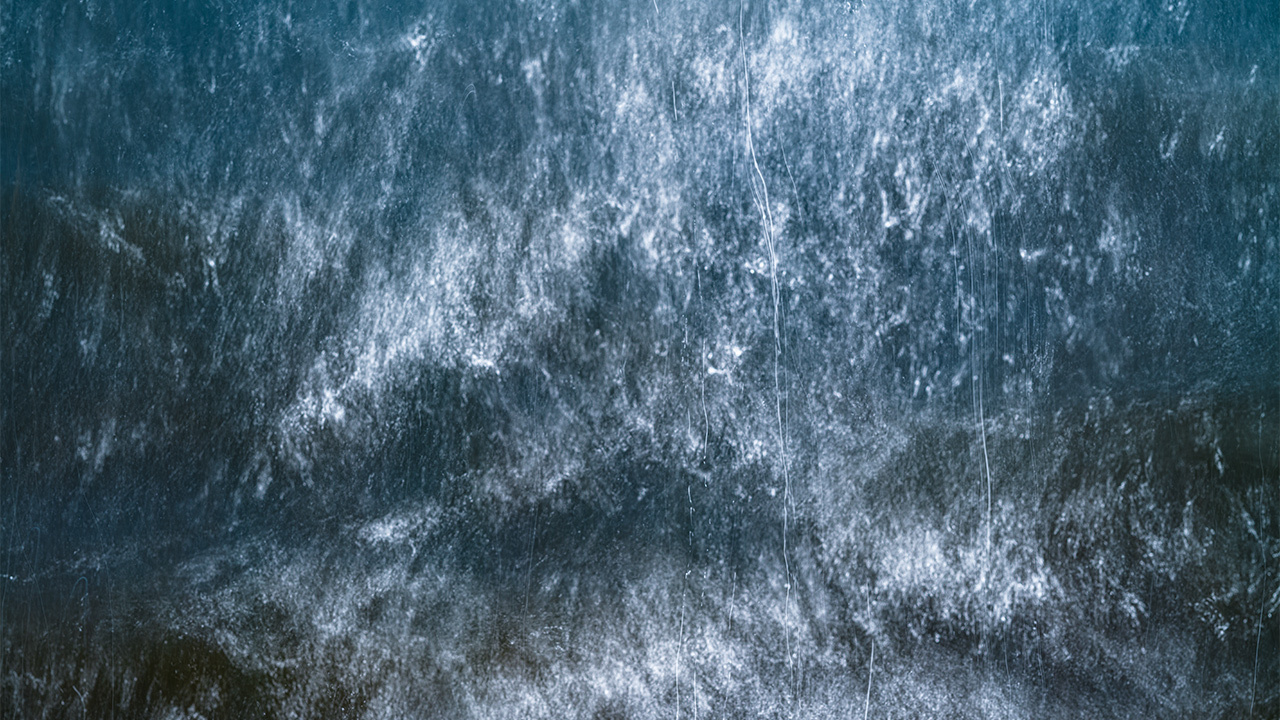
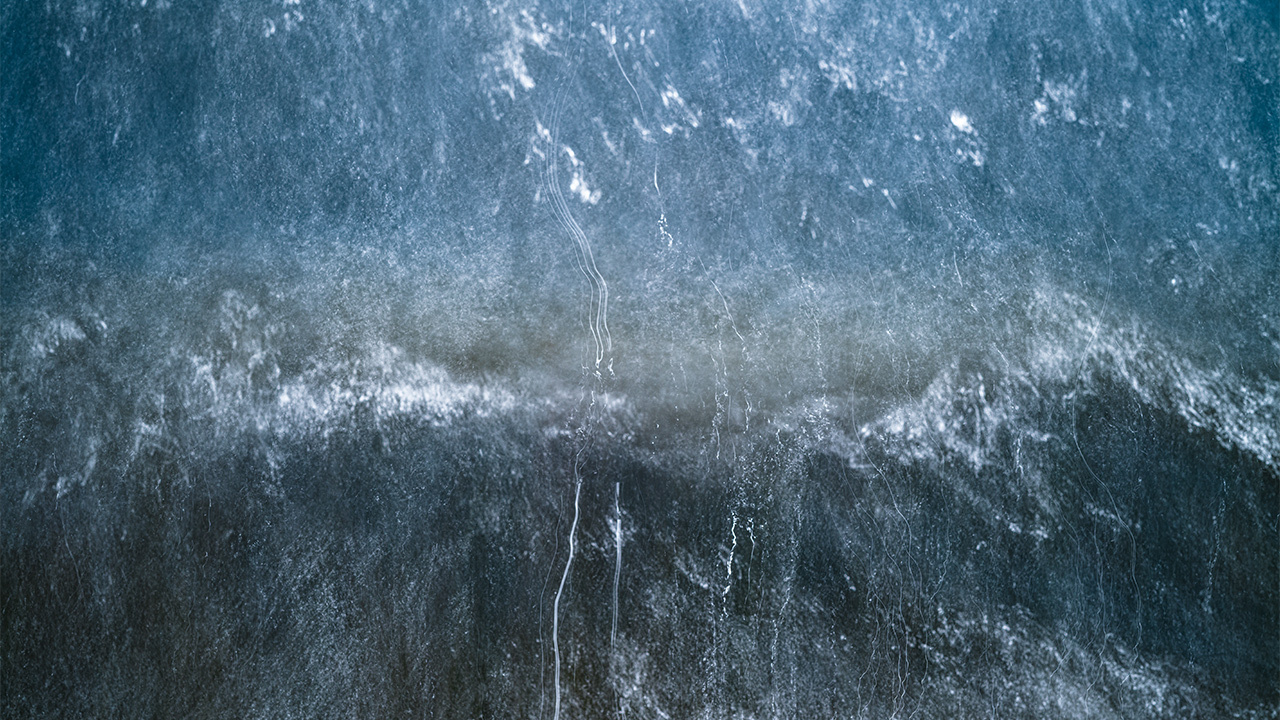
Strictly speaking, abstract photography is an image without perspective and scale — without the visual anchors that help the viewer recognize an object. It is a visual environment without a central subject, where meaning does not depend on what is depicted. Still, between pure abstraction and documentary photography lies a spectrum of hybrid forms where reality remains visible but transformed. Such work keeps its link to the visible while shifting attention from the object to the act of seeing.
People often find abstraction difficult because it demands time — literally to stop and look. It cannot be scrolled past. When we look superficially, we seek what to see, but here the question is how to see and how long to stay with it. That shift from “what we look at” to “how we perceive” requires effort, but that is precisely what makes abstraction special. It attracts through its ambiguity and through its resistance to simple explanation.
And that is exactly what algorithms cannot reproduce. The object is either absent or so deeply masked that it stops being the basis of interpretation.
A Brief History of Refusal
We can recall painting in the late nineteenth and early twentieth centuries, when artists gradually abandoned representation. By then, photography had already claimed the role of precise depiction, and painting had to step aside — not out of weakness, but to preserve its freedom. Many portrait and landscape painters lost their livelihood as photography, even black-and-white photography, proved more accurate and engaging. Attempts to imitate painting through pictorialism came almost immediately but found little understanding.
Of course, the process was far more complex than a single paragraph can show. I must apologize to the reader for oversimplifying it, but I’ve tried to keep the essence the same: art saved itself by abandoning the function that cameras could perform better, even without color. This shift from depiction to expression gave rise to the artistic movements of the early twentieth century and allowed painting to remain art. Today, photography faces the same moment.
Photography now faces the same need to redefine its role within a visual economy.
Why Abstraction Becomes Protection
Abstract photography is not the opposite of technology but a way to reclaim initiative. Its protection lies not in isolation from tools but in the fact that it requires personal decisions, not automated ones.
Abstraction demands a conscious refusal of automation because algorithms serve a different purpose — even within the camera itself. Smart technology resists abstraction, constantly trying to preserve a recognizable, documentary image: properly exposed, in focus, with the “right” depth of field and natural color balance. Algorithms are trained to avoid mistakes, while the photographer working with abstraction searches for them and turns them into the foundation of personal style.
To regain creative control, one must act against what technology has taught us. Where the camera corrects, intervene. Where automation stabilizes, allow instability. This is the rare case where manual settings truly matter and help you control the process with precision. This is perhaps the only case where the phrase “real photography in manual mode” regains its meaning.
Abstraction does not reject technology; it changes the logic of its use. As I wrote earlier, specialization is not a limitation but a way to survive in a niche. Abstraction is a new kind of niche built around a method, not around a subject. It is a strategy, not a genre.
Potential and Opportunities
Abstract photography is a space where the human remains necessary. Where there are no objects, perception becomes the subject, and perception cannot be automated. That is its strength. It restores attention because it asks the viewer not to recognize but to look. It deals not with content but with perception: with how we see, not what we see.
From a market and stylistic perspective, new opportunities emerge. First, abstraction lets photographers move beyond genre boundaries, freeing them from the need to be “portraitists” or “landscape” specialists. It becomes direct evidence of what I wrote previously: style is born from refusal. Abstraction is the ultimate form of that refusal, a visual realization of a strategic “no.”
Second, abstraction opens new ways of working with space and material. It moves naturally from digital to physical form, demanding printing, scale, and tangible interaction with light and surface. This requires the full production cycle — printing, framing, and mounting — and brings the craft back into a profession that has gradually forgotten it. It restores a sense of presence and materiality, returning the viewer to physical contact with the image.
Finally, abstraction becomes a new language. It no longer speaks about the world but about how we look at it. It is not reduction; it is expansion. When algorithms endlessly generate recognizable imagery, uniqueness becomes a rarity once again.
Difficulties and Weaknesses
Let’s be honest: abstract photography has its challenges. It is harder to explain, harder to sell, and harder to fit into a commercial logic. For many clients and even institutions, it still appears ambiguous, and ambiguity rarely fits the requirements of competitions and exhibitions that expect a plot, an object, a story, and a dose of social drama.
Yet that ambiguity is precisely the measure of its strength. For abstraction to work, it must become material. A digital screen often destroys its effect when the choice of medium lacks intention. Scale and physical presence do not just define its meaning; they shape how the viewer experiences it. Therefore, abstract photography demands a full production and presentation process to reach completion. It revives craftsmanship in an age that has mostly forgotten it. Still, such a process is costly and requires skills many photographers no longer possess.
Internal Threats
The main threats are not external but internal. The “inner photographer” is the one afraid of being misunderstood, still searching for a subject to justify the image. The fear of emptiness, of lacking an object, of the viewer not understanding — these are real barriers. They are joined by vulnerability to accusations of meaninglessness. An abstract image is easily dismissed as “nothing.” That is why internal grounding is essential — not as an excuse, but as an understanding of why you are doing it.
These threats cannot be eliminated but can be understood. That awareness is maturity: not defending against misunderstanding but using it as part of perception. The less you explain, the more freedom you leave for the viewer, and that freedom becomes strength. Still, clichés like “the author invites the viewer to interpret the meaning for themselves” provoke laughter in the professional art world. It is better not to overuse them in photography either. Even freedom of perception needs direction — set by the author through the title and the statement of intent accompanying the work. This is another challenge: the need to articulate meaning clearly, something documentary photography rarely required. Traditional photography could “speak for itself,” though, to be fair, that was never entirely true.
Fears and Resistance
To overcome these fears and internal barriers, you must shift from the paradigm of “what is depicted” (and what I shoot) to “how it is seen” (what I want you to feel). It is a serious shift, one that no YouTube tutorial can teach. Yet there is more than enough material to learn from — abstract photography appeared almost simultaneously with documentary photography in the late nineteenth century and has always existed alongside it. Only now is it stepping out of the shadows.
Digging deeper is not easy, but it strengthens the photographer’s position. The deeper you dig, the greater your possibilities and strength. The fewer your threats and weaknesses become. Because behind every work stands not just its title but the meaning you have built into it.
It becomes a haven not because it is closed to machines, but because it remains open to the human. The more automated the visual world becomes, the more value lies in what resists recognition.
Conclusion
In my previous articles, I explored how photographers can preserve themselves within the profession. This piece is about where that preservation becomes possible. A haven is not an island but a zone of responsibility. The more consciously you shoot, the more stable your position becomes.
This piece is not a recommendation but rather a possible scenario, a path that is long, difficult, and uncertain. It carries risk, yet when it works, the reward can be significant. The chances of success are small, but what I do know is that such experiments are incredibly valuable for learning and practice. Experience is not about repeating the same thing for 20 years; it is about exploring what might never be directly useful but will profoundly expand your ability to see and to notice. And between pure abstraction and traditional photography lies a vast field of experimentation that remains perfectly comfortable for both the viewer and the client.
It does not protect from technology; it restores control. Abstraction becomes a safe haven not because it is closed to machines, but because it remains open to the human. The more automated the visual world becomes, the more value lies in what resists recognition. And that may be its quiet advantage. Because when every process becomes predictable, the only real progress left is to look differently.
To be continued.