[ad_1]
JD Vance has said there is “no chance” the United States will become embroiled in a full-scale war with Iran if Donald Trump decides to launch fresh strikes.
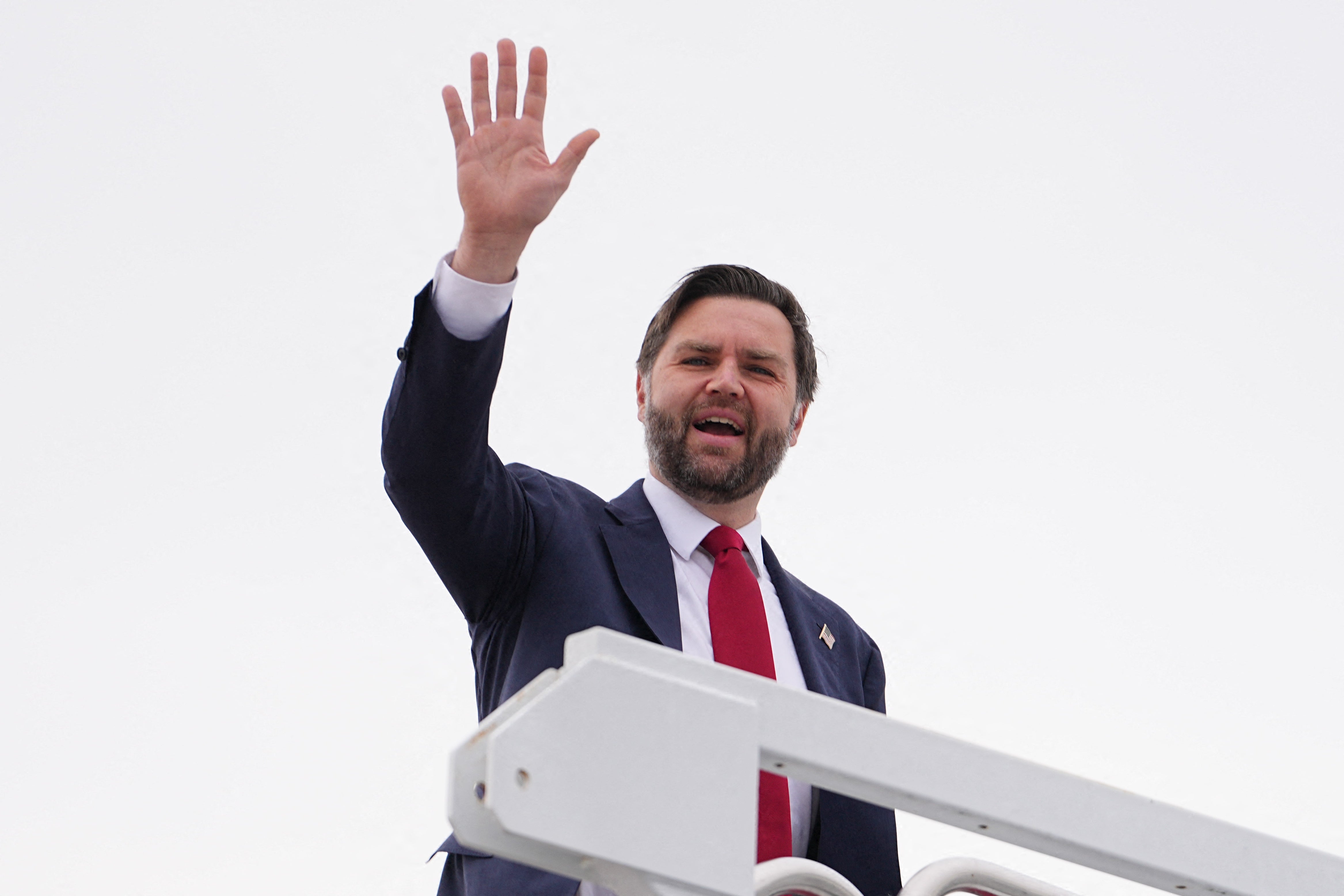
The vice-president said aboard Air Force Two on Thursday that the president is still weighing his options, with indirect talks ongoing to try and curb Iran’s nuclear programme.
His comments follow reports that Trump’s advisers would prefer Israel strike Iran first, as Americans would react more favourably to the US supporting an ally than picking a fight with Tehran without clear provocation.
Mr Vance told The Washington Post that the country would not be drawn into another long war in the desert, following unsuccessful US military campaigns in Iraq and Afghanistan.
“The idea that we’re going to be in a Middle Eastern war for years with no end in sight – there is no chance that will happen,” he said, pointing to the US capture of Venezuelan president Nicolas Maduro in January and the strikes on Iran last summer as operations that were “very clearly defined”.
The comments follow private criticism from General Dan Caine, the chair of the Joint Chiefs of Staff, who was reported this week to have cautioned Mr Trump that an attack on Iran could spiral into a protracted conflict.
Gen Caine, behind US military planning, is said to have warned that Iranian retaliation – which the regime has threatened – could result in significant US casualties and turn into a cycle of violence.
Mr Trump wrote on social media that the reports were incorrect, while admitting: “General Caine, like all of us, would like not to see War but, if a decision is made on going against Iran at a Military level, it is his opinion that it will be something easily won.”
Echoing Mr Trump’s recent rhetoric on the matter, Mr Vance said on Thursday: “I think we all prefer the diplomatic option. But it really depends on what the Iranians do and what they say.”
The US and Iran continued indirect talks in Geneva on Thursday, exactly one week after Trump set a deadline of 10 to 15 days for Tehran to agree to a deal to curb its nuclear programme – or risk “really bad things” happening.
Iran’s foreign minister Abbas Araghchi insisted in the buildup that the talks would be approached with “seriousness and flexibility”, but said negotiations would only focus on nuclear topics and sanctions removal. Washington has pushed to expand talks to cover Iran’s missile stockpiles, support for armed groups and “the treatment of their own people”.
Citing unnamed US officials, The Wall Street Journal reported on Thursday that talks finished with both sides still far apart on key issues. People familiar with the talks said Iran had objected to the idea of ending enrichment, dismantling its nuclear facilities, and imposing permanent restrictions on its programme.
Washington views nuclear enrichment inside Iran as a potential pathway to nuclear weapons, and has been unequivocal that Iran cannot be allowed to have one.
Oman’s foreign minister and a US official said they had made progress and would likely meet again. Technical experts are expected to hold talks in Vienna next week.
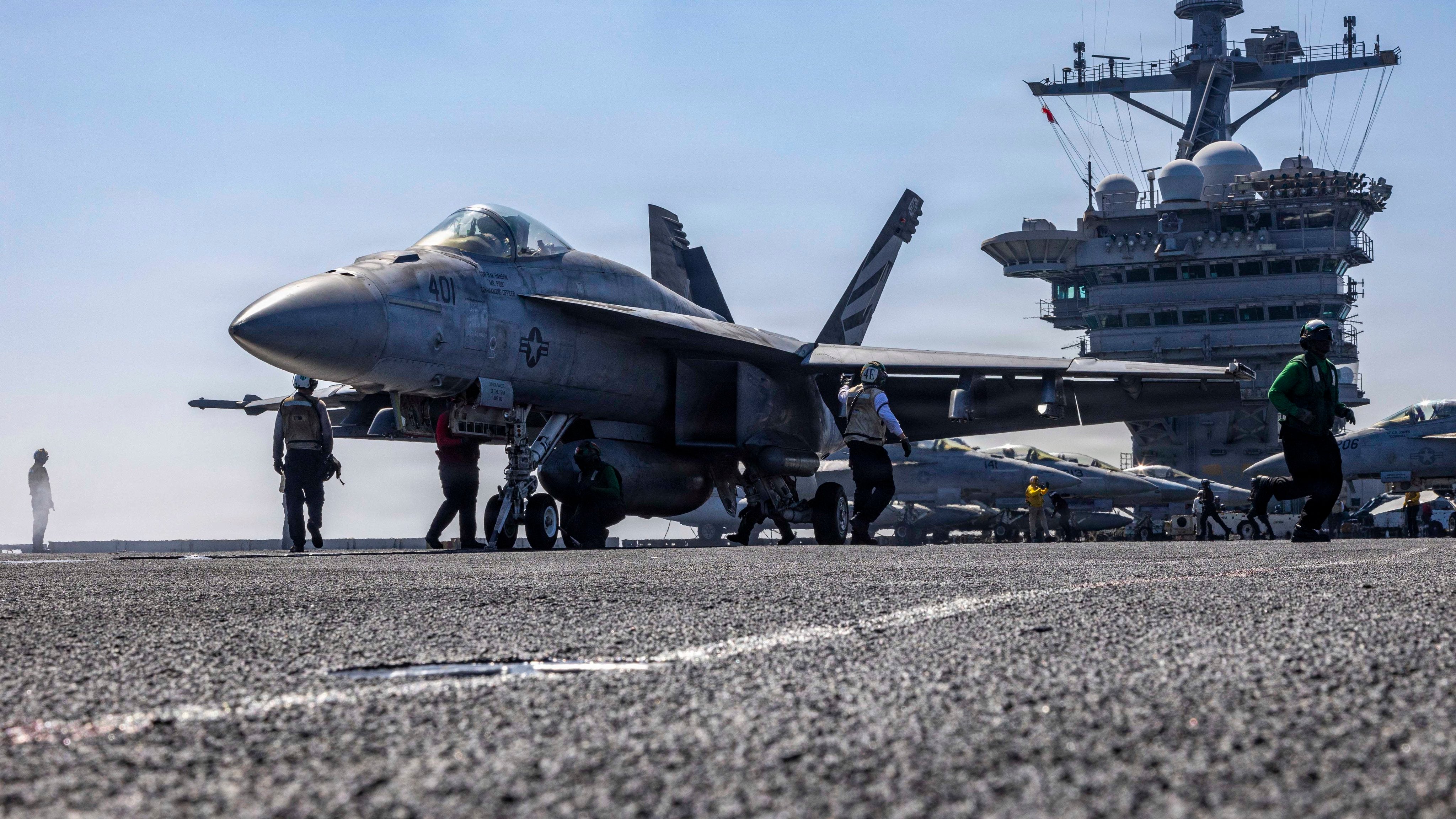
With progress uncertain, Trump has continued to race military assets east in a show of force designed to pressure Iran into concessions. He has not ruled out force.
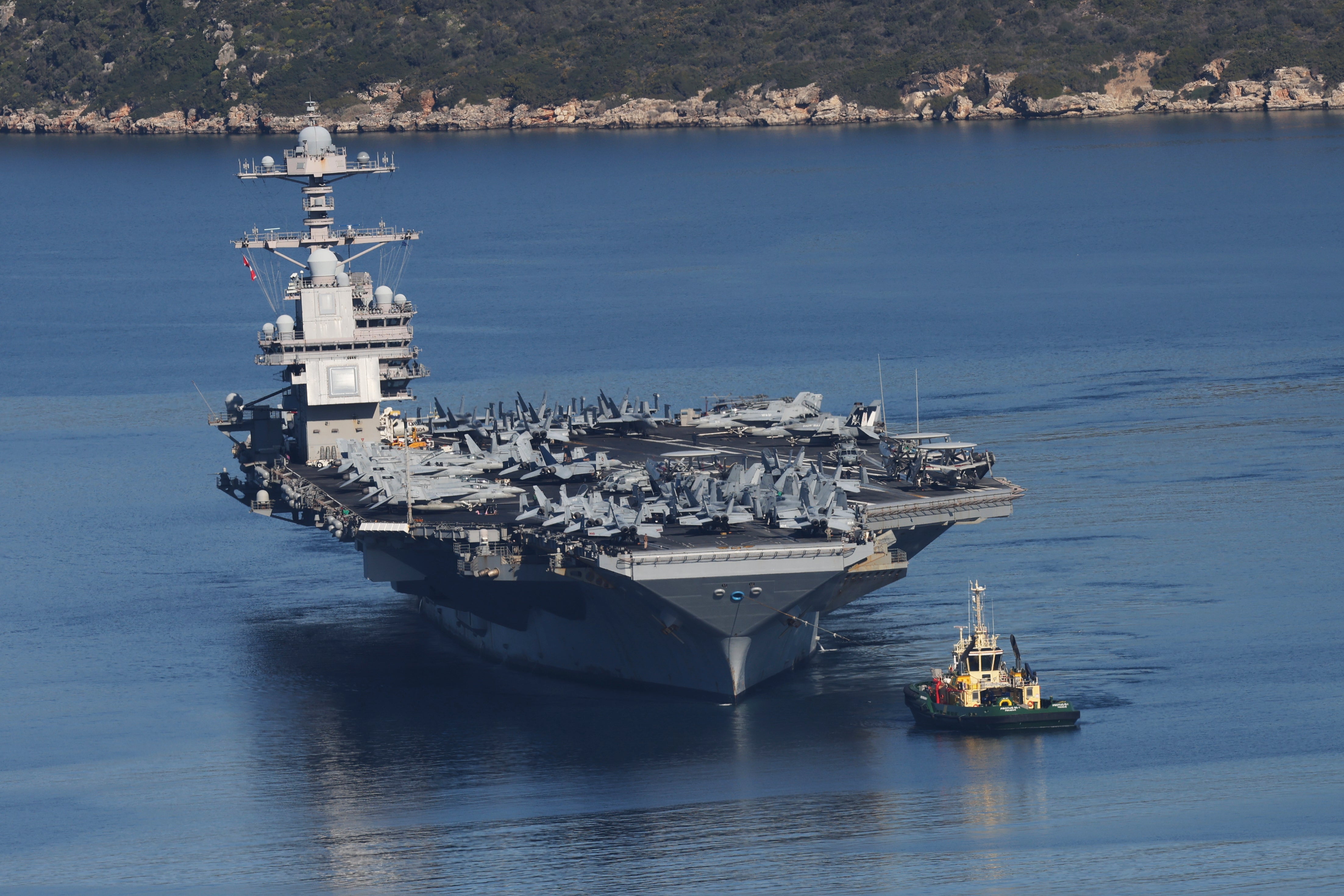
The USS Gerald R Ford arrived in Israel on Friday, where the US has already sent a dozen F-22 fighter jets, according to a US official via Reuters. A dozen warships are otherwise operating in the northern Arabian Sea, including the USS Abraham Lincoln aircraft carrier.
[ad_2]