
One of a kind: STM unveils unique tunnel-boring machine for métro's Blue Line
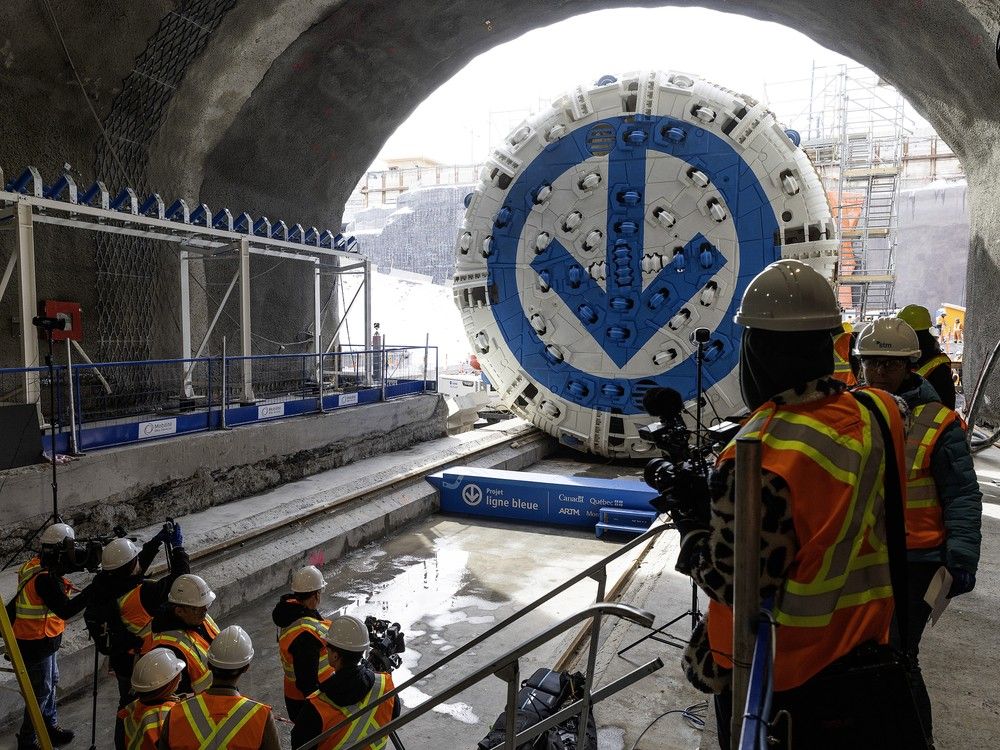
The long-promised extension of the métro’s Blue Line will be built primarily by a tunnel-boring machine that is among the largest of its kind in the world.
On Monday, the Société de transport de Montréal unveiled the machine, which arrived during the fall in more than 100 pieces and was assembled meticulously in recent months.
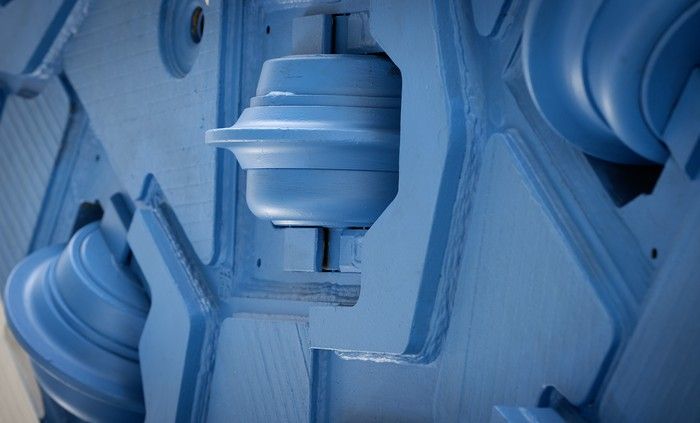
Painted white with the métro system’s blue arrow surrounded by a circle, the machine was an impressive sight, standing about three storeys high and located about 20 metres below ground level at the future
Vertières station
on Jean-Talon St. in St-Léonard.
The machine will turn at a maximum of five rotations per minute, and the circular cutting saws embedded on its face will create the tunnel at a rate of about 15 metres per day. As the machine rolls by, it will pour concrete, finishing the tunnel behind it. It will start moving at the end of April.
It will take about a year and a half to dig out the four kilometres of the tunnel that make up most of the extension. The remainder of the 5.5-kilometre tunnel will be built using traditional means.
The Blue Line extension will end at Galeries d’Anjou. The rocks that the tunnelling machine excavates will be sent to the Miron Quarry and reused for other projects.
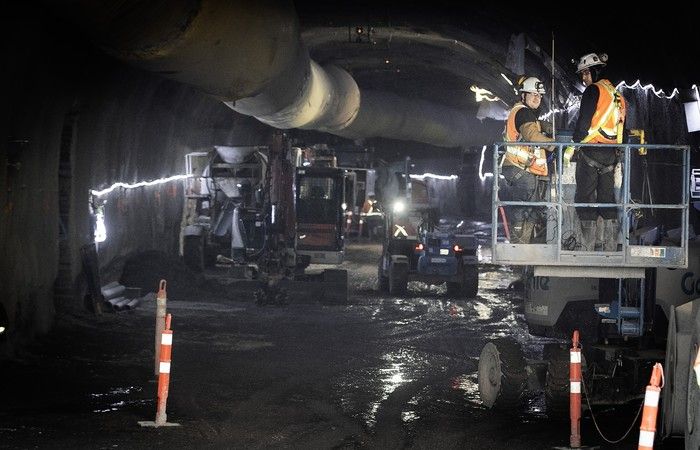
“It’s like a village that rolls all by itself,” explained Maha Clour, the project manager of the Blue Line extension for the STM.
STM chairperson Aref Salem said it was a historic moment because the Blue Line extension has been promised for more than 40 years and now it is finally being delivered. He added that the project remains on time and on budget, which means it is expected to cost $7.6 billion and be ready by 2031.
This is the first métro extension to be built using a tunnel-boring machine.
The REM’s airport tunnel
is the only other public transit project to be built using such technology.
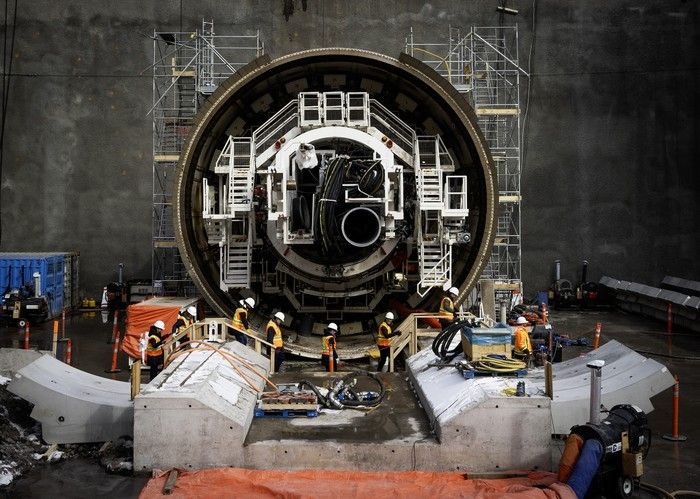
The machine was conceived in Germany by the company Herrenknecht and was custom-made for this project. When the tunnel is completed, the machine will be disassembled and returned to its owners.
Salem explained that while the STM would like to move ahead with other extensions, specifically the
Orange Line extension to Bois-Franc
, each tunneller is built according to the specifications of the soil, the scope of the project and other factors that he said can’t be transferred to other projects.
Also speaking at Monday’s event, Quebec Transport Minister Jonatan Julien said the project is proof that the province is investing more than ever in public transit. The Coalition Avenir Québec government has
been under fire
, however, for its lack of investment in maintaining the aging métro network, which the STM says is in dire need of a major influx of cash just to keep existing stations open and to prevent infrastructure from falling into decay.
Salem has said the STM must also replace its 50-year-old-plus MR-73 model métro trains, which are coming to the end of their useful life and are far less reliable than the newer Azur-model trains.