
14 vs. 3 upset rankings: Virginia most likely NCAA Tournament No. 3 seed to lose, faces dangerous Wright State
I will just be honest right out of the gate regarding the 2026 NCAA Tournament in that I don’t see any No. 14 seeds knocking off a No. 3, because the third seeds are all true blue-bloods in Michigan State (East), Illinois (South), Gonzaga (West) and Virginia (Midwest). There’s a couple of Hall of Fame coaches in there in Sparty’s Tom Izzo and the Zags’ Mark Few, and they almost never seem to lose to lower seeds in the Big Dance.
There have been only two 14 over 3 upsets in the NCAAs this decade: Oakland of the Horizon League dumping Kentucky in 2024 and Abilene Christian of the Southland (now WAC) stunning Texas in 2021. Since the field expanded to 64 in 1985, No. 14 seeds hold a 23-137 record vs. the No. 3, for a winning percentage of 14.4%.
The last time we had two No. 14s win in a single Dance was 2015 when Georgia State knocked off Baylor and UAB beat Iowa State. The biggest spread upset in a 14 vs. 3 matchup was 14 points, by both Stephen F. Austin in 2016 over West Virginia and Ohio in 2010 over Georgetown — and both dogs won by double digits. But No. 14s fare well in close games, going 12-9 vs. the No. 3s in those decided by three points or fewer. Three of the past four such upsets were by a single point.
Overall, in exactly half of the NCAA Tournaments since the field first expanded, at least one No. 14 seed has triumphed over a No. 3 seed. But just two have gone past the Round of 32: 1986 Cleveland State and 1997 Chattanooga. No school that has earned a 3 seed has lost to a 14 seed more than once. But Weber State (not in this tournament) owns two wins as a No. 14 over a No. 3.
14 vs. 3 upset rankings
These are ordered from least likely to most likely.
4. Penn over Illinois (-23.5)
Penn was a surprise winner of the Ivy League Tournament, getting through it without senior forward and leading scorer Ethan Roberts (16.9 PPG). He might return, but it won’t matter. Just don’t go to OT. Illinois is 0-4 in overtime games this season, all since the start of February. Penn is the only team since at least 2010 to enter the NCAA Tournament coming off back-to-back overtime wins.
The Illini should overwhelm the Quakers with height, as Illinois has the tallest average height (80 inches) in Division I, according to KenPom. Coach Brad Underwood’s club has the most made 3-pointers from players 6-foot-9 or taller by any team in at least 20 years. No Penn regular is taller than 6-foot-9. The Quakers have lost nine straight Round of 64 games, the longest streak by any club in this Dance.
3. Kennesaw State over Gonzaga (-20.5)
I like Gonzaga for the Final Four if forward Braden Huff (17.8 PPG, 5.6 RPG) makes it back from a dislocated kneecap that has cost him the past 15 games, but he has been ruled out through at least the second round. I don’t think that will affect much against Kennesaw State, the surprise Conference USA Tournament champion after finishing sixth in the regular-season standings.
The Zags’ Graham Ike should dominate. He is one of six active players with at least 100 NCAA Tournament points and has the most career points (2,531) by any active player. Gonzaga has made six straight Sweet 16 appearances — tied for the fifth-longest streak since the round began in 1975 — and is -225 to get back there. I believe it will. Kennesaw State is one of 12 schools in this year’s Dance looking for its first win in it.
2. North Dakota State over Michigan State (-15.5)
Won’t hide that I’m a Spartans fan, and I’m surprised how good they were this season — they could be lights-out next year with the nation’s top recruiting class on the way. Tom Izzo is making his record-extending 28th straight NCAA Tournament appearance. The Hall of Famer has 14 wins in the Dance when trailing at the half, tied for the most by any head coach.
The Spartans were 10-0 out of conference, and that loss came close to No. 1 overall seed Duke. My biggest concern with Michigan State is that star guard Jeremy Fears will again do something stupid like kicking an opponent in the groin and get ejected. Fears is averaging 9.2 assists per game, leading the country. He leads Division I players with 10 points-assists double-doubles this season. Summit League regular-season and tournament champion North Dakota State hasn’t won a game in the tournament since the 2019 First Four.
1. Wright State over Virginia (-17.5)
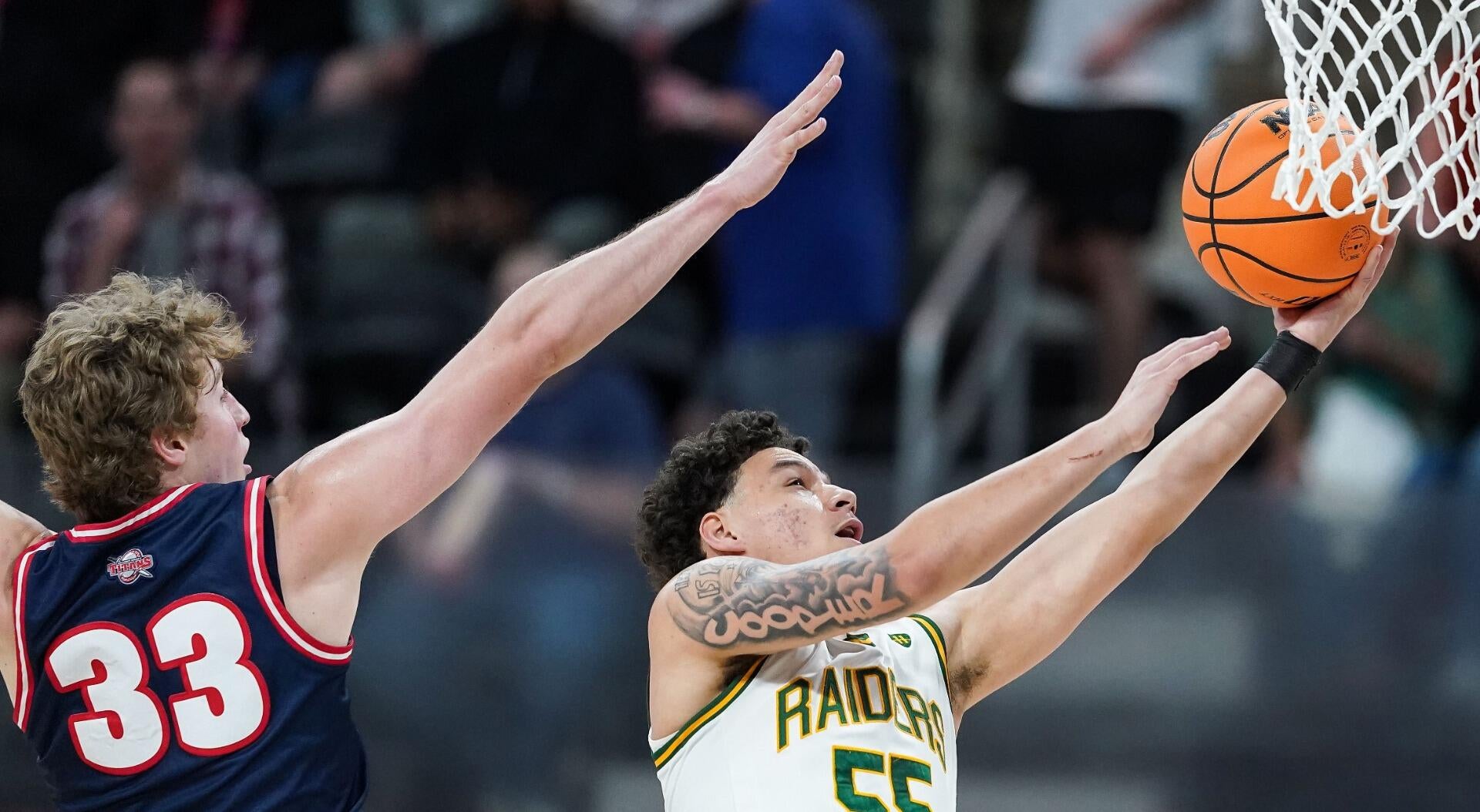
Wright State was the Horizon League regular-season and tournament champion. The Raiders are 1-4 in five previous tournament appearances. They won in the First Four in their most recent trip in 2022 before losing in Round 1 to top-seeded Arizona. Virginia is under first-year coach Ryan Odom, who knows a thing or two about big NCAA Tournament upsets. In 2018, he coached No. 16 seed UMBC to a first-round upset of No. 1 seed and defending national champion Virginia.
UVA doesn’t play a slow-paced defensive style under Odom but instead up-tempo. That might work to Wright State’s advantage as it is 16-0 this season when scoring at least 80 points. The team also has 15 consecutive wins when leading at the half. The Horizon League representatives have done well in the Dance of late, with Oakland stunning Kentucky two years ago and Robert Morris leading Alabama last year with about seven minutes left before falling 90-81.
While not under Odom’s watch, UVA has gone a school-record three straight NCAA Tournaments without a win. Freshmen have accounted for 40.6% of Virginia’s points this season, the second-highest percentage in the ACC. Freshmen can get rattled in their first Big Dance appearance.