You probably make at least a few of the same mistakes over and over without realizing it. Small habits like staying at eye level or avoiding bad weather quietly flatten your images and make your work feel more generic than it needs to be.
Coming to you from Matt Shannon, this practical video walks through 10 common mistakes that quietly hold back your images and shows clear fixes you can start using on your next outing. Shannon begins with something you might think you already do, but usually do not: changing height. Instead of standing in one spot and lifting the camera to your eye, he pushes you to kneel, lie down, or climb a little higher so the scene feels more immersive and less like a casual snapshot. Those low angles add drama and foreground interest, while higher angles give context and structure to the story in the frame. You start seeing how a small change in posture can completely change how a scene feels.
Shannon then challenges the habit of avoiding “bad” weather. Wind, fog, rain, and shifting clouds are the conditions most people hide from, especially when they are worried about protecting expensive cameras and lenses. He argues that these days are often when the best images happen, because wildlife, trees, water, and sky all react in ways you never get on a clear afternoon. Instead of waiting for blue skies, you start thinking in terms of mood and atmosphere, letting rough weather add texture and emotion to your work. You also gain a practical advantage because very few people are willing to be out in those conditions.
Light and depth of field get a big share of attention as well. Shannon points out how easy it is to assume that bright light is “good light,” then shows why midday sun tends to be harsh, contrasty, and unflattering. He pushes you toward soft light, backlight, shade, overcast days, and golden hour, not as abstract ideals but as real situations you can seek out in everyday locations. From there he walks through depth of field in plain language, tying together aperture, focal length, and subject distance so you understand why a long lens up close gives you a razor-thin plane of focus while a wide angle from far back keeps almost everything sharp. length, aperture, and distance so you can see the actual depth of field before you press the shutter.
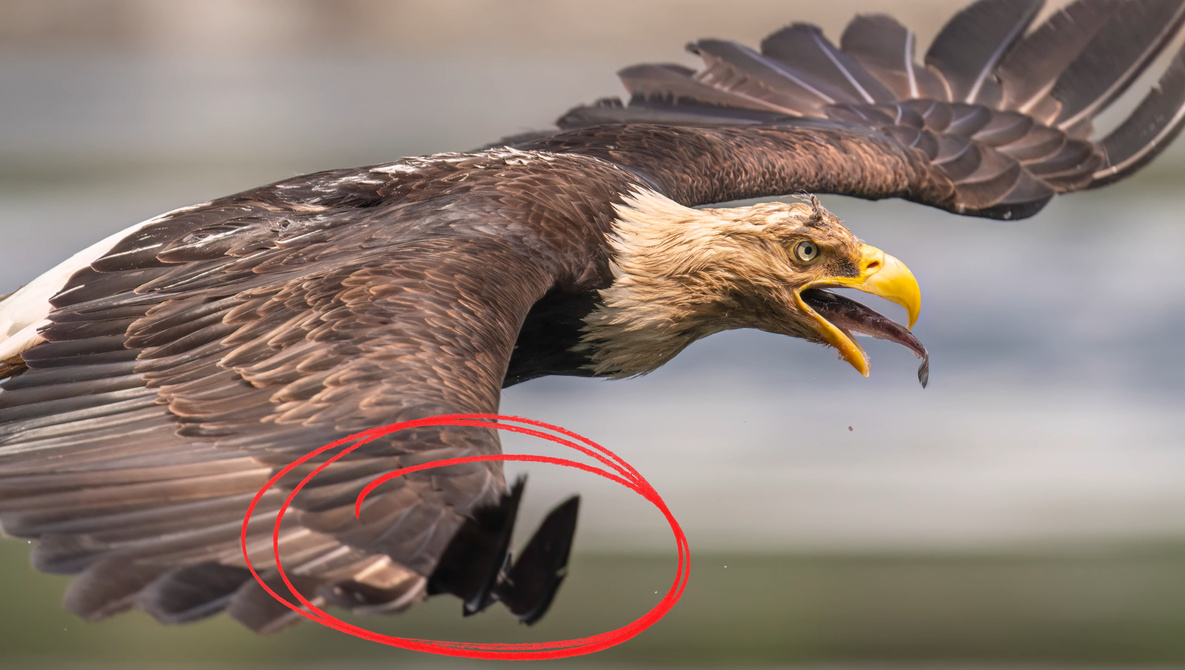
Shutter speed, editing, and backgrounds bring the technical side together with creative judgement. Shannon explains the “1 over focal length” guideline as a starting point for avoiding motion blur, then layers in the reality that you move, your subject moves, and sometimes the vehicle or ground beneath you moves as well. He talks about using faster shutter speeds for fast birds and more forgiving settings for mammals or static scenes, and why a steady setup on a tripod lets you safely use very slow shutters in landscapes. On the editing side, he warns how easy it is to push clarity, saturation, and sharpness too far until the file looks crunchy and fake, and suggests stepping away from the screen or asking a family member what jumps out as distracting. He also pushes you to scan the entire frame for messy branches, bright patches, and visual clutter so the background supports the subject instead of fighting with it.
Later in the video, Shannon gets into mistakes you might not expect, like chasing new gear instead of building skill, giving up too quickly in the field instead of waiting for behavior and light to line up, and trusting the camera meter in winter scenes that turn clean snow into dull gray. He shares specific examples from long stakeouts with owls and trains, and explains how a simple exposure adjustment can bring winter scenes closer to how they actually look. If you have ever told yourself that a new film camera or high-speed body is the missing piece, this section will probably sting a little in a helpful way. Check out the video above for the full rundown from Shannon.